Auction prices for rare muscle cars have been steadily increasing, capturing the attention of car enthusiasts and investors alike. This trend reflects a growing appreciation for the craftsmanship and nostalgia associated with these iconic vehicles. The rising values are fueled by various factors, ranging from cultural significance to economic trends, all of which contribute to the allure of these powerful machines.
Historical Context and Popularity
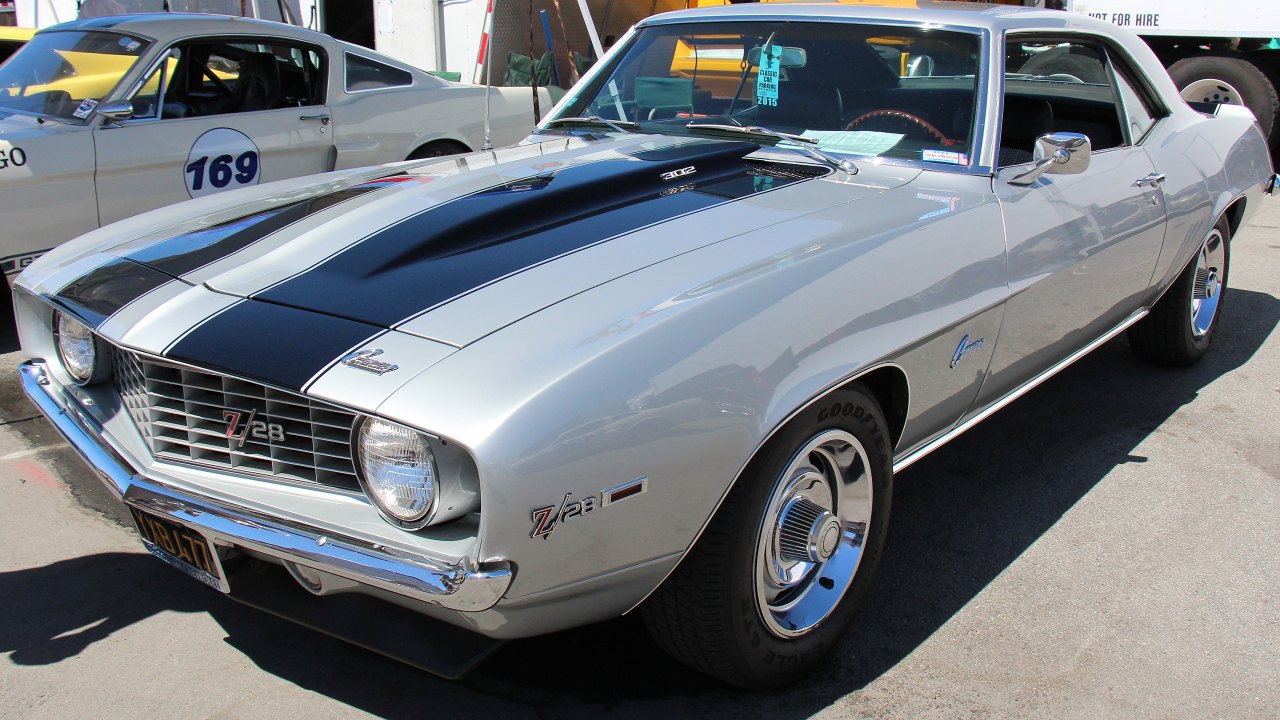
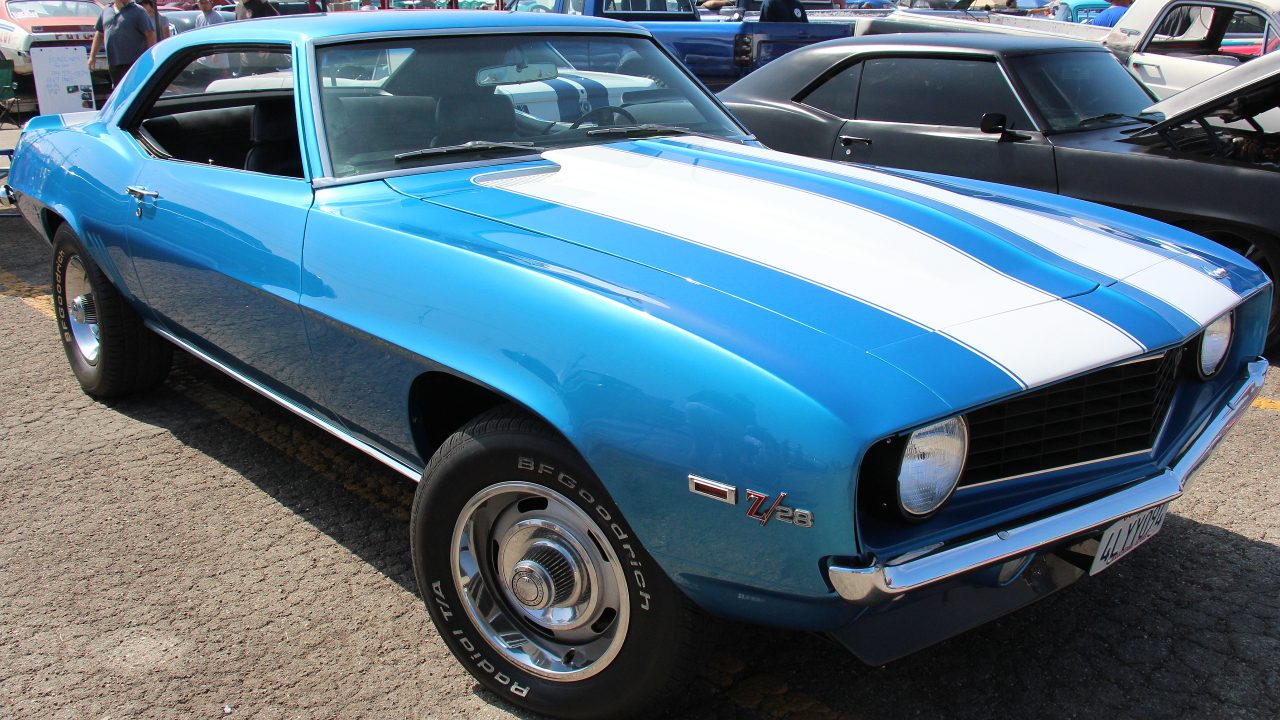
The golden era of muscle cars, primarily during the 1960s and 1970s, witnessed the birth of legendary models that continue to captivate collectors today. Cars like the 1969 Chevrolet Camaro Z28 and the 1970 Dodge Challenger R/T epitomized American automotive innovation with their high-performance capabilities and bold designs. These vehicles became cultural icons, representing an era where freedom on the open road was a cherished ideal.
Muscle cars were more than just machines; they were symbols of freedom and power, embodying the spirit of rebellion and individuality. This cultural significance has only grown over the decades, as enthusiasts view these vehicles as tangible links to a bygone era. The nostalgia associated with muscle cars plays a crucial role in driving demand, as collectors seek to relive the excitement and emotion of the past by owning a piece of automotive history.
Factors Driving Price Increases
The rarity of classic muscle cars is a significant factor in their escalating auction prices. Limited production runs and the passage of time have reduced the number of available models, making vehicles like the 1971 Plymouth Hemi ‘Cuda increasingly scarce. As supply diminishes, the value of these cars rises, creating a competitive market where collectors are willing to pay a premium for exclusivity.
Restoration costs and quality also influence the value of muscle cars at auction. A meticulously restored 1967 Ford Mustang Shelby GT500 can fetch a much higher price than one in poor condition. The restoration process not only preserves the car’s original features but can also enhance its value when done with authenticity and precision. Moreover, the allure of celebrity ownership and provenance further drives up prices. A car once owned by a famous personality, such as Steve McQueen’s 1968 Ford Mustang GT from the movie “Bullitt,” carries a unique history that adds to its desirability and market value.
Economic and Market Trends
Muscle cars are increasingly being recognized as an alternative asset class, offering lucrative investment potential. Unlike traditional assets, these vehicles provide both financial returns and personal enjoyment, making them an attractive option for investors. The market for muscle cars has evolved, with prices reflecting both collector interest and broader economic conditions. For instance, the 1970 Chevrolet Chevelle SS 454 LS6 has seen its value soar as investors seek tangible assets amid financial market volatility.
Global interest in muscle cars has also played a role in shaping prices. International buyers from regions such as Europe and Asia are entering the market, attracted by the iconic status and performance of American muscle cars. This influx of global demand has driven prices higher, as collectors worldwide compete for these coveted vehicles. The financial analysis of past and present market conditions indicates that muscle cars may continue to appreciate, although this trend is subject to the cyclical nature of the economy and the fluctuating tastes of collectors.
The Role of Auction Houses
Key auction houses are pivotal in the muscle car market, facilitating high-stakes sales and setting price benchmarks. Companies like Barrett-Jackson and Mecum Auctions specialize in classic car sales, attracting a global audience of bidders. These auction houses employ strategies such as themed auctions and special events to generate excitement and maximize sales, often resulting in record-breaking prices for rare models like the 1970 Pontiac GTO Judge.
Bidding wars are a common occurrence in the auction world, with passionate collectors vying for ownership of iconic cars. Auction houses play a critical role in ensuring transparency and authenticity, employing experts to verify the provenance and condition of vehicles. This trust is essential for maintaining the integrity of the market, as buyers rely on auction houses to provide accurate information and facilitate fair transactions.
Implications for the Future
The sustainability of price increases for rare muscle cars is a topic of ongoing debate. While some experts suggest that the market may be experiencing a bubble, others believe that the appreciation of these vehicles is a long-term trend driven by enduring demand. As younger generations become interested in classic cars, engaging them in the hobby could help sustain interest and prices. Events like car shows and online forums play a role in introducing new enthusiasts to the world of muscle cars.
However, potential challenges lie ahead, including regulatory and environmental considerations. As governments worldwide implement stricter emissions regulations, the ownership and operation of classic cars could face new restrictions. Enthusiasts may need to adapt by exploring alternative fuels or preservation methods to ensure these vehicles remain roadworthy. Despite these challenges, the passion for muscle cars is unlikely to wane, as they continue to captivate the imagination of collectors and car lovers for generations to come.