Muscle cars are a symbol of power and performance, but owning one comes with its own set of financial considerations, particularly when it comes to insurance. Understanding the costs and factors that influence insurance premiums can help muscle car enthusiasts make informed decisions. This article delves into the essential insurance costs every muscle car owner should be aware of.
Understanding the Basics of Muscle Car Insurance
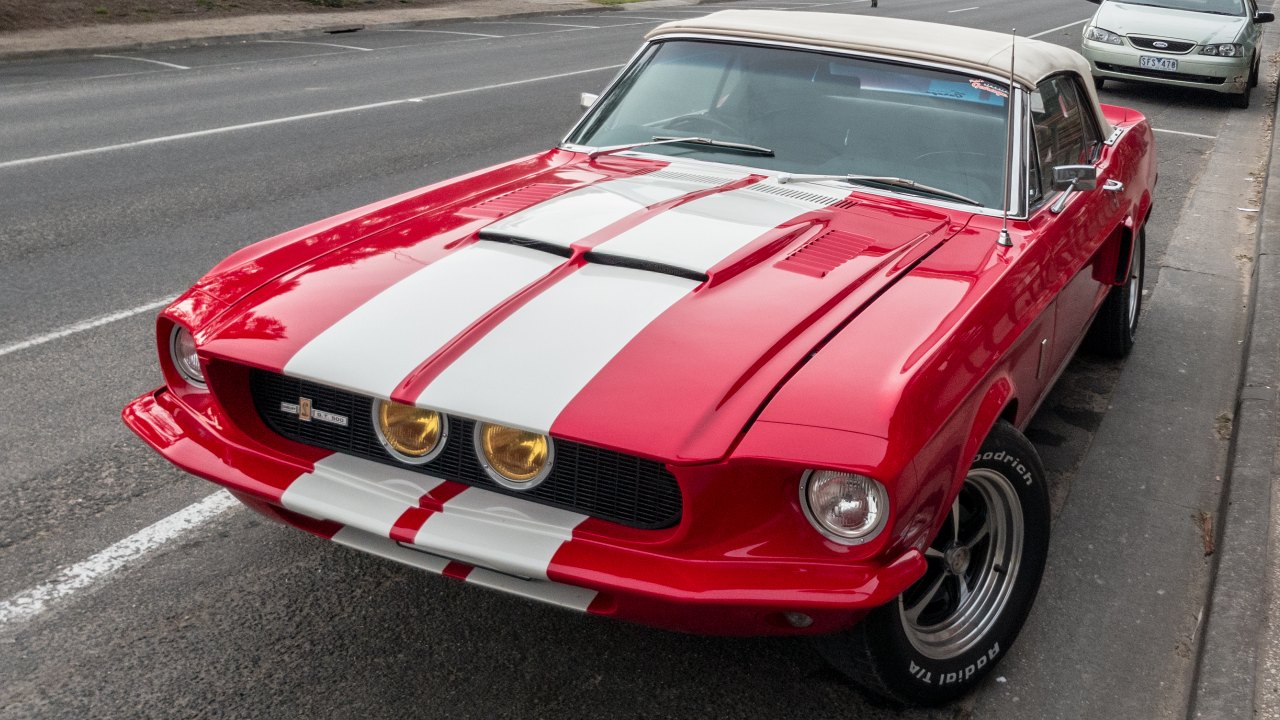
When it comes to insurance, muscle cars are often defined by their high-performance engines and distinctive design. Typically, these vehicles are American-made, two-door sports coupes with powerful V8 engines. Popular models like the 1967 Ford Mustang GT and the 1970 Chevrolet Chevelle SS exemplify what insurers classify as muscle cars. This classification impacts insurance rates significantly because these vehicles are designed for speed and performance, which inherently includes higher risks.
The value of a muscle car, along with its performance specifications, plays a crucial role in determining insurance premiums. For instance, a 2020 Dodge Challenger SRT Hellcat, known for its 717-horsepower engine, may attract higher premiums compared to a standard sedan. The car’s value, often determined by market demand and condition, also influences the insurance cost. Insurers consider the replacement cost and the potential expenses in case of an accident or theft.
Moreover, the age and condition of a muscle car can further affect insurance rates. Older models, such as the 1969 Pontiac GTO, might either be more expensive to insure due to the difficulty in finding replacement parts or cheaper if considered a classic with limited use. On the other hand, newer models with modern safety features might offer some discount incentives despite their higher base value.
Factors Affecting Muscle Car Insurance Premiums
The driver’s age and driving history are significant factors in setting insurance premiums for muscle cars. Younger drivers or those with a history of traffic violations might face higher premiums. For example, a 25-year-old driving a 2018 Chevrolet Camaro ZL1 might pay more due to perceived higher risks compared to a more experienced driver. Insurers often offer discounts for clean driving records, which can make a substantial difference in annual costs.
Geographical location is another critical factor. For instance, a muscle car owner in Los Angeles may pay higher premiums compared to someone in a rural area due to factors like traffic density and crime rates, which affect the likelihood of accidents and theft. States like Michigan, with no-fault insurance laws, might also see higher premiums regardless of the vehicle type. Understanding these regional variations can help owners anticipate and budget for insurance costs effectively.
Usage patterns further influence insurance rates. Muscle cars that are used as daily drivers, like a 2021 Ford Mustang Mach 1, often incur higher premiums compared to those reserved for occasional use or car shows. Limited mileage policies can offer savings for those who drive their muscle cars sparingly. Insurers are likely to offer reduced rates for owners who can verify limited use, thus lowering the perceived risk.
Types of Coverage Muscle Car Owners Should Consider
Liability coverage is universally critical, as it protects the owner against damages caused to others. This is especially vital for powerful vehicles like the 2019 Dodge Charger R/T, which are capable of causing significant damage in an accident. Ensuring adequate liability coverage can prevent financial strain in case of unforeseen incidents.
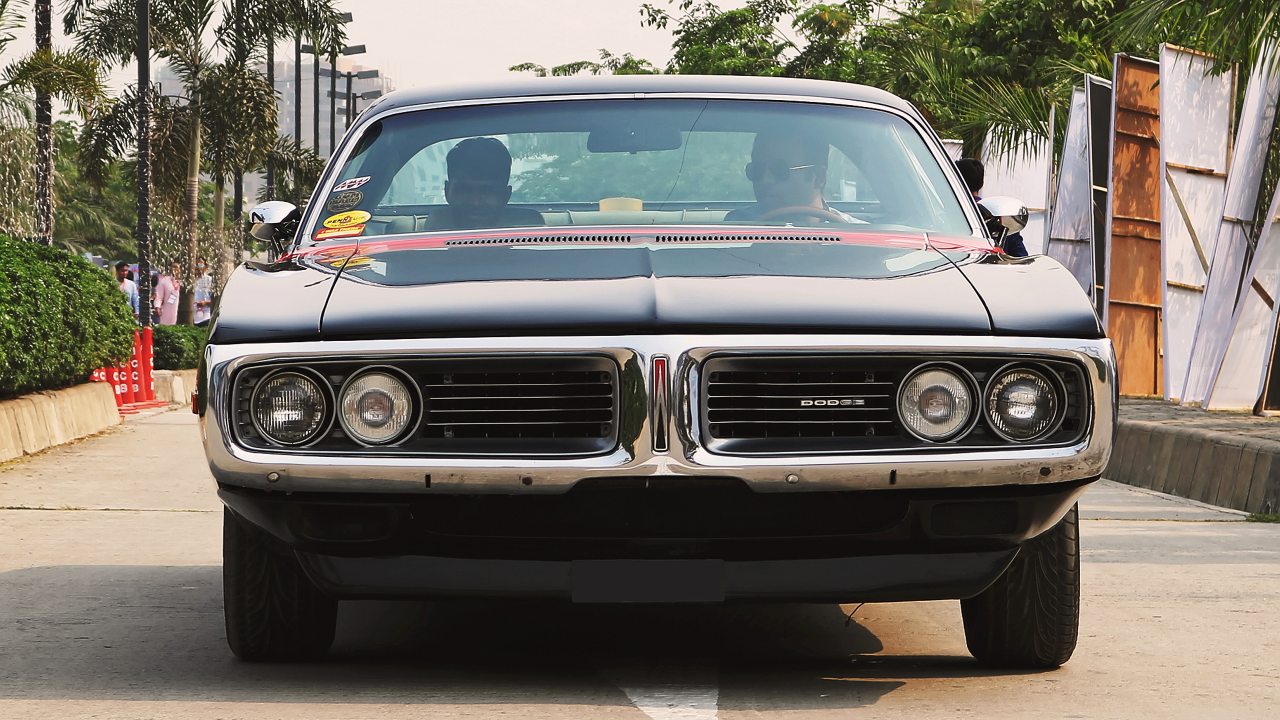
Comprehensive and collision coverage are equally important for muscle car owners. These coverages protect the vehicle from non-collision incidents such as theft, vandalism, or natural disasters. For instance, a 1968 Dodge Charger, a vintage muscle car, would benefit from comprehensive coverage considering its high value and restoration costs. Collision coverage is essential for safeguarding the investment in the event of an accident, ensuring that repair costs are covered.
Specialty insurance options like agreed value policies can be particularly beneficial for muscle car enthusiasts. These policies allow owners to agree on the car’s value with the insurer, ensuring full compensation in the event of a total loss. This is crucial for unique or rare models, such as a 1970 Plymouth Barracuda, where market value might not reflect its true worth to the owner.
Tips for Reducing Muscle Car Insurance Costs
One effective way to reduce muscle car insurance costs is by bundling policies. Insurance companies often offer discounts when customers combine their home and auto insurance policies. For instance, owners of a 2022 Chevrolet Camaro SS could see significant savings by bundling their car insurance with their homeowner’s insurance.
Enhancing vehicle security can also lead to reduced premiums. Installing alarms, GPS tracking, and immobilizers can deter theft and make the vehicle less risky to insure. A muscle car like the 1967 Shelby GT500, which is often a target for thieves due to its iconic status, can benefit from these security measures both in terms of protection and potential insurance discounts.
Comparing quotes from different insurers is another practical approach to finding the best rates. The insurance market is competitive, and rates can vary significantly between providers. Utilizing online tools and consulting with insurance brokers can help muscle car owners secure the most favorable premiums for models like the 1971 Chevrolet Nova SS.
Common Mistakes Muscle Car Owners Make with Insurance
One common mistake muscle car owners make is underestimating the importance of adequate coverage. Owners of vehicles like the 1969 Dodge Daytona may opt for minimal coverage to save on costs, but this can lead to substantial out-of-pocket expenses in the event of an accident. Ensuring comprehensive coverage is crucial for protecting these valuable investments.
Another pitfall is ignoring policy details and exclusions. Muscle car owners may not thoroughly review their policies, leading to denied claims for issues not covered under their plan. For example, modifications to a 2023 Ford Mustang GT, if not reported, could result in denied claims if those modifications contribute to a loss.
Failing to update insurance policies after modifications or restorations is also a common error. As muscle cars like the 1970 Oldsmobile 442 are often modified or restored, it’s essential to keep the insurer informed of any changes. This ensures that the vehicle is insured for its current value and that all enhancements are covered in case of a claim.