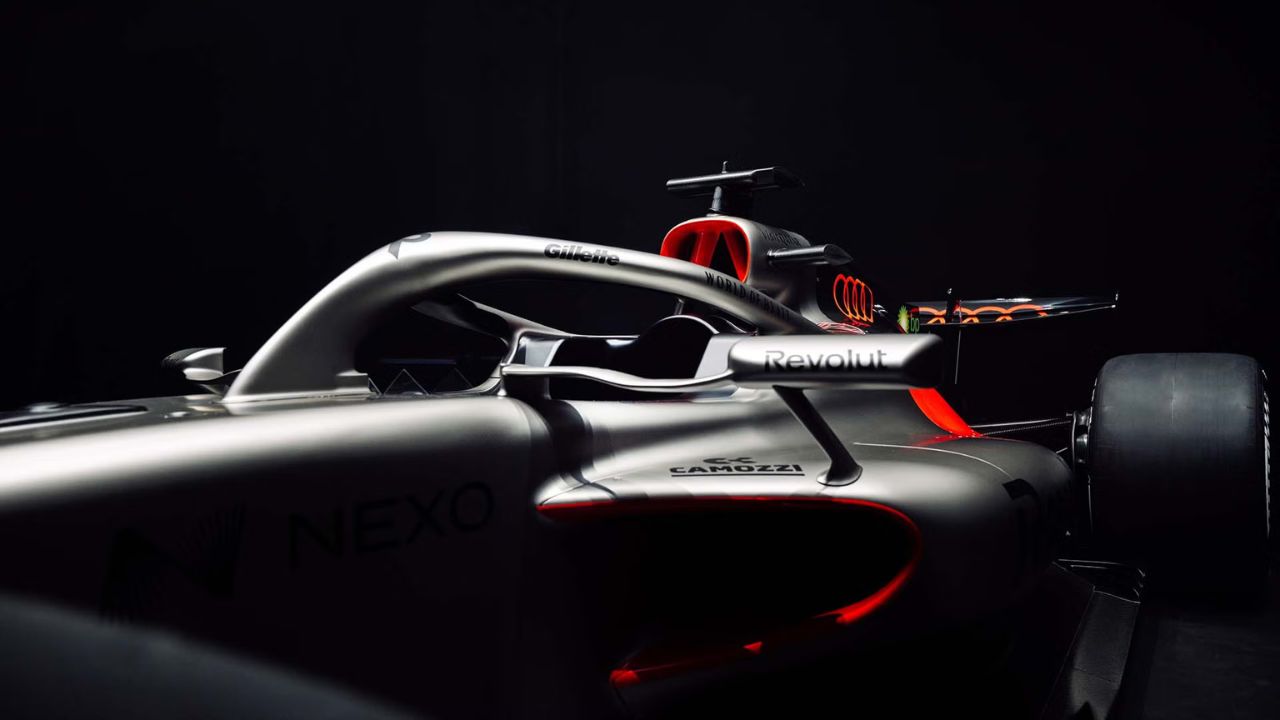
The next era of Formula 1 is being tuned not just in wind tunnels and simulators but in sound studios, and Audi is leaning hard into that fact. As the sport prepares for a fresh rules package in 2026, the German manufacturer is treating its new power unit like a headline act, promising a deeper, more aggressive roar that still fits within F1’s push for cleaner technology. The result is a rare moment where sustainability, performance and pure theatre all meet in the exhaust note.
Audi’s first roar and the 2026 reset
When @AudiF1 dropped the first official clip of its 2026 power unit firing up, the reaction from fans was instant: this did not sound like the muted turbo hybrids that have divided opinion for a decade. The short video, shared in Jan and tagged with the new Formula 1 project, gave a first taste of an Engin that growls rather than whines, a deliberate statement that Audi wants its debut to be heard as much as seen, and that the brand understands how central sound is to the sport’s identity. By foregrounding the noise before a single race lap, Audi effectively turned an engineering milestone into a piece of fan service.
That soundtrack sits within a much bigger reset for the series. From 2026, Formula 1 is introducing a new generation of power units that combine a heavily boosted internal combustion engine with a significantly more powerful electric system and sustainable fuels, with the aim of making the championship more efficient without losing its edge. Audi has been clear that its entry is built around those regulations, committing to develop its own hybrid system and to race with fuels that meet the new sustainability targets set out for Formula 1.
Why the 2026 engines will be louder
The promise of a meaner sound is not just marketing, it is baked into the technical rulebook. The 2026 regulations remove the MGU-H, the complex heat-recovery unit that has been central to the current turbo hybrid era and that has also contributed to the smoother, quieter exhaust note that many fans never fully embraced. With the MGU-H gone, the turbo will be less constrained by energy harvesting, and the combustion engine will be allowed to breathe and rev in a way that naturally increases volume, a change that has been flagged as a likely boost to the visceral noise that modern Formula 1 has sometimes lacked.
At the same time, the hybrid side of the power unit is getting more powerful, which might sound like a recipe for silence but in practice should sharpen the contrast between electric shove and mechanical fury. The electric motor, battery and control electronics are set to increase sharply in output compared to today’s systems, according to Audi’s early technical briefings on its 2026 package. That shift, described in detail when the company confirmed its F1 plans, means the combustion engine can be tuned more aggressively for sound and character while the electric side handles a larger share of efficiency, a balance that underpins Audi’s decision to build its own power units.
Shakedowns, test clips and a very real growl
Early track running has already shown that Audi’s confidence in its soundtrack is not misplaced. During a recent shakedown of its 2026 car, the team ran its new power unit in anger for the first time, and trackside footage captured a sharper, more insistent note than the current generation of engines. The test, carried out with Audi’s own chassis and hybrid system, confirmed that the new configuration can deliver the kind of high-energy howl that fans associate with classic eras of the sport, even as it leans more heavily on electric power, a balance that was highlighted when the Audi test footage surfaced.
Another clip, shared from a quieter private session, caught the upcoming Audi power unit running at sustained high revs and gave an even clearer sense of its character. Instead of the thin, high-pitched turbo hiss that has defined much of the hybrid era, the sound here is fuller and more mechanical, with a distinct rise and fall that recalls older V-configurations without trying to imitate them. For me, listening to that recording felt like hearing the sport find a new voice that respects its past without pretending to turn the clock back, a point that came through strongly in the high-rev clip.
The wider 2026 soundscape and fan reaction
Audi is not alone in treating sound as a competitive calling card, and that context matters. Another major team has already released its own 2026 engine audio, prompting instant comparison between the two new power units and sparking debate over which note better captures the spirit of the sport. Taking to social media, fans have lined up the clips from Audi and its rival, with one comment summing up the mood by calling the new tone “Better than turbo hybrid whine, but still a way to go before Honda clears,” a reaction that shows how emotionally charged these early previews have become and that was captured in the fan debate.
Regulators are well aware of that emotional stake, which is why the 2026 rules were framed with sound as a selling point. The decision to drop the MGU-H was presented not only as a cost and complexity reduction but as a way to let the engines “bring the noise” again, even if nobody expects a full return to the screaming V10s of the early 2000s. Any increase in volume and character is likely to be welcomed by fans who have long argued that the current cars sound too clinical, a sentiment that has been echoed in discussions around how the new regulations will bring the noise.
Strange at first, but Audi is betting on adaptation
Not everyone is convinced the new sound will land perfectly from day one. Engineers have warned that the way the hybrid systems deploy energy in 2026 will change how the engines behave under braking and cornering, with revs staying higher in parts of the lap where they currently drop. Normally, the engines run at low revs when the drivers are slowing the car, but in the future the revs and thus the noise level will remain elevated as the hybrid system works in tandem with the combustion unit, a shift that Thomas, one of the technical voices around the project, has said will require fans to adapt to a “strange” new soundtrack, a point laid out in detail when fans must adapt was discussed.
From Audi’s perspective, that adaptation is part of the appeal rather than a risk. The company has framed its entry as a long-term commitment to the sport’s future, aligning its F1 technology with road-going electrification and its broader motorsport projects, and it is betting that fans will embrace a more complex, layered sound once they hear it in full race conditions. The brand’s own messaging around the power unit, from the first @AudiF1 teaser in Jan to the more recent test footage, has leaned into that complexity, presenting the Engin as a fusion of old-school aggression and new-school efficiency that fits the broader direction of AudiF1.
More from Fast Lane Only