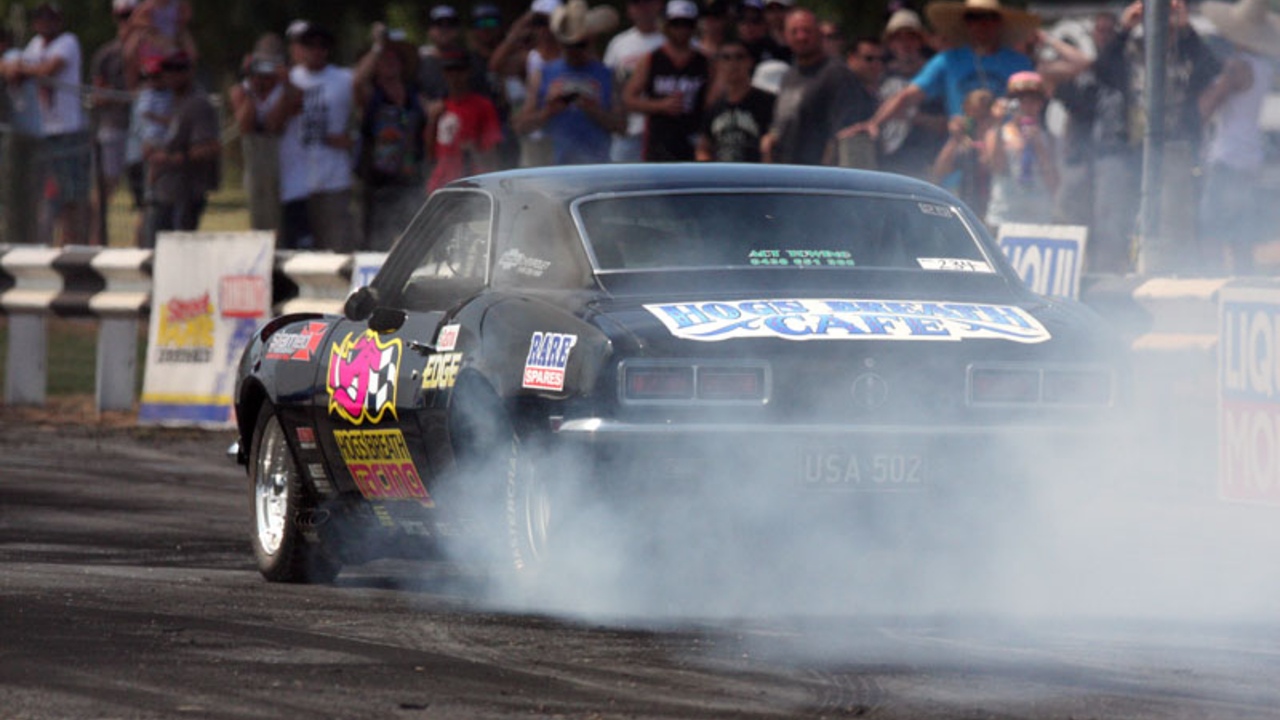
Burnout competitions, a thrilling motorsport phenomenon, have gained immense popularity across Australia. These events captivate audiences with their high-octane displays of power and precision. Delving into the intricacies of these competitions reveals their origins, rules, and cultural significance in the Land Down Under.
History and Evolution of Burnout Competitions
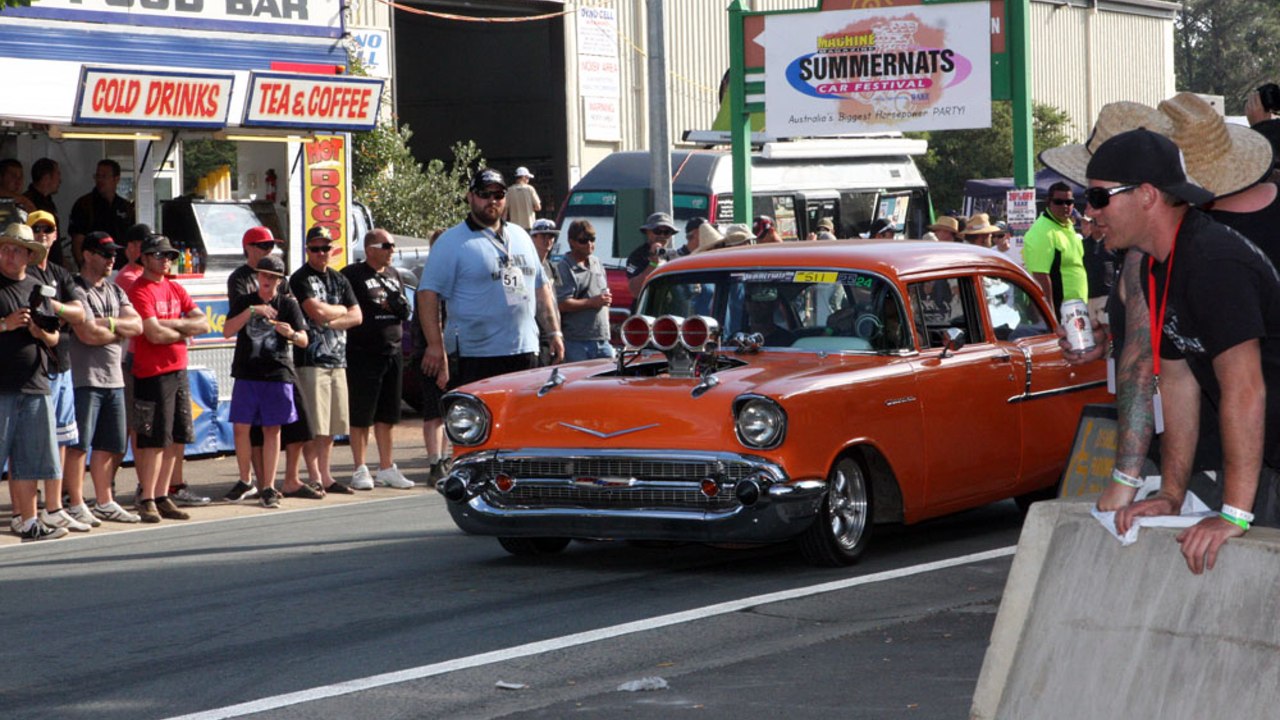
The origins of burnout competitions can be traced back to the early days of drag racing and car culture. Initially, burnouts were a way for racers to warm up their tires before a race, ensuring better traction. Over time, this practice evolved into a standalone event, celebrated for its spectacle and skill. In Australia, the burnout scene began to take shape in the 1980s, with enthusiasts gathering informally to showcase their vehicles’ power and their own driving prowess.
Significant milestones in Australian burnout history include the transition from grassroots gatherings to organized national events. The Summernats Car Festival, established in 1987 in Canberra, is one of the most notable events, drawing thousands of spectators and participants from across the country. This festival has played a crucial role in popularizing burnout competitions, transforming them into a mainstream motorsport. The influence of Australian car culture, with its emphasis on unique automotive traditions and modifications, has further shaped the burnout scene, making it a distinctive part of the nation’s motorsport landscape.
The Mechanics of a Burnout Competition
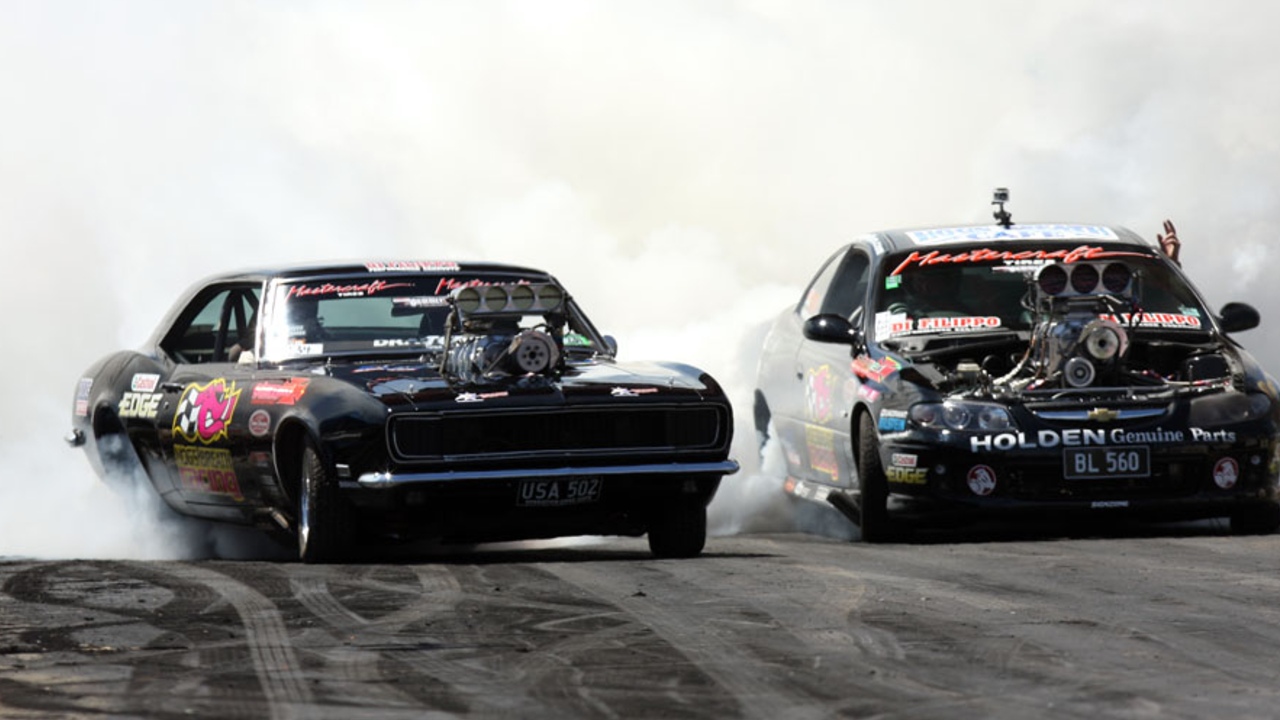
Burnout competitions are governed by a set of rules and regulations designed to ensure fairness and safety. Participants are typically judged on criteria such as the volume and density of smoke produced, the sound of the engine, and the overall style and control demonstrated during the performance. These elements combine to create a visually and audibly captivating experience that challenges drivers to push their vehicles to the limit.
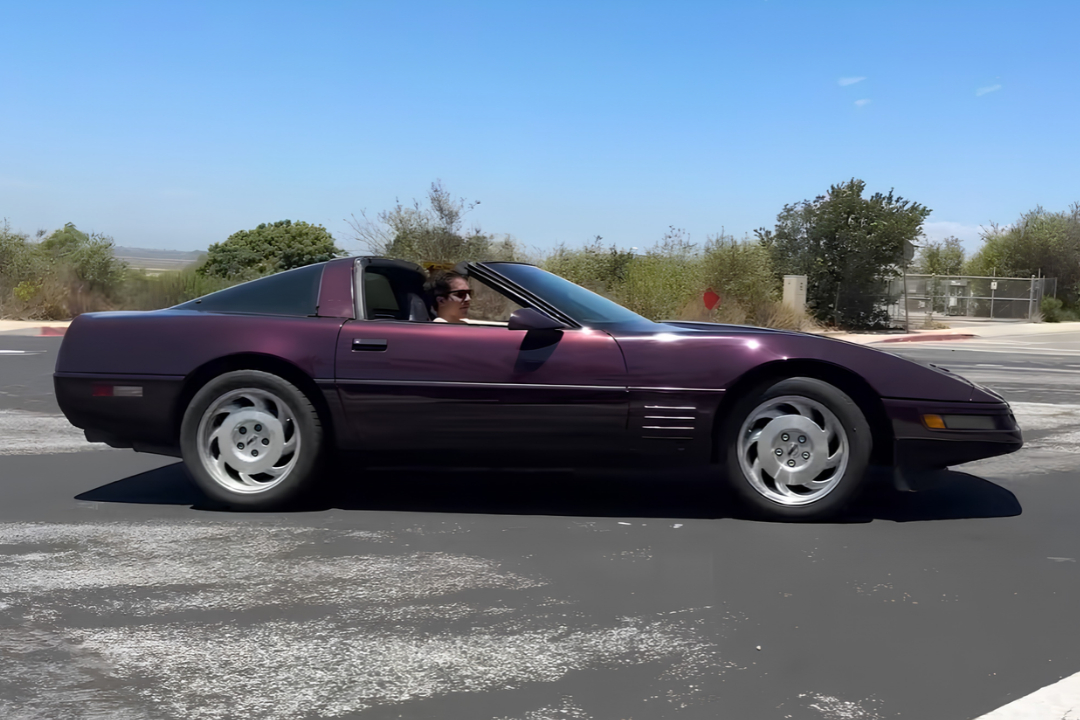
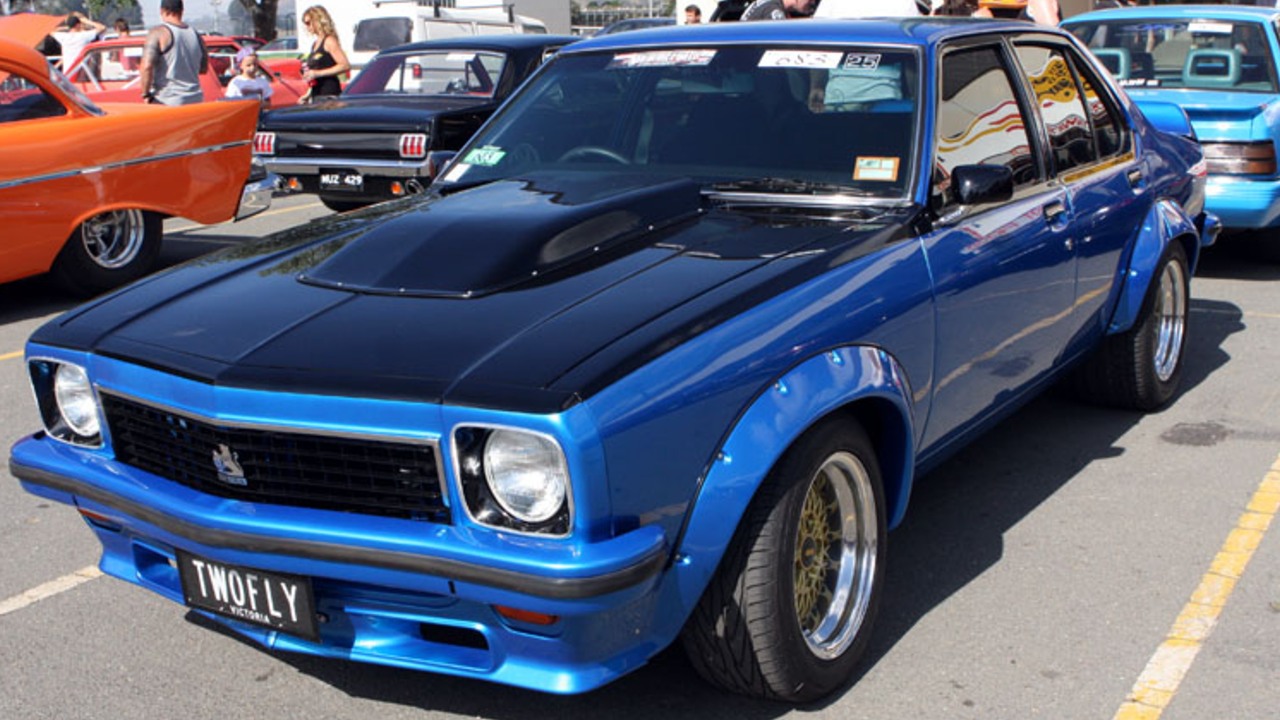
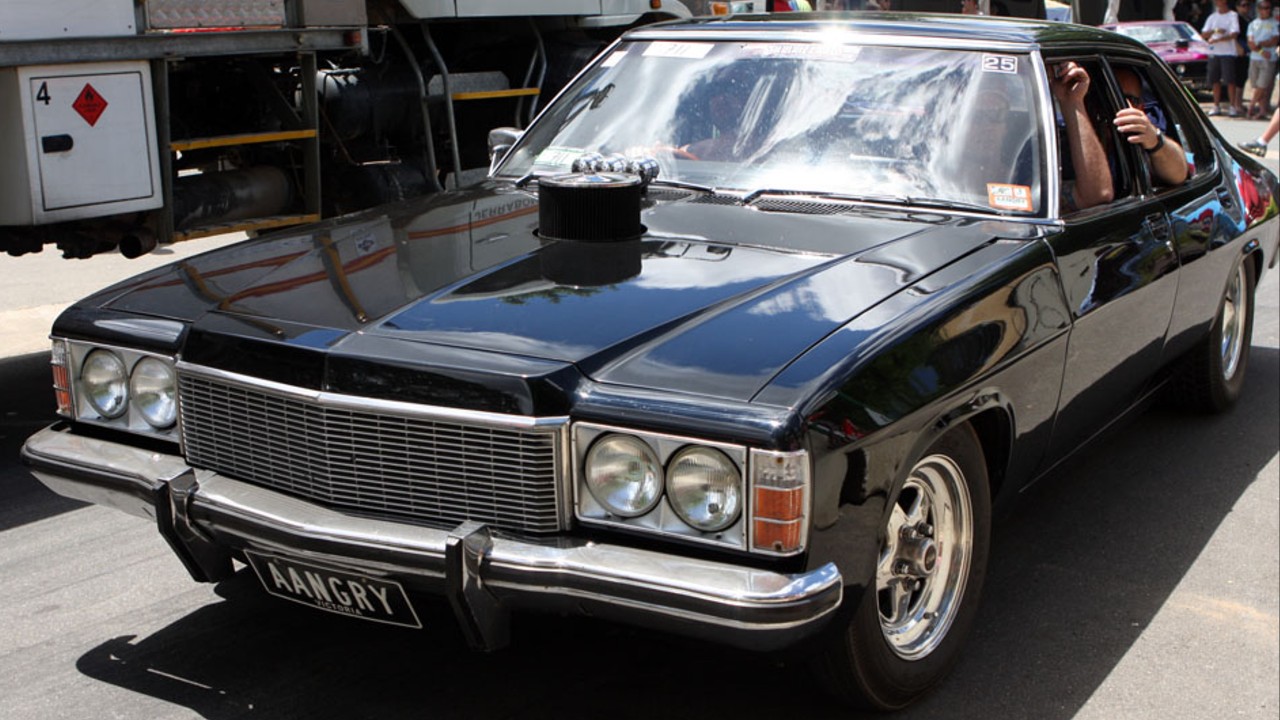
The types of vehicles used in burnout competitions are as varied as the competitors themselves. While many participants opt for classic muscle cars, such as the Holden Commodore or Ford Falcon, others choose to modify more modern vehicles to suit the demands of the competition. Customization is key, with modifications often including reinforced tires, enhanced engines, and specialized cooling systems to withstand the intense heat and stress of a burnout.
The Thrill and Appeal of Burnout Competitions
The adrenaline rush of burnout competitions is a major draw for both participants and spectators. The combination of roaring engines, billowing smoke, and the palpable tension of competition creates an electrifying atmosphere. For drivers, the challenge lies in maintaining control and precision while pushing their vehicles to their limits, a test of both skill and nerve.
Beyond the thrill, burnout competitions foster a strong sense of community and camaraderie among car enthusiasts. These events provide a platform for like-minded individuals to connect, share their passion for cars, and celebrate their shared interests. The cultural impact of burnout competitions extends into Australian popular culture and media, where they are often featured in television shows, documentaries, and social media, further cementing their status as a beloved national pastime.
Safety and Environmental Considerations
Safety is a paramount concern in burnout competitions, with strict protocols in place to protect both participants and spectators. Organizers implement measures such as barriers, fire extinguishers, and emergency response teams to mitigate risks. Drivers are also required to wear protective gear, including helmets and fire-resistant clothing, to ensure their safety during performances.
Environmental impact is another consideration, particularly regarding the tire smoke produced during burnouts. While the spectacle is a key part of the appeal, it raises concerns about air quality and sustainability. In response, some events are exploring innovations aimed at reducing environmental impact, such as using eco-friendly tires and implementing smoke filtration systems. These efforts reflect a growing awareness of the need to balance the excitement of burnout competitions with environmental responsibility.
Like Fast Lane Only’s content? Be sure to follow us.
Here’s more from us:
*Created with AI assistance and editor review.