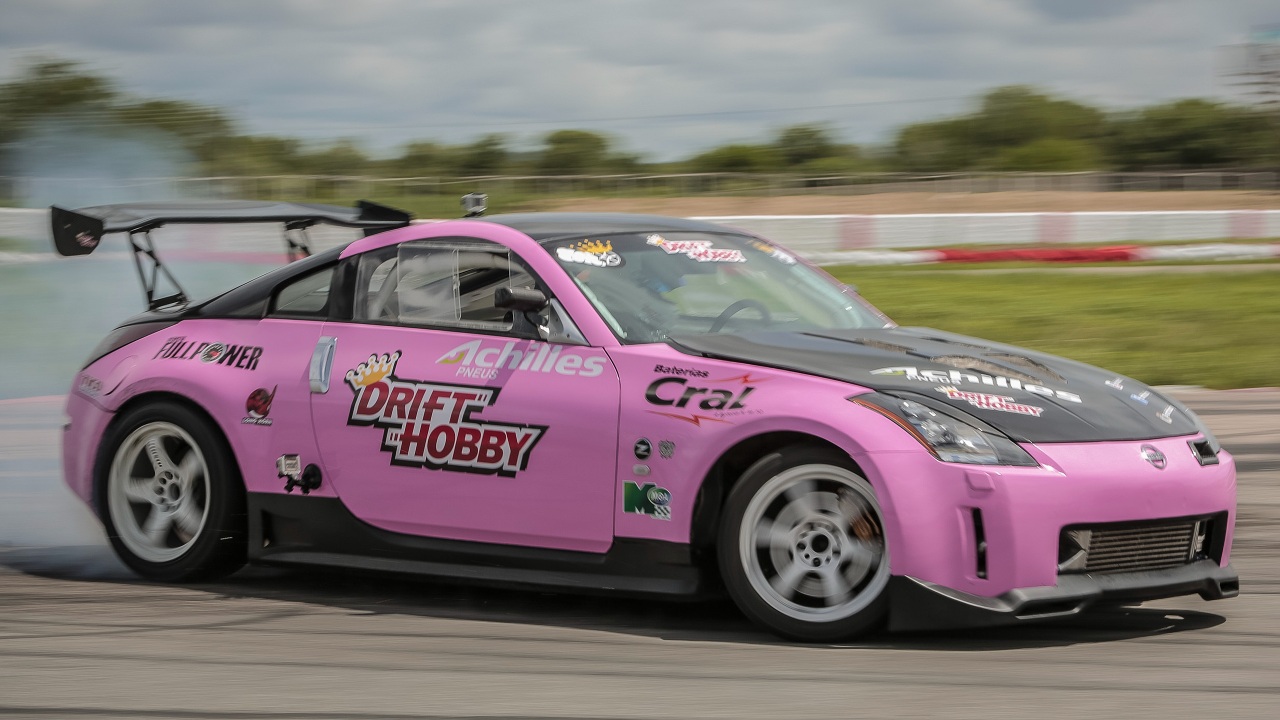
Drift culture, once a niche automotive subculture, has grown into a global phenomenon, captivating audiences with its high-octane blend of speed, style, and skill. Originating in Japan, this motorsport has transcended borders, influencing car enthusiasts and popular culture worldwide.
The Origins of Drift Culture
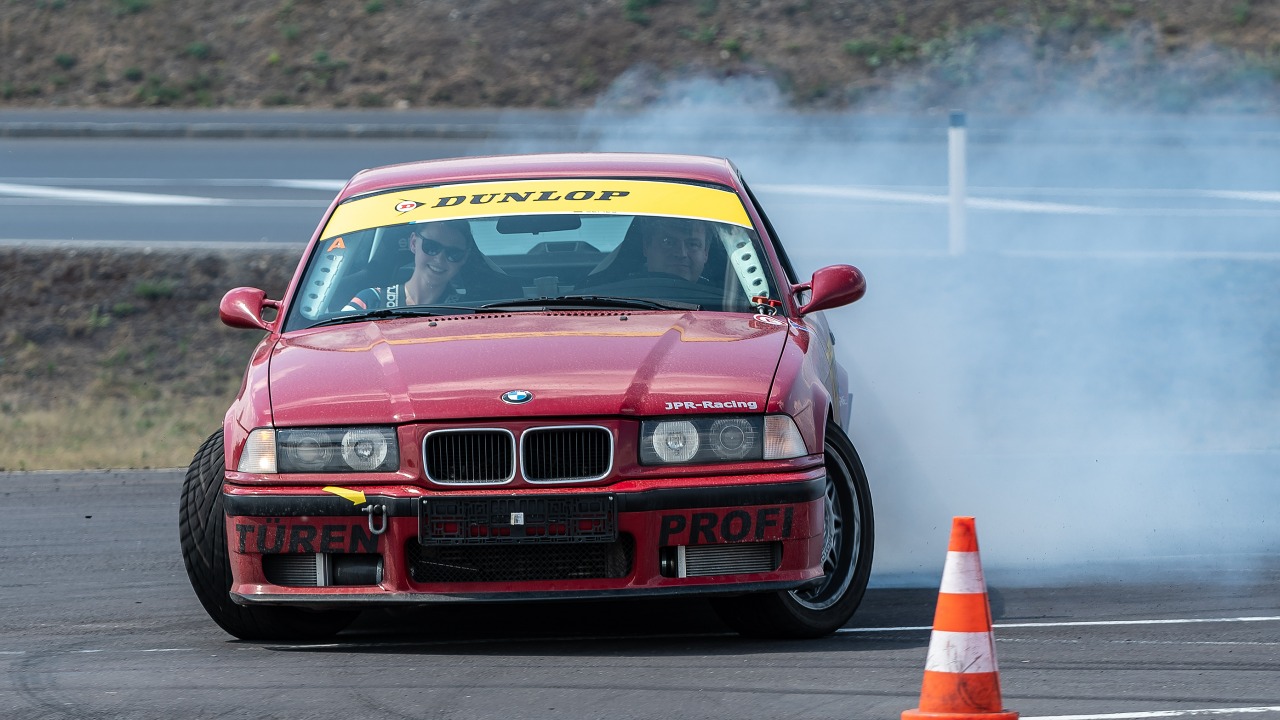
The roots of drift culture can be traced back to the winding mountain roads of Japan, where street racers sought to perfect their driving skills. Among these pioneers was Keiichi Tsuchiya, affectionately known as the “Drift King.” Tsuchiya’s innovative driving techniques and daring maneuvers on the touge, or mountain passes, laid the groundwork for what would become a global motorsport sensation. His influence was so profound that he eventually became a professional racer, further legitimizing the art of drifting.
As drifting gained popularity, it transitioned from the shadowy world of illegal street racing to the bright lights of organized motorsport. The establishment of the D1 Grand Prix in 2000 marked a significant turning point, providing a formal platform for drifters to showcase their skills. This competition not only standardized the rules and judging criteria but also helped to elevate drifting to an internationally recognized sport. The D1 Grand Prix continues to be a cornerstone of drift culture, attracting competitors and fans from around the world.
Drift Culture Goes Global
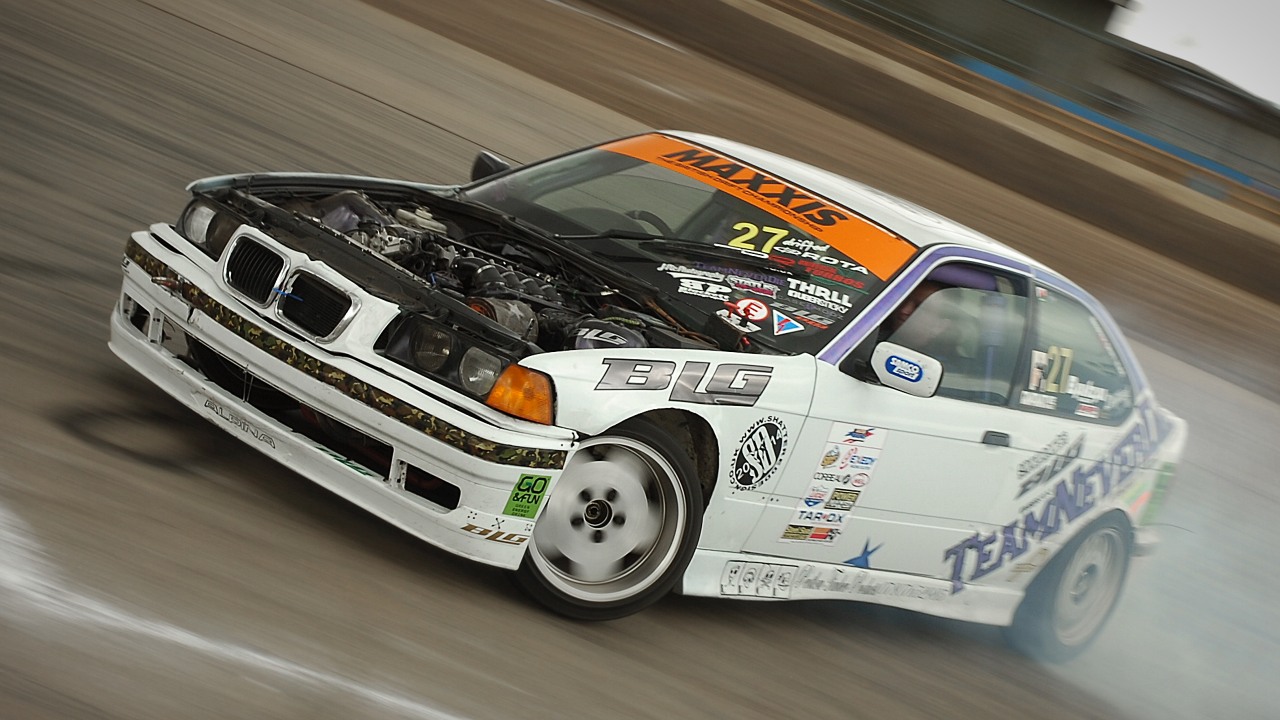
The expansion of drift culture into the United States was significantly influenced by media, particularly movies and video games. Films like “The Fast and the Furious: Tokyo Drift” introduced mainstream audiences to the thrilling world of drifting, while video games such as “Need for Speed” allowed players to experience the excitement of drifting virtually. These cultural products played a crucial role in popularizing drift culture across North America, leading to the establishment of events like Formula Drift. This series, which began in 2004, has become one of the premier drifting competitions in the world, drawing large crowds and showcasing top-tier talent.
Beyond North America, drift culture has also made significant inroads into Europe and Asia. In Europe, countries like the United Kingdom and Poland have embraced drifting, with local events and competitions attracting a dedicated following. Meanwhile, in Asia, nations such as Thailand and Malaysia have developed their own vibrant drift scenes, often incorporating unique styles and techniques. This global expansion has led to a rich tapestry of drifting cultures, each with its own distinct flavor and flair.
The Impact of Media and Technology
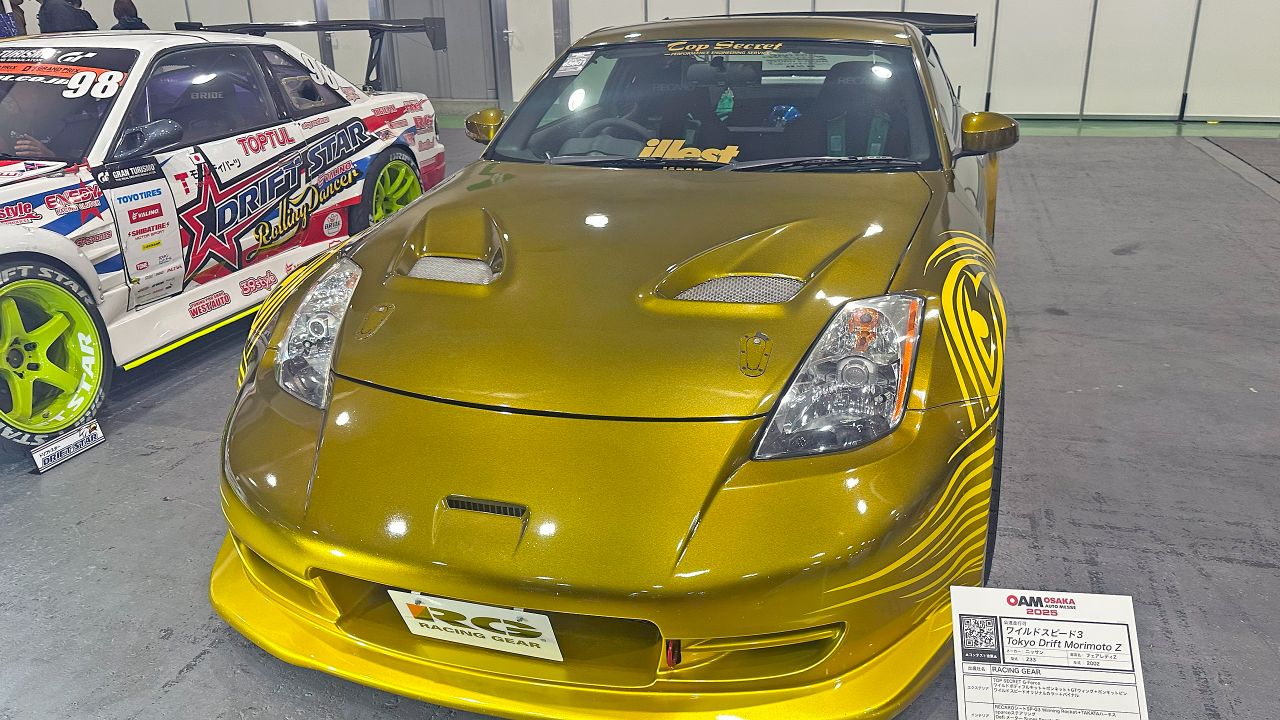
Film and television have played a pivotal role in bringing drift culture to a wider audience. The 2006 release of “The Fast and the Furious: Tokyo Drift” was a watershed moment, introducing millions to the adrenaline-fueled world of drifting. The film’s portrayal of the underground drift scene in Japan captivated viewers and sparked a surge of interest in the sport. Similarly, television programs and documentaries have helped to demystify drifting, showcasing the skill and precision required to master this challenging motorsport.
In the digital age, social media platforms like YouTube, Instagram, and TikTok have become essential tools for car enthusiasts to share their passion for drifting. These platforms allow drifters to connect with a global community, sharing videos of their exploits and exchanging tips and techniques. Online communities have also emerged, providing a space for fans to discuss the latest trends and developments in the world of drifting. This digital connectivity has helped to sustain and grow drift culture, ensuring its continued relevance in the modern era.
The Economic and Cultural Implications
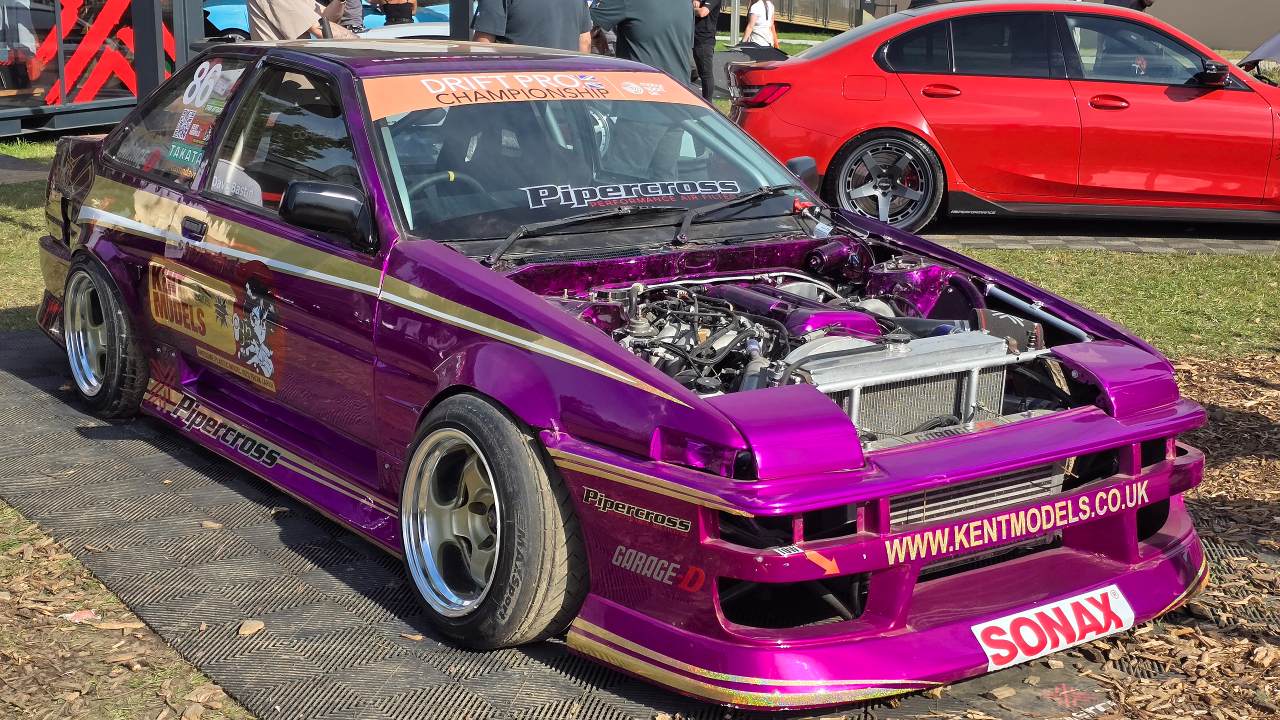
Drift events have become significant tourist attractions, drawing visitors from around the world and contributing to local economies. Major competitions like the D1 Grand Prix and Formula Drift attract thousands of spectators, generating revenue for host cities through ticket sales, merchandise, and hospitality. Additionally, these events often inspire the creation of related businesses, such as drift schools and car modification shops, further boosting economic activity.
Beyond its economic impact, drift culture also fosters cultural exchange and fusion. The global nature of drifting has led to a cross-pollination of ideas and styles, influencing fashion, music, and lifestyle trends. Drifting events often feature live music performances and fashion shows, creating a vibrant cultural atmosphere that appeals to a diverse audience. This cultural exchange enriches the drift scene, making it a dynamic and ever-evolving subculture.
The Future of Drift Culture
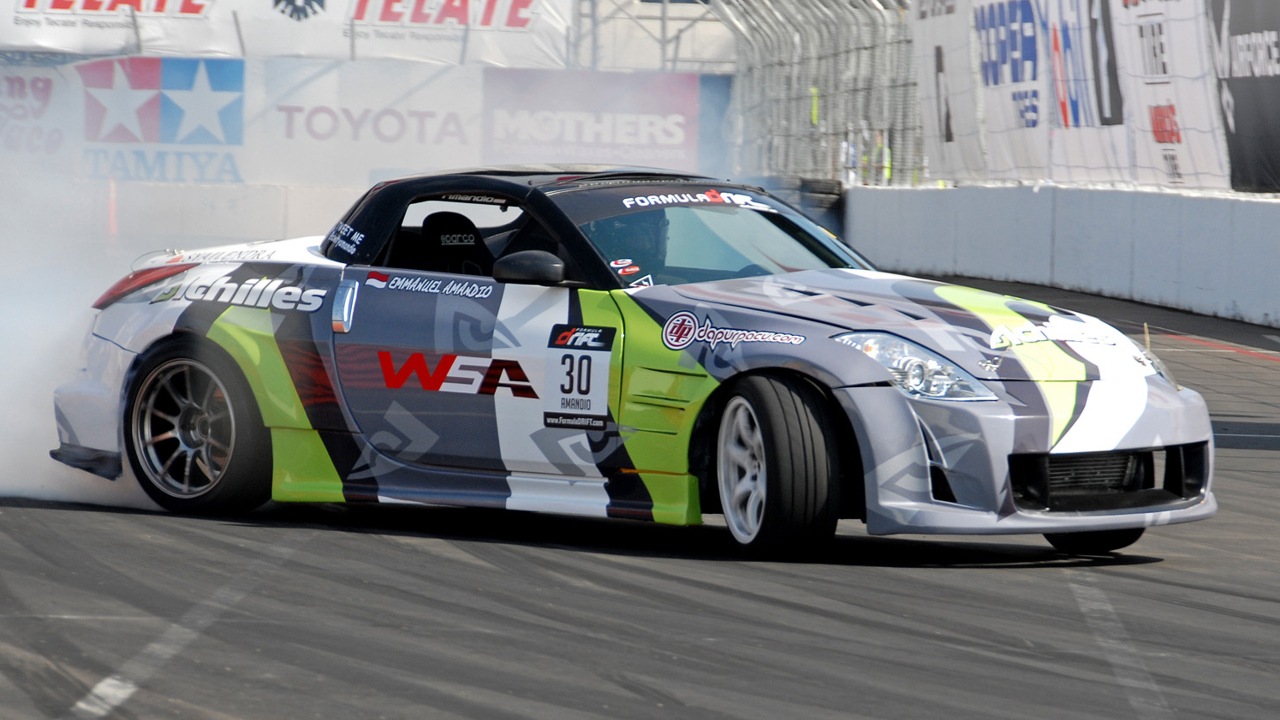
As automotive technology continues to advance, the future of drifting is poised for significant change. The rise of electric vehicles presents both challenges and opportunities for the sport. While electric cars offer the potential for increased performance and reduced environmental impact, they also pose questions about the traditional aspects of drifting, such as engine sound and manual gear shifting. Innovators in the industry are exploring ways to adapt drifting to this new technological landscape, ensuring its sustainability for future generations.
Despite its growth and popularity, drift culture faces several challenges, including safety concerns and environmental impact. The high-speed nature of drifting can pose risks to both participants and spectators, necessitating stringent safety measures and regulations. Additionally, the environmental impact of motorsport events is an ongoing concern, prompting organizers to explore more sustainable practices. However, these challenges also present opportunities for growth and innovation, as the drift community continues to evolve and adapt to changing circumstances.
Like Fast Lane Only’s content? Be sure to follow us.
Here’s more from us:
*Created with AI assistance and editor review.