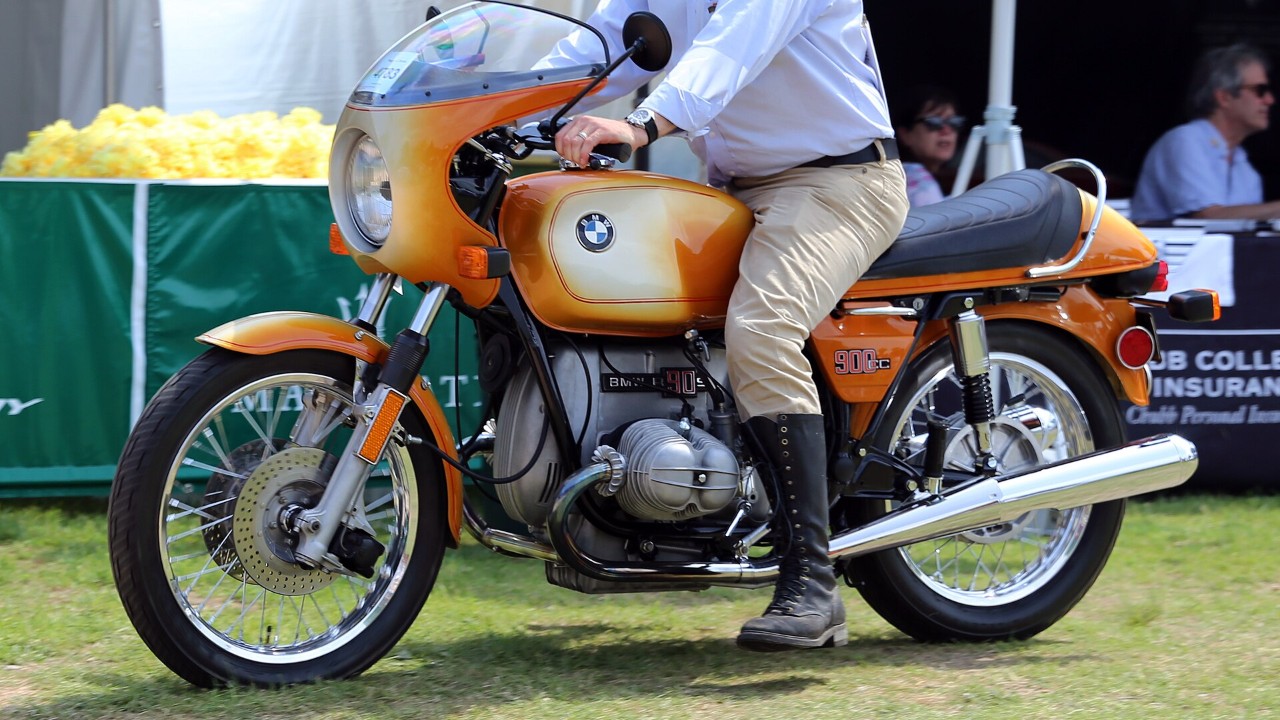
BMW boxer motorcycles started with a single model shown at the Berlin Motor Show in September 1923. Over the next 50 years, the flat twin grew from 494 cc and 8.5 hp to 898 cc and 67 hp. Even so, BMW’s own history calls that boxer engine the maker’s main characteristic.
These nine BMW boxer models mark key steps along the way, from the first R 32 to the R 90 S of 1973. Every figure here comes from BMW’s own heritage records, and each entry names the detail BMW itself points to.
1. 1923–1926 BMW R 32, the first BMW boxer motorcycle
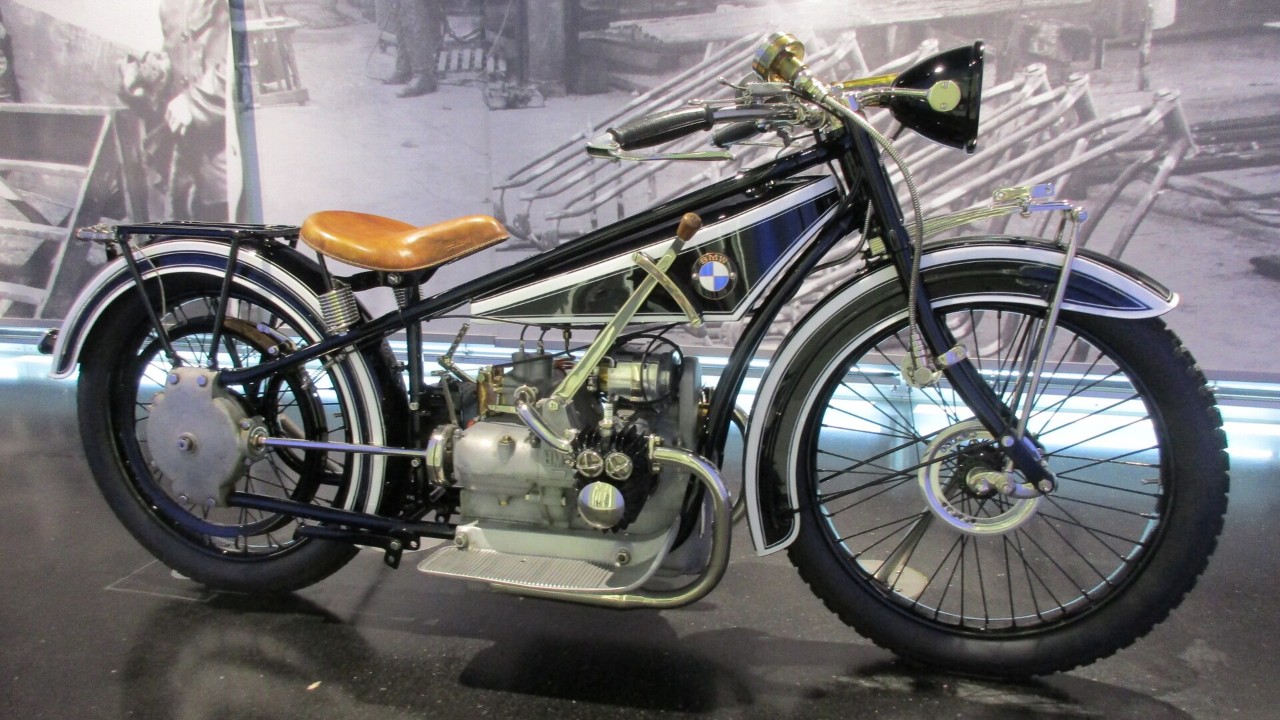
BMW was an aero-engine maker when Max Friz designed its first motorcycle. Rather than start from scratch, he took a boxer twin BMW had been supplying to other makers. Then he turned it sideways, added a three-speed gearbox and sent power to the rear wheel through a shaft instead of a chain.
The result displaced 494 cc and made 8.5 hp at 3,200 rpm, according to BMW Group Classic’s R 32 page. It could reach 95 km/h (58 mph), and it cost 2,200 reichsmarks.
2. 1925–1926 BMW R 37
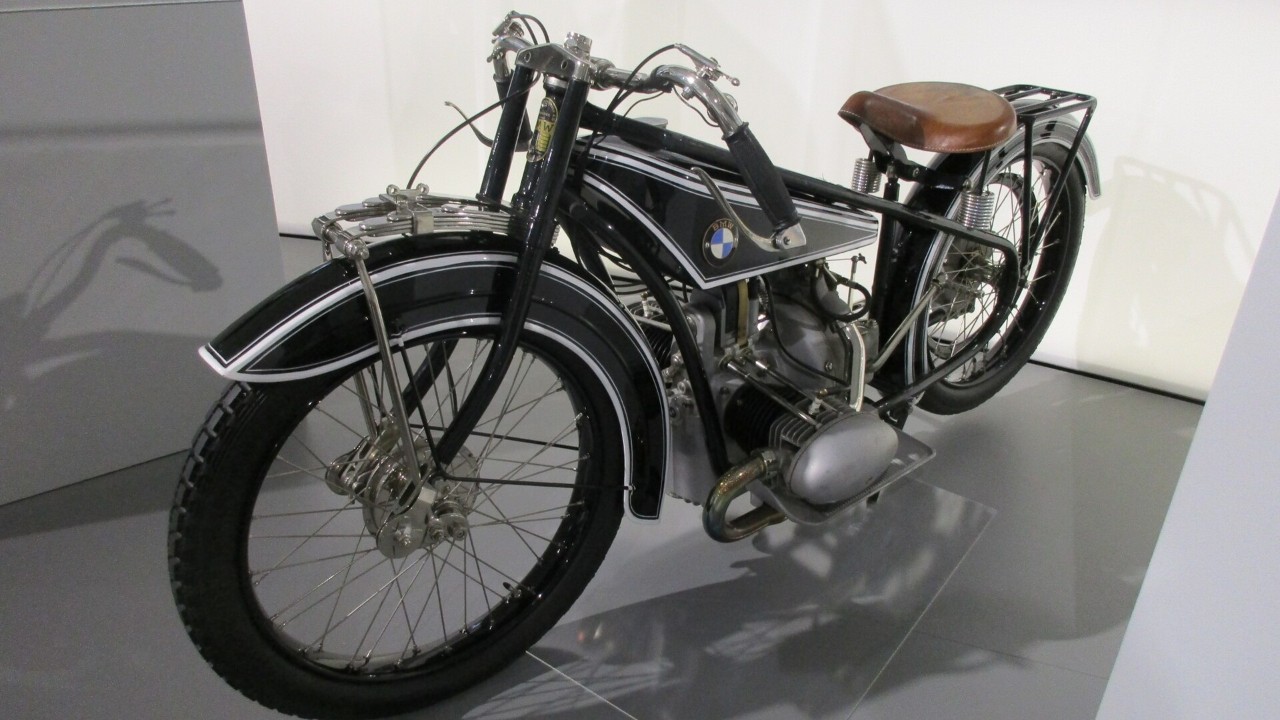
Rudolf Schleicher, an engineer and active racer, took charge of the next step. His R 37 used overhead valves in light-alloy cylinder heads. In fact, BMW Motorrad’s 1920s history calls those aluminium heads a world first in standard motorcycle production.
Power nearly doubled to 16 hp at 4,000 rpm from the same 494 cc. However, the 2,900-reichsmark price held sales to 152 units, says BMW Group Classic. Still, the design became the basis for BMW’s racers, and BMW won every German 500 cc championship from 1924 to 1929.
3. 1935–1942 BMW R 12
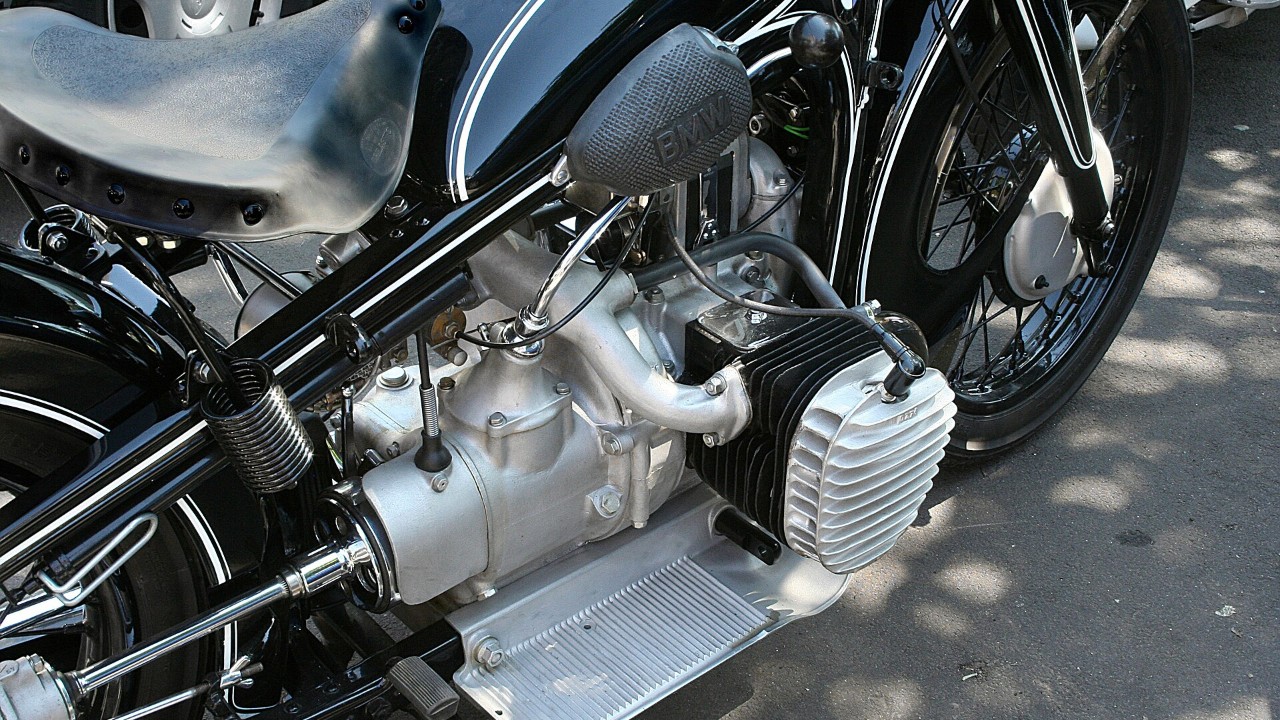
The R 12 moved the BMW boxer up to 745 cc. With one carburetor it made 18 hp at 3,400 rpm, and with two it made 20 hp at 4,000 rpm. It also used a pressed steel frame and the engine from the earlier R 11.
BMW presented it as the world’s first motorcycle with a telescopic front fork and oil damping. By 1942, BMW had built 36,000, and the military and other government agencies bought most of them. As a result, BMW Group Classic names it the company’s best-selling motorcycle of the prewar era.
4. 1936–1937 BMW R 5
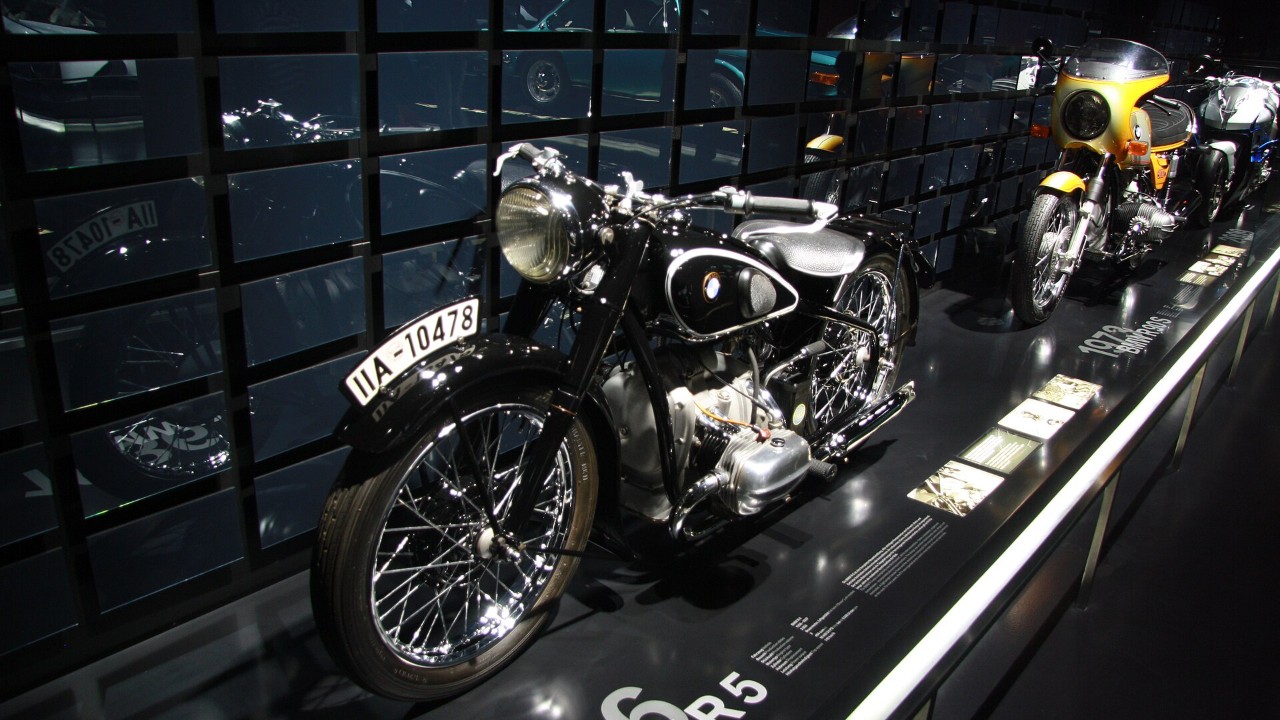
After a six-year gap in its sports line, BMW returned with the R 5 in 1936. Its 494 cc boxer used two camshafts and made 24 hp. Riders also got a foot-operated gear shift and a telescopic fork.
BMW singles out the frame, which used arc-welded oval tubes. According to BMW Group Classic’s R 5 page, that chassis played a pioneering role in development for the next three decades. The R 5 cost 1,550 reichsmarks.
5. 1941–1944 BMW R 75 sidecar
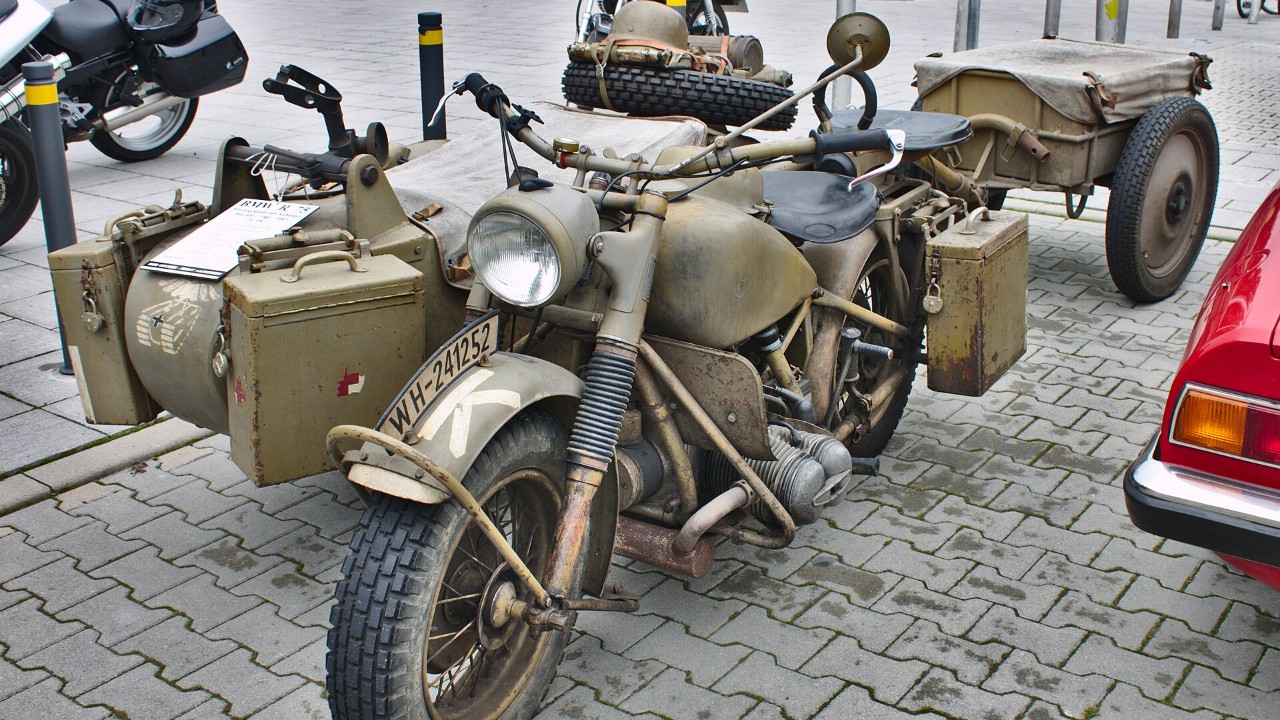
In 1941, BMW ended civilian motorcycle production to build for the German armed forces. The R 75 was the result, a 745 cc, 26-hp boxer built as a sidecar combination. Its sidecar wheel was powered, and the gearbox offered off-road and road ratios plus a reverse gear.
BMW Group Classic calls it the most complex BMW motorcycle of its era. Production began in Munich, then moved to Eisenach in October 1942 to help with aero-engine manufacturing. By the time output ended in 1944, about 18,000 had been built, according to BMW Group Classic’s R 75 page.
6. 1952–1954 BMW R 68
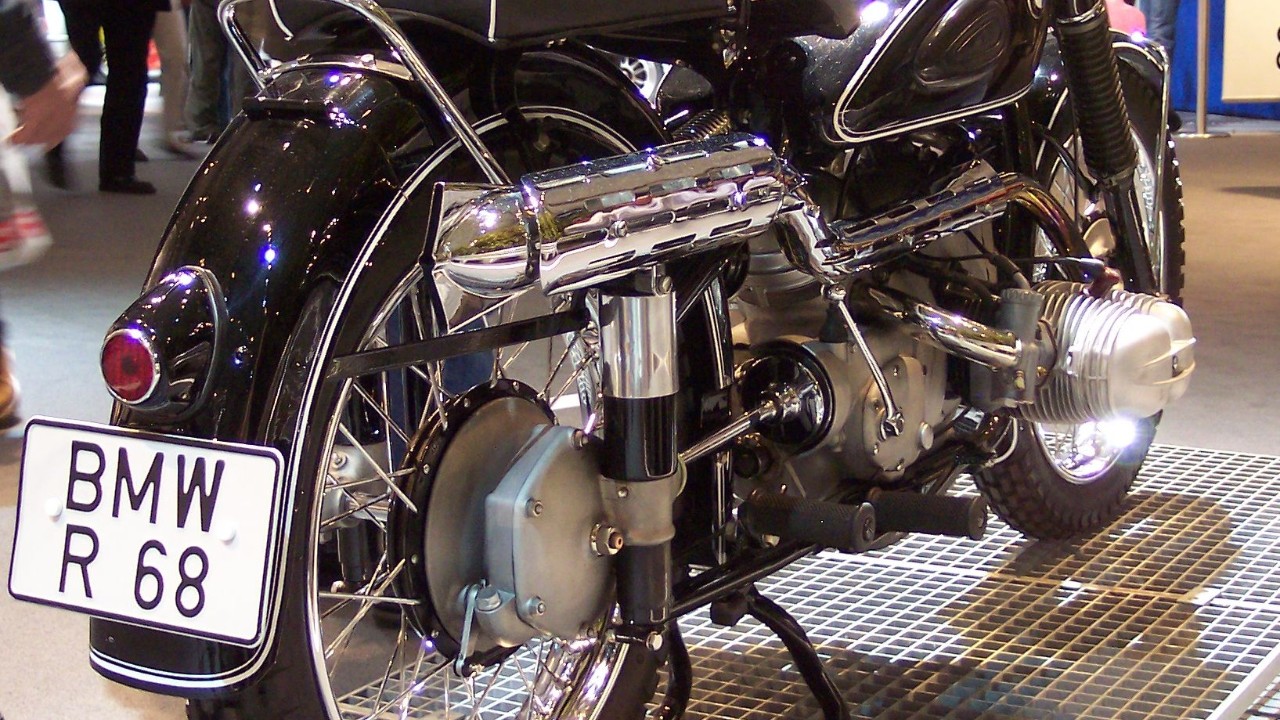
BMW launched the R 68 in 1951 as its long-awaited “100 Mile Racer.” The 594 cc twin made 35 hp at 7,000 rpm. That was enough for a top speed of at least 160 km/h, or 100 mph, in a series model.
The aim, BMW says, was to stay ahead of the English makes. Buyers could add an elevated two-into-one exhaust. However, the price of 3,950 marks kept ownership to a select few, as BMW Group Classic’s R 68 page puts it.
7. 1960–1969 BMW R 69 S
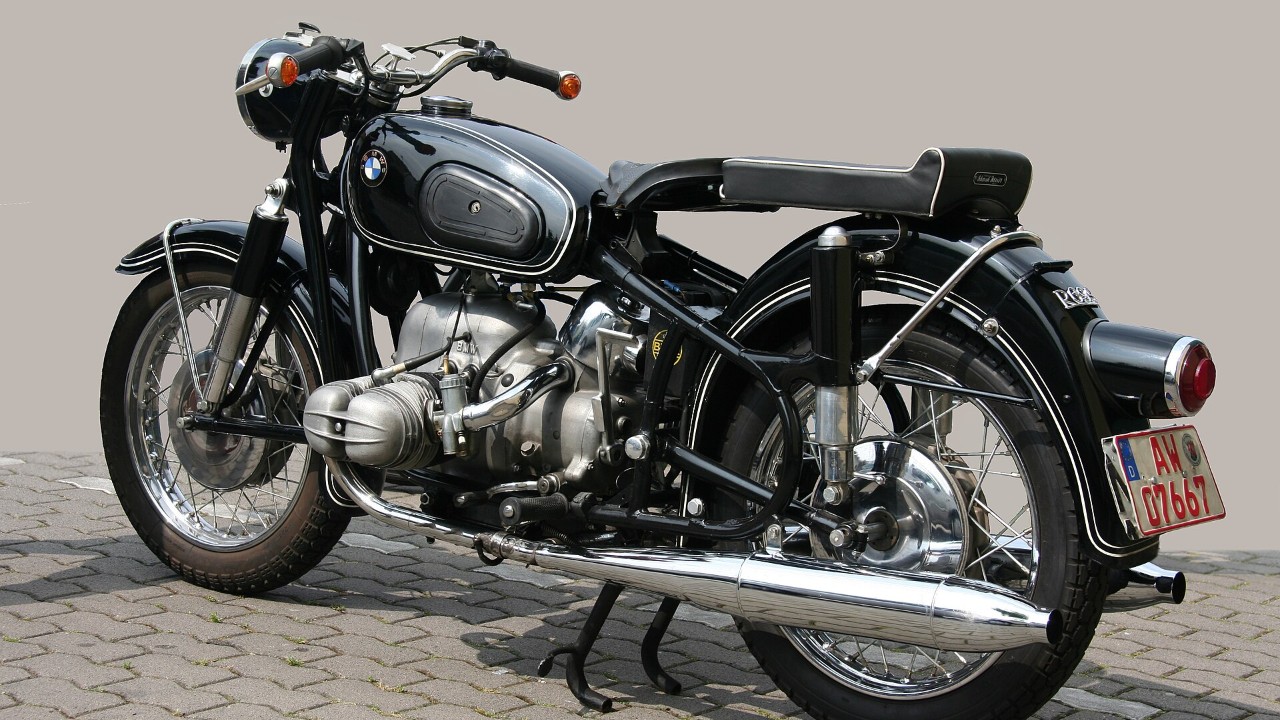
The R 69 S took the 594 cc boxer to 42 hp at 7,000 rpm. Its top speed was 175 km/h (107 mph), and BMW describes it as the fastest German series machine of its era. BMW also credits a new hydraulic steering damper with good control during spirited riding.
It also changed how a BMW looked. According to BMW Group Classic’s R 69 S page, it was the first model offered with a twin seat and white paint. Before that, white had been reserved for government agencies.
8. 1969–1973 BMW R 75/5
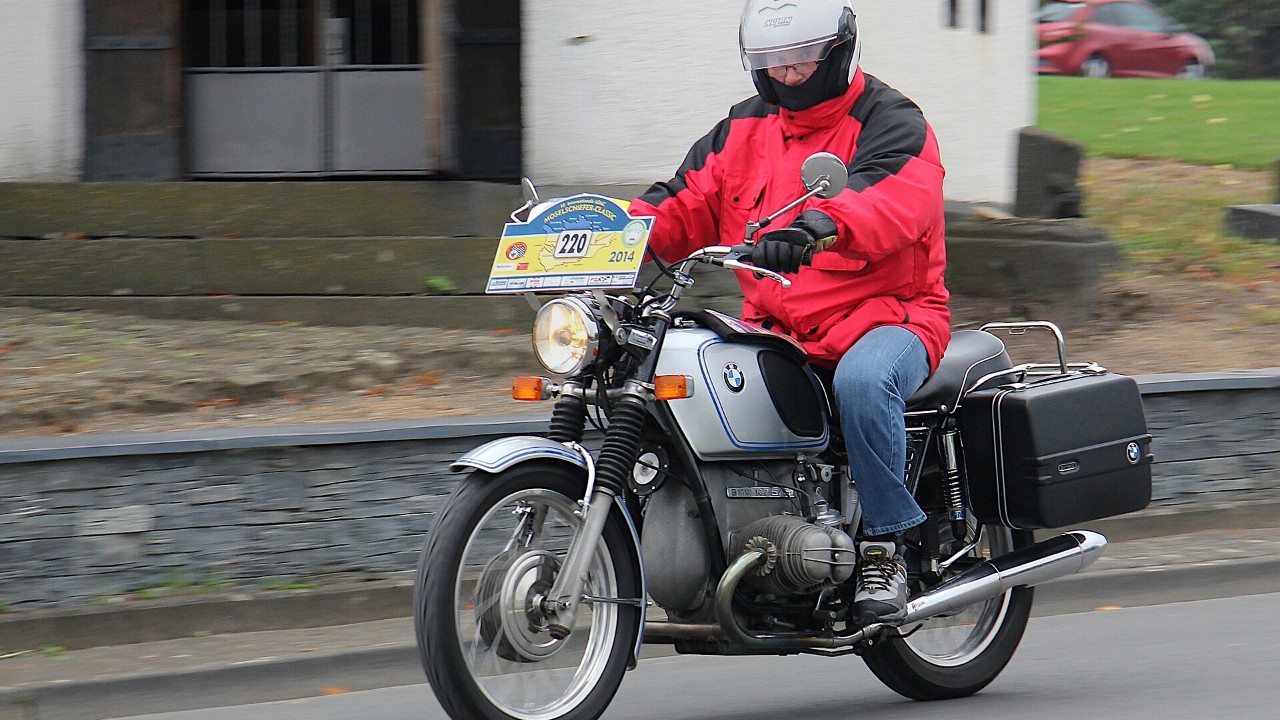
BMW launched an all-new /5 series in 1969. Its history pairs that launch with a new home in Berlin-Spandau, where aircraft engines had been built until 1945. The top model, the R 75/5, used a 745 cc boxer making 50 hp at 6,200 rpm. It could reach 175 km/h, and it cost 4,996 marks.
At the time, sales of motorcycles had been falling, and riders saw them more as sport and leisure machines. For the first time in BMW’s history, the flagship was the best seller of its series, according to BMW Group Classic’s R 75/5 page.
9. 1973–1976 BMW R 90 S
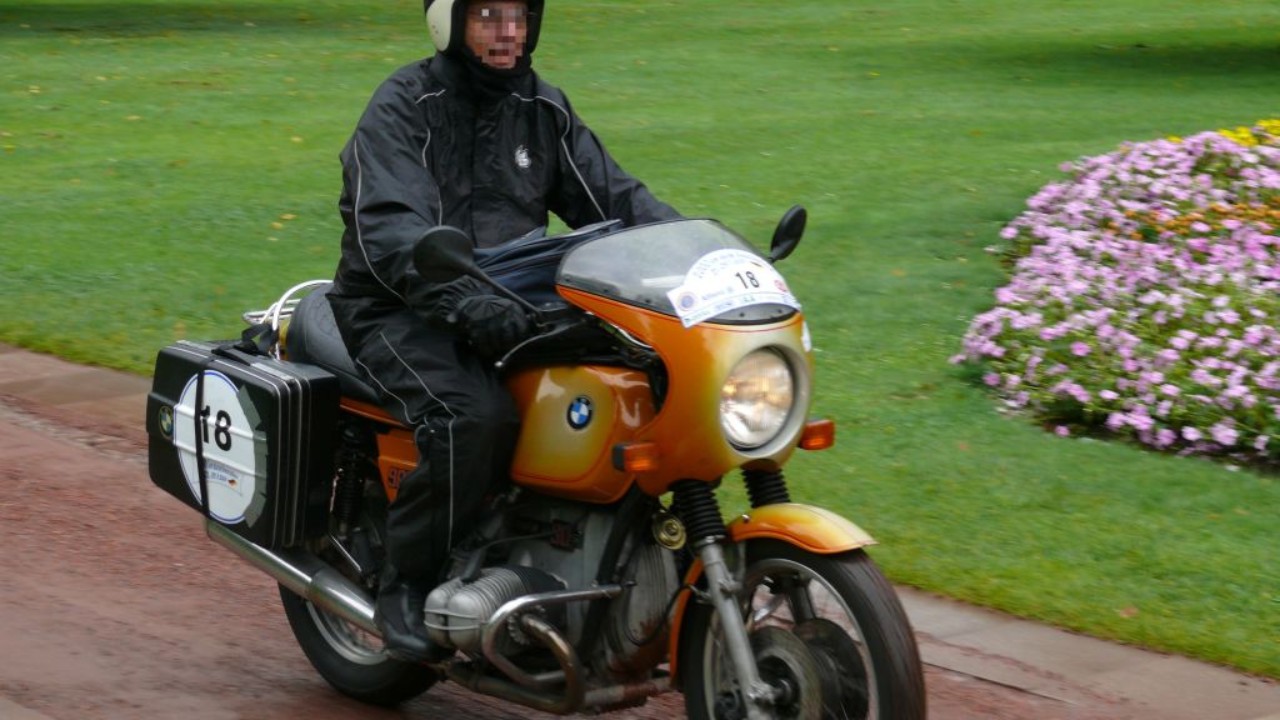
The R 90 S was the first BMW over 750 cc and the first to reach 200 km/h. Its 898 cc boxer made 67 hp at 7,000 rpm. In addition, twin front disc brakes handled the stopping, according to BMW Motorrad’s 1970s history.
It was also the first time BMW Motorrad hired a designer. Hans Muth gave it what BMW calls the world’s first series cockpit fairing mounted to the handlebars. Silver Smoke Metallic came first, and Daytona Orange followed from 1975. According to BMW Group Classic, the R 90 S was priced at 9,130 marks.
More from Fast Lane Only