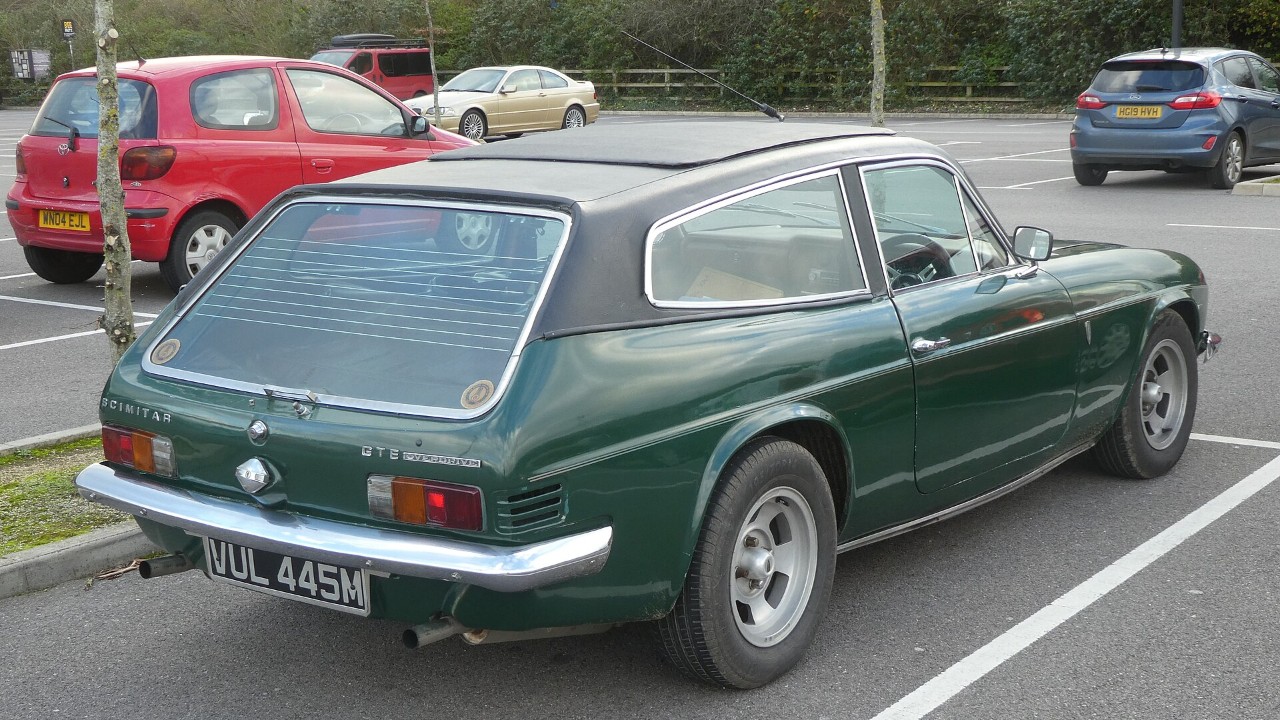
Britain’s small sports car firms built the twelve cars below between 1949 and 1979, and the run ends with the Reliant Scimitar GTE and the Lotus Eclat. In fact, several of them came off the line in the dozens or the low hundreds. That’s why each entry here leads with the production figure or spec the records give, rather than with a story about who owns one now.
You won’t find a Spitfire, an MGB or an E-Type on this list. Instead, it leans on smaller makers such as Turner, Elva, Ginetta and Marcos, plus a few less-seen models from bigger names.
1. 1949–1950 Healey Silverstone
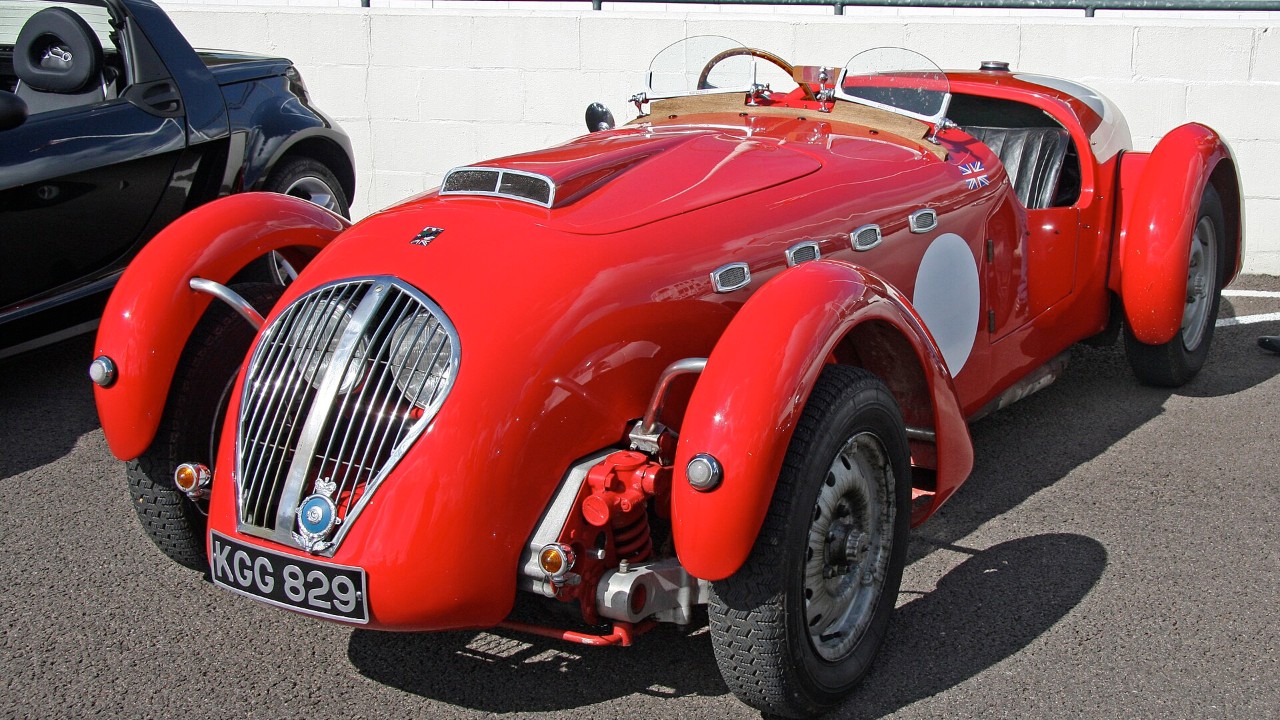
The Healey Silverstone was a hand-built two-seater with an aluminum body and very little room for luggage. It also had no front bumper. Instead, the spare tire sat flat in the tail and did the job of the rear bumper.
Power came from a twin high-camshaft Riley 2.5-liter four rated at 104 hp, and the car weighed 2,050 pounds, according to Conceptcarz. It also lists about 105 cars built and a top speed of around 105 mph. New, a Silverstone cost $4,000. By comparison, the same site puts the average auction result for a 1950 car at $148,876.
2. 1950–1954 Jowett Jupiter
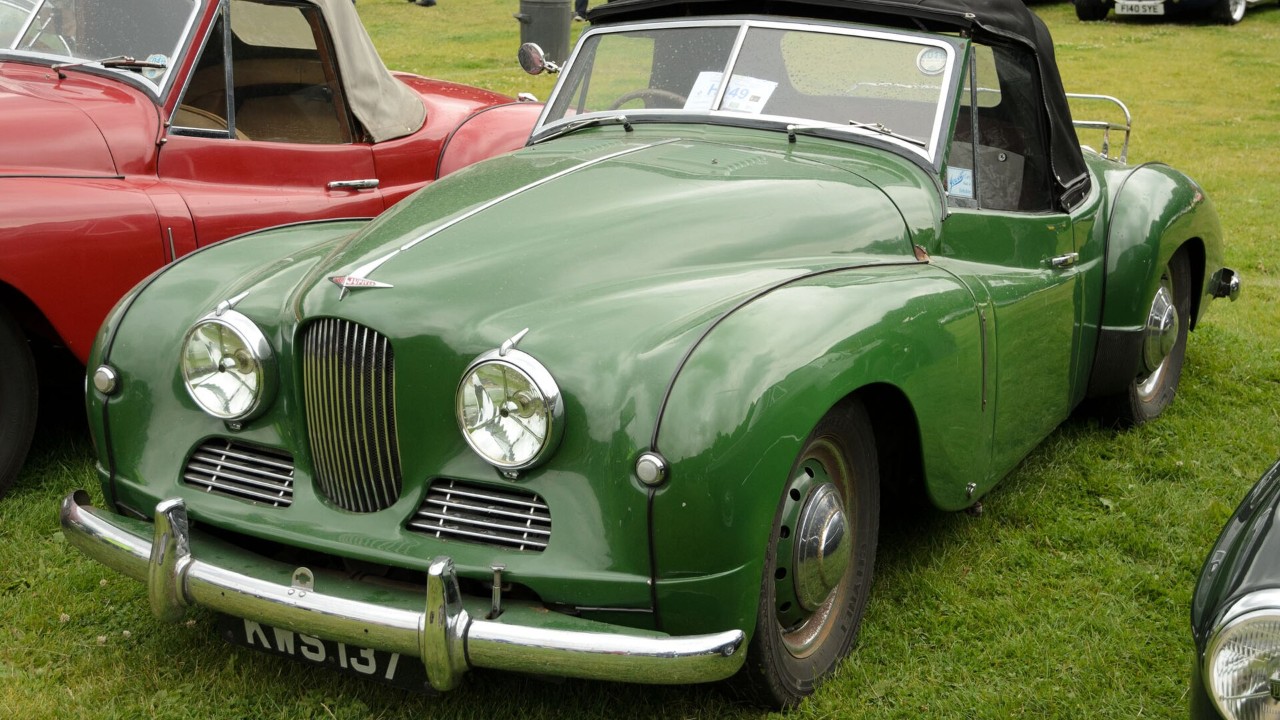
Robert Eberan von Eberhorst developed the roadster, and Jowett gave it a water-cooled 1,485 cc flat-four with twin Zenith carburetors. Output, though, was 60 to 62 hp at 4,500 rpm.
It went racing straight away. In fact, a Jupiter won its class at the 1950 Le Mans 24 Hours on its first outing and won the class again in 1951, Hagerty UK reports. Jowett built 899 Jupiters, and 281 of them went to the United States. In 1950 the list price was £1,017.
3. 1953–1955 Bristol 404

The Bristol 404 is the only short-wheelbase two-liter Bristol, and the company made just 51 of them between 1953 and 1955. Also, its alloy coachwork sat on an ash frame. Meanwhile, its radiator intake borrowed the shape of the Brabazon’s air intakes.
Under a bonnet scoop sat tall triple Solex carburetors feeding the two-liter six. Depending on specification, it made 105 to 125 bhp at 5,000 rpm, the Bristol Owners Heritage Trust says. The front wings also hid the spare wheel on the left and the battery on the right. Top speed was 105 mph, and the price was £3,542 15s 10d.
4. 1954–1963 AC Aceca
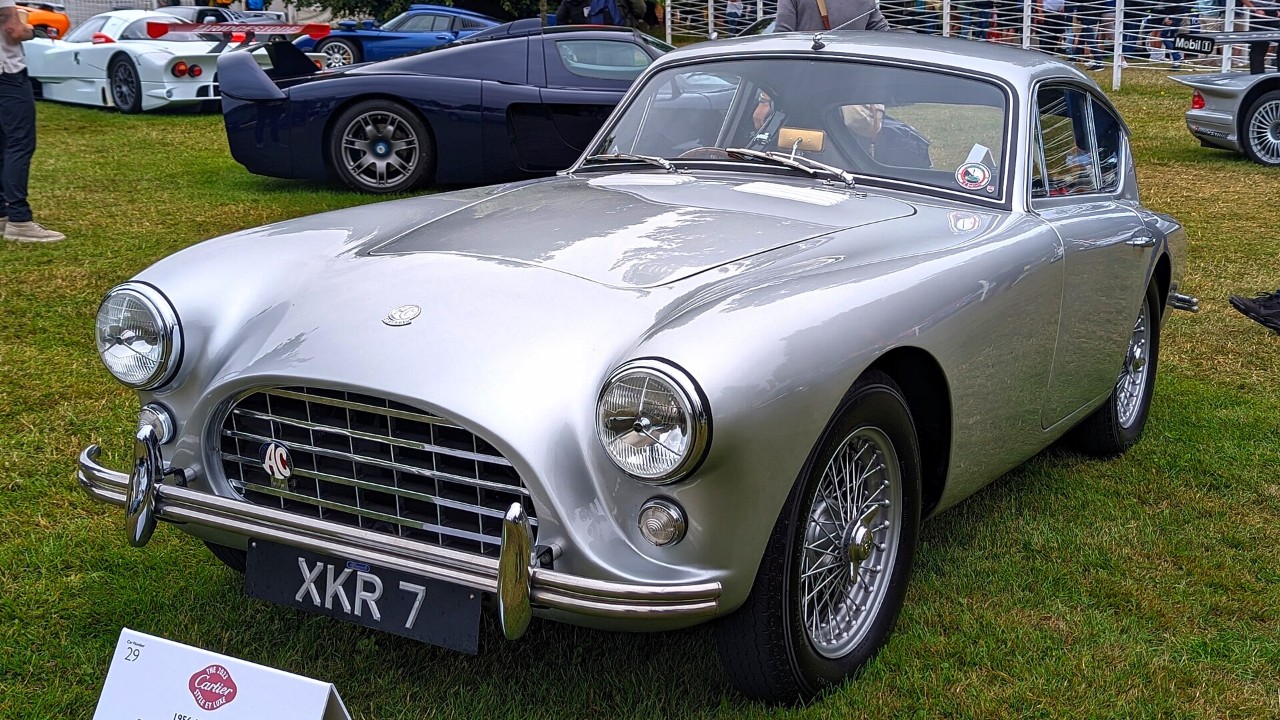
AC turned its open Ace into a closed GT for the 1954 Earls Court Motor Show. The Aceca used a tubular steel frame under a hand-formed aluminum body, and it had a rear hatch. Later, in 1957, front disc brakes arrived.
Three engines went into it, and each got its own count. Conceptcarz lists 151 cars with AC’s own 1,991 cc overhead-cam six, rated at 90 hp. It also lists 169 Aceca-Bristols and just 8 with Ford power. At the same time, the market can be thin: a restored car offered by Bonhams in Scottsdale in 2013, estimated at $85,000 to $100,000, did not sell.
5. 1958–1959 Turner 950
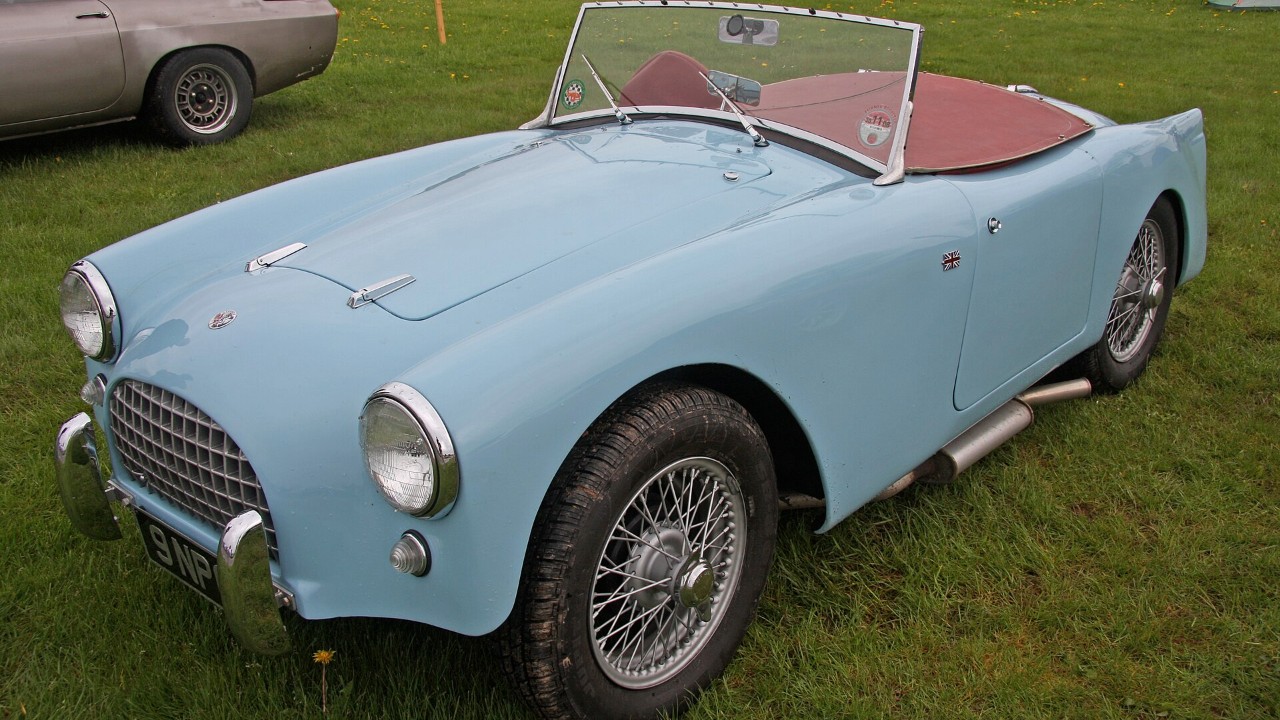
Jack Turner’s small firm updated its 803 Sports in 1958 with BMC’s new 948 cc A-Series engine. The result was the Turner 950. In standard form that engine made 43 hp. However, buyers could order tuned versions, and Coventry Climax engines were also offered.
About 170 Turner 950s were made, according to Hagerty. Across the whole run from the 950 to the end of the Mk III, Turner built about 700 cars. Hagerty believes perhaps 275 still exist. The 950 body was retired in 1959, and Turner closed the operation in 1966.
6. 1958 Elva Courier
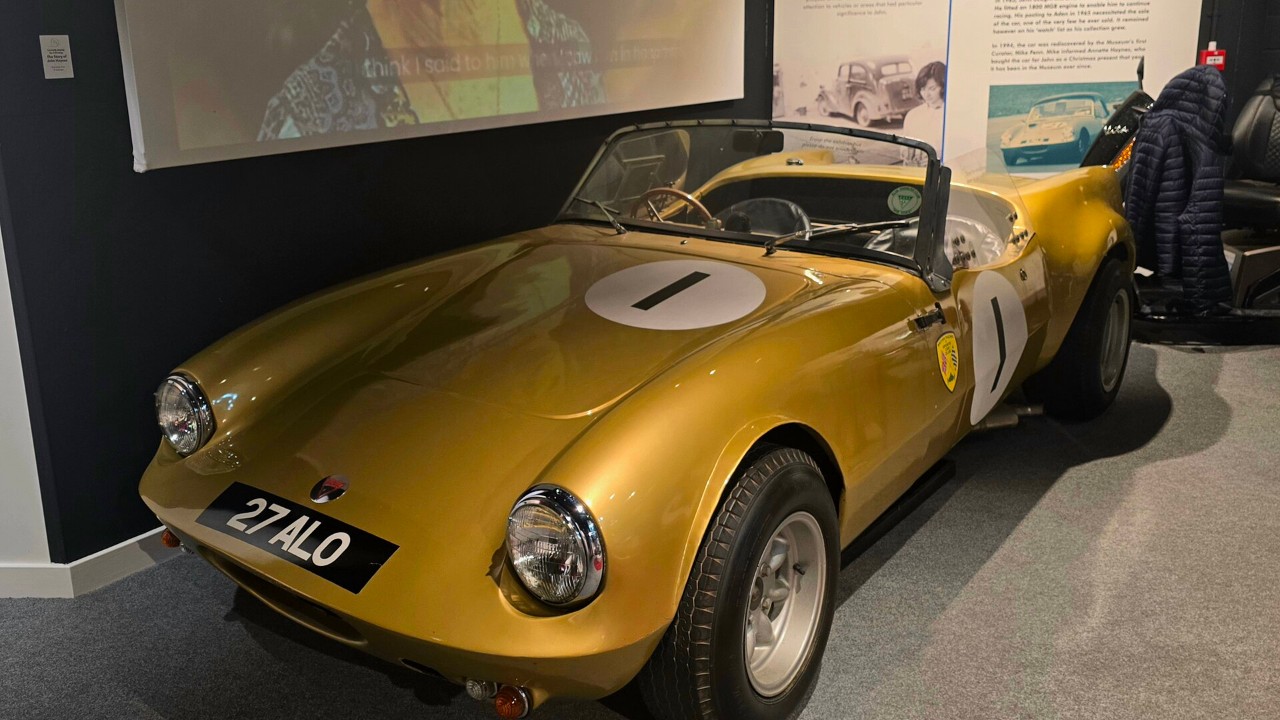
Frank Nichols ran a garage in Bexhill and wanted to go racing, so he started Elva. The name came from the French “Elle va,” or “She goes.” His Courier road car arrived in 1958 with a fiberglass body on a tubular chassis.
The first cars used the 1,489 cc B-Series engine from the MGA. Elva mounted it far back for 50/50 weight distribution, Hagerty UK explains. Many then went to the United States through the importer Continental Motors. After Nichols went bust, Trojan took over and launched the Series 3 in 1962. Later, the Mk IV T-Type offered a 1,798 cc MGB engine. The last owner, Ken Sheppard, built 26 more before production ended in early 1968.
7. 1961–1963 Ginetta G4
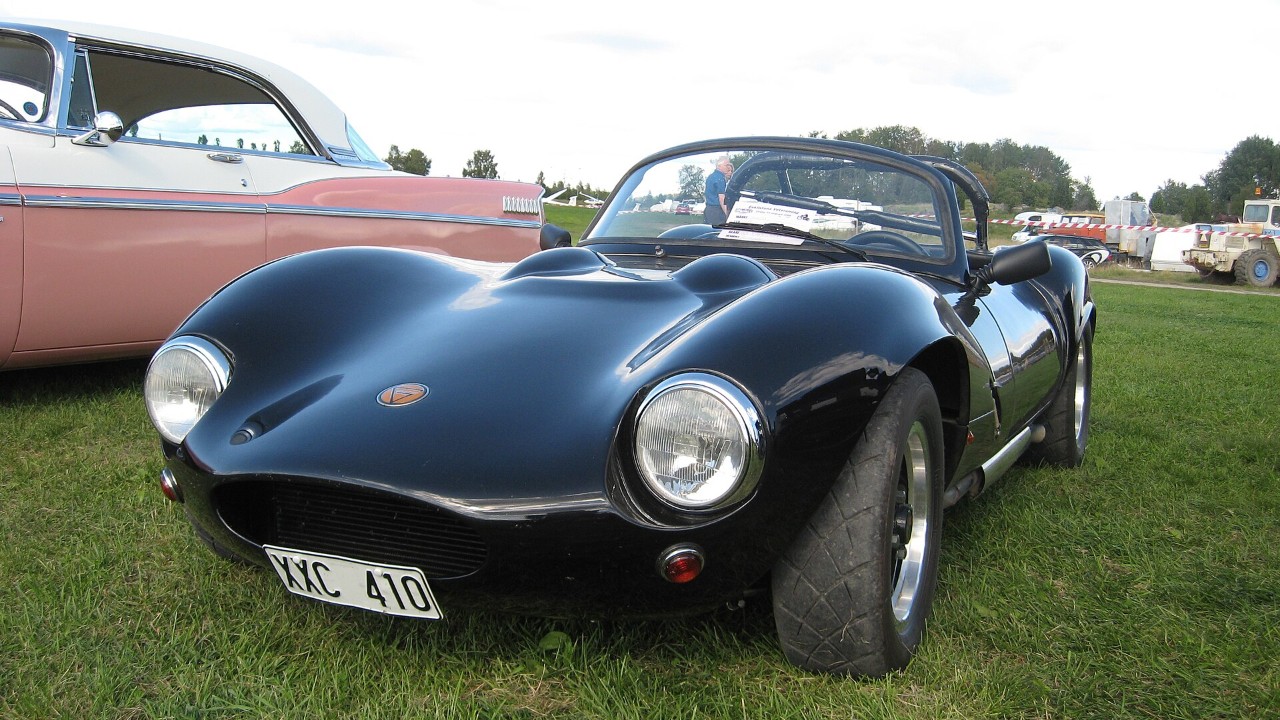
Ginetta first planned to use a 750 cc Coventry Climax engine in the G4. That engine never reached production. As a result, the car went on sale with the Ford Anglia’s 105E four.
According to the Ginetta owners’ register, the Series 1 ran from 1961 to 1963, and about 200 were built. Its 997 cc overhead-valve Ford engine sat in a multitube space frame under a glass-fiber body. Buyers could pick a roadster or a fastback coupe.
8. 1964 Marcos 1800
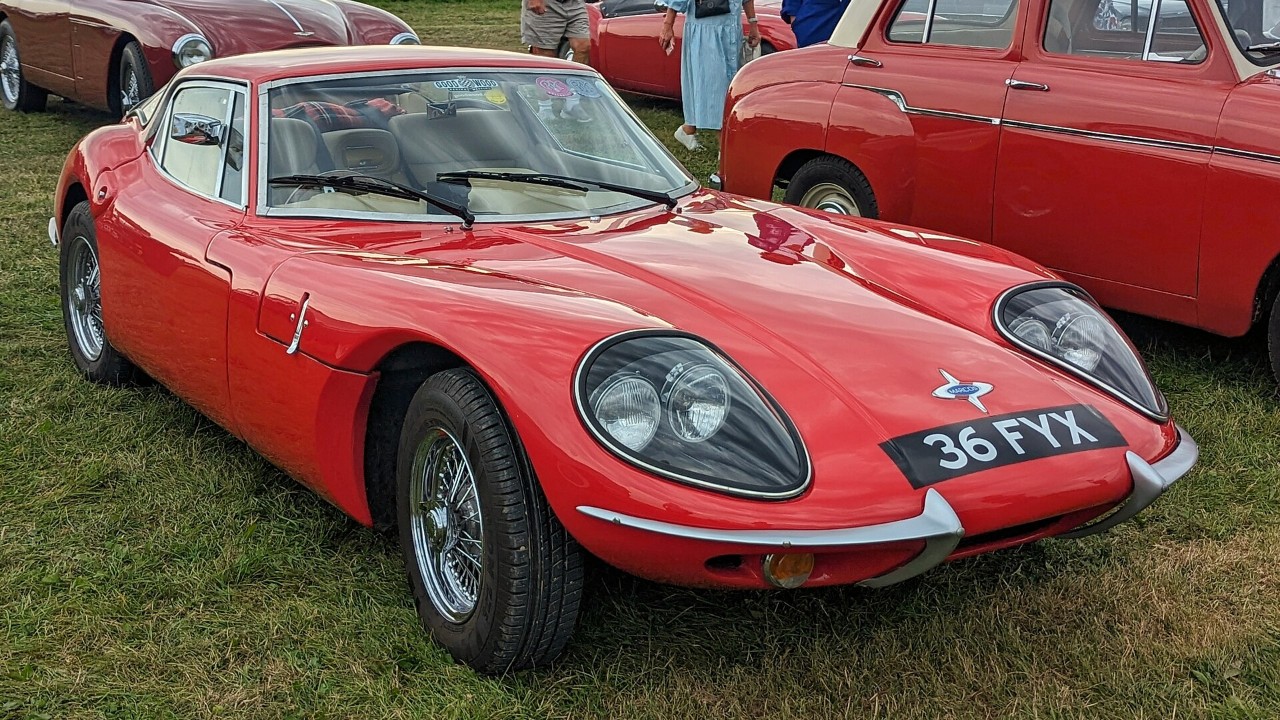
Marcos built the 1800 around a wooden chassis. Specifically, it was a monocoque made from marine plywood panels of different thicknesses, and the one-piece fiberglass body was bonded to it at every point. The rear suspension was a Marcos-made de Dion-style layout.
Power came from a Volvo pushrod four of 1,783 cc with twin Zenith-Stromberg carburetors. It made 110 bhp in standard form, Motor Sport reported in its April 1965 test. The car stood 41.5 inches tall and ran the standing quarter-mile in 16.9 seconds. With purchase tax, it cost £2,283 2s 5d. A kit version was £1,865.
9. 1964–1967 Austin-Healey 3000 Mk III
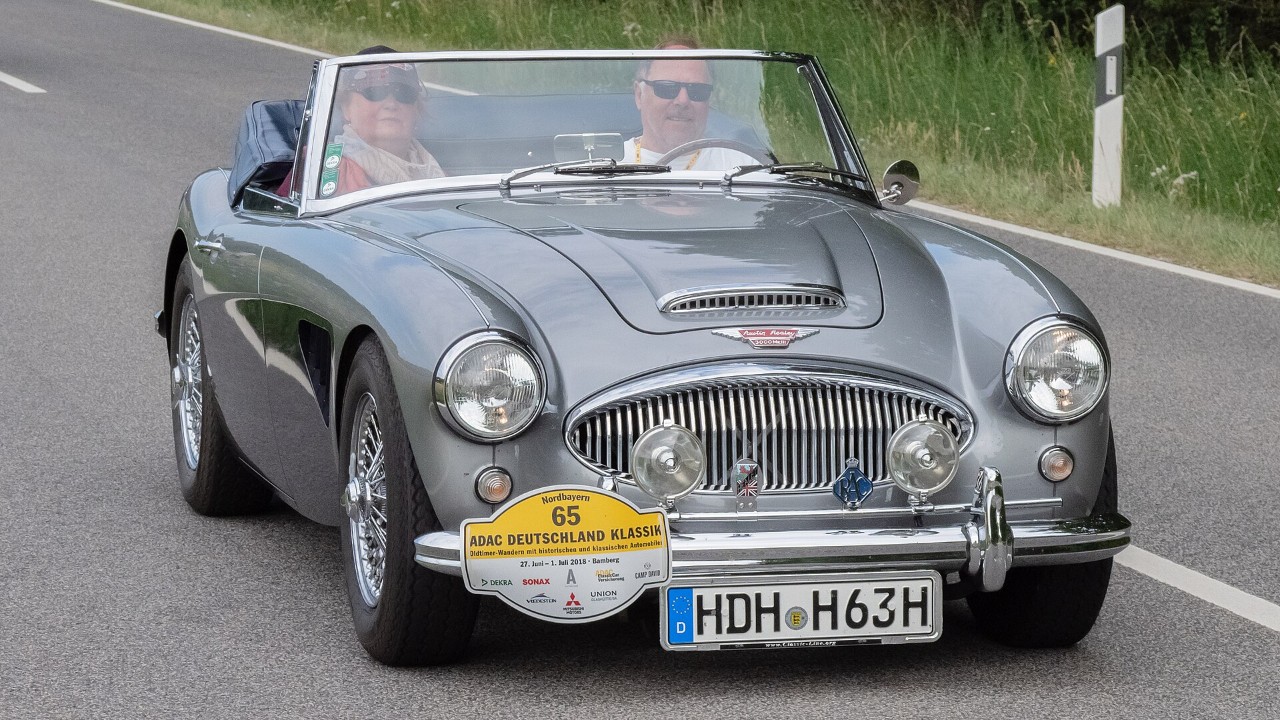
The BJ8 Mk III brought a burl walnut dash, a lockable glovebox, a center console and key starting. Partway through the run, radius arms also replaced the Panhard rod at the rear.
Its 2,912 cc six made 148 bhp at 5,250 rpm, with a top speed of 121 mph. Supercars.net counts 17,712 built, just over 24 percent of all big Healeys. Production ended in December 1967, but the last car was built in March 1968.
10. 1967 Lotus Europa S1
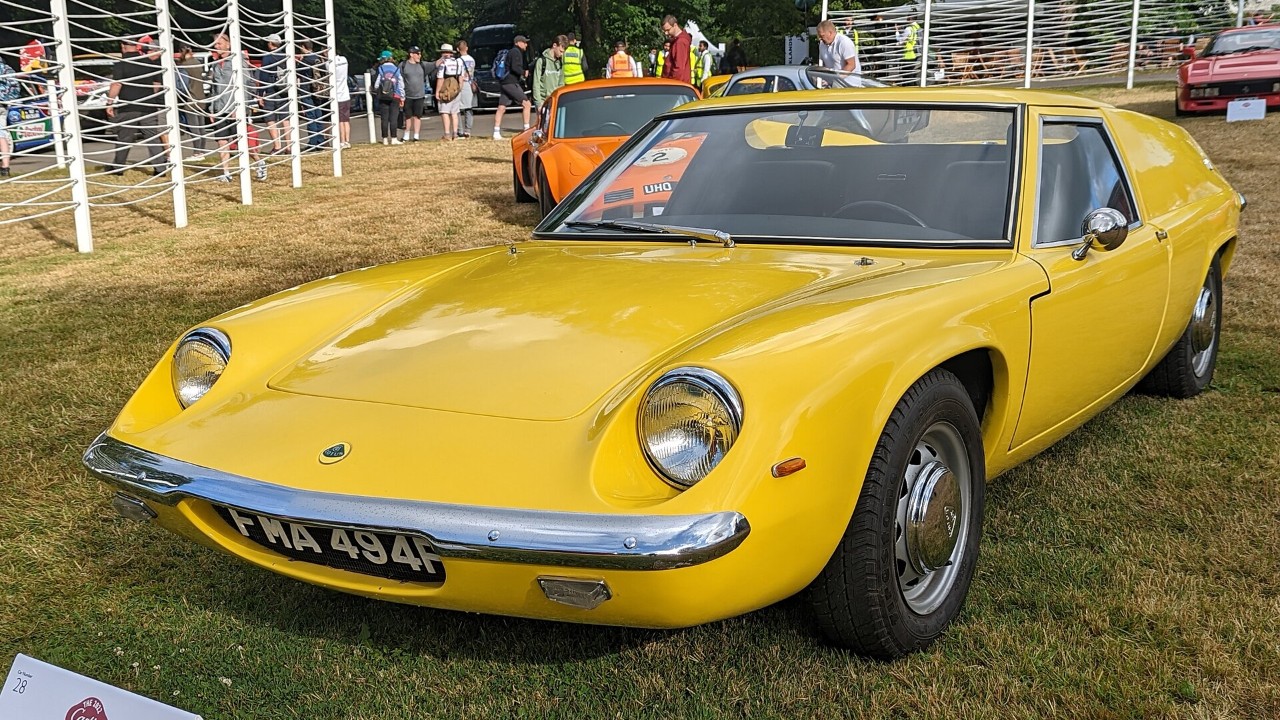
The Europa put a Renault engine behind the driver on a Lotus spine frame. On the first Series 1 cars, Lotus glued the body to the chassis. Then the S2 of 1968 switched to bolting it on.
That engine was a 1,470 cc Renault 16 four that made only 78 to 87 bhp, Hagerty notes. Hagerty estimates Lotus built about 9,230 Europas between 1966 and 1971.
11. 1968 Reliant Scimitar GTE
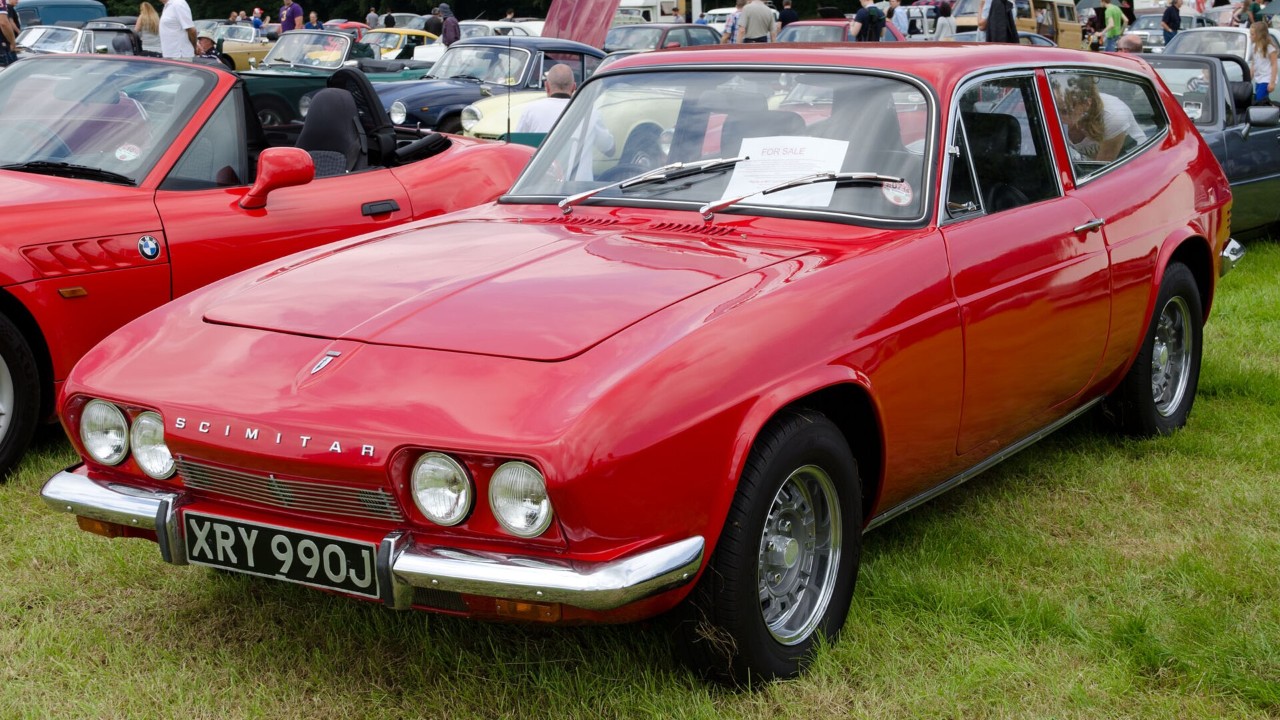
Reliant asked Tom Karen of Ogle Design for a new four-seat GT. The answer was the Reliant Scimitar GTE, which went on sale in October 1968. At first the reception was reserved. Then the press road tests improved opinion.
Ford’s 3.0-liter V6, rated at 138 bhp, powered the original SE5. Later, the 1971 SE5a moved to a 145 bhp version, Hagerty UK’s buying guide says. The guide puts a good starting point for a Reliant Scimitar GTE at around £7,000. Middlebridge built only 78 GTEs from 1987 to 1990, and the best of those can reach £25,000.
12. 1979 Lotus Eclat
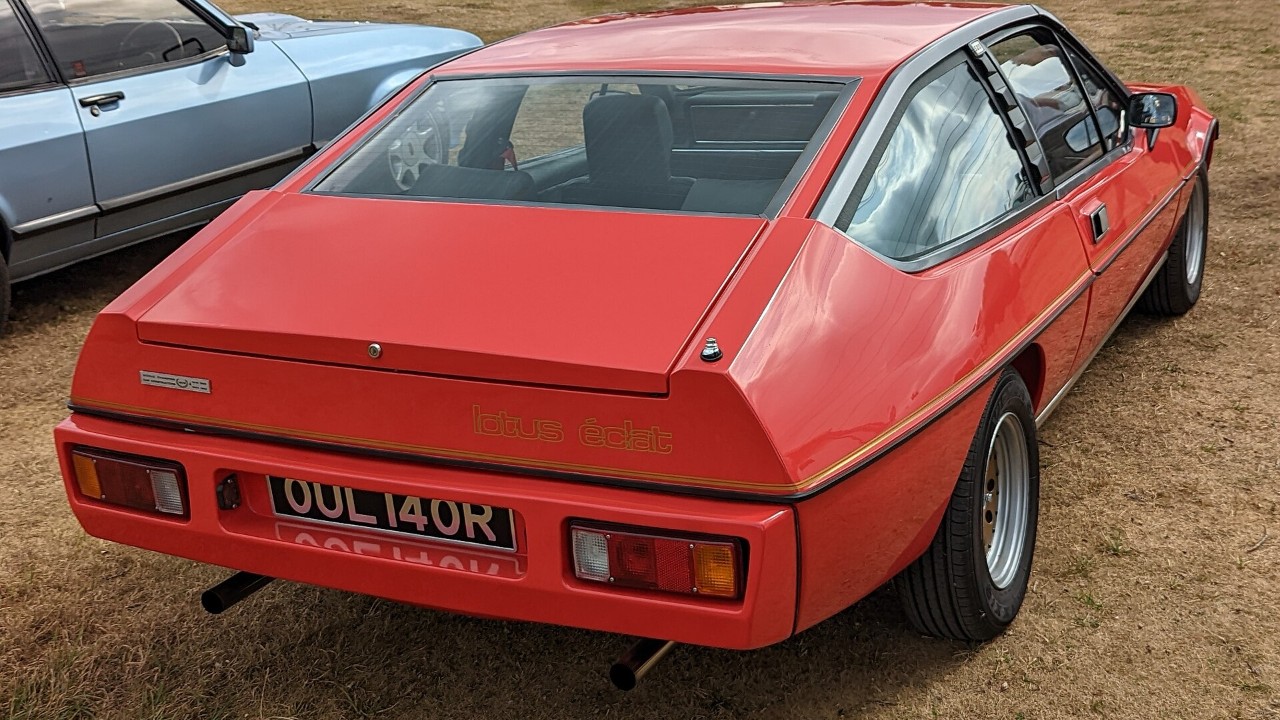
Lotus launched new models in late 1975, and the Eclat was the fastback partner to the Elite’s shooting brake shape. It wore a wedge nose and angular lines. Lotus also tuned its engine 5 hp higher than the Elite’s.
That engine was a carbureted twin-cam four of 1,973 cc delivering 160 hp, according to Hagerty. Exact numbers are uncertain, but Hagerty puts Eclat production at roughly 1,500. It also says to expect to pay around $10,000 for a 1979 Eclat in good condition.
More from Fast Lane Only