Muscle cars had a way of showing up loud and leaving quick—sometimes from stoplights, sometimes from history books. The ‘60s and ‘70s were full of wild builds that pushed limits, burned gas like it was free, and then vanished under pressure from insurance, emissions, and changing tastes. Some were built in small batches, others had short windows before regulations shut them down.
This list pulls together 10 muscle cars that hit hard but didn’t stick around. They were fast, rowdy, sometimes flawed—but that’s what makes them interesting. They came out swinging and left before the game really changed.
1. 1970 Buick GSX Stage 1
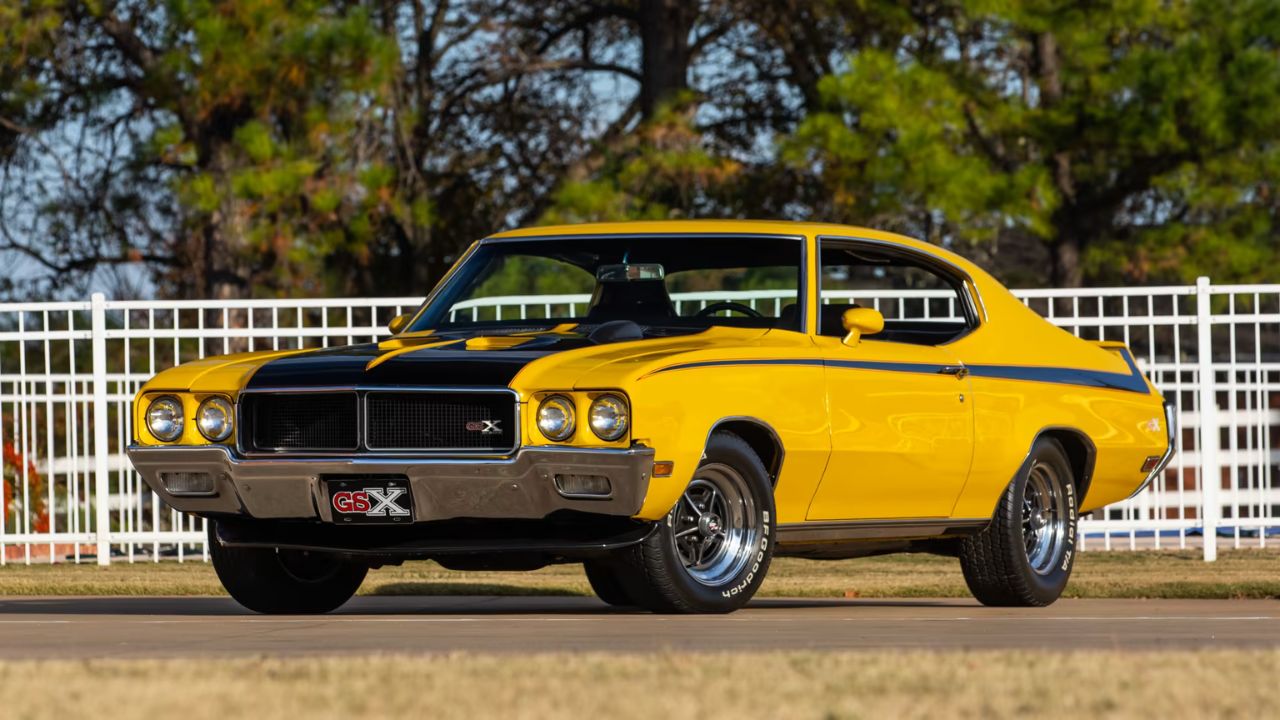
The GSX Stage 1 wasn’t built to be polite. Buick stuffed a 455ci V8 under the hood, pushing 510 lb-ft of torque—more than anything else on the street at the time. With a 3.64 rear gear and functional hood scoops, it hit 13-second quarter miles straight from the showroom.
It rode on heavy-duty suspension with rear anti-roll bars and a close-ratio 4-speed, giving it sharp response for such a big car. Inside, it leaned into comfort—high-back buckets, rally gauges, and air conditioning were common. It was quick, refined, and too ahead of its image to survive.
2. 1971 Plymouth GTX 440+6
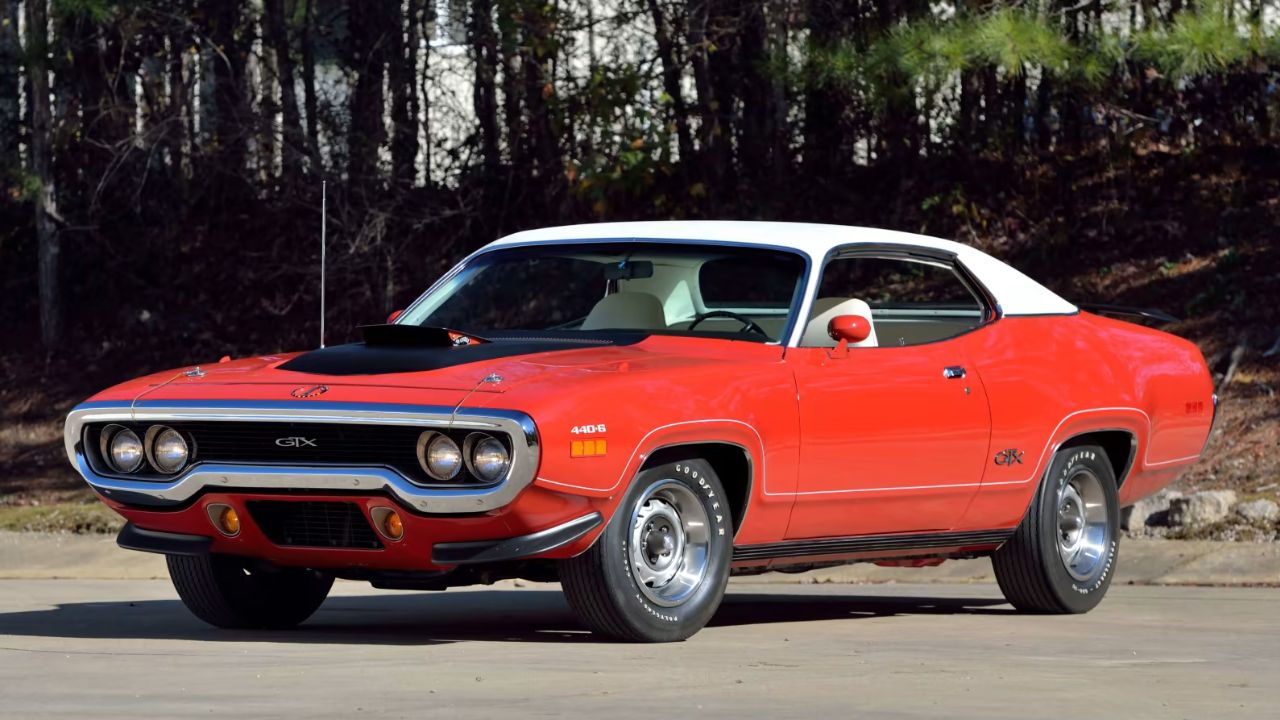
By 1971, the GTX was nearing the end, but Plymouth gave it one last punch with the 440 Six-Barrel. It packed 385 hp with triple Holley carbs and could run the quarter in the low 13s. The Air Grabber hood wasn’t just for looks—it fed the beast directly.
The suspension had beefed-up torsion bars and heavy-duty shocks, and the interior came standard with high-back buckets and rallye gauges. Sales didn’t survive the insurance crackdown though, and by ’72, the GTX badge was merged into the Road Runner. Fast car, wrong timing.
3. 1970 AMC Rebel Machine
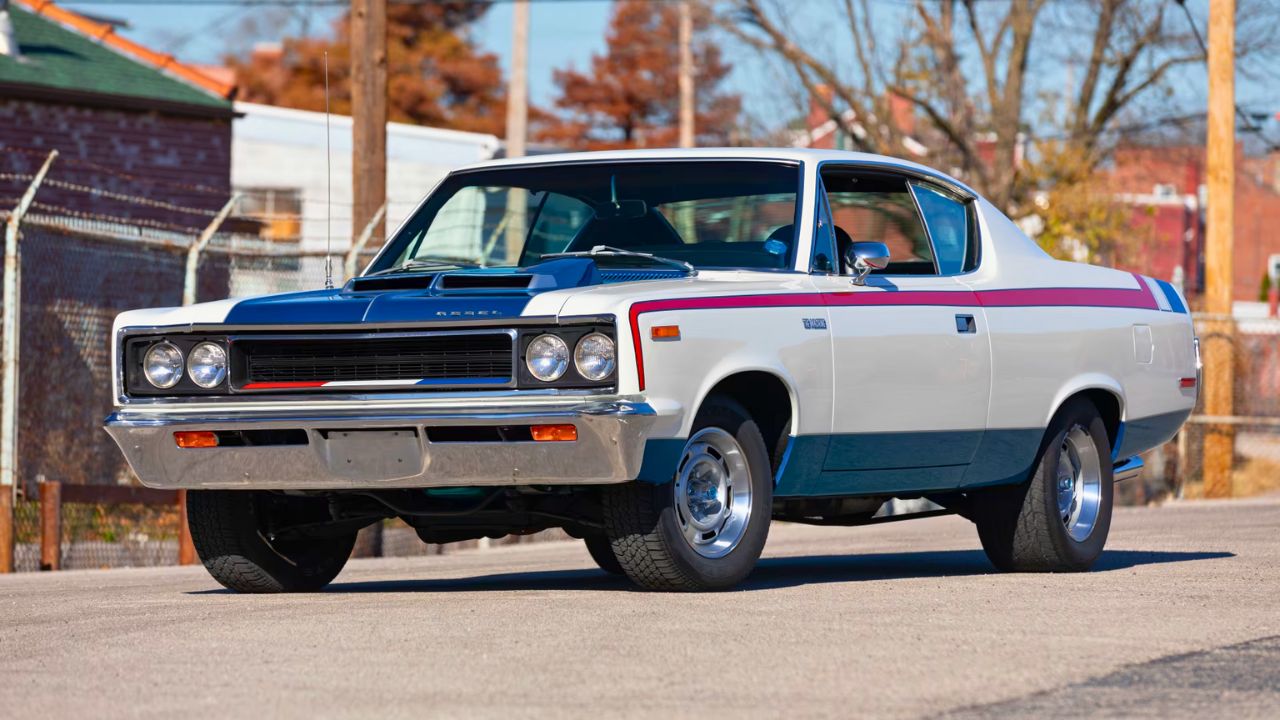
The Rebel Machine came out swinging with red-white-blue paint and a 340-hp 390 V8 under the hood. It wasn’t subtle, and it didn’t care. AMC paired it with a T-10 4-speed and 3.54 gears, making it good for low-14s at the strip.
It had heavy-duty suspension with upgraded springs, shocks, and sway bars. The cabin had a sporty bench seat and a big tach planted right on the hood. Only one year of production meant it faded fast, but for a short while, AMC threw a real wrench in the Big Three’s plans.
4. 1971 Ford Torino Cobra 429 Super Cobra Jet

With the 429 SCJ and Drag Pack, the Torino Cobra was no lightweight. It made 375 hp but torque came on like a freight train—450 lb-ft at 3400 rpm. Top-loader 4-speed, 3.91 gears, and an oil cooler came with the SCJ setup.
The ride was stiff with competition suspension, staggered rear shocks, and big sway bars. Inside, it was simple—just a high-back bench and basic gauges. EPA regs and insurance killed the big motors quickly, and by ’72, the Torino name had changed gears completely.
5. 1969 Pontiac Grand Prix SJ 428 HO
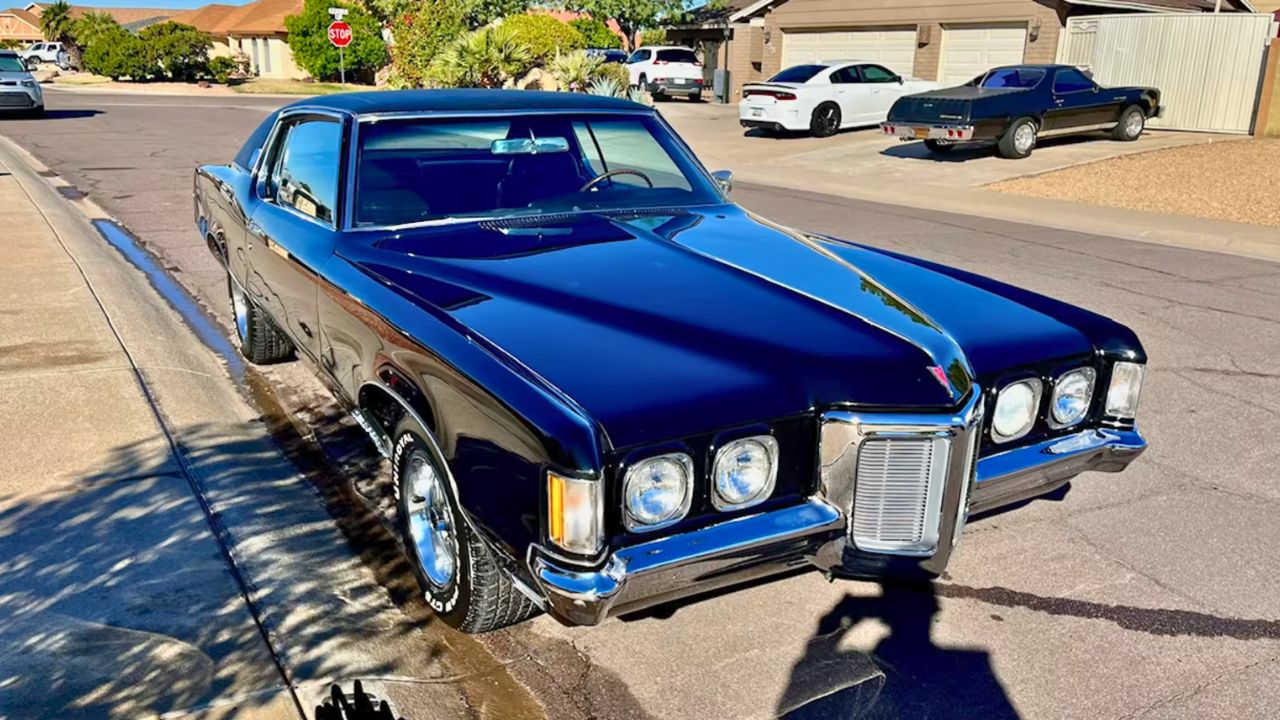
The GP SJ was long, low, and surprisingly quick thanks to a 390-hp 428 HO. Pontiac used a new A-body platform for this car, giving it tighter handling and better weight distribution than the full-size boats it replaced.
It came with a TH400 auto, optional 3.90 gears, and ride-and-handling suspension that actually worked in corners. Inside, it felt more like a personal luxury car—burled wood, wraparound dash, and plush seats. It could move, but it never caught on with buyers who weren’t sure what it was supposed to be.
6. 1970 Chrysler 300 Hurst
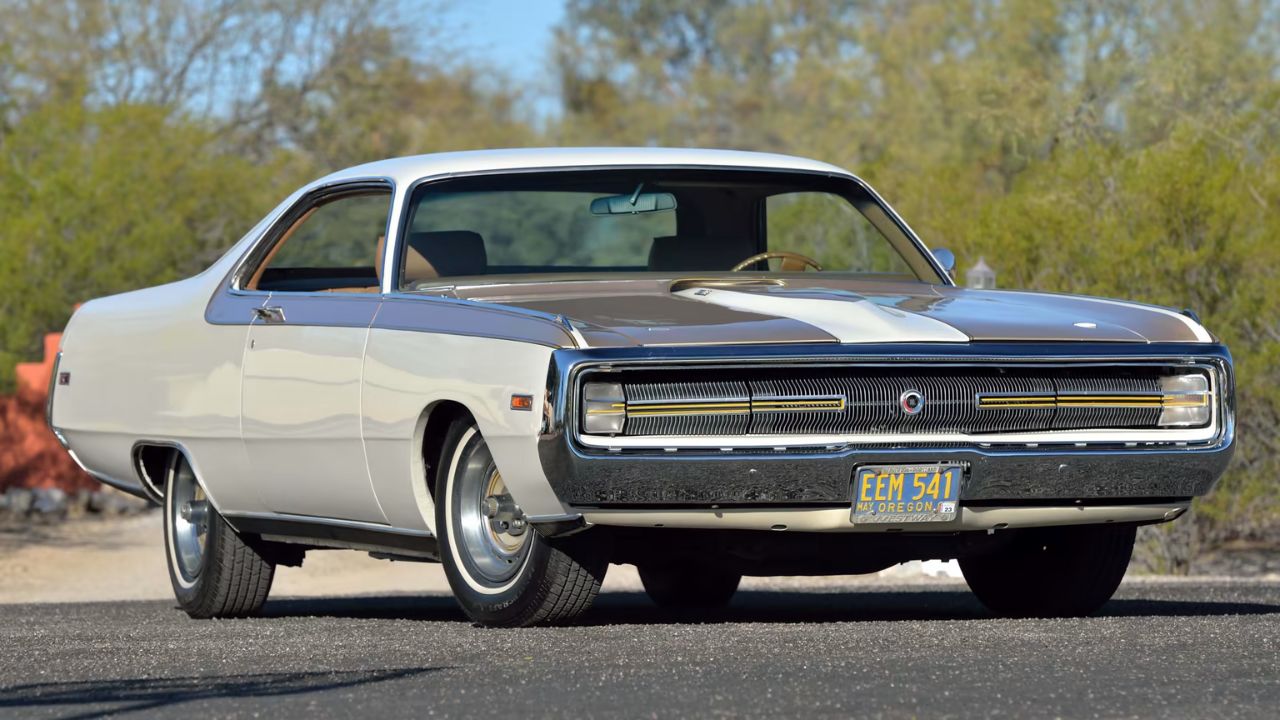
Built in collaboration with Hurst, the 300H was Chrysler’s attempt at making a full-size muscle car that didn’t hide behind subtlety. It had a 375-hp 440 TNT under the hood and was only available in white with gold trim—loud car, loud statement.
At over 4,200 lbs, it wasn’t exactly nimble, but the heavy-duty suspension, firm torsion bars, and wide tires helped it stay composed. The interior was pure luxury—leather, woodgrain, and aircraft-style shifter. Only around 500 were made, and it disappeared as quickly as it arrived.
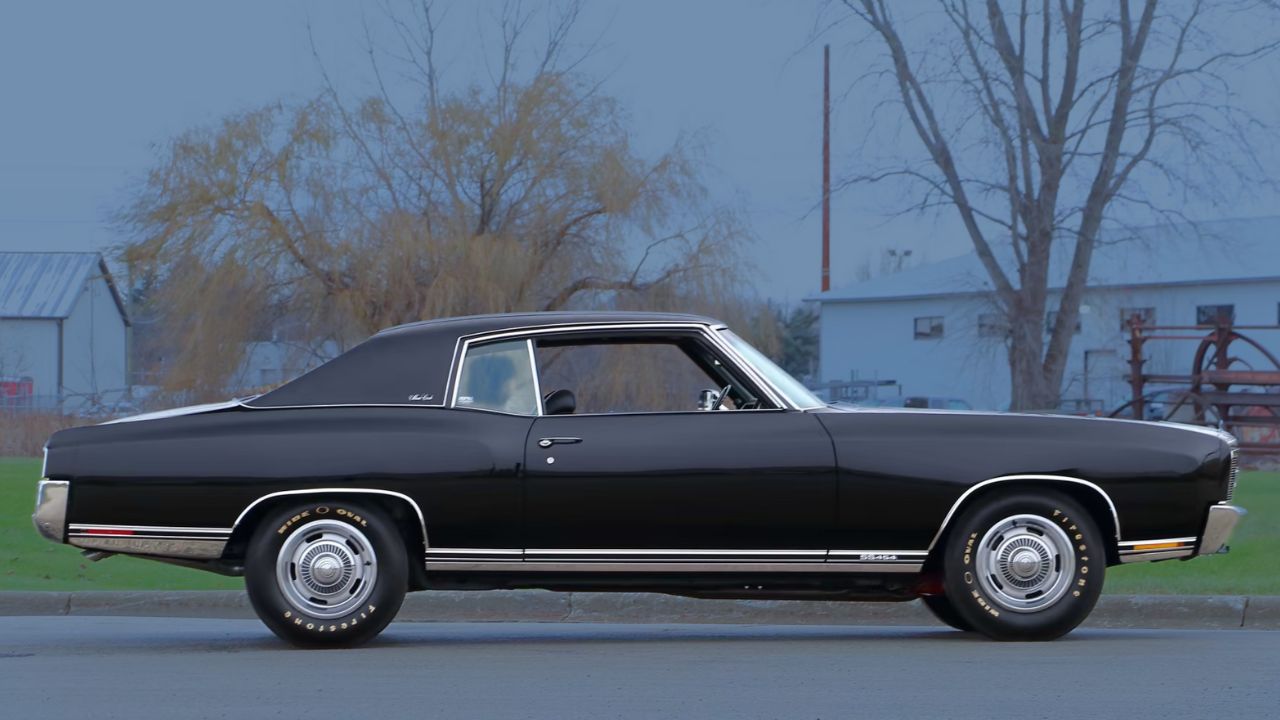
7. 1971 Chevrolet Monte Carlo SS 454

The Monte Carlo SS 454 was more than just a pretty face. Under the hood was the LS5—365 hp and 510 lb-ft of torque. Paired with a Turbo 400 automatic and a 3.31 rear, it could move all that weight with real muscle.
It rode on F41 suspension with stiffer springs and a rear sway bar. Inside, it leaned luxury: wood accents, strato-bucket seats, and a console shifter. But with muscle fading fast, Chevy dropped the SS option after ’71. It was too much car for the shrinking muscle market.
8. 1970 Dodge Coronet R/T 440 Six-Pack
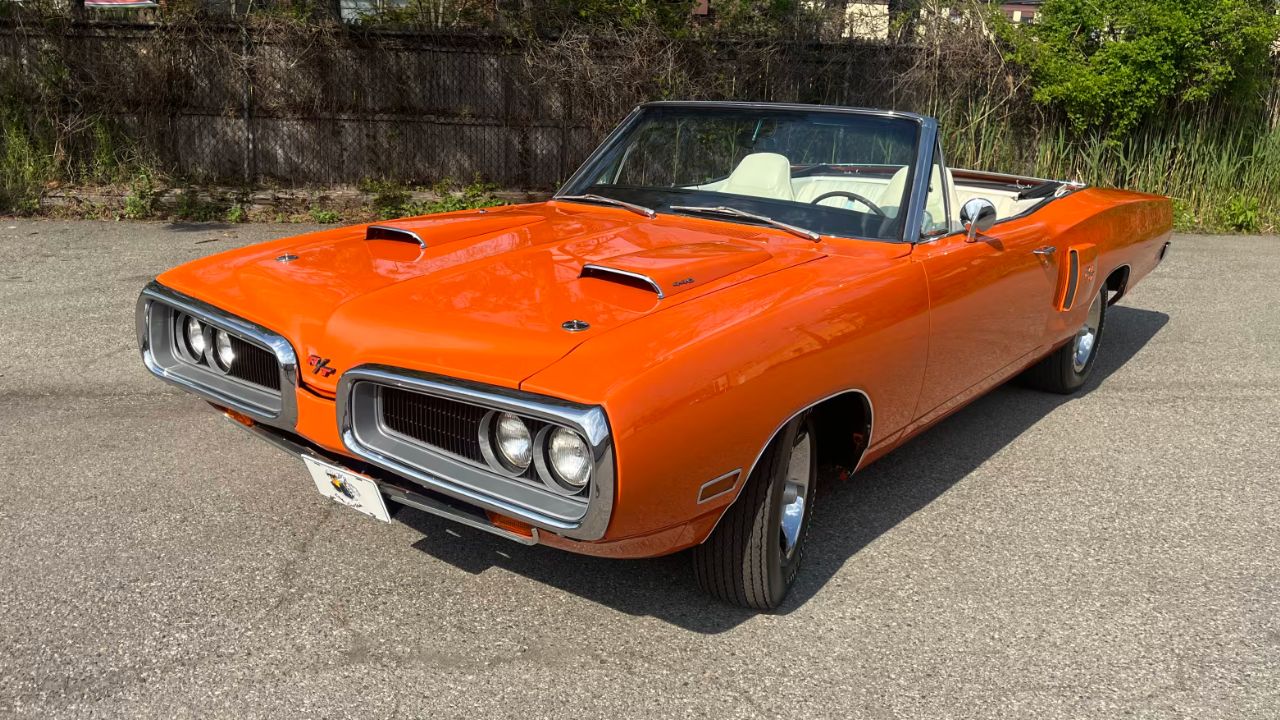
The Coronet R/T never got the love its Charger sibling did, but with the 440 Six-Pack, it had all the right parts. Triple Holleys, 390 hp, and 490 lb-ft of torque made it brutal off the line. A TorqueFlite auto and 3.55 Sure Grip rear kept things in check.
The suspension was firm with Hemi-style leaf springs and thicker torsion bars. Inside, it was all business—bucket seats, slap-stick shifter, and rally gauges. Dodge axed the Coronet R/T after 1970, leaving this one-year 440 Six-Pack version a bit of a forgotten missile.
9. 1970 Oldsmobile Rallye 350
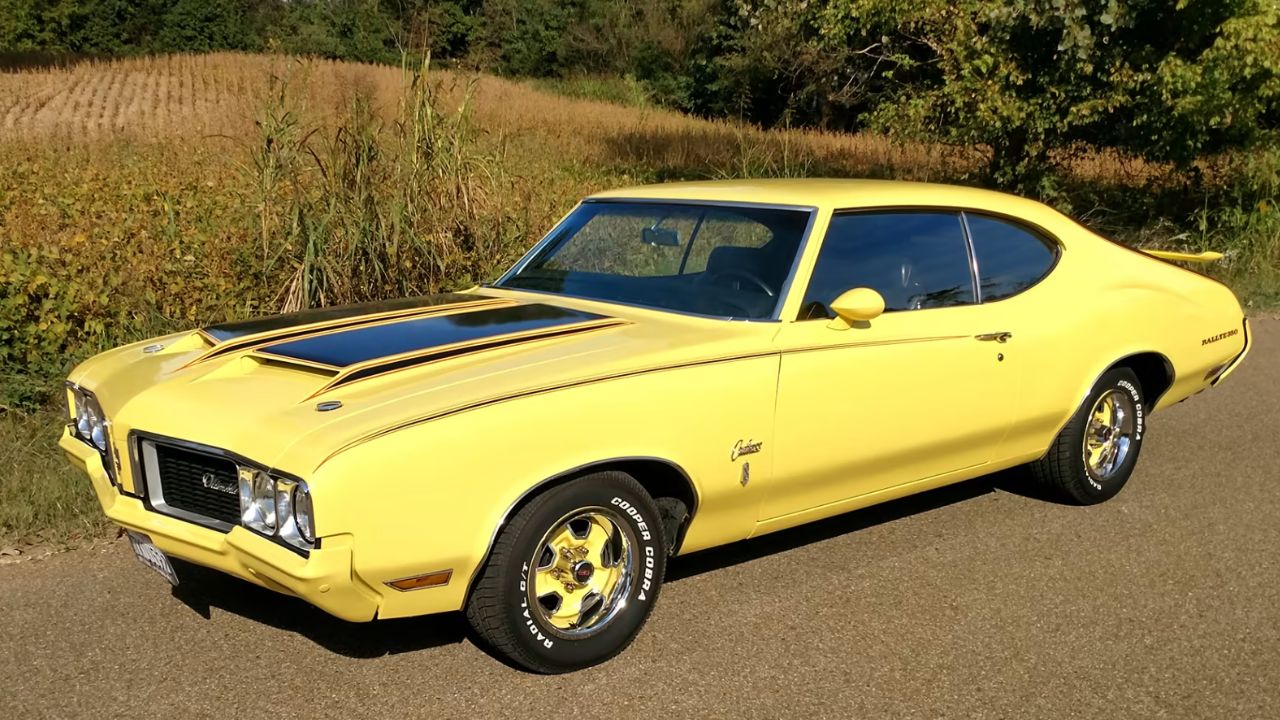
Olds built the Rallye 350 as a loophole muscle car—no chrome, all body-colored trim, and a 310-hp 350 V8. It was meant to sneak past rising insurance rates while still delivering solid performance. It was quick, but not overpowering—low 15s in the quarter.
The Rallye package added a rear spoiler, stiff suspension, and Rallye wheels. Inside, it used the same layout as the Cutlass S, with basic trim and bench seats. It looked like a show car, but the market didn’t bite. Only around 3,500 were sold before Olds scrapped the idea.
10. 1971 Mercury Cougar GT 429

The Cougar GT 429 was a short-lived bruiser that tried to compete with the big blocks of its day. Its 429 Cobra Jet was good for 370 hp and a solid 450 lb-ft of torque. It ran through a C6 auto or a 4-speed, depending on how serious you were.
Suspension upgrades included heavy-duty springs, competition shocks, and big front sway bars. The cabin was upscale for a muscle car—leather, woodgrain, and rim-blow steering. By 1972, the big block was off the menu, and the Cougar was steering toward luxury instead of speed.
Like what you read? Here’s more by us:
*Created with AI assistance and editor review.