Everybody knows the usual suspects—your Koenigseggs, Bugattis, and Lambos—but there’s a whole class of machines flying under the radar that push aero to a different level. These aren’t just fast in a straight line—they’re built to cheat the wind in ways most people never notice. Active wings, flow-through bodies, track-derived tunnels—it’s not just about looking cool; it’s about making speed work smarter.
This list digs into 10 supercars you might’ve missed, each one shaped by air as much as by engineering. If you’re into the finer details, you’re in good company.
1. Apollo Intensa Emozione
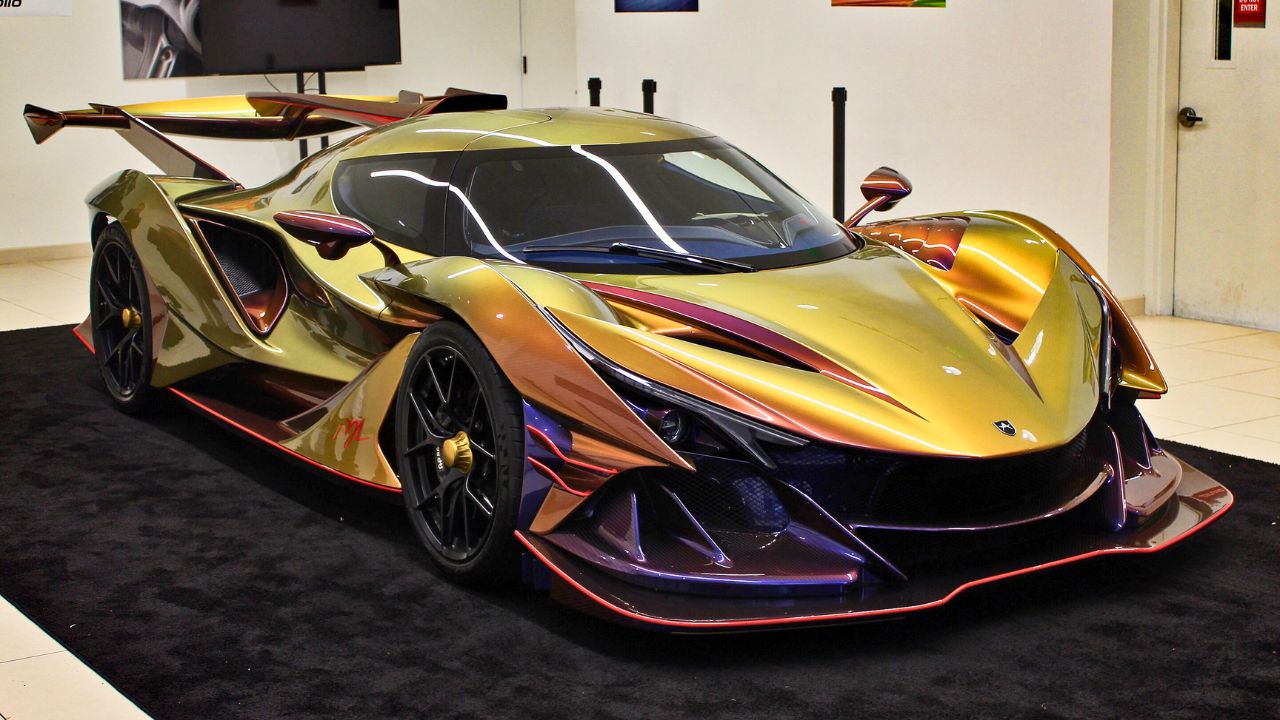
The Apollo IE looks like it belongs in a sci-fi flick, but everything about its design is functional. Its body was shaped with airflow in mind—producing over 2,976 lbs of downforce at 186 mph. The sculpted fenders and massive rear diffuser do more than look wild—they push the car into the tarmac.
Underneath, it runs a carbon fiber monocoque chassis and double wishbone suspension with pushrod actuated dampers. Inside, it’s bare-bones with fixed seats and digital readouts, keeping focus on function. A 6.3L naturally aspirated V12 screams up to 9,000 rpm, delivering 780 hp.
2. Dallara Stradale

Dallara built race cars for decades before putting their name on the Stradale. With no roof, windshield, or doors in standard trim, it’s about slicing through air and shedding weight. The underbody is what really works—channeling air to generate up to 1,800 lbs of downforce with the optional rear wing.
It’s powered by a 2.3L turbocharged four-cylinder, good for 400 hp, paired with a six-speed manual. The suspension setup is race-bred—double wishbones and adjustable dampers. Inside, it’s minimalist but tailored, with Alcantara, carbon accents, and integrated racing harnesses.
3. McLaren Sabre

Built exclusively for the U.S. market, the McLaren Sabre was limited to just 15 units. It features the most aggressive aero McLaren’s ever done for a road car. Active aero elements, a massive fixed wing, and low-slung bodywork all contribute to its 218 mph top speed.
The 824-hp twin-turbo V8 sits midship, and the car uses hydraulic cross-linked suspension for minimal body roll. The cabin takes cues from the Senna, blending Alcantara and exposed carbon, with fixed bucket seats. It’s loud, focused, and engineered to keep airflow glued to every panel.
4. NIO EP9
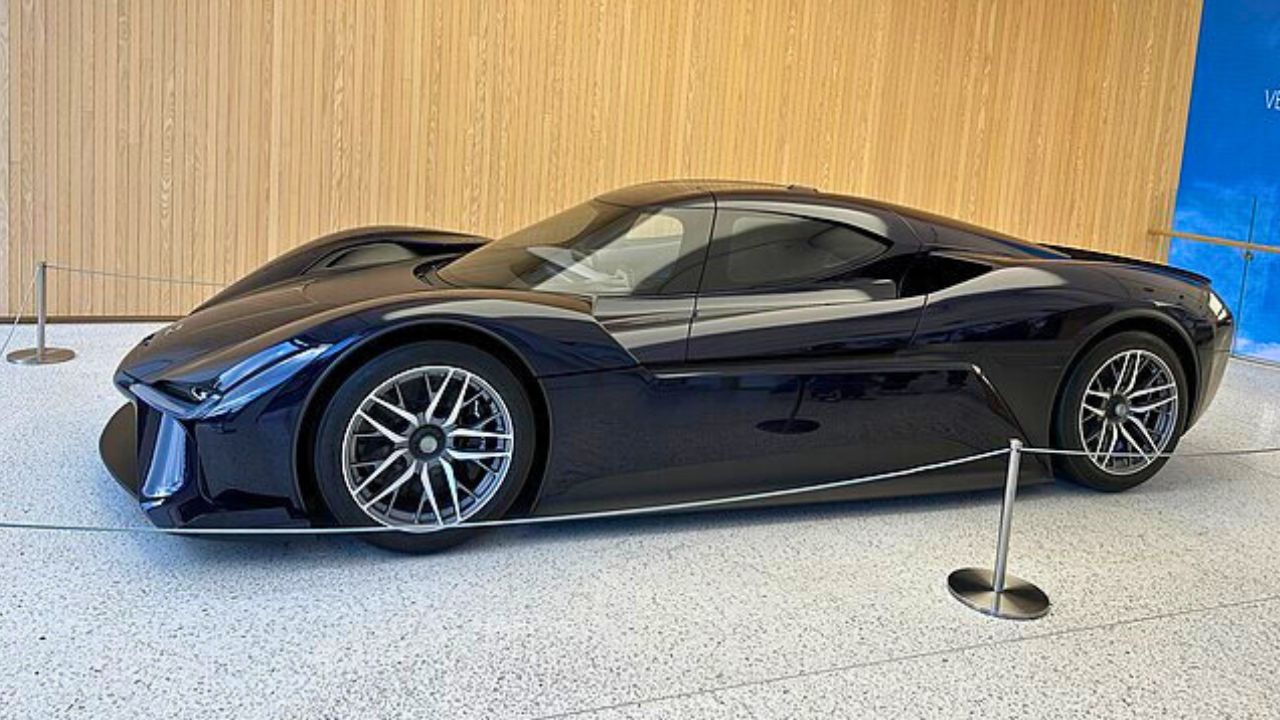
The NIO EP9 might not make much noise, but it doesn’t need to. It set a Nürburgring lap time of 6:45, thanks in part to its 5,395 lbs of peak downforce. The body channels air across a flat floor and through active aero panels that adjust on the fly.
Each wheel is powered by its own motor, combining for 1,341 hp. Suspension is independent with pushrod dampers, and the car rides on bespoke carbon-ceramic brakes. The cabin feels closer to a fighter jet than a luxury EV—bare carbon, digital gauges, and a fixed seating position.
5. Czinger 21C
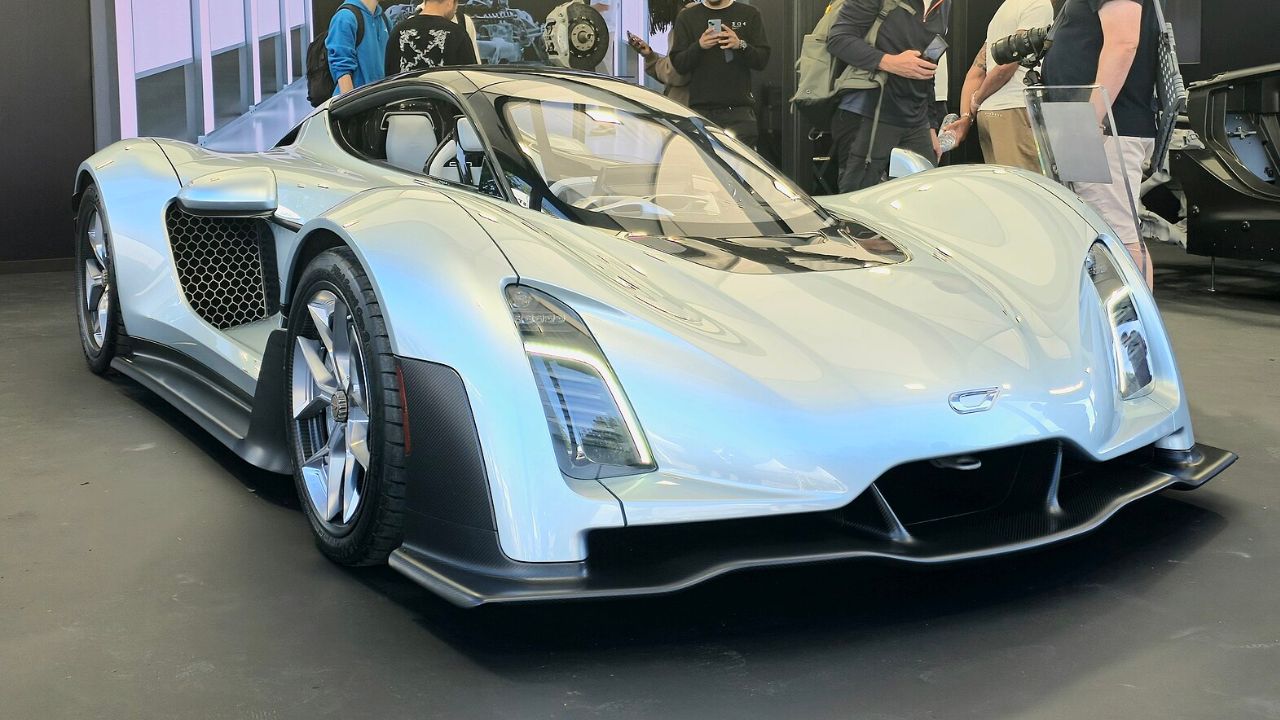
The Czinger 21C is built using 3D-printed components and AI-optimized shapes. Its aero work includes a huge rear wing and flow-through body design that balances cooling with downforce—up to 1,250 lbs at 100 mph. Everything was sculpted to match airflow simulations, not styling trends.
It’s powered by a twin-turbo 2.88L V8 and hybrid system delivering 1,250 hp. Suspension features unequal-length control arms and race-style dampers. Inside, the tandem seating places the driver dead center. There’s exposed carbon everywhere, and controls are clustered around a fighter-jet-inspired steering wheel.
6. Ferrari FXX-K Evo

The FXX-K Evo wasn’t built for the street—it’s a track-only machine shaped entirely by wind tunnel data. The rear wing and central fin work with vortex generators and underfloor tunnels to produce up to 1,830 lbs of downforce at 124 mph. It doesn’t just look fast—it behaves like a Le Mans prototype.
Power comes from a hybrid 6.3L V12 making 1,036 hp. The suspension setup is pure racecar: independent double wishbones with adjustable dampers. The cockpit is stripped and functional—racing bucket, telemetry displays, and little else.
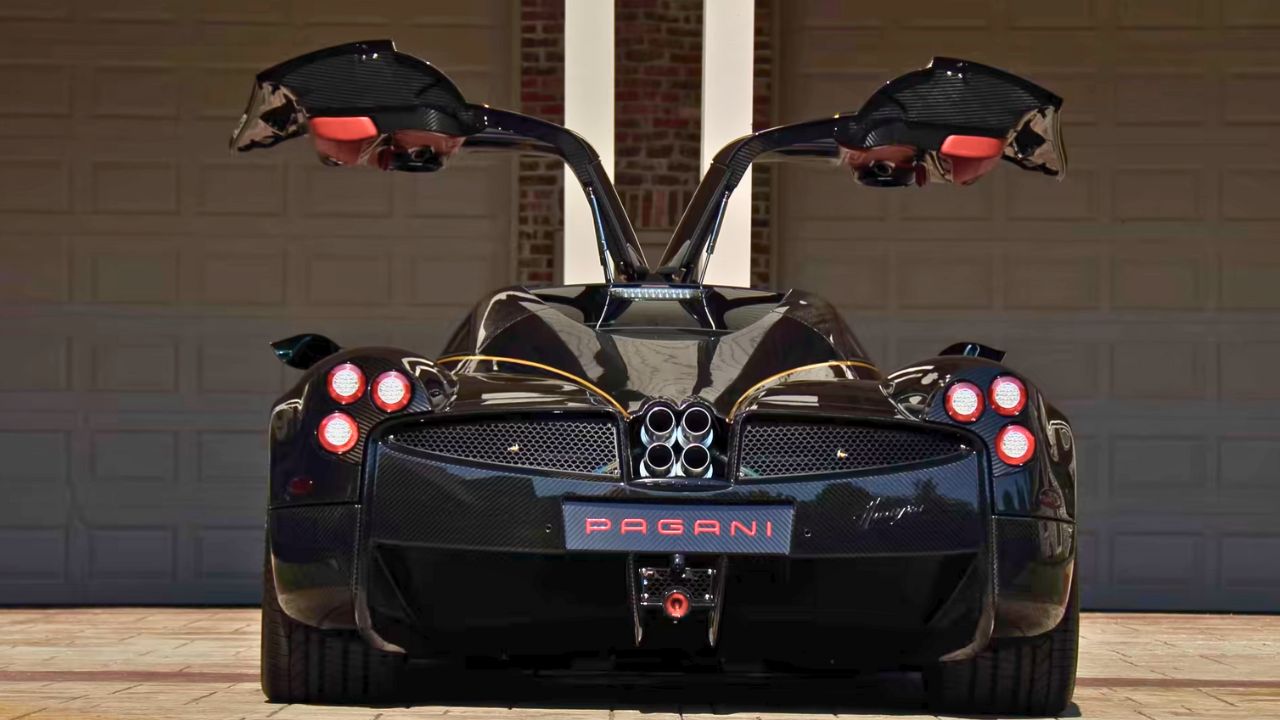
7. Pagani Huayra R
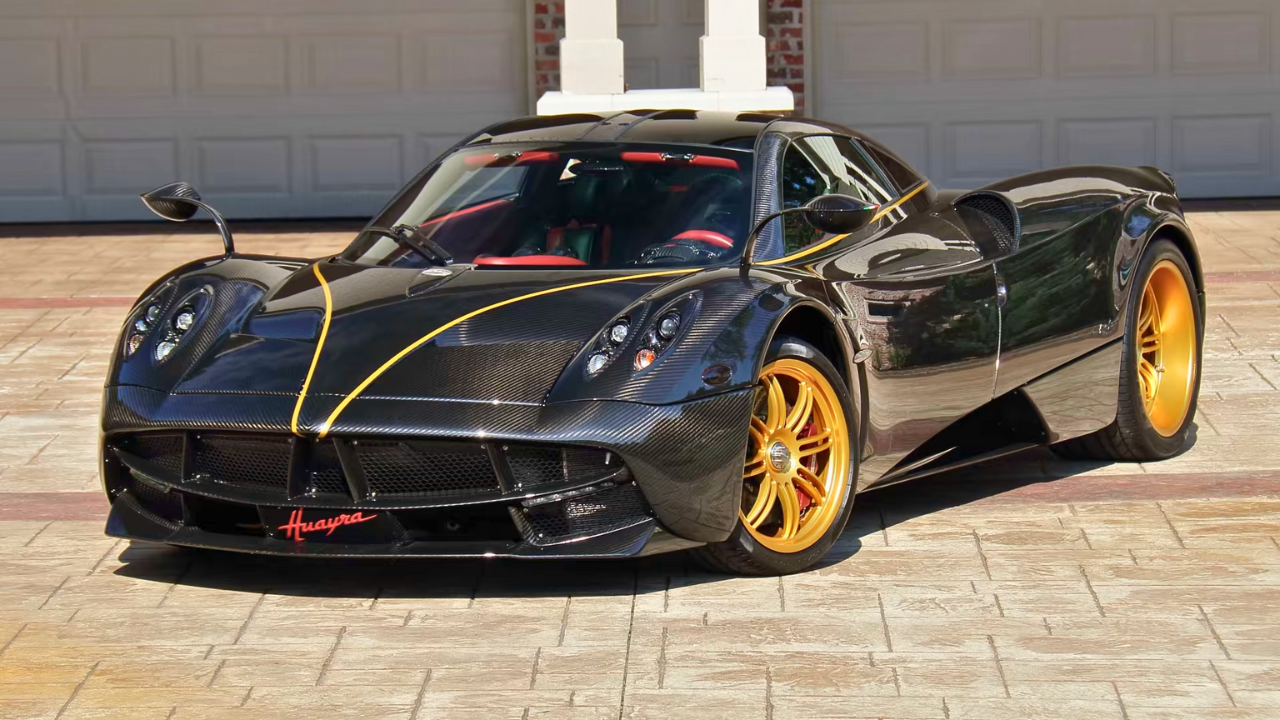
The Huayra R is a naturally aspirated answer to today’s turbo-heavy hypercars. Built for the track, it’s all about aero and sound. The body creates 2,204 lbs of downforce at 199 mph, thanks to a massive rear diffuser and tunnels under the car rather than oversized wings.
Its 6.0L V12 revs to 9,000 rpm and puts out 850 hp. The chassis is carbon monocoque with front and rear subframes. Inside, it’s all business—racing seats with six-point harnesses, a digital dash, and a steering wheel that looks like it came from a Formula car.
8. Pininfarina Battista
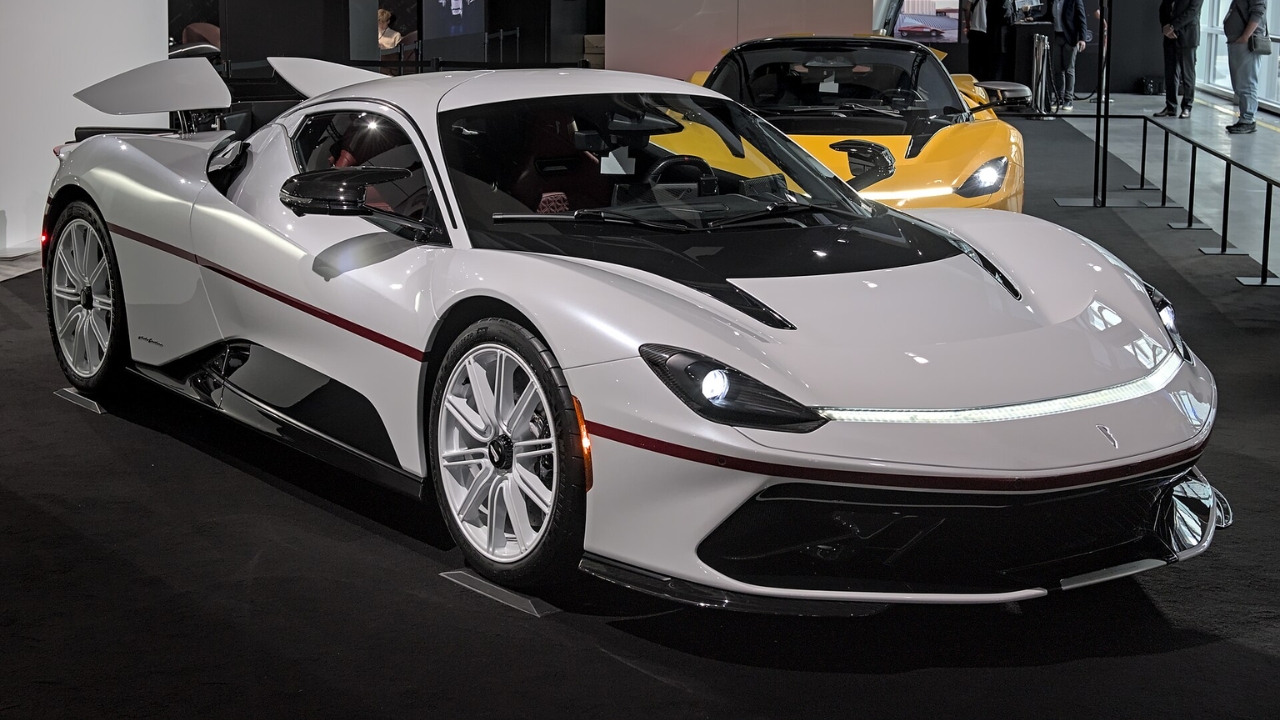
The Battista’s electric powertrain makes headlines, but its aero game is just as serious. It uses active flaps and a deployable rear wing to balance drag and downforce depending on speed and driving mode. There’s also a full underfloor with a rear diffuser to channel airflow cleanly.
Power? Try 1,900 hp from four motors. It hits 60 mph in under two seconds. The suspension setup is adaptive with active dampers. The cabin goes high-end GT—quilted leather, carbon fiber, and dual displays, but still driver-focused with a low seating position and wraparound cockpit feel.
9. Zenvo TSR-S

The Zenvo TSR-S isn’t just fast—it’s famous for its wild, tilting rear wing. The wing pivots in corners to increase grip on the inside tire, improving downforce when you’re pushing hard. Combined with a sharp front splitter and aggressive diffuser, the car creates serious downforce without relying on size alone.
It’s powered by a twin-supercharged 5.8L V8 that makes 1,177 hp. Suspension uses double wishbones and active damping, tuned for both road and track. Inside, the TSR-S feels handmade—leather, Alcantara, and digital instrumentation, with just enough rawness to remind you it’s not trying to be soft.
10. SCG 003S

The SCG 003S, built by Scuderia Cameron Glickenhaus, is basically a Le Mans car you can plate. Its aero was tested in F1-grade tunnels, producing over 1,500 lbs of downforce at speed. Vents, ducts, and splitters are functional—directing air for cooling and grip, not for flair.
Underneath is a carbon fiber tub and double wishbone suspension with pushrod dampers. It’s powered by a twin-turbo V6 making around 700 hp. Inside, it’s stark but crafted—carbon shell seats, analog switches, and a focus on tactile feedback. It’s more tool than toy.
Like what you read? Here’s more by us:
*Created with AI assistance and editor review.