A used-car deal almost sailed through smoothly—until a small handheld tool turned into the main character. A buyer says a dealer described a vehicle as “accident free,” but a paint thickness gauge suggested the bodywork had a past life. The moment wasn’t dramatic in a movie way, more like that quiet pause when you realize your “good deal” just got complicated.
The buyer’s story has been bouncing around online because it’s so relatable: you want to trust the listing, you want to trust the salesperson, and you really want the car to be as clean as it looks under the showroom lights. Then one quick scan across a fender makes you rethink everything. It’s not that paint meters are magic, but they can be awfully good at sniffing out hidden chapters.
The “Accident Free” Phrase That Can Mean a Lot—or Almost Nothing
When a dealer says “accident free,” most people hear one thing: no crashes, no repairs, no surprises. In reality, that phrase can get slippery depending on what the seller knows, what’s documented, and what they consider an “accident.” A scraped door fixed at a body shop might not show up on a history report, but it’s still a repair.
Sometimes sellers mean “no accidents reported” rather than “no accidents ever.” That’s not automatically a scam, but it can absolutely feel like one when you’re the person finding the evidence after the fact. It’s the difference between “I don’t see anything on Carfax” and “I’m willing to stand behind the claim that nothing happened.”
Enter the Paint Gauge: A Tiny Tool With Big Energy
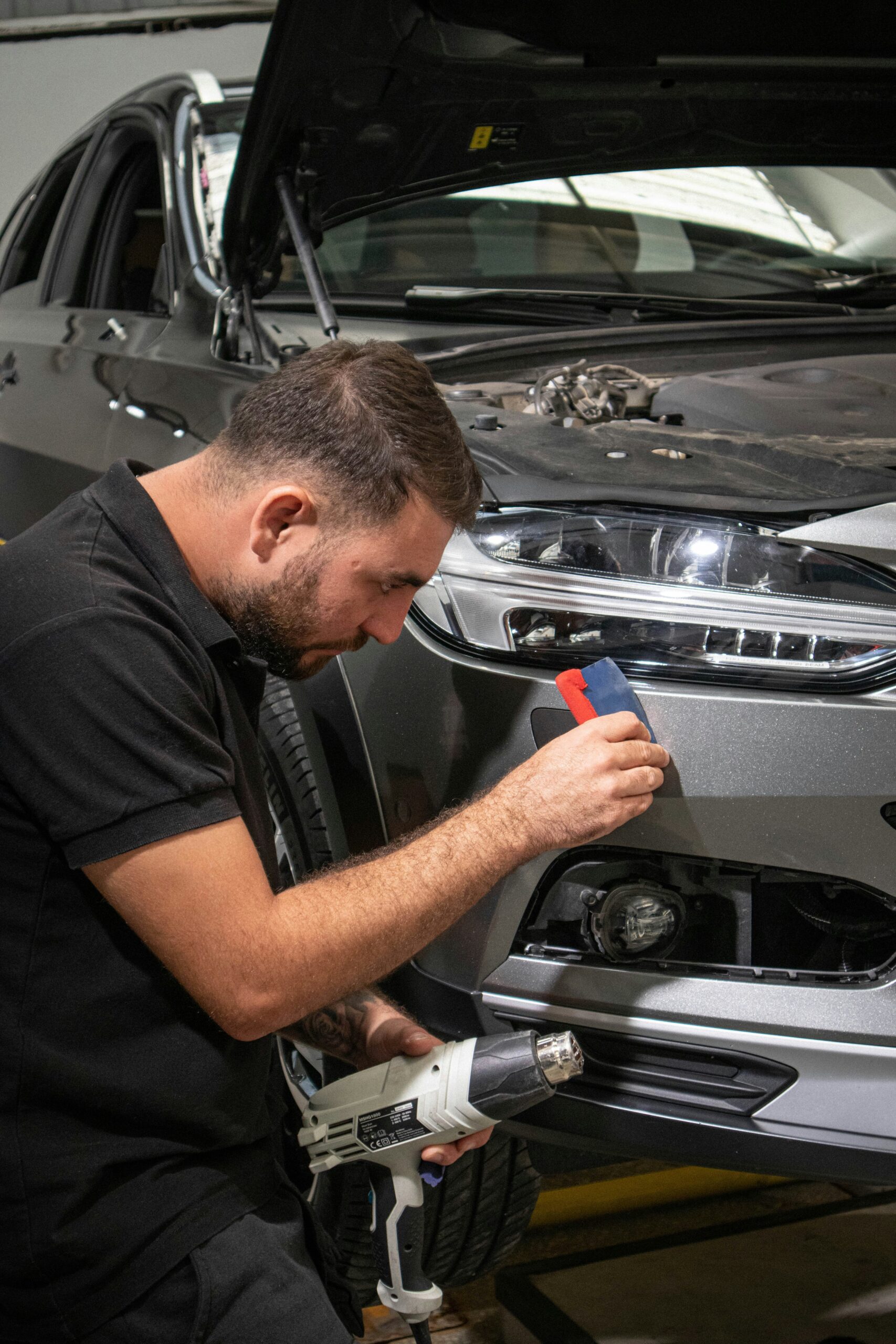
A paint thickness gauge (or paint meter) measures how much coating is on a panel—usually in mils or microns. Factory paint tends to land in a fairly consistent range across a vehicle, though it can vary by manufacturer and model. When one panel reads much thicker than the panels around it, it’s often a sign it was repainted, possibly after damage.
That’s what the buyer says happened here. The readings reportedly jumped on certain sections—enough to raise eyebrows even without being a bodywork expert. It’s like checking the height of grass in a yard: if one patch is twice as tall, something different happened there.
What “High Readings” Usually Mean (And What They Don’t)
High paint readings don’t automatically mean the car was in a serious collision. A bumper respray from road rash, a repaired scratch, or a replaced door can also show up as thicker paint. Even a previous owner chasing “perfect” paint could have paid for cosmetic work that’s technically not crash-related.
But high readings do mean you should ask questions, because repainting rarely happens for fun. If the gauge suggests filler (which can push readings dramatically higher), that’s a bigger concern. Filler can be used in proper repairs, but it can also be a shortcut, and nobody wants to discover shortcuts on a car they’re about to finance for five years.
Why the Paperwork Can Look Clean Even When the Panels Don’t
One of the most frustrating parts for buyers is that vehicle history reports aren’t all-seeing. They rely on data being reported by insurance companies, repair shops, and agencies that participate in the system. If a repair was paid out of pocket, handled by a small shop that doesn’t report, or never officially documented, the report can stay squeaky clean.
That’s why “clean history report” and “never repaired” aren’t the same statement. The report is a helpful tool, but it’s not the final boss. A paint gauge, a careful walkaround, and an independent inspection can catch what databases miss.
The Little Visual Clues Buyers Miss Until It’s Too Late
Paint meters are great, but you can spot plenty with your eyes if you know what to look for. Check panel gaps: are they even and consistent, or does one door sit just a little prouder than the rest? Look for overspray on rubber seals, slightly different “orange peel” texture, or tape lines hiding in door jambs.
Lighting matters, too. A car can look flawless under indoor lights and suddenly show mismatched paint outside, especially in shade. If a seller seems eager to keep the car indoors or rush the walkaround, that’s not proof of anything, but it’s a nudge to slow down.
What the Buyer Says Happened Next
According to the buyer, the gauge readings sparked an awkward conversation. The dealer’s “accident free” line started sounding less like a promise and more like a slogan. The buyer says they asked for an explanation—why the readings were inconsistent and whether any repair records existed.
This is usually where the story goes one of three ways: the seller admits a repaint but downplays it, the seller genuinely had no idea, or the seller gets defensive and tries to change the subject. Defensive doesn’t automatically mean guilty, but it does make the trust meter drop fast. At that point, the buyer says they felt better trusting the tool than the sales pitch.
If This Happens to You, Here’s the Smart (Not Awkward) Play
First, ask specific questions instead of trading opinions. “Which panels have been repainted?” lands better than “This car was wrecked,” and it gives the seller room to explain. If they claim nothing has been touched, ask if they’ll put “no prior paintwork or body repair” in writing on the buyer’s order—because confidence looks great in ink.
Second, get an independent pre-purchase inspection, preferably from a body shop as well as a mechanical shop if the paint readings are weird. Body techs can often tell in minutes whether a panel was replaced, repaired, or blended. It’s a small cost compared to buying a car with hidden damage or poor-quality repairs that show up later as rust, wind noise, or uneven tire wear.
Dealers Aren’t All Villains, But Trust Should Be Verifiable
It’s worth saying: plenty of dealers try to do things right, and plenty of cars have minor paintwork that doesn’t affect reliability. A good seller will treat questions like normal due diligence, not a personal attack. If a dealer welcomes an inspection and calmly explains the history, that’s usually a good sign.
Still, the buyer’s experience is a reminder that “looks clean” isn’t a warranty. If you’re spending serious money, you’re allowed to be picky, curious, and slightly annoying—in the most polite way possible. A $100 paint gauge can’t tell you everything, but it can tell you when it’s time to stop smiling and start verifying.
The Bigger Lesson: Transparency Is Part of the Price
Used cars are always a mix of stories: prior owners, parking lot mishaps, weather, roads, and repairs. The real issue isn’t that a car had work done; it’s whether the seller is straight with you about it and whether the price matches the reality. If a vehicle is marketed as “accident free” but the panels say otherwise, that’s not just a detail—it’s negotiation leverage at best and a walk-away moment at worst.
And if nothing else, this story explains why so many buyers show up with flashlights, mirrors, scanners, and now paint meters, too. It’s not paranoia—it’s just what happens when marketing meets metal. Sometimes the truth is right there on the surface, measured in microns.
More from Fast Lane Only
- Unboxing the WWII Jeep in a Crate
- 15 rare Chevys collectors are quietly buying
- 10 underrated V8s still worth hunting down
- Police notice this before you even roll window down
*Research for this article included AI assistance, with all final content reviewed by human editors.