It was the kind of morning that’s supposed to be boring. Back out of the driveway, sip some coffee, maybe grumble about traffic, and move on with life. Instead, a luxury coupe owner heard a sharp, unmistakable crack the moment the car started rolling.
At first it sounded like a rock hitting the underbody or a branch snapping. But the car immediately felt wrong—tilted, low on one corner, and strangely bouncy in a way that no premium badge can hide. By the time it stopped, one air suspension strut had split, leaving the car squatting like it had given up on being elegant.
A sudden crack, then an instant lean
The owner described the noise as loud enough to make them freeze mid-maneuver. There wasn’t any warning light the night before, no weird handling, no dramatic pothole impact. Just a normal driveway, a normal reverse, and then that crack that tells you something expensive has just happened.
Neighbors might’ve assumed it was just “car stuff,” but the stance told a clearer story. One corner sat noticeably lower, and the wheel well gap looked like it had been edited down. That’s classic air suspension behavior when a key component fails: gravity wins fast.
What actually split—and why it matters
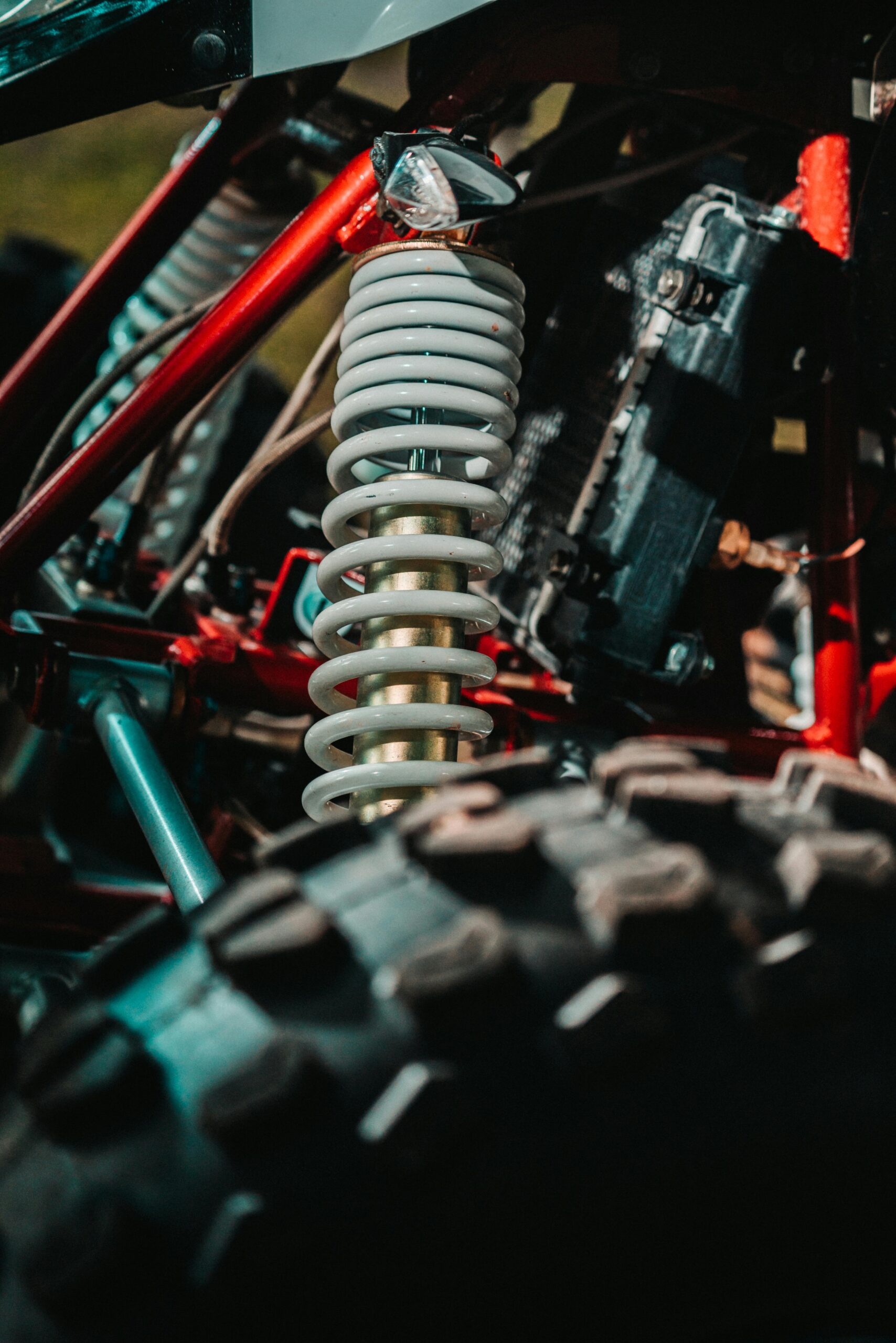
Air suspension struts aren’t just springs with attitude. They’re a combination unit, typically made up of a shock absorber and an air spring (often a reinforced rubber bellows) that holds pressurized air to support the vehicle’s weight. When that air chamber ruptures, the system can’t maintain ride height, and the car drops.
In this case, the split happened “overnight,” which is what made it so unnerving. A slow leak is one thing—you park, you come out later, the car’s a little low, and you start guessing. A sudden rupture is another: it can sound like a crack, a pop, or a snap, and it can turn a perfectly drivable car into something you shouldn’t move at all.
“But it was fine yesterday”—how these failures sneak up
Air springs live a tough life even when the car is pampered. They flex constantly, they’re exposed to heat from brakes and the road, and they deal with grime, salt, and tiny rocks that don’t care how much your car cost. Over time, rubber dries, micro-cracks form, and reinforcement layers can weaken.
The sneaky part is that the system often compensates until it can’t. A compressor may run a little more to keep things level, or a valve block might constantly adjust pressure in the background. So the ride can feel “normal” right up to the moment a tired air spring finally gives up—sometimes while you’re doing something as dramatic as backing out at 3 mph.
Why a driveway can be the final straw
It’s tempting to blame the driveway, but the truth is more boring and more relatable: it’s the angle. When you back out, the suspension articulates—one side compresses, another extends, and the air spring’s rubber folds and stretches in slightly different ways than it does on flat ground. If a bellows already has a weak spot, that twist can be enough to tear it open.
Also, overnight temperatures can play a role. Cold air can reduce pressure, materials get stiffer, and the system might need to “wake up” and re-level when you start the car. If a strut is already on the edge, that first adjustment of the day can be the moment it fails.
What the owner noticed right after
After the crack, the car didn’t just sit lower—it felt unsettled. Steering can feel odd when one corner drops, and any movement can make the tire rub the fender liner, especially on cars with tighter wheel arches. Some drivers also report a faint hiss right after the noise, like a fast leak that finishes its sentence in seconds.
Sometimes the dashboard lights join the party a moment later. Depending on the car, you might see an “air suspension malfunction,” “level control inactive,” or “drive carefully” warning. But even if the dash stays quiet, the physical stance is the giveaway: a luxury coupe shouldn’t look like it’s kneeling.
Is it safe to drive when an air strut fails?
In short: it’s usually a bad idea, even if the car can creep forward. Driving with a collapsed corner can damage the tire, the wheel, the fender liner, and even the shock if it’s bottoming out repeatedly. If the system keeps trying to compensate, the compressor can overwork itself and fail too, turning one repair into a bigger, louder bill.
If this happens, the safest move is to stop and assess rather than “see if it’ll make it.” A flatbed tow is the boring solution, but it’s the one that prevents the car from chewing through parts while you’re trying to save time. And yes, it’s annoying to tow something that still starts and rolls—but so is replacing a compressor because it ran itself to death.
What repairs typically look like
Most shops will recommend replacing the failed strut assembly, and often they’ll suggest doing the opposite side too if both are the same age. That’s not always upselling; air springs tend to age similarly, and when one pops, the other might not be far behind. Alignment is commonly needed afterward because ride height changes can alter suspension geometry.
Diagnostic steps often include checking for leaks in the lines, testing the compressor’s output, and scanning for stored fault codes. If the car was driven while low, technicians may also inspect for tire sidewall damage and rubbing marks. It’s a chain reaction kind of problem, so a quick inspection can save a second surprise.
Small warning signs people often miss
A lot of owners only realize something’s off in hindsight. The compressor running longer than usual—especially after startup—can be an early clue. Another is a slight “sag” after the car sits for a few hours, then rising back up once you start it.
Uneven ride height is the big one, but it’s subtle at first. People chalk it up to a sloped driveway or a low tire. And to be fair, nobody wants to believe their suspension is plotting against them while the car’s parked.
How to reduce the odds of an overnight surprise
Air suspension isn’t doomed by design, but it does like attention. If your car offers ride-height readings or a leveling menu, occasionally checking for consistent height can help spot a slow leak early. Keeping wheel wells clean—especially in winter climates—also helps, since salt and grit accelerate rubber aging.
If the car starts sitting low on one side even once, it’s worth getting it checked before it becomes a driveway crack story. A small leak can sometimes be addressed before the compressor is stressed or the air spring tears fully. Think of it like hearing a faint squeak in your house: ignoring it doesn’t make it quieter, it just makes it weirder later.
A premium car problem that still feels painfully human
There’s something almost comedic about it: a high-end coupe, designed to glide over roads like it’s floating, taken down by a rubber-and-air component deciding it’s had enough. It’s not dramatic in the movie sense—no smoke, no sparks—just a loud crack and a sudden, awkward squat. But it’s the kind of surprise that sticks with you, because it happened while doing the most ordinary thing imaginable.
For the owner, the takeaway was simple: if your car rides on air, listen when it starts acting a little clingy—like running the compressor too often or settling unevenly. Because sometimes the only warning is that one sharp sound, and the realization that your driveway just became a repair scene.
More from Fast Lane Only
- Unboxing the WWII Jeep in a Crate
- 15 rare Chevys collectors are quietly buying
- 10 underrated V8s still worth hunting down
- Police notice this before you even roll window down
*Research for this article included AI assistance, with all final content reviewed by human editors.