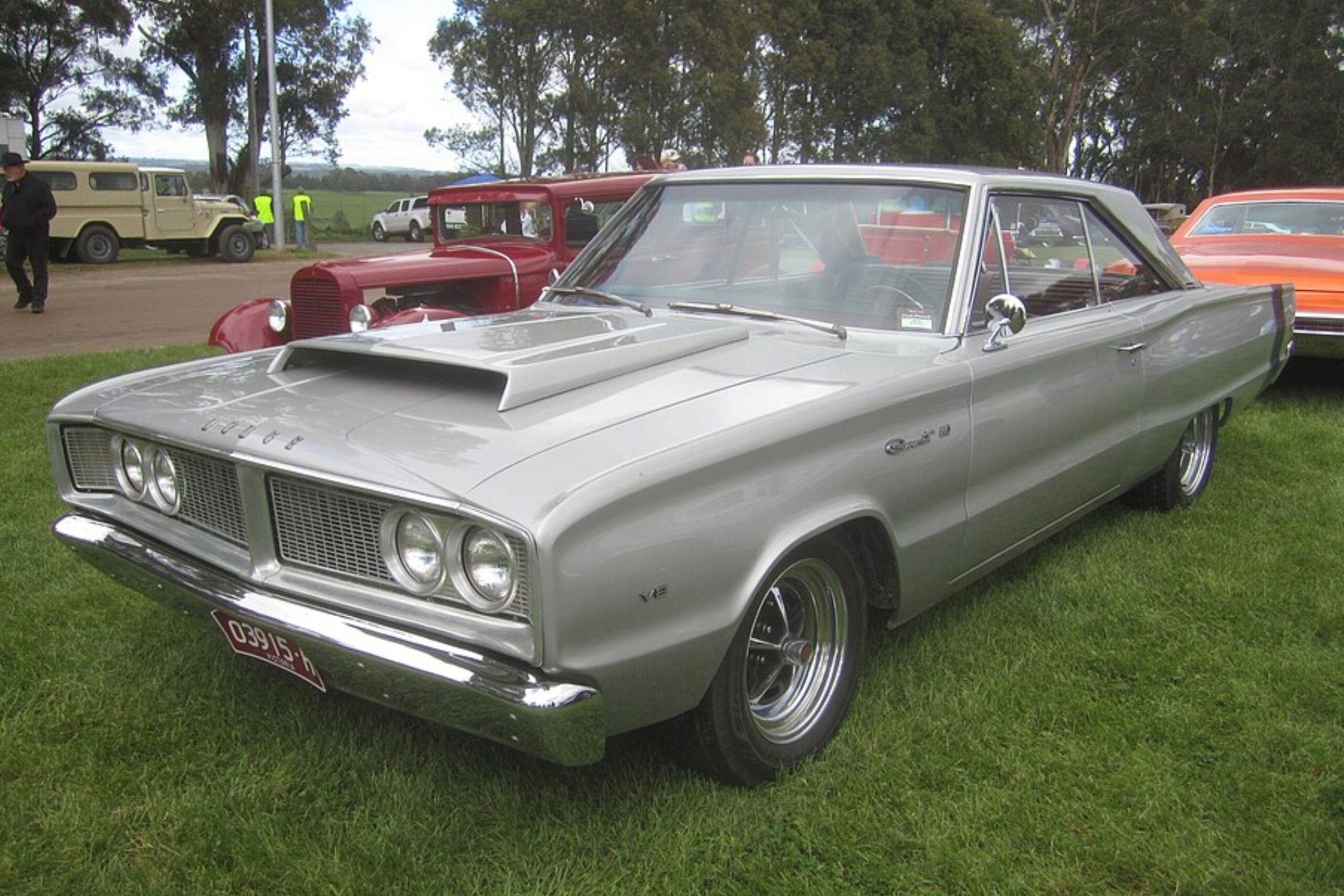
The first spring startup is supposed to be a little dramatic. A few cranks, a cough, that big-block rumble coming back to life after months of hibernation. But this time, the excitement went from “music to the ears” to “grab the extinguisher” in a heartbeat.
After pulling a 440 Mopar out of winter storage and turning the key, the owner watched flames jump up from under the hood near the carburetor. It wasn’t a slow smolder, either—it was the kind of quick, bright flare that makes your brain instantly replay every fuel-related decision you’ve made since last fall.
A spring startup turned into a fire drill
According to what was shared afterward, the car had been sitting through the cold months like a lot of classics do: tucked away, waiting for warmer days. The battery was back on, the fuel system was primed, and everything seemed normal enough for a first start. Then, right as it caught, the fire appeared near the carb area.
That location is a usual suspect on older V8 setups, especially with a carburetor and rubber fuel lines in the mix. It’s also a spot where a fire can grow fast because you’ve got fuel, air, and heat all meeting at the same party. If the hood is up, the flames can look worse than they are—until they suddenly are as bad as they look.
Why carb-area flames happen so suddenly
When a fire pops up near the carburetor, it often comes down to fuel being somewhere it shouldn’t be. A tiny seep can become a spray when the engine vibrates, and a spray doesn’t need much encouragement to ignite. Add a backfire, a hot surface, or a weak ignition component, and you’ve got an instant “whoa” moment.
One of the most common triggers is a leak at the fuel inlet fitting, fuel filter, or hose connection near the carb. Another is a stuck float or needle-and-seat issue that overfills the bowl and pushes raw fuel out of the vents. And sometimes it’s a simple case of old rubber line cracking over winter, then failing the moment it sees pressure again.
Winter storage can quietly set the stage
Cars don’t just “sit” in storage—materials age, seals dry, and fuel changes. Modern pump gas can evaporate and leave varnish behind, especially in small passages and around the needle-and-seat in a carburetor. Even if it ran fine when parked, the first start after months off can expose weaknesses that weren’t obvious before.
Temperature swings don’t help, either. Rubber hoses can stiffen, clamps can loosen slightly, and gaskets can shrink just enough to start weeping. It’s a little like grabbing a garden hose that’s been left out all winter and being surprised when it suddenly decides it has opinions about holding water.
Backfires, timing, and the “carb sneeze” effect
Not every carb-area flame is a straight fuel leak. Sometimes the engine backfires through the carburetor—often called a “carb sneeze”—and that flash can ignite fuel vapors sitting above the throttle blades. If there’s any dribble or overflow present, that quick pop can turn into visible flames.
Backfires can come from a lean condition, incorrect ignition timing, vacuum leaks, or even plug wires installed out of order. After storage, it’s also common to see weak spark, moisture in a cap, or marginal connections that make the ignition inconsistent. The engine stumbles, spits, and suddenly the carburetor becomes a flamethrower for half a second.
The small parts that cause big scares
On a big-block like a 440, the fuel system layout often puts a lot of important pieces right up top, where you can see—and smell—trouble quickly. A loose clamp, a brittle hose, or a filter with cracked plastic ends can all be enough to start the chain reaction. Even a slightly cross-threaded fitting can weep fuel only under certain conditions, which makes it maddening to diagnose.
There’s also the accelerator pump to think about. When you crack the throttle to coax a cold engine awake, the carb delivers a shot of fuel. If the engine doesn’t catch cleanly and you keep pumping, you’re basically painting the intake with more chances for ignition.
What people usually do in the moment
When flames show up under the hood, the instinct is to slam the hood shut or run for water. Closing the hood can sometimes help by limiting oxygen, but it can also trap heat where you don’t want it. Water, meanwhile, is risky around fuel and electrical components, and it tends to spread burning gasoline rather than stop it.
The best-case scenario is having a fire extinguisher within arm’s reach—ideally an ABC extinguisher that can handle fuel and electrical fires. A quick burst at the base of the flames can end the drama before it becomes a full-on rebuild. And yes, this is exactly why so many old-car folks keep an extinguisher in the passenger footwell like it’s part of the interior package.
After the flames: what typically gets checked
Once everything’s safe and cooled down, the next step is figuring out what fed the fire. People usually start by inspecting every inch of fuel hose from the pump to the carb, then checking clamps, fittings, and the carb’s inlet. If there’s a fuel filter up top, it gets a hard look for cracks, seepage, or loose connections.
Then comes the carb itself—float level, needle-and-seat condition, bowl vents, and gaskets. If fuel was overflowing, there’s often a telltale stain pattern or wetness around the top of the carb. It’s also common to check ignition timing and vacuum lines, because if a backfire lit things up, the underlying cause still needs to be fixed.
A reminder that “ran fine last fall” isn’t a guarantee
This kind of incident is a rough way to start the season, but it’s also a pretty classic story in the old-car world. Storage can mask small problems, and the first start is when they finally introduce themselves—loudly. The good news is most carb-area flare-ups are caught early, especially when someone’s standing right there watching the engine bay.
If there’s a silver lining, it’s that a quick fire near the carb often points to a fixable issue: a hose, a fitting, a float, a timing adjustment. It’s still scary, though, and it’s the sort of scary that convinces people to treat spring startups like a checklist moment, not a casual key-turn. Because nothing says “welcome back” like a 440 waking up—and nothing ruins it faster than an engine bay trying to toast marshmallows.
More from Fast Lane Only
- Unboxing the WWII Jeep in a Crate
- 15 rare Chevys collectors are quietly buying
- 10 underrated V8s still worth hunting down
- Police notice this before you even roll window down
*Research for this article included AI assistance, with all final content reviewed by human editors.