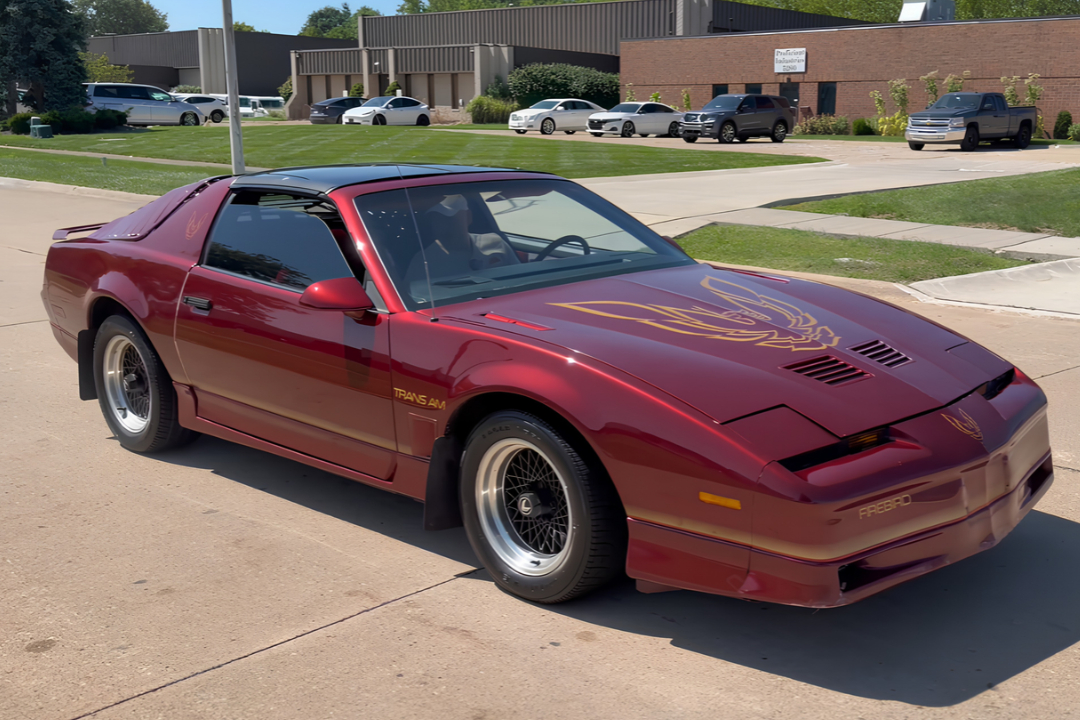
A car purchase that felt “a little fast” in the moment turned into a long night of second-guessing after a buyer says he found what looked like a salvage auction listing for the same vehicle just hours later. The buyer described feeling pressured to sign paperwork quickly, only to stumble onto an online photo showing the car in rougher shape than what he saw on the lot. He says the discovery left him wondering whether he’d been sold a story along with the keys.
The seller hasn’t publicly responded to the buyer’s claims, and the details of the transaction—like the exact dealer or state—weren’t provided. But the situation is familiar to anyone who’s ever walked into a showroom confident and walked out thinking, “Wait… did I actually read that?”
A smooth test drive, then a sprint to the signature line
According to the buyer, the experience started out normal enough: a decent test drive, a clean interior, and the usual small talk. He says the car looked good, sounded fine, and the price felt within reach. Then, once he signaled he was interested, the pace changed.
He claims the seller moved him quickly from desk to desk, pointing where to sign and brushing past questions with quick reassurances. He also says the paperwork was presented in a way that made it hard to pause and read—less “take your time” and more “we’re almost done.” Anyone who’s been in a dealership finance office knows the vibe: the printer’s humming, someone’s tapping a pen, and suddenly you’re initialing like it’s a timed exam.
The late-night search that flipped the mood
That night, the buyer says he did what a lot of people do after buying a used car: he searched the vehicle online. Sometimes it’s to find maintenance tips, sometimes it’s to price-check, and sometimes it’s just the brain replaying the day and looking for reassurance. He says he typed in identifying details—like the VIN or a combination of model, trim, and features—and started clicking.
Then he found it: an image that appeared to show the same car at a salvage auction. The buyer claims the photo showed visible damage, and the setting looked like an auction yard rather than a dealership lot. He says his stomach dropped, because the car he bought didn’t come with a clear warning that it may have been in a serious incident or declared salvage at some point.
What a salvage photo might mean (and what it might not)
Seeing a salvage auction photo online can mean a few different things, and not all of them automatically equal fraud. Some cars are rebuilt and legally returned to the road after repairs, depending on state rules and the severity of the damage. Others may have been listed at auction but never branded salvage, or the photo could be tied to a different vehicle that looks extremely similar.
Still, the buyer’s concern is understandable because title branding is one of those things that matters a lot and feels very personal once you’ve signed. A salvage or rebuilt title can affect resale value, insurance coverage, financing, and even basic peace of mind. Even if the car drives perfectly today, people don’t love surprises that come with paperwork and a long paper trail.
Why “rushed paperwork” is such a common red flag
The buyer’s biggest complaint wasn’t just the photo—it was the feeling of being hurried through documents that should’ve been explained clearly. When someone feels rushed, they’re more likely to miss key terms like “as-is,” add-on warranties, arbitration clauses, or disclosures about prior damage. It’s not that every fast transaction is shady, but speed can be a convenient cover for details that would raise questions if you had five quiet minutes and a highlighter.
And the reality is, car paperwork is long even when everything’s aboveboard. Buyers often assume the important part is the monthly payment, while the real story is tucked into line items and title status. If you’ve ever been told “it’s standard” while staring at a page you’ve never seen in your life, you know how easy it is to just nod and keep signing.
What the buyer can check right now
If the buyer still has the VIN, there are a few straightforward ways to verify what happened in the car’s past. He can request a title status check through his state’s DMV or equivalent agency and confirm whether the title is clean, salvage, rebuilt, or branded in another way. He can also pull a vehicle history report, though it’s worth remembering those aren’t perfect and can miss events or update slowly.
Another practical step is to compare the online salvage photo to the car in his driveway. Matching details like wheel style, interior trim, unique marks, or even factory option combinations can help confirm whether it’s truly the same vehicle. A body shop can also inspect for signs of major repairs—overspray, mismatched welds, replacement panels, frame measurements—things that don’t show up on a quick walkaround.
Paperwork to review before emotions take over
The buyer will want to re-read the documents he signed, especially the buyer’s order, any disclosure forms, the title paperwork, and any “as-is” statements. If there’s a section about prior damage, title branding, or odometer disclosures, that’s where the truth usually has to live. If he financed the car, the lender paperwork may also list vehicle identification details that help confirm the exact car tied to the deal.
It also helps to look for add-ons that can be canceled, like certain service contracts or protections, since those can complicate the numbers if he decides to unwind the purchase. And if the transaction happened very recently, he may still be inside a window—depending on state laws and dealer policies—where certain remedies are easier to pursue. People often assume there’s a universal “three-day return” for cars, but in many places that’s more myth than rule.
What sellers are typically required to disclose
Disclosure requirements vary by state, but title branding generally isn’t something a seller can just shrug off. If the vehicle has a salvage or rebuilt title, that status is usually reflected on the title itself, and buyers are typically entitled to know what they’re purchasing. There are also rules around odometer statements and certain damage disclosures, though the specifics can get technical fast.
If the buyer believes material facts were misrepresented, consumer protection offices and state attorneys general sometimes handle complaints, and legal advice may be worth considering. Even a short consultation can clarify options like rescission, arbitration procedures, or small claims paths. The key is to document everything: screenshots of the listing, copies of all paperwork, texts or emails, and a timeline of what was said and when.
A familiar warning for anyone shopping used
This story hits a nerve because it’s not about being careless—it’s about how easy it is to get swept up in momentum. A friendly salesperson, a decent price, and a “we’ve got another person coming to see it” line can make anyone move faster than they planned. Then later, when the house is quiet and you’ve got the keys on the counter, your brain finally has time to ask the questions you didn’t get to finish earlier.
For shoppers, the takeaway is simple: slow down the signature moment, even if everything else moves quickly. Ask for the VIN early, run a history check before you commit, and don’t be afraid to say, “I’m going to read this.” A legit deal will still be there after you take a breath—and if it isn’t, that tells you something too.
More from Fast Lane Only
- Unboxing the WWII Jeep in a Crate
- 15 rare Chevys collectors are quietly buying
- 10 underrated V8s still worth hunting down
- Police notice this before you even roll window down
*Research for this article included AI assistance, with all final content reviewed by human editors.