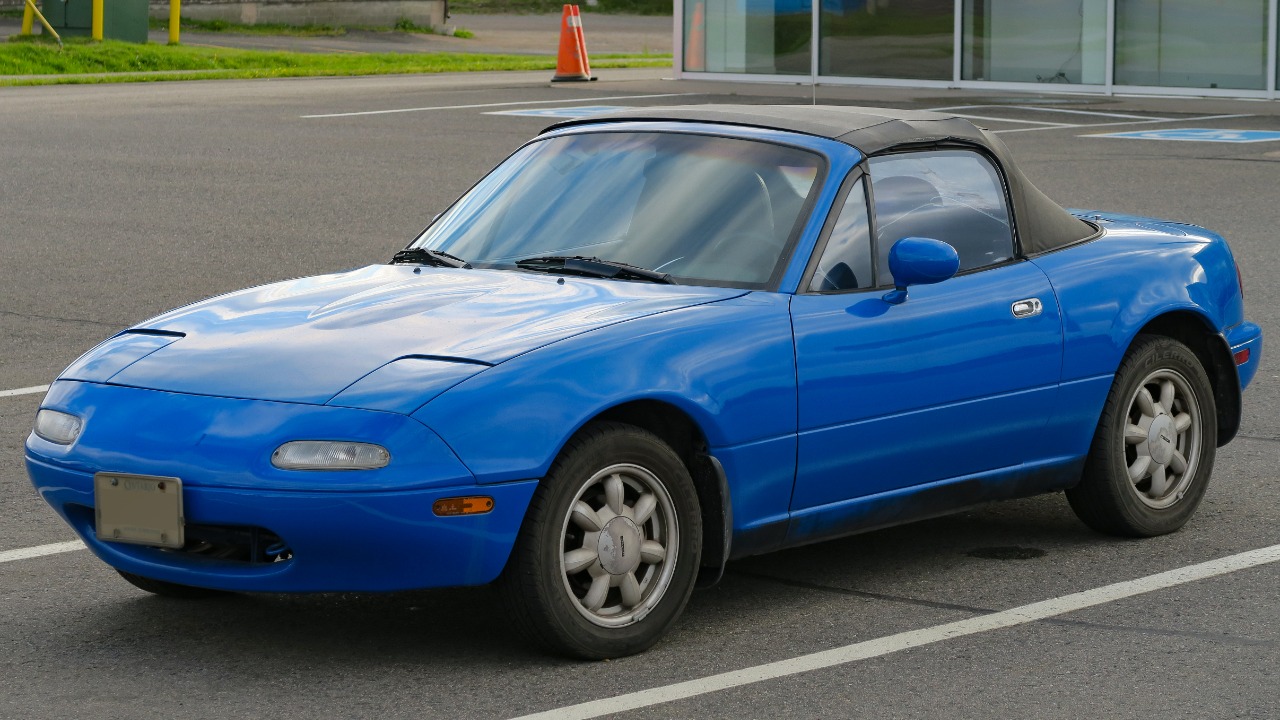
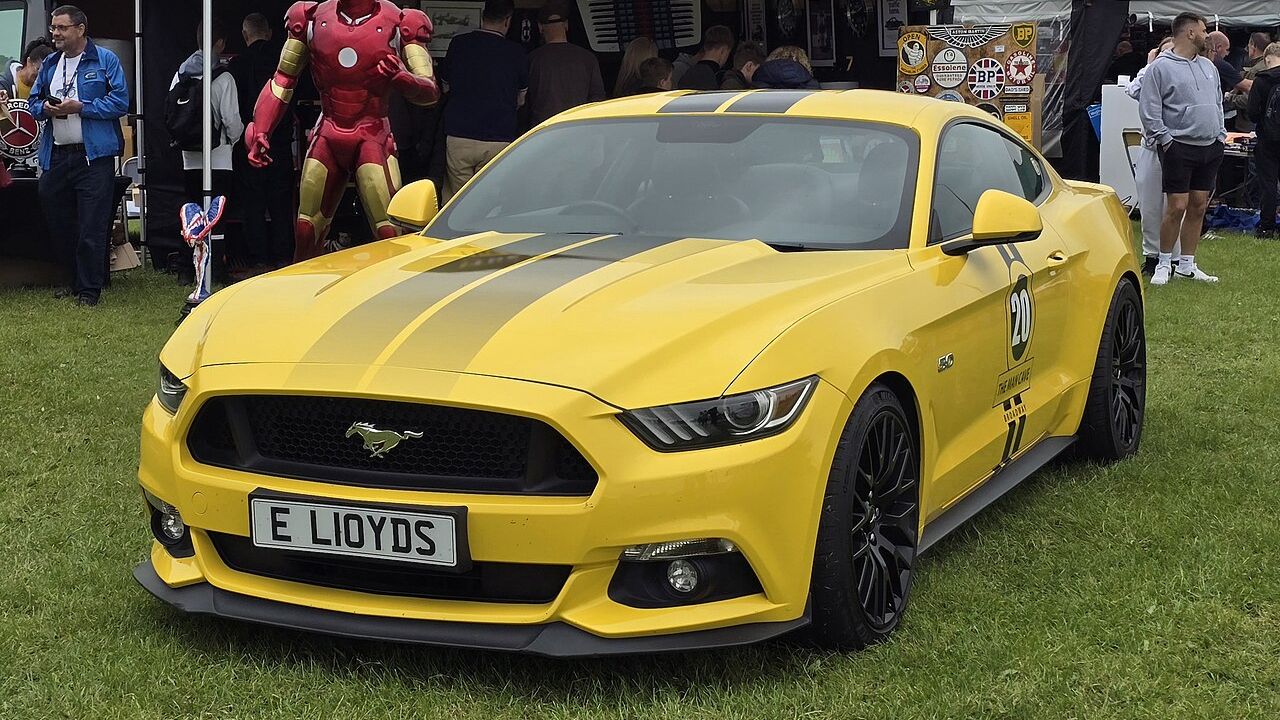
New car prices are climbing into record territory as automakers quietly shift more of their costs onto buyers. The latest round of Trump-era auto tariffs is now filtering through factory budgets and dealer lots, turning what had been stubbornly high prices into a new, more expensive normal for anyone shopping for a vehicle.
Instead of the broad price relief many consumers expected after the pandemic supply crunch, the market is settling into a pattern where tariffs, higher financing costs, and a shift toward pricier models all reinforce one another. I see those forces converging in a way that leaves shoppers paying more up front, more each month, and often for vehicles that are loaded with features they did not necessarily ask for.
Tariffs turn a tight market into a more expensive one
The starting point for understanding today’s sticker shock is that prices were already elevated before tariffs took full effect. Data from industry analysts show that vehicle prices have jumped significantly in recent years, with the average new-vehicle transaction price hitting fresh records even as inflation in other categories cooled. One report on average car prices notes that shoppers are facing higher costs across both new and used markets, and that monthly payments have risen in tandem as buyers stretch out loans to make the numbers work.
Into that environment, President Donald Trump’s administration has layered new tariffs on imported automobiles and parts, a policy that directly raises costs for manufacturers that rely on global supply chains. An explainer on auto tariffs details how levies on vehicles and components imported from key trading partners feed into the final price of a car, especially when a model is assembled in the United States but still depends on foreign-made parts. Another breakdown of How Trump tariffs on Automobiles and automotive parts will affect you underscores that a 25 percent duty on key components leaves automakers with a simple choice: absorb the hit or pass it along.
Automakers are passing costs through, not swallowing them
Automakers are making it clear that they do not intend to eat those tariff costs for long. In one assessment of the new policy, an industry executive warned that tariffs would likely add “a couple of thousands of dollars, if not more” to the price of affected vehicles, particularly those that rely heavily on imported parts. That warning, captured in reporting on how car prices will surge because of Trump’s tariffs, reflects a broader industry consensus that the easiest path is to raise stickers rather than sacrifice margins.
Retail pricing data now backs up that expectation. A detailed look at how Trump’s Tariffs Are Raising Car Prices As Automakers Pass those costs along describes how manufacturers have steadily adjusted suggested retail prices and cut back on discounts as tariffs took hold. Instead of a sudden spike the day a policy was announced, the pattern has been a gradual but persistent climb in transaction prices as each new model year bakes in higher production costs. That same dynamic shows up in coverage of car prices going up, where dealers report that new car prices did not explode overnight after President Donald Trump’s sweeping tariffs were unveiled, but have since drifted higher as inventories turned over.
Record transaction prices and shrinking affordability
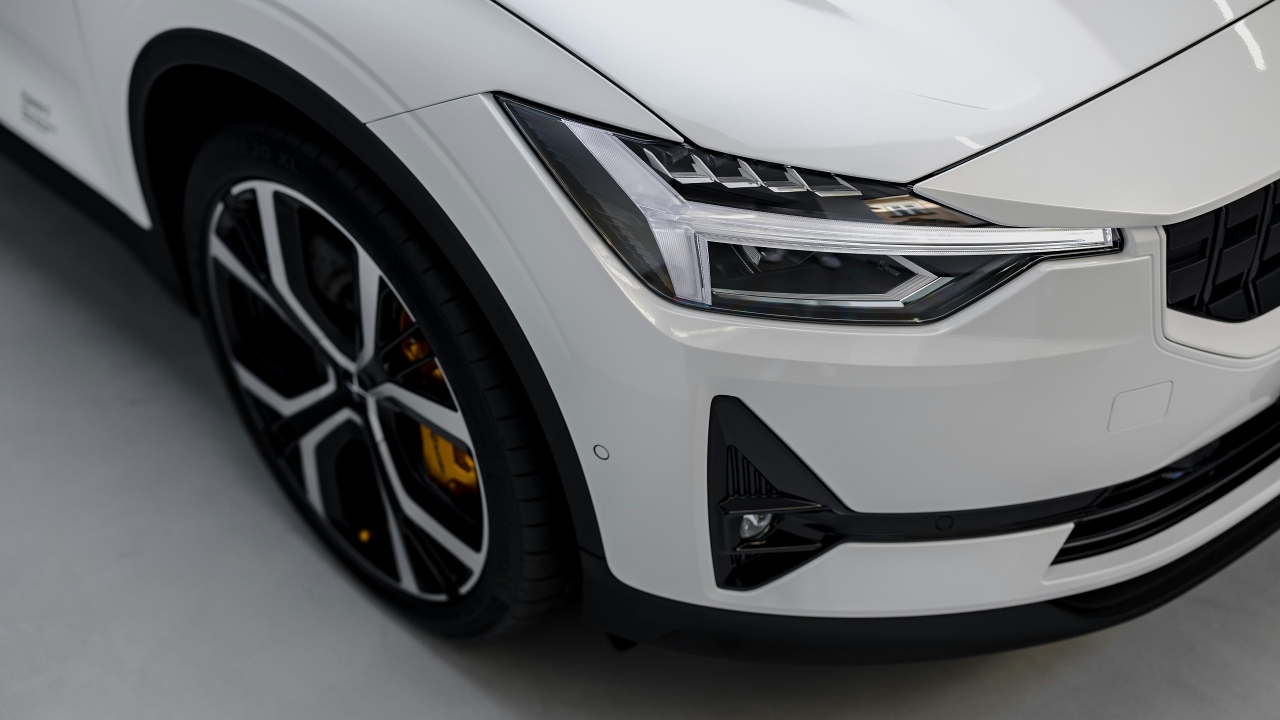
The result of those incremental increases is a market where the average new vehicle now costs as much as a starter home in some parts of the country. One analysis of monthly payments reports that car prices hit an average of $50,000 for the first time, a psychological threshold that underscores how far the market has moved from the era of the $25,000 family sedan. That same report notes that higher interest rates have pushed typical monthly payments into territory that strains household budgets, especially for buyers with less-than-perfect credit. When I look at those figures alongside the broader Average Car Price data, the picture that emerges is one where affordability is eroding even for mainstream models like the Toyota RAV4 or Ford F-150, not just luxury badges.
Manufacturers have tried to soften the blow with higher incentives, but those discounts are not fully offsetting the underlying price climb. A recent report on New-Vehicle Average Transaction Price trends notes that incentive spending rose to 7.4% of ATP, or approximately $3,700, in September, which is above the long term average. That sounds generous, but when the starting price of a midsize SUV is already near or above $50,000, a few thousand dollars in rebates only brings the payment back to where it might have been before tariffs and model mix shifts pushed prices higher. For buyers, the net effect is that even “good deals” are anchored to a much more expensive baseline.
Tariffs ripple into used cars and shopper behavior
The pressure is not confined to new vehicles. Higher new-car prices, driven in part by tariffs, are spilling into the used market as shoppers who might have bought a new compact crossover instead hunt for a late model used version. A forecast on 2025 Trends: Car Prices Remain Stubbornly High in New year conditions notes that 2025 Brings Challenges for Used Car Shoppers, Forcing a Potential Shift Towards New Cars as some buyers find that late model used vehicles are priced so close to new that the tradeoff no longer makes sense. That tension is likely to intensify as tariffs keep new-vehicle stickers elevated, since higher new prices tend to support higher residual values and lease buyout figures.
Specialty dealers are already warning that Trump’s tariffs could reshape the used market in less obvious ways. A detailed blog on How Will Trump Tariffs Affect Used Car Prices argues that Big changes are coming as import-focused segments, such as used German luxury sedans or Japanese sports cars, feel the knock-on effects of higher parts costs and reduced new-vehicle supply. With Presi Trump’s policies raising the cost of keeping those vehicles on the road, I expect some owners to hold on longer, which further tightens supply for shoppers who prefer a three to five year old car.
Why relief is unlikely soon and what buyers can still do
For shoppers hoping that this is a short term spike, the outlook is not especially comforting. Analysts tracking the market caution that buyers should not expect steep price drops anytime soon, even if supply chains continue to normalize. A detailed guide on When Will New Car Prices Drop? explains that while some pandemic era distortions have eased, strong demand and ongoing economic uncertainty are keeping Prices elevated. Another overview of Car-pricing trends reinforces that vehicle prices have jumped significantly and are not snapping back to pre-pandemic norms, in part because consumers have shown a willingness to finance larger, more expensive vehicles.
Tariffs add another layer of upward pressure that is unlikely to disappear quickly. A consumer advisory on The Latest Car Tariff Information notes that New cars: Shoppers can expect the tariffs to increase car prices by as much as $6,000 on vehicles priced under $40,000, a hit that is especially painful in the entry level and compact segments. The same guidance suggests that buyers who are on the fence might want to lock in a purchase before additional price increases take effect and asks bluntly, Can You Avoid paying the full tariff driven premium by considering different models, trims, or even timing. Parallel reporting on car prices going up but how much of it is from tariffs quotes analyst Wainschel explaining that If the current mix of vehicles for sale looked more like it did earlier in the year, average prices would be lower, which suggests that shoppers who are flexible on body style and features still have some room to maneuver.
That flexibility may be the most powerful tool buyers have in a tariff driven market. Reports on tariff impacts point out that if new cars become too expensive, some consumers will simply hold on to their current vehicles longer, echoing what happened during the pandemic. Others may downsize from a loaded full size pickup to a smaller crossover, or shift from a new vehicle to a certified pre-owned model that avoids the steepest tariff pass through. I see that kind of adaptation already in the data on New Shoppers, where buyers are increasingly cross shopping segments and brands in search of a monthly payment that fits. The uncomfortable reality is that tariffs are now baked into the price of a car in much the same way as destination fees or dealer add ons, and for the foreseeable future, consumers will be the ones footing that bill.