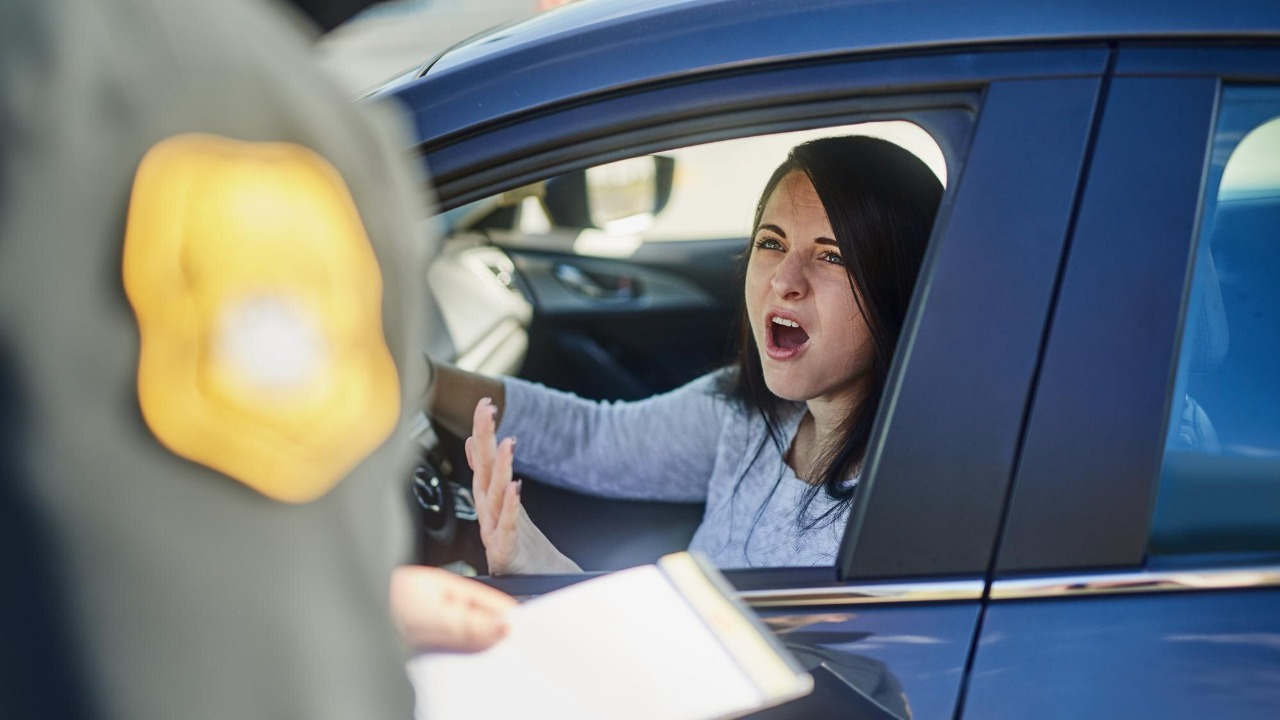
Drivers expect speed limits and stop signs, not rules that sound like set ups for late night comedy. Yet across the United States and beyond, traffic codes still contain relics so odd that many motorists assume they are jokes until a ticket appears. These laws reveal how fast car culture evolved and how slowly legal codes sometimes catch up.
Behind the punchline ready language sit real stakes for anyone who travels, rents a car, or crosses borders. A driver who laughs off a bizarre local rule can still face fines, court dates, and insurance headaches, even when the law feels like a prank pulled from another century.
When “you must be kidding” is actually on the books
Some of the strangest rules sit in plain sight in state codes, where they read more like dares than safety guidance. In Alabama, lawmakers decided that driving while blindfolded needed an explicit ban, so motorists there face penalties if they cover their eyes and still take the wheel, a detail listed among several Weird Driving Laws. In Alaska, regulators targeted a different risk and barred drivers from traveling with a dog tethered to the roof, a rule that sounds like satire until one remembers how often cargo and pets ride unsecured.
Legal analysts note that some of these rules remain enforceable even if police rarely write tickets under them. One review of some of these provisions stresses that they still sit in statute books across various states in the U.S. and can support citations. That gap between daily practice and legal text helps explain why drivers often treat these rules as urban legends until an officer or judge reminds them that the code, not common sense, controls.
Relics from the horse and buggy era that never quite left
Many of the most outlandish traffic rules trace back to the early days of motoring, when lawmakers tried to protect horses, pedestrians, and nervous residents from noisy machines. Historical accounts describe how, in the 1920s, cars spread across American roads and Changes in traffic rules tried to avoid startling the horses that still shared the streets. Some quirky laws from that period even required a person waving a red flag to walk ahead of a vehicle, a rule that made sense when engines were rare and unpredictable.
Those early compromises between animal power and combustion engines left a long tail of oddities. States experimented with bans on loud horn use, strict limits on night driving, and elaborate right of way rules that treated cars as intruders on established routes. As American cities modernized, many of these provisions faded from enforcement but not from the written code, which helps explain why drivers still encounter archaic language that seems tailored to a world of carriages rather than compact SUVs.
Modern quirks that still catch drivers off guard
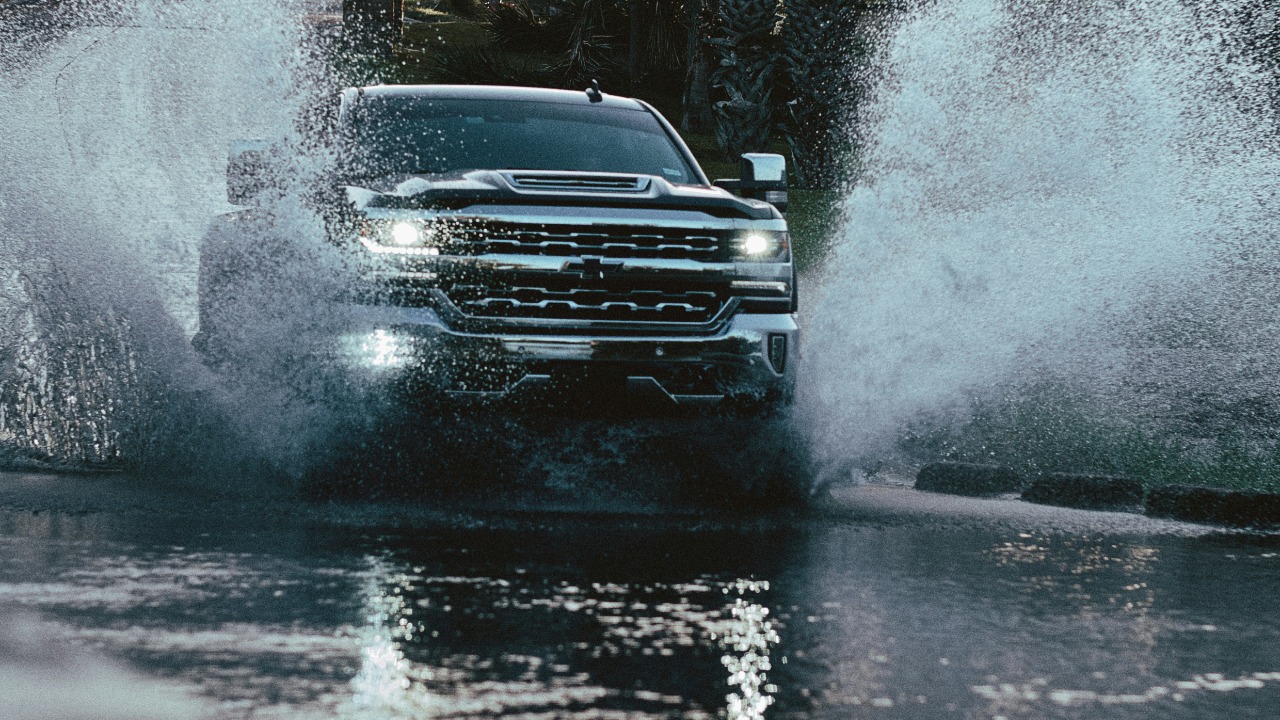
Not every strange rule belongs to a sepia toned past. Contemporary traffic codes still feature hyper specific bans that reflect local politics, neighborhood complaints, or one notorious incident. A survey by The International Drivers Association highlights how drivers on American roads can face penalties for dirty vehicles in some towns or for splashing pedestrians in others. These rules often emerge from local frustration, then linger long after the original controversy fades.
California offers a dense cluster of such curiosities, especially in cities that layered new ordinances on top of state law. Legal guides point out that While some weird laws in California seem amusing or outdated, they still shape the complex and sometimes quirky legal landscape of San Francisco and other jurisdictions. Drivers who treat these provisions as folklore risk real fines if they park in the wrong direction on a steep hill or ignore a hyper local restriction that never made national news.
When a “prank” ticket becomes a very real problem
The shock of receiving a citation under a bizarre rule often feels like the setup to a practical joke. Traffic lawyers describe clients who thought officers were teasing when they mentioned obscure code sections, only to discover a court date printed in black and white. One firm that handles highway cases notes that motorists sometimes treat speeding or lane violations as harmless until they wake up from that “dreaming” mindset and face the consequences, a pattern described in a discussion of Apr traffic tickets that feel like pranks but carry real penalties.
Those penalties can escalate quickly once insurance companies and rental agencies enter the picture. Guidance for travelers warns that drivers should treat every jurisdiction’s rules seriously and avoid assuming that a strange sounding law will never be enforced. Rental car experts advise customers to study Avoiding Issues Familiarize Yourself with Local Traffic Laws so they do not rack up tickets that follow them home and inflate future booking costs.
Global rules that feel like culture shock behind the wheel
Strange traffic laws are not a uniquely American quirk. Drivers who leave the United States often discover that what feels like a prank abroad is simply standard etiquette in another country. Travel advisers stress that, While many foreign driving rules do not vary far from those in the United States, visitors still need to read up on local laws to avoid fines and to avoid disregarding driver etiquette without even knowing.
Some countries require daytime headlights on every road, others ban certain car colors for taxis, and several enforce strict right hand or left hand lane rules that differ from American norms. These variations can feel arbitrary to tourists who just stepped off a flight and climbed into a compact rental, but local police treat them as nonnegotiable. The same confusion that surrounds odd state rules in the U.S. repeats at a global scale, with travelers convinced that a foreign officer must be joking until the citation printer starts whirring.
Why lawmakers wrote such odd rules in the first place
Behind each head scratching statute sits a story about risk, politics, or public pressure. Analysts who track Strange But True traffic codes note that every state carries its own set of quirky driving laws every year, often born from a single incident that spurred a legislator to act. A runaway animal, a high profile crash, or a viral stunt can all prompt a narrowly tailored rule that later generations view as overkill.
Historical reviews of Here and other compilations show that lawmakers often wrote these provisions to plug perceived gaps rather than to craft coherent systems. Over time, legislatures updated speed limits and drunk driving thresholds but left the oddities untouched, either because they seemed harmless or because no one wanted to spend political capital cleaning up the code. The result is a patchwork of rules that mix serious safety measures with relics that sound like pranks, yet still carry the force of law.
How drivers can protect themselves from the punchline
Motorists cannot rewrite outdated statutes, but they can reduce the odds of becoming the butt of a legal joke. Safety advocates urge drivers to treat every new city or state like a fresh classroom and to scan local rules before hitting the road. That advice applies whether someone is commuting in a used Toyota Camry, test driving a new electric crossover, or picking up a compact hatchback at an airport counter.
Travel and legal guides converge on a simple strategy. Drivers should review official state or national websites, skim rental agreements for references to local codes, and pay close attention to posted signs that hint at unusual restrictions. Even a quick search for Weird Driving Laws in a destination can flag rules that might otherwise surprise a visitor. The laws may sound like pranks, but the tickets, court costs, and insurance hikes that follow remain very real.