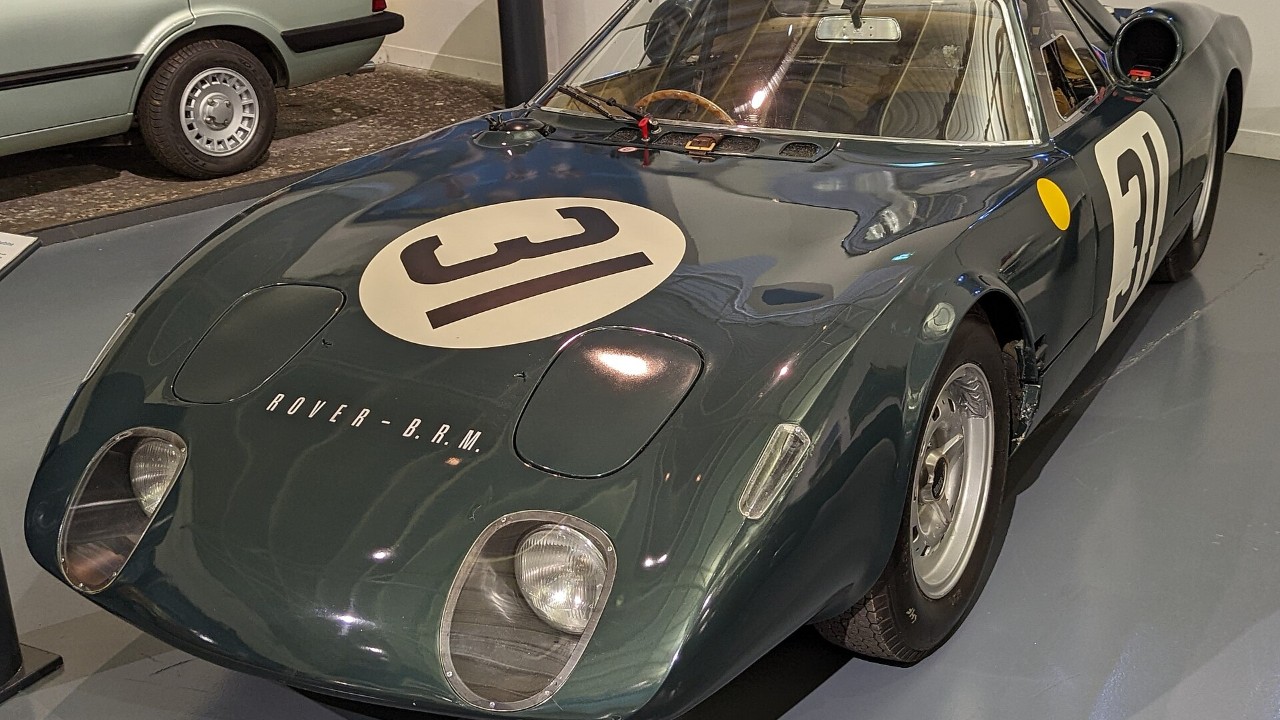
In the realm of automotive design, there is a fascinating intersection where cars meet the skies. Airplane-inspired styling has made its way into car designs, offering a blend of aerodynamics, innovation, and aesthetics that captures the imagination of both car enthusiasts and aviation aficionados alike.
The Influence of Aerodynamics on Car Design
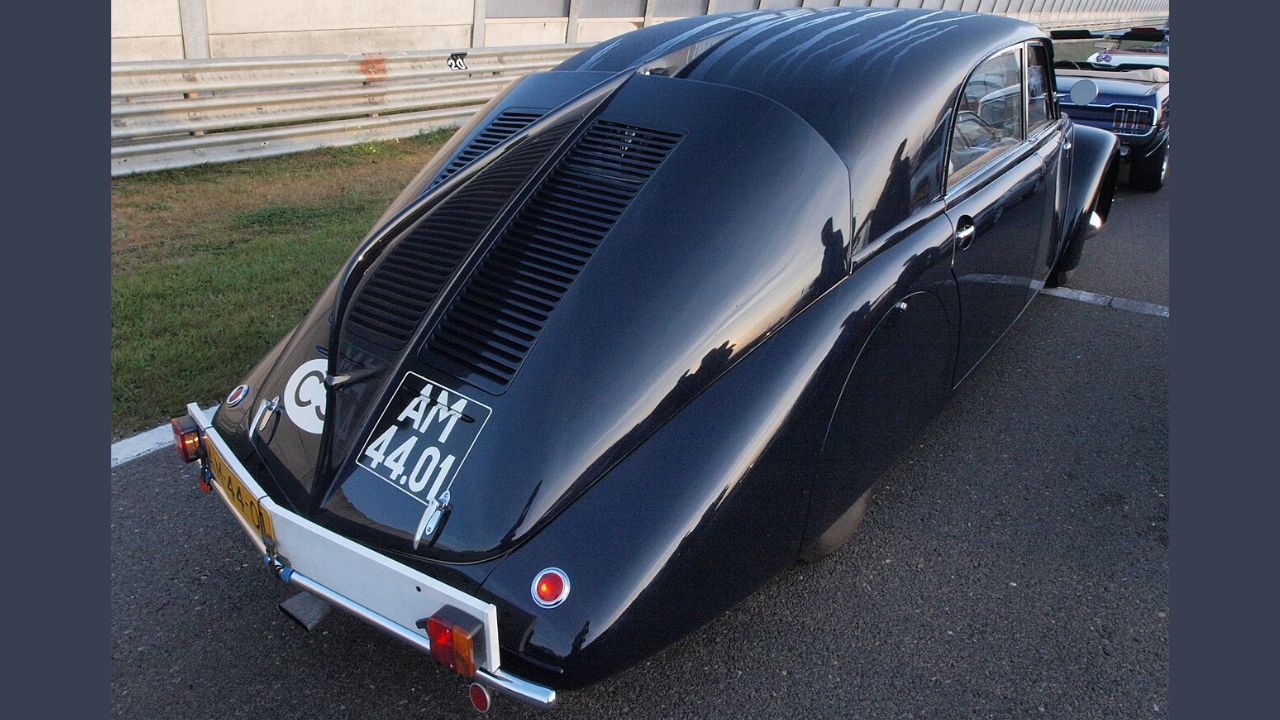
Aerodynamics plays a crucial role in enhancing the performance and fuel efficiency of vehicles. By reducing drag and improving airflow, cars can achieve higher speeds and better fuel economy. This principle, borrowed from aircraft design, has been a guiding force in automotive engineering for decades. The adaptation of these principles has led to the development of cars that not only perform better but also consume less fuel, making them more environmentally friendly.
Historically, car manufacturers have looked to the skies for inspiration. In the early 20th century, as aviation technology advanced, car designers began to incorporate aerodynamic features seen in aircraft. The streamlined shapes and smooth surfaces of airplanes were translated into car designs, resulting in vehicles that cut through the air with greater efficiency. Iconic models like the 1938 Tatra T77 and the 1955 Citroën DS are prime examples of cars that successfully integrated aerodynamic features inspired by airplanes.
Streamlined Shapes and Body Lines
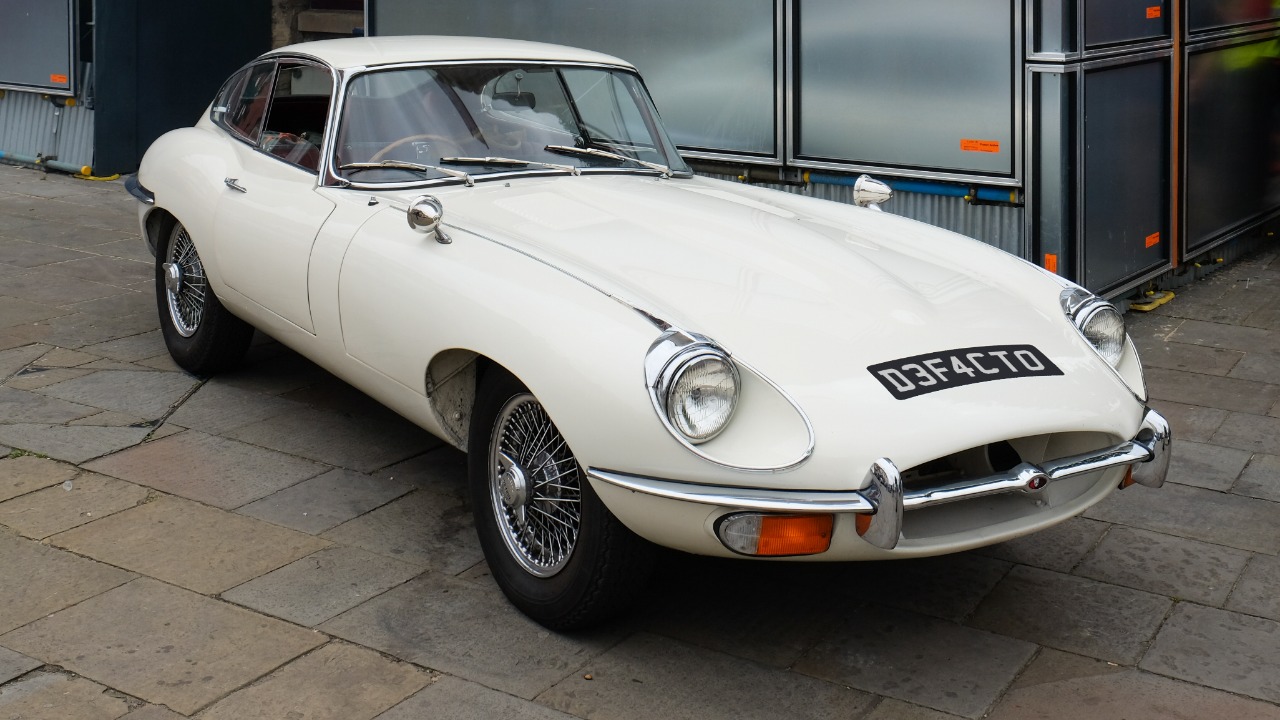
The evolution of car body shapes has been significantly influenced by aircraft streamlined designs. The sleek lines and curves that define modern vehicles owe much to the aerodynamic principles first developed for airplanes. These design elements not only improve vehicle dynamics by reducing drag but also enhance the aesthetic appeal of cars, giving them a futuristic and sophisticated look.
Several car brands have embraced streamlined, aircraft-inspired silhouettes. For instance, the Tesla Model S features a smooth, aerodynamic body that reduces air resistance and improves efficiency. Similarly, the Jaguar E-Type, with its long hood and rounded body, reflects the influence of aircraft design in its pursuit of speed and elegance. These examples highlight how the integration of streamlined shapes can lead to both functional and visual improvements in car design.
Cockpit-Inspired Interiors
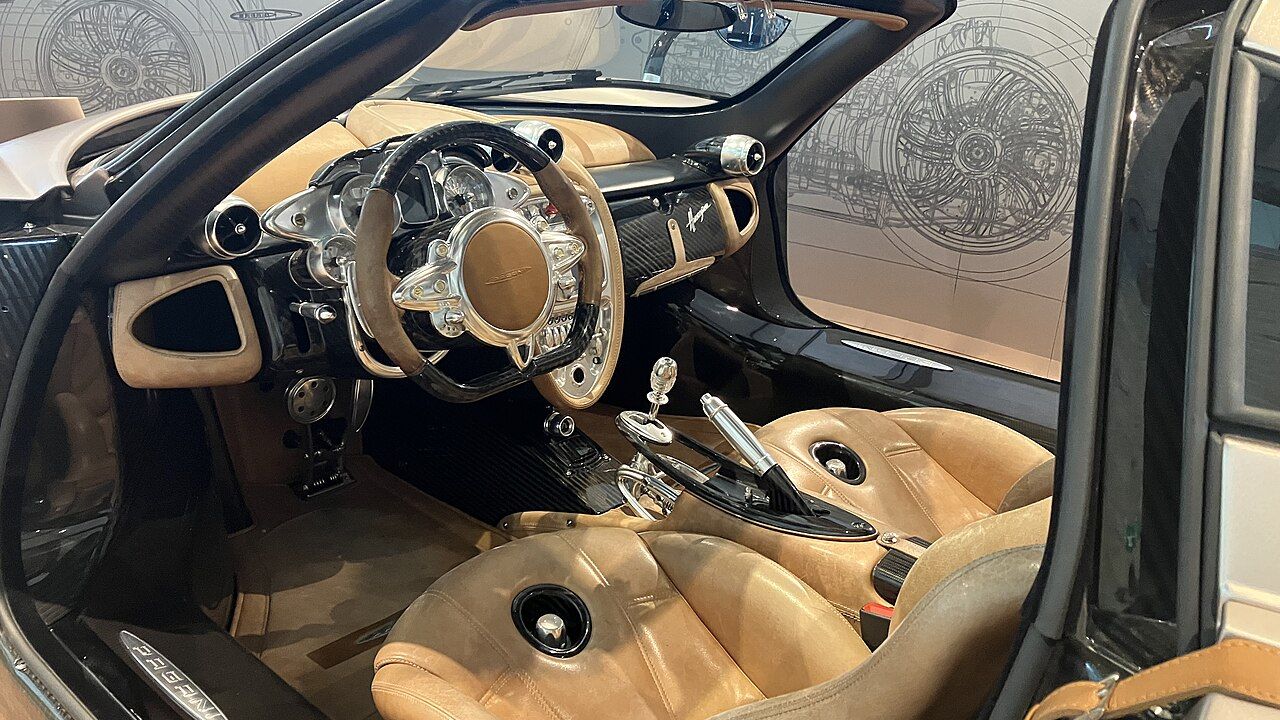
The development of car interiors has also been influenced by airplane cockpits, aiming to enhance the driver experience. The layout of controls and instrumentation in modern vehicles often mirrors that of aircraft, providing drivers with a sense of control and precision. This design approach not only improves functionality but also creates a more immersive driving experience.
Technology and instrumentation in cars have evolved to resemble aircraft control panels. Features such as heads-up displays, digital dashboards, and advanced navigation systems are reminiscent of the technology found in modern airplanes. The psychological impact of cockpit-style interiors on drivers and passengers is significant, as it can evoke feelings of excitement and adventure, transforming the act of driving into a more engaging experience.
Materials and Construction Techniques Borrowed from Aviation
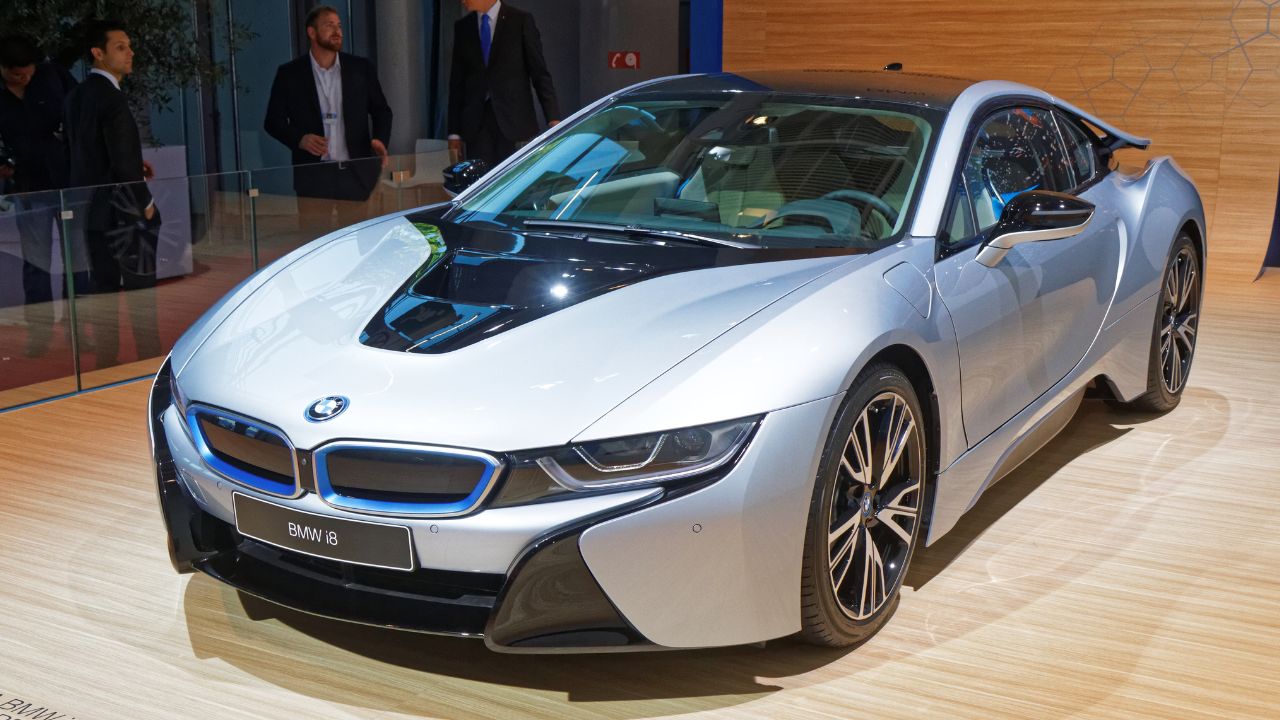
The use of lightweight materials such as carbon fiber and aluminum in car construction is another area where automotive design has borrowed from aviation. These materials, known for their strength and lightness, help improve vehicle performance by reducing weight and enhancing safety. The adoption of such materials has allowed car manufacturers to create vehicles that are both faster and more fuel-efficient.
Innovations in manufacturing processes inspired by the aerospace industry have also made their way into car production. Techniques such as precision engineering and advanced composites have enabled the creation of more durable and efficient vehicles. For example, the BMW i8 utilizes carbon fiber-reinforced plastic, a material commonly used in aircraft, to achieve a lightweight yet strong structure. This integration of aviation-grade materials demonstrates the ongoing influence of aerospace technology on automotive design.
The Future of Airplane-Inspired Car Design

Emerging trends in car design continue to be influenced by the next generation of aircraft technologies. As electric and autonomous vehicles become more prevalent, the potential impact on airplane-inspired styling is significant. These advancements offer new opportunities for integrating aviation principles into automotive design, leading to vehicles that are not only more efficient but also more innovative.
Predictions and expert opinions suggest that the future integration of aviation principles in automotive design will focus on sustainability and efficiency. As car manufacturers strive to meet environmental standards and consumer demands, the influence of aircraft design is likely to grow. The continued collaboration between the automotive and aerospace industries promises to yield exciting developments in car design, pushing the boundaries of what is possible.
Like Fast Lane Only’s content? Be sure to follow us.
Here’s more from us:
*Created with AI assistance and editor review.