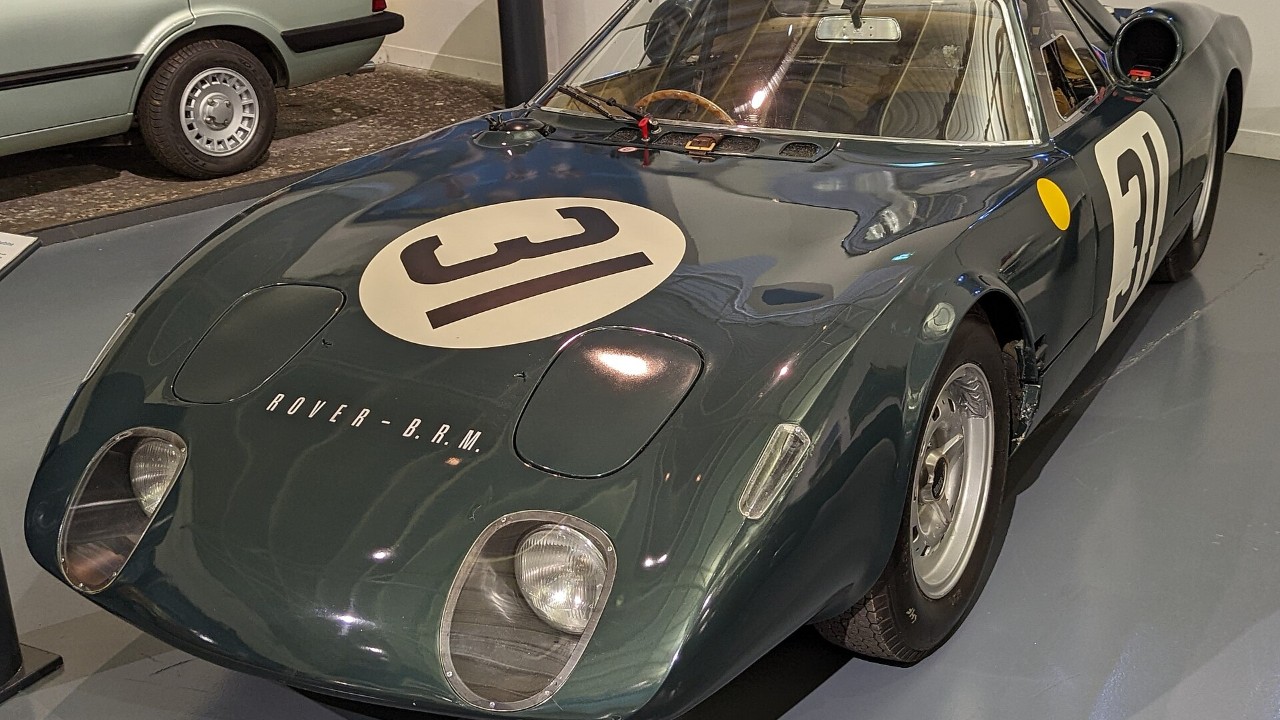
The 1950s was a decade of bold experimentation and expressive design in the automotive industry, marked by the emergence of distinctive tailfin designs. These fins, inspired by the jet age and space race, became a symbol of futuristic innovation and opulence. We explore some of the most unusual and iconic tailfin designs of the era.
The Rise of Tailfins: A Symbol of the Jet Age
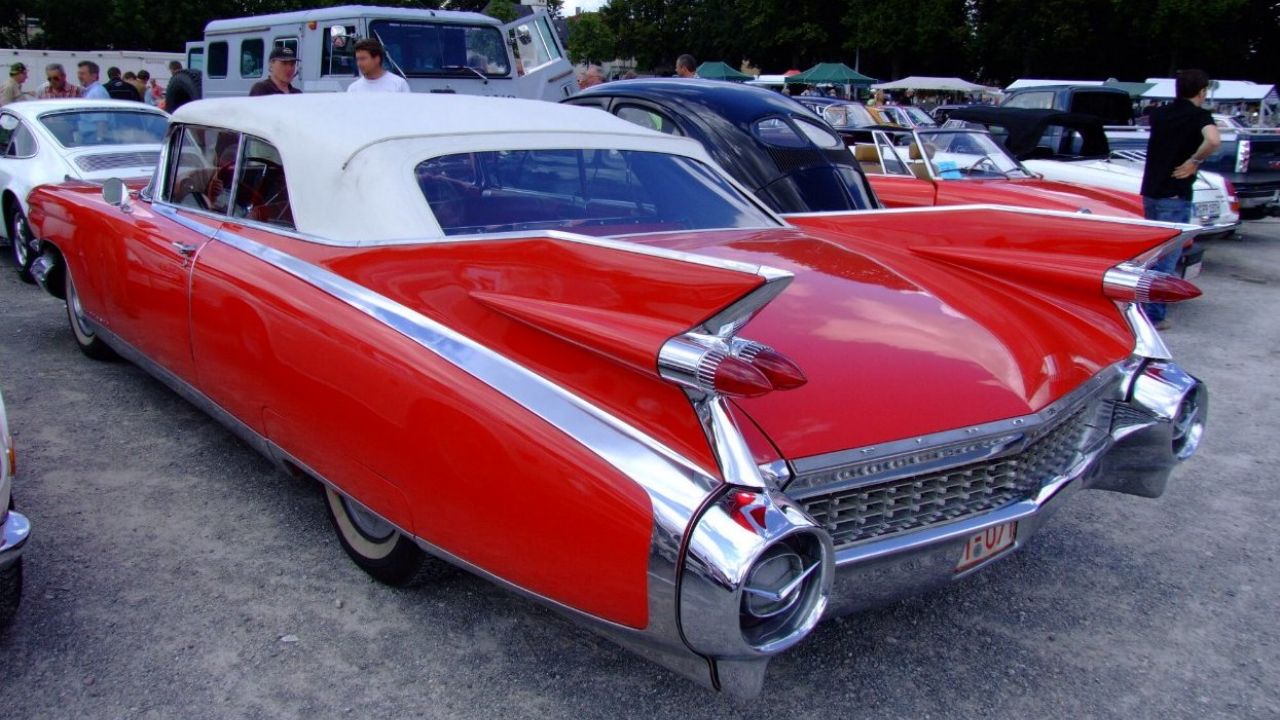
The influence of aviation and rocket technology on car design during the 1950s cannot be overstated. As the world became captivated by the possibilities of flight and space exploration, automotive designers drew inspiration from these fields, incorporating aerodynamic elements into their creations. Tailfins, reminiscent of aircraft stabilizers, became a defining feature of this era, symbolizing speed and modernity. These designs were not just about aesthetics; they were a reflection of the technological optimism of the time.
Tailfins quickly evolved into a status symbol, representing luxury and innovation. Manufacturers used them as a marketing tool to attract consumers who desired the latest and greatest in automotive design. The larger and more elaborate the fins, the more they signified prestige and success. This trend sparked fierce competition among automakers, each striving to outdo the other with increasingly extravagant designs. The tailfin became a key element in the automotive design competition of the 1950s, pushing the boundaries of creativity and engineering.
Iconic Designs and Their Unique Features
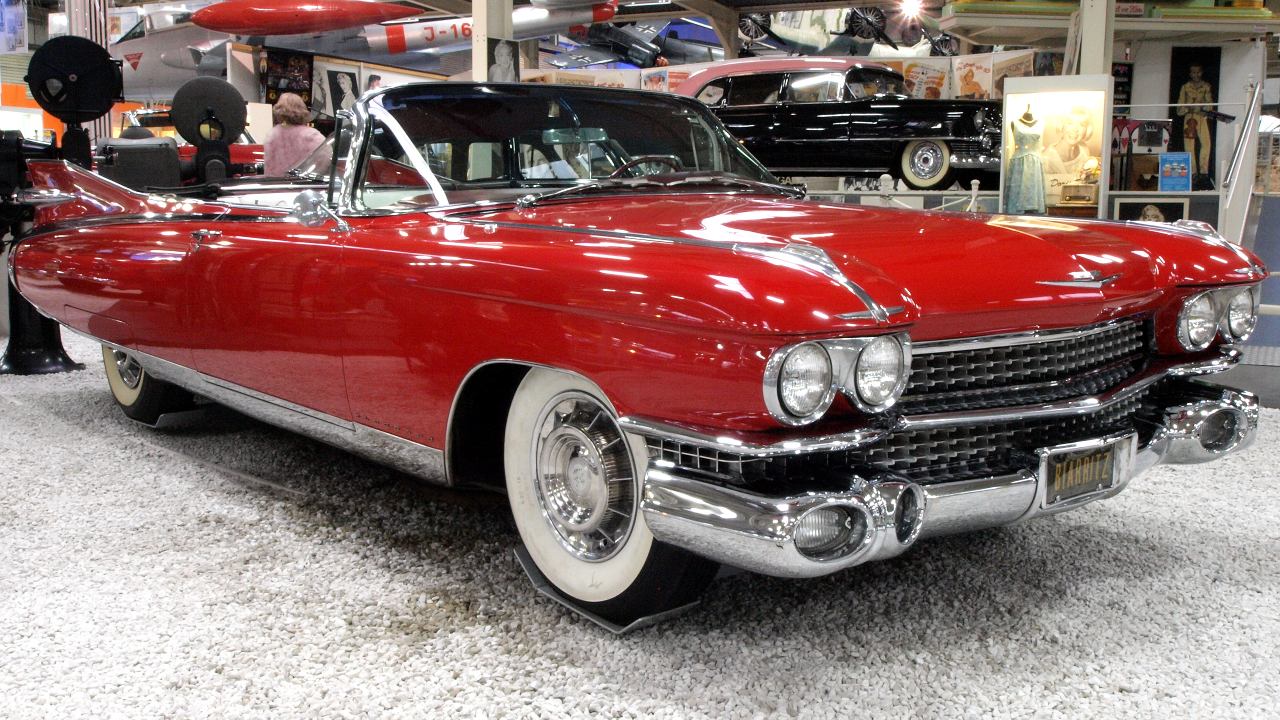
The 1959 Cadillac Eldorado stands as the pinnacle of tailfin extravagance. Its towering fins and bullet-shaped taillights epitomized the excess and flair of the era. The Eldorado’s design was not just about visual impact; it played a crucial role in solidifying Cadillac’s brand identity as a leader in luxury and innovation. The model’s market success was a testament to the power of bold design choices, capturing the imagination of consumers and setting a high bar for competitors.
Another standout from the era was the 1957 Chrysler Imperial, which combined luxury with cutting-edge design. Its “gunsight” taillights and sculpted fins set it apart in a crowded market, showcasing Chrysler’s commitment to innovation. The Imperial’s design was a harmonious blend of form and function, appealing to consumers who valued both aesthetics and performance. This model demonstrated how Chrysler’s approach to design could differentiate it from other luxury brands, leaving a lasting impact on the industry.
The Designers Behind the Fins

Harley Earl, General Motors’ visionary leader, is often credited as the father of the tailfin. His influence on American car design was profound, as he championed the integration of aviation-inspired elements into automotive styling. Earl’s legacy in the industry is marked by his ability to foresee trends and push the boundaries of conventional design. His work on models like the Cadillac Eldorado not only defined an era but also set a precedent for future generations of designers.
Virgil Exner, Chrysler’s forward-thinking designer, also played a pivotal role in the evolution of tailfin design. Exner’s approach was to integrate fins with functional design, ensuring that they were not merely decorative but also enhanced the vehicle’s performance. His notable models, such as the Chrysler Imperial, showcased his ability to blend innovation with elegance. Exner’s design philosophy evolved over time, influencing the direction of automotive styling well beyond the 1950s.
Cultural Impact and Legacy

Tailfins became an iconic symbol of 1950s Americana, representing the optimism and prosperity of the post-war era. They were prominently featured in media, art, and popular culture, becoming synonymous with the decade’s spirit of innovation and progress. The nostalgia for tailfin-era cars remains strong, with collectors and enthusiasts seeking out these vehicles for their historical significance and unique design.
However, the tailfin era came to an end in the 1960s as design trends shifted and consumer preferences evolved. Factors such as changing safety regulations and a growing emphasis on fuel efficiency contributed to the decline of tailfins. Despite this, the influence of 1950s tailfin designs can still be seen in modern automotive styling, as designers continue to draw inspiration from this bold and imaginative period.
Unusual and Lesser-Known Examples
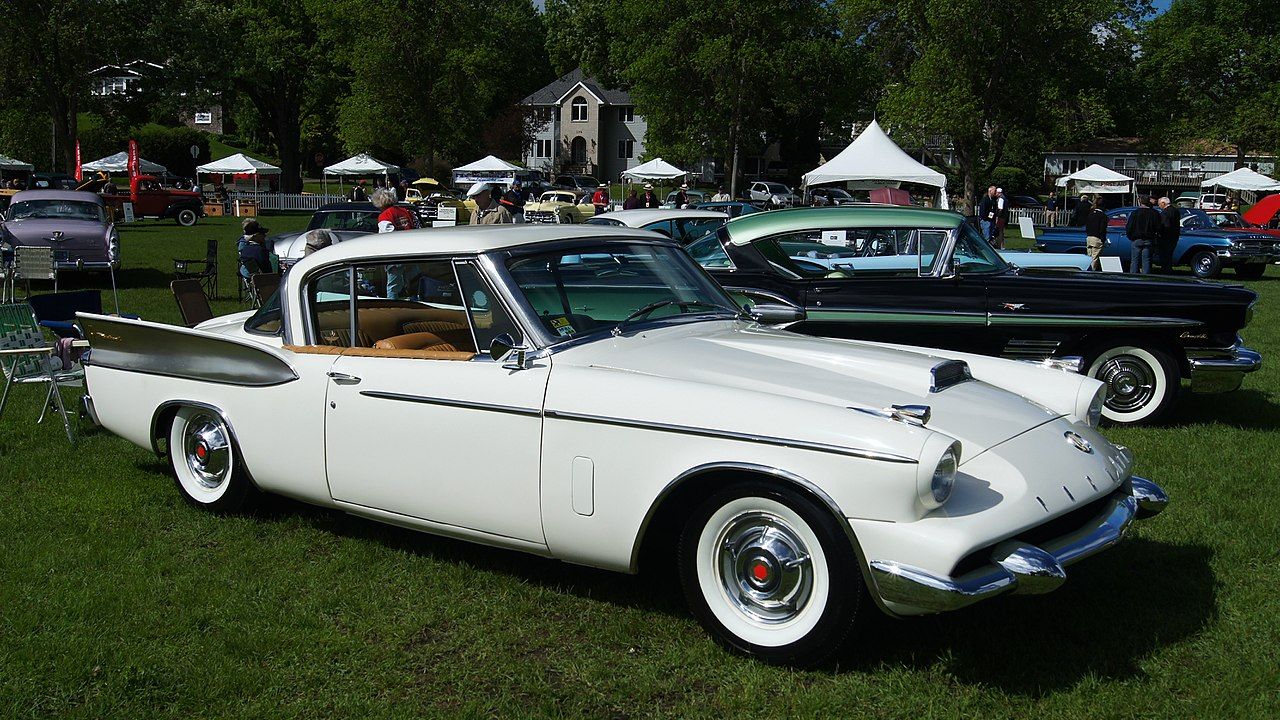
The 1958 Packard Hawk represents one of the last efforts of a dying brand. Its unique design elements, including a distinctive grille and tailfin configuration, were met with mixed reception by the public. Despite its innovative features, the Hawk struggled to gain traction in a competitive market, ultimately marking the end of Packard’s storied history. Today, the Hawk is a sought-after collector’s item, valued for its rarity and the story it tells about the final years of a once-great brand.
The 1956-57 Lincoln Premiere offered a blend of elegance and innovation that set it apart from its competitors. Its distinctive features, such as the integrated taillights and sleek fins, diverged from the more flamboyant designs of the time, showcasing Lincoln’s commitment to understated luxury. The Premiere’s approach to design influenced future luxury car models, emphasizing the importance of balance between style and sophistication.
Like Fast Lane Only’s content? Be sure to follow us.
Here’s more from us:
*Created with AI assistance and editor review.