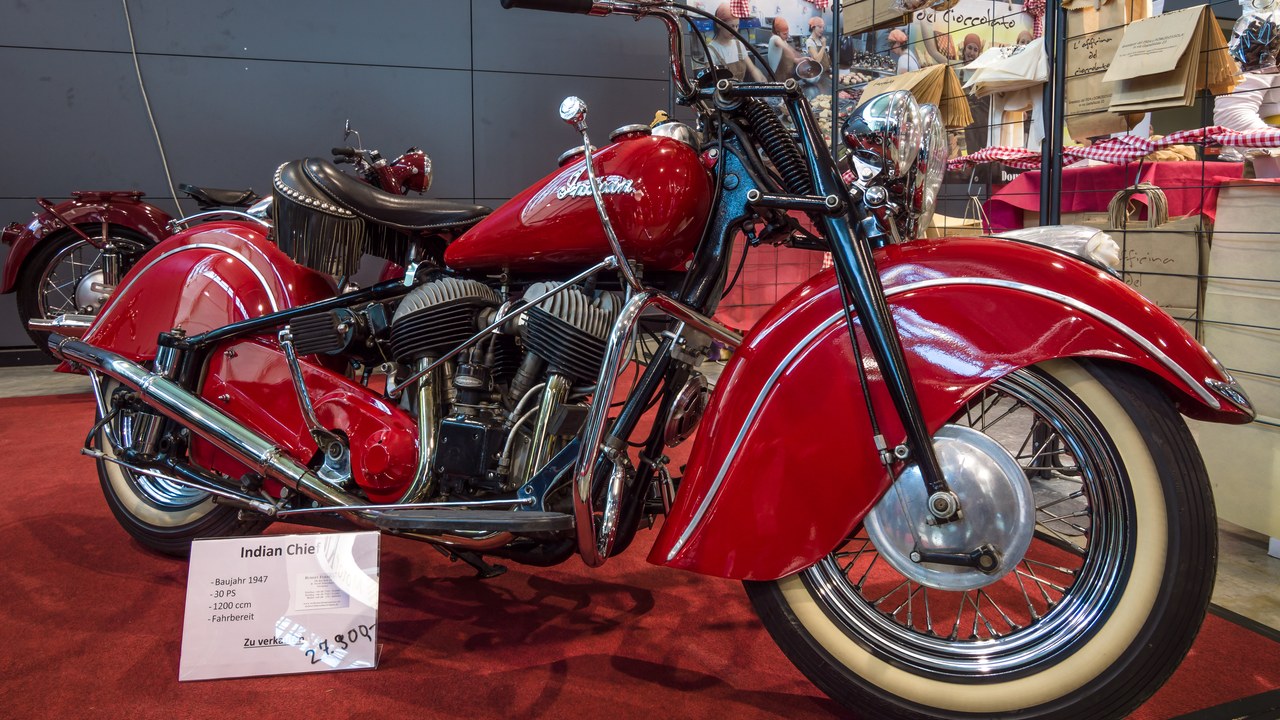
While certain cars are affordable to purchase, transforming them into racing machines often incurs significant costs. Enthusiasts often find that the real expense lies in the modifications and upkeep needed to handle the rigors of racing. Below, I explore eight cars that fit this profile. They are beloved by racers for their potential and performance, but they come with hidden costs once you hit the track.
Mazda Miata
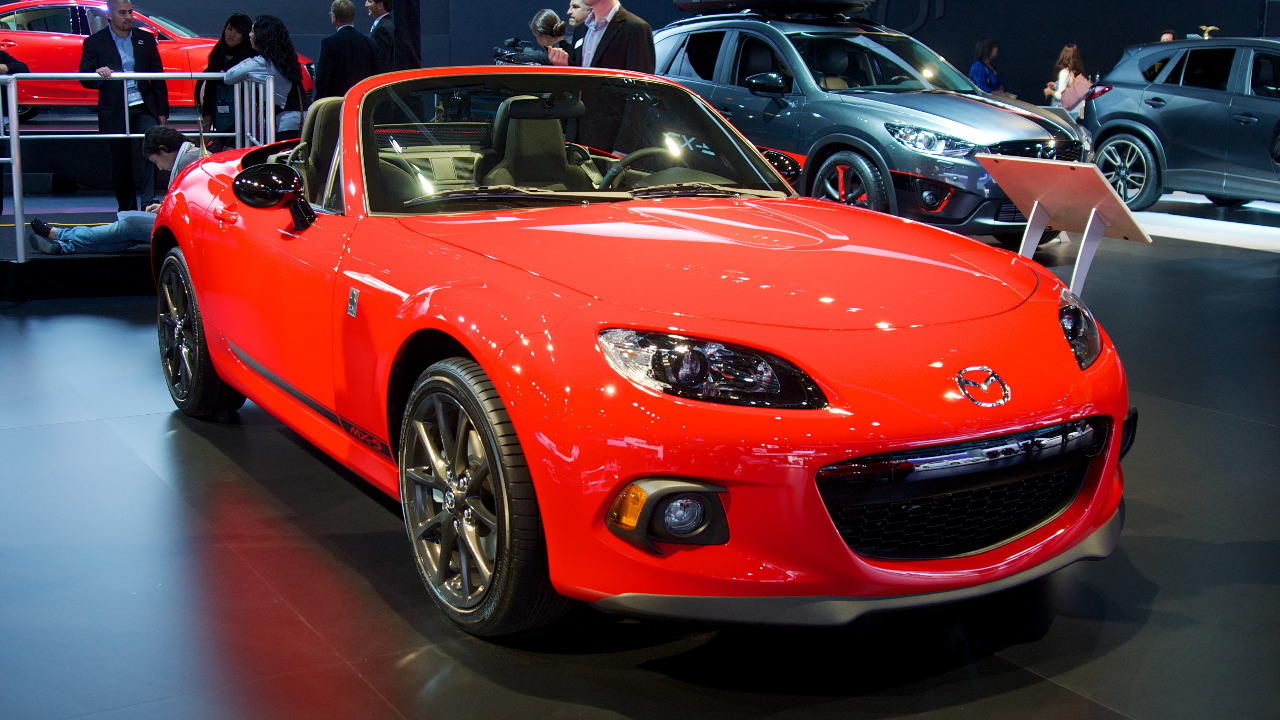
The Mazda Miata is an icon in the world of affordable sports cars. With its lightweight design and responsive handling, it’s a popular choice for amateur racers. However, while the purchase price is modest, turning a Miata into a race-ready vehicle can be expensive. Modifications such as suspension upgrades, performance tires, and safety equipment add up quickly.
Racers love the Miata for its agility and balance, but maintaining these qualities under racing conditions isn’t cheap. Frequent brake and tire replacements, along with potential engine upgrades, can put a dent in your budget. For those interested in racing modifications and costs, check out this comprehensive guide.
Ford Mustang
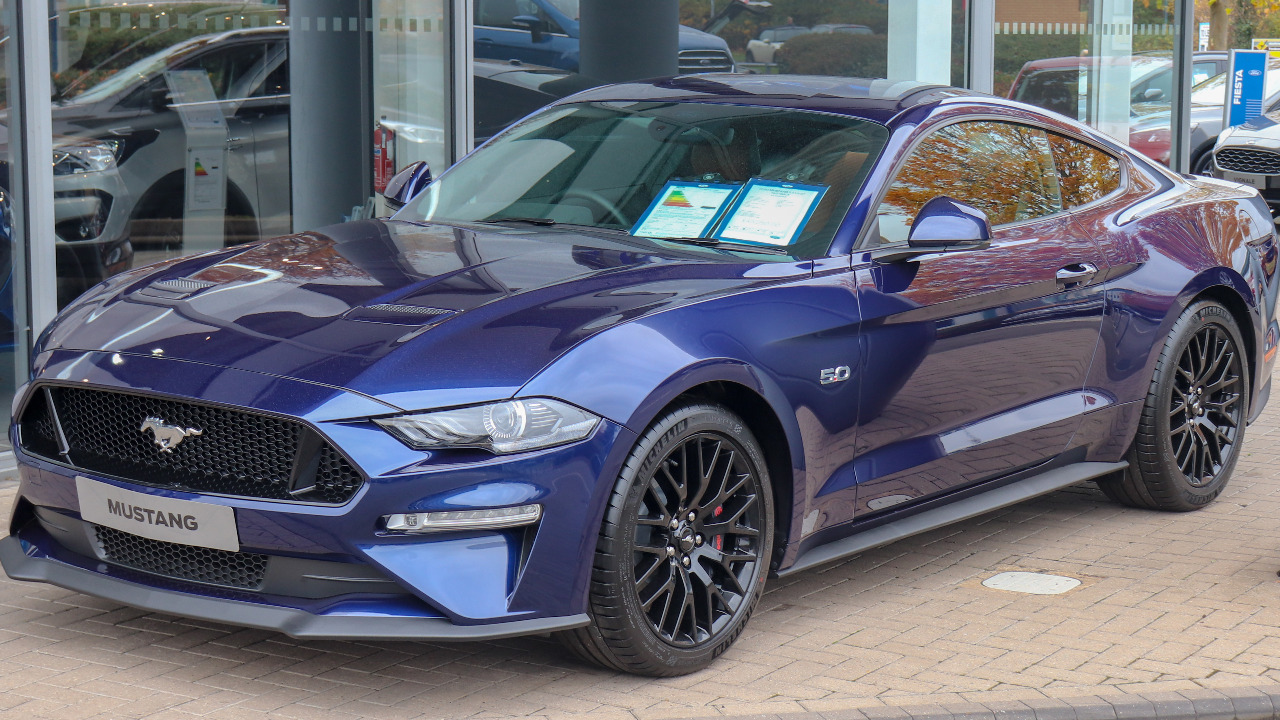
The Ford Mustang is a quintessential American muscle car that offers plenty of power for its price. However, racing a Mustang can become costly due to the need for aftermarket parts to enhance its performance on the track. Suspension upgrades, brake systems, and high-performance tires are just the beginning.
While the Mustang offers a powerful engine, optimizing it for racing demands serious investment. Track events can quickly wear out components, leading to frequent replacements. For more insights on affordable race cars, including the Mustang, visit this discussion among enthusiasts.
Honda Civic
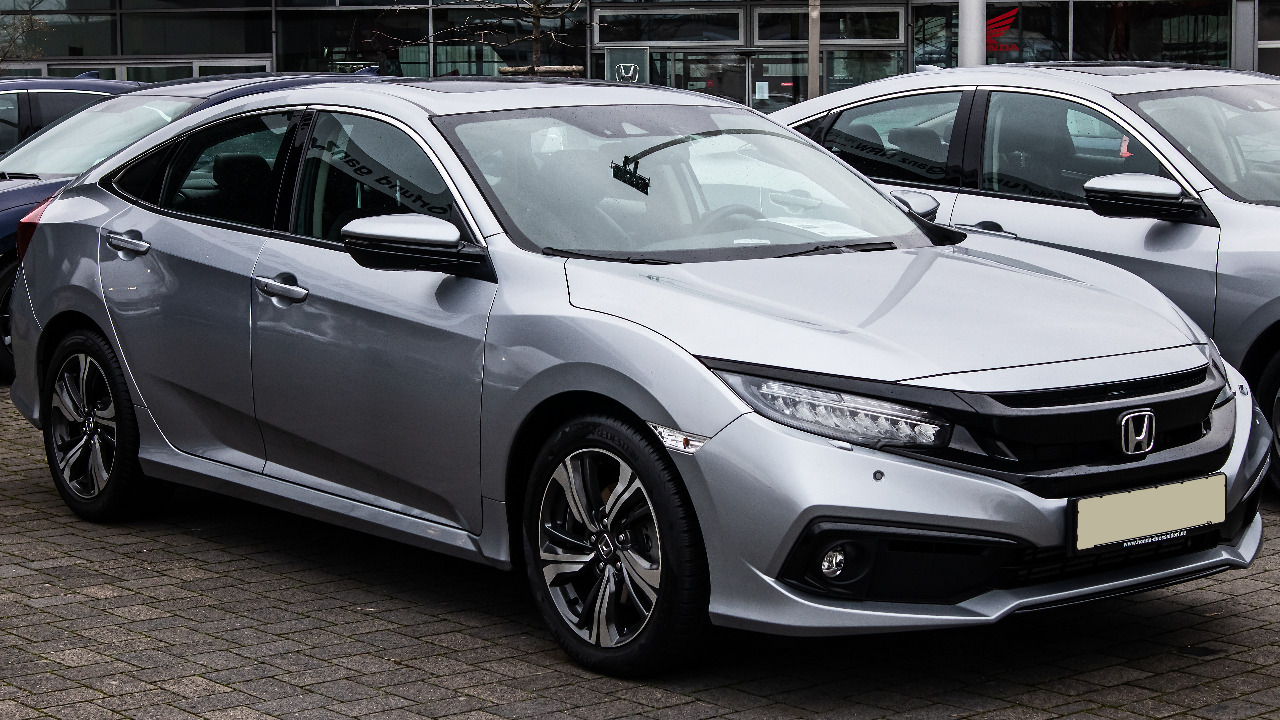
The Honda Civic is a favorite among those looking for a reliable and low-cost entry into racing. Known for its durability and versatility, it’s a common sight at grassroots racing events. However, turning a Civic into a competitive racer often requires extensive modifications.
From engine swaps to turbocharging, the costs can escalate quickly. Suspension, braking, and safety upgrades are essential for racing performance. Despite its initial affordability, the Civic can end up being a significant investment for racing enthusiasts. Explore the modification possibilities in this detailed video.
Subaru BRZ
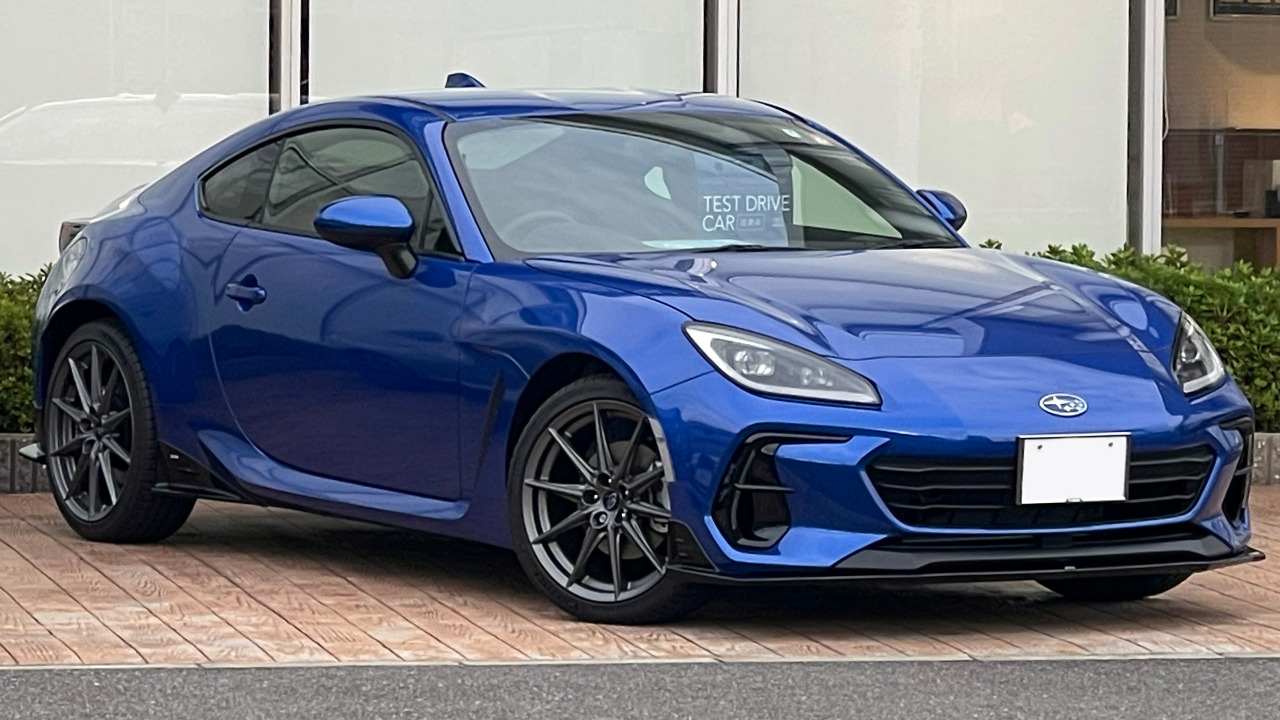
The Subaru BRZ offers a great balance of performance and affordability, making it a popular choice for those venturing into motorsports. Its rear-wheel-drive layout and sporty handling are appealing, yet racing this car can be costly.
To maximize the BRZ’s potential on the track, modifications such as enhanced suspension systems, high-performance tires, and engine tweaks are necessary. Additionally, the cost of maintaining these upgrades can add up over time. For more on expensive racing cars, take a look at this exclusive list.
BMW E36
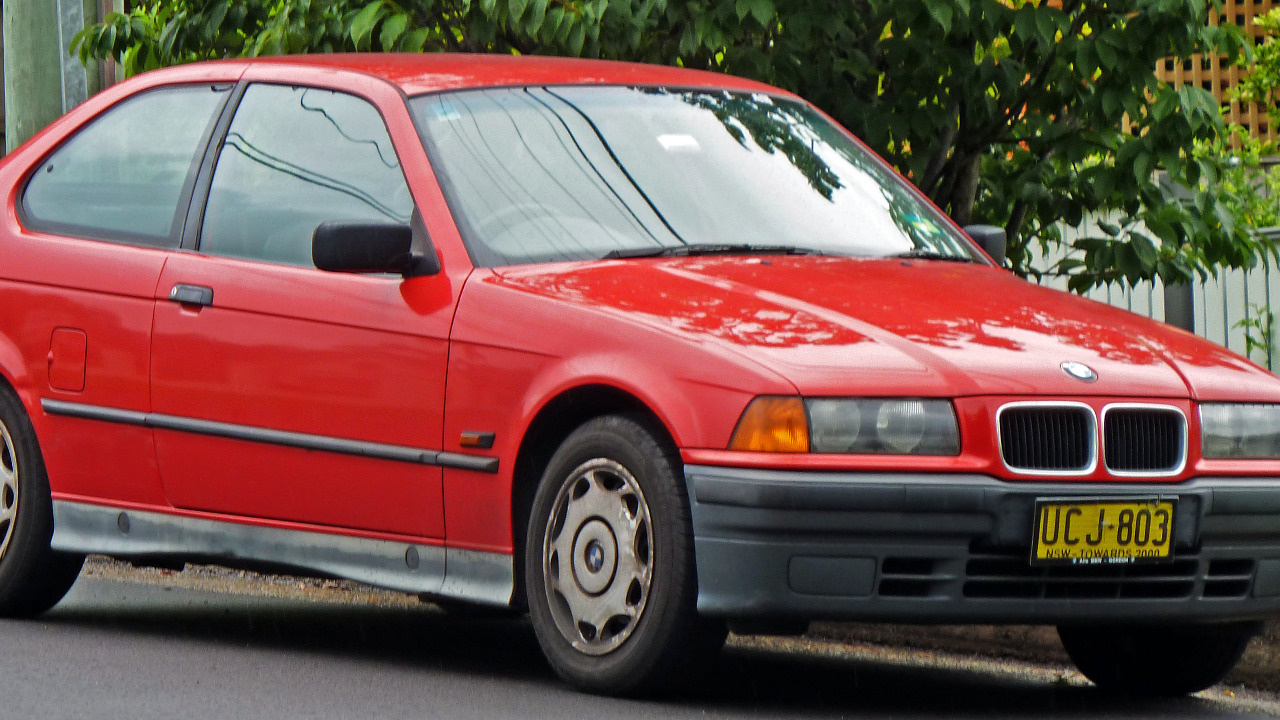
The BMW E36 is a beloved option for those seeking a European car that’s both affordable and fun to drive. Its rear-wheel drive and balanced chassis make it a great platform for racing. However, transforming it into a competitive racer can be an expensive endeavor.
Performance upgrades such as suspension, engine modifications, and lightweight components can significantly increase costs. Regular maintenance and parts replacement are also crucial when racing an E36, affecting the overall budget. Dive deeper into the unique appeal of the E36 in this detailed analysis.
Nissan 350Z
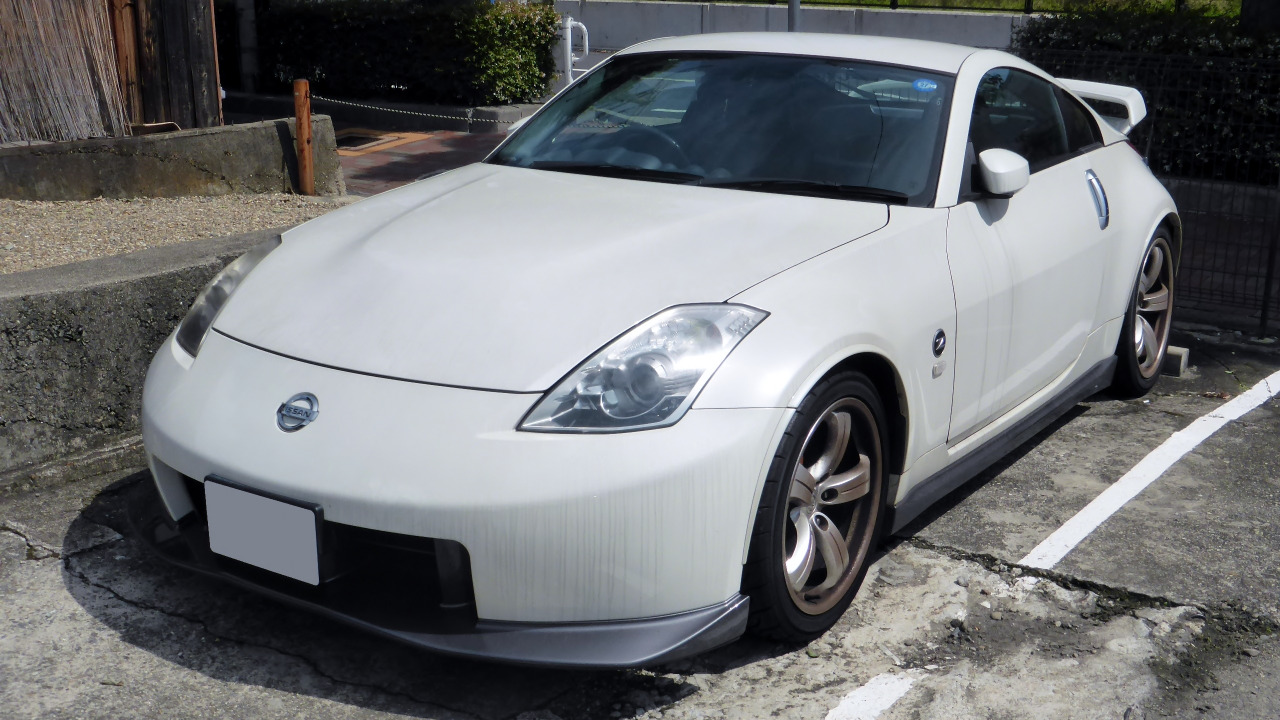
The Nissan 350Z is a sports car that offers a solid blend of performance and affordability. Its strong engine and rear-wheel-drive setup are attractive to racers. However, the costs associated with racing it can be substantial.
Essential racing modifications include enhanced suspension, braking systems, and high-performance tires. Engine tuning and weight reduction are also common practices that contribute to the overall expense. The 350Z’s popularity in racing circles continues to grow, despite the costs.
Volkswagen GTI
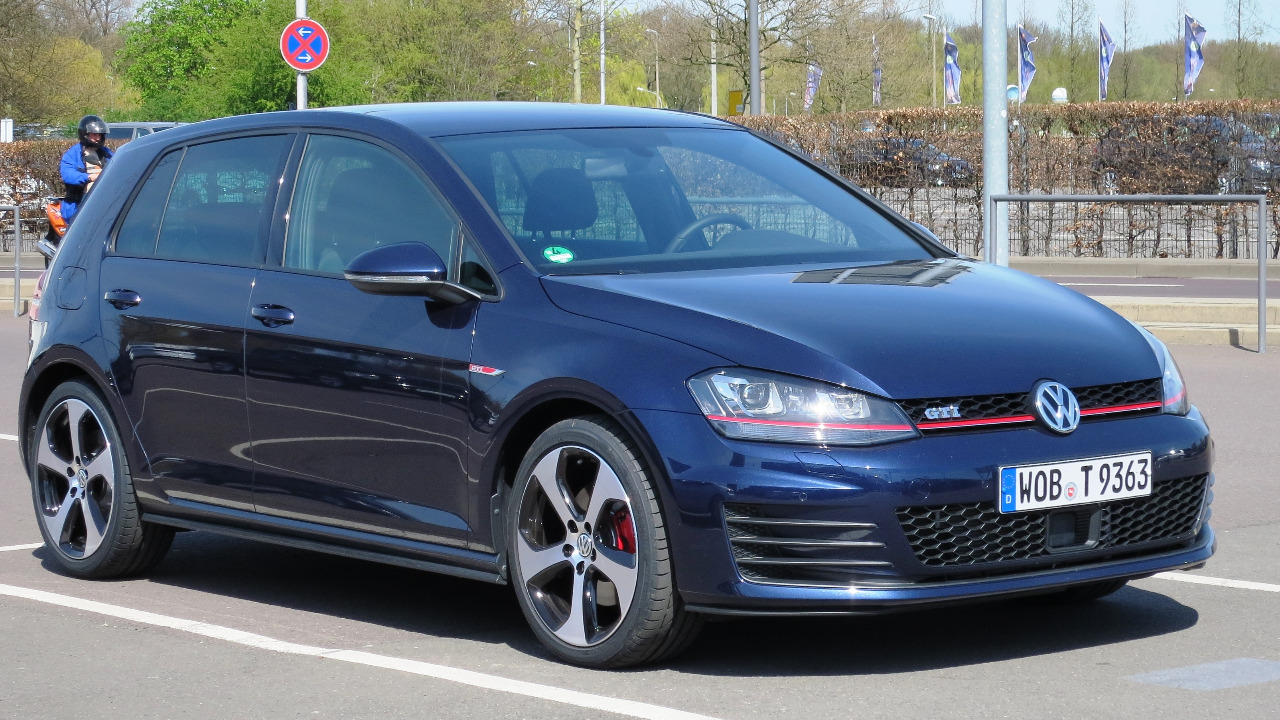
The Volkswagen GTI is celebrated for its sporty handling and turbocharged power, making it a favorite for racing enthusiasts. Yet, the costs to prepare a GTI for the track can escalate quickly. Performance tuning, suspension upgrades, and safety features are essential for competitive racing.
Maintenance costs can also rise due to the demands of racing, with frequent replacements of tires, brakes, and other components. Despite these expenses, the GTI remains a popular choice for its spirited driving experience.
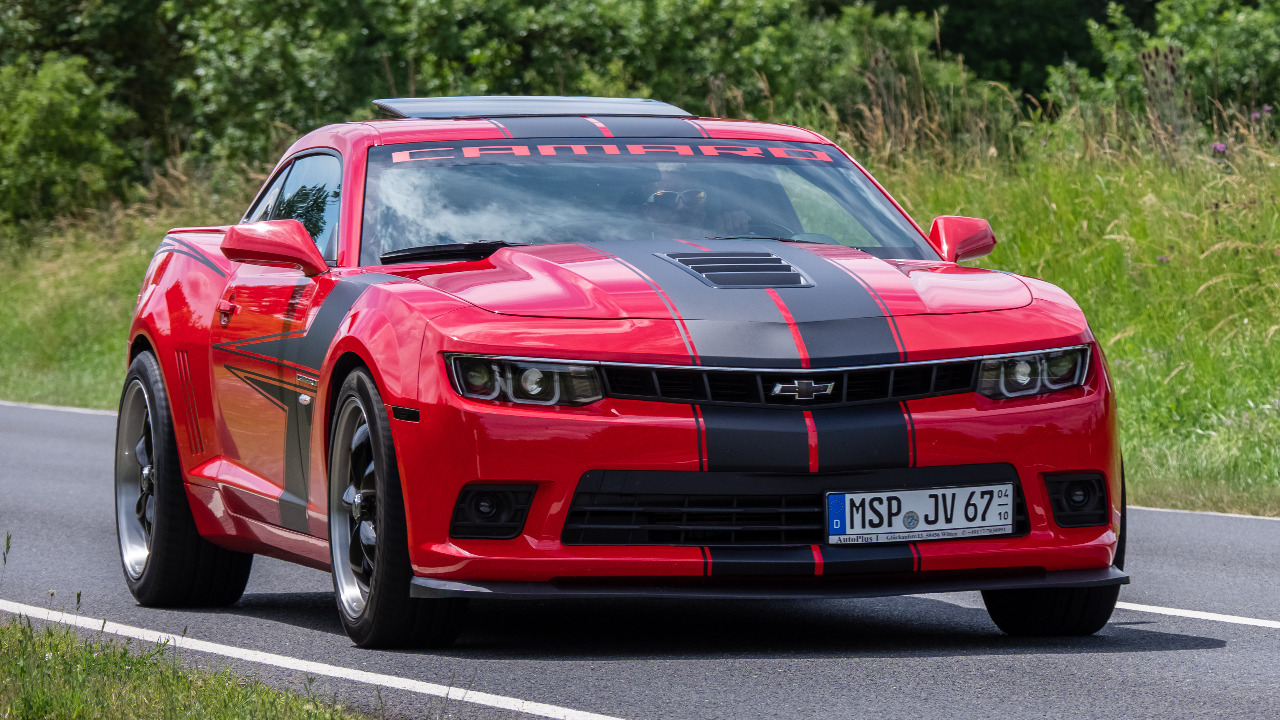
Chevrolet Camaro
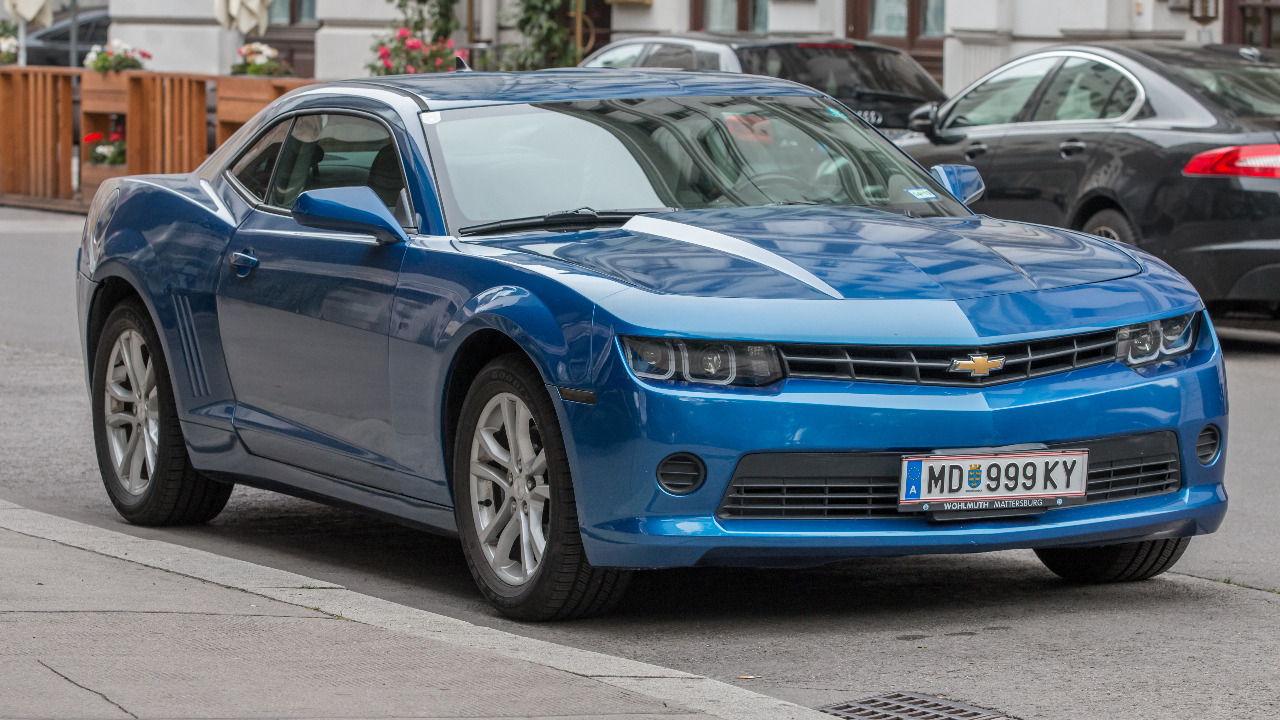
The Chevrolet Camaro, with its muscular performance and classic styling, is an icon of American racing. While the purchase price is accessible, the costs of making it track-ready can be daunting. Performance enhancements, safety equipment, and regular maintenance are necessary investments.
For those committed to racing their Camaro, upgrading the suspension, brakes, and engine components is crucial. The costs can add up, but the thrill of racing a Camaro often justifies the investment for enthusiasts.
Like Fast Lane Only’s content? Be sure to follow us.
Here’s more from us:
- All New Trans Am: 10 Things You Need to Know
- The Fastest Farm Truck Ever Built
*Created with AI assistance and editor review.