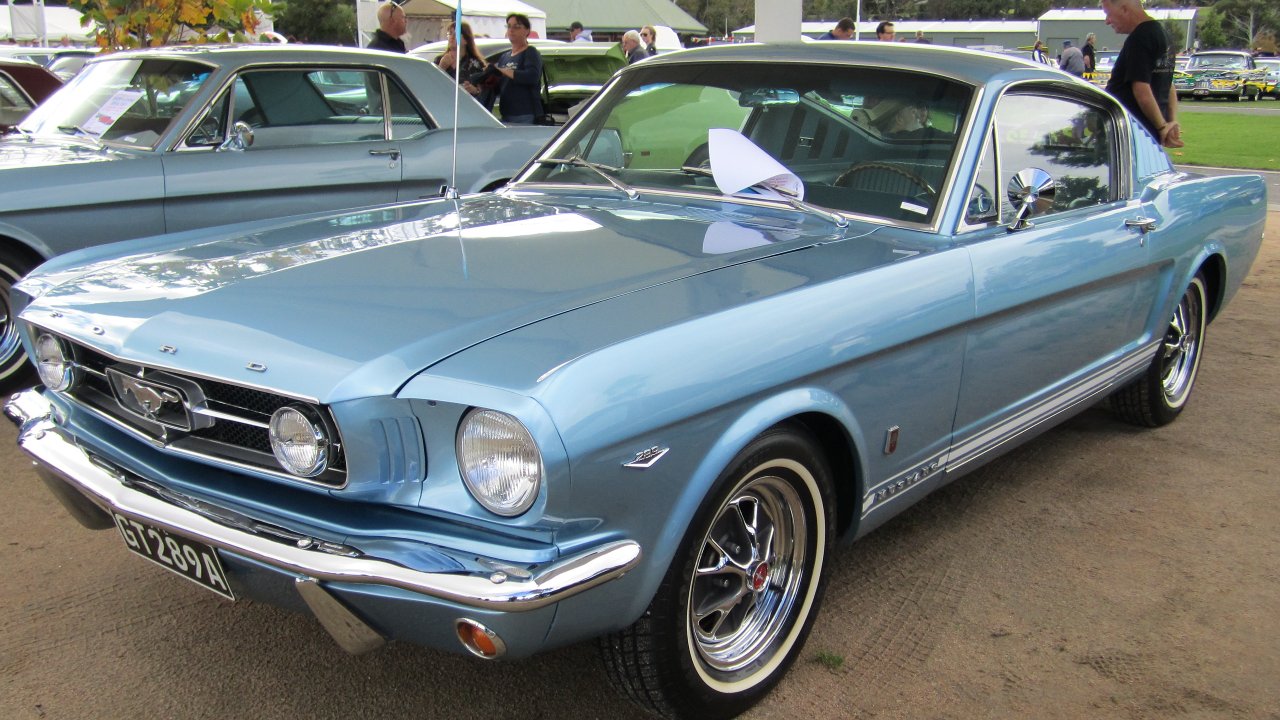
The 1965 Ford Mustang GT, equipped with the iconic 289 cubic inch V8 engine, captured the hearts of car enthusiasts by achieving remarkable performance, hitting 60 mph in around 7 seconds. This classic muscle car not only showcased impressive engineering but also became a symbol of American automotive history, embodying the spirit of freedom and adventure that defined the era. Its combination of style, performance, and affordability made it an instant hit, which is why it remains a beloved model among collectors and enthusiasts alike.
The Birth of the Mustang
Ford’s motivations for creating the Mustang stemmed from a desire to tap into a burgeoning market for sporty, affordable cars that appealed to younger consumers. In the early 1960s, American car buyers were looking for something more than just reliable transportation; they wanted a vehicle that represented their aspirations and lifestyle. The brainchild of Lee Iacocca and his team, the Mustang was designed to fill this niche by combining performance, style, and practicality.
The Mustang made its debut at the New York World’s Fair in April 1964, and the public’s response was overwhelmingly positive. The car was marketed aggressively, with Ford leveraging television commercials and promotional events to showcase its sporty design and performance capabilities. The Mustang was an instant sensation, amassing over 22,000 orders within the first 24 hours of its release, a testament to its widespread appeal and the excitement it generated.
The 289 V8 Engine
The heart of the 1965 Mustang GT is its 289 cubic inch (4.7L) small-block V8 engine. This engine was known for its lightweight design and high-output performance, producing 271 horsepower and 312 lb-ft of torque. The 289 V8 was a significant upgrade over the inline-six engines typically found in other affordable cars of the time, allowing the Mustang to compete head-to-head with more powerful competitors. Notably, the engine featured a high-performance four-barrel carburetor and a solid-lifter camshaft, which contributed to its impressive power delivery.
When compared to other engines available during the same era, such as the Chevrolet 327 and the Pontiac 389, the 289 V8 held its ground. While these competitors offered similar horsepower ratings, the Mustang’s lightweight construction and design allowed it to accelerate faster and handle better. The combination of power and agility made the Mustang a favorite among muscle car enthusiasts who valued performance on both the street and the track.
Performance Metrics
The Mustang GT’s performance metrics, particularly its 0-60 mph times, were nothing short of impressive for the era. The car could achieve the 0-60 mph sprint in approximately 7 seconds, a remarkable feat that placed it among the fastest production cars of its time. This performance was further enhanced by the Mustang’s well-balanced chassis and suspension, which allowed for agile handling and responsive steering.
Factors contributing to the Mustang’s impressive acceleration included its lightweight body, weighing in at around 2,800 pounds, and its design, which emphasized aerodynamics. The car’s sleek silhouette reduced drag, thereby improving overall performance. When compared to contemporary muscle cars from the same period, such as the Pontiac GTO and the Chevy Camaro, the Mustang GT held its own, often outperforming rivals in both speed and handling.
Innovations in Design
The innovative design of the 1965 Mustang GT played a crucial role in its success. Its aerodynamic body shape not only looked good but also contributed to its impressive performance metrics. The Mustang featured a long hood and short rear deck, giving it a sporty profile that appealed to consumers. Additionally, the introduction of options like the four-speed manual transmission provided drivers with a more engaging driving experience, allowing them to fully utilize the engine’s power.
The GT package was another significant aspect of the Mustang’s design. It included performance enhancements like upgraded brakes, a dual exhaust system, and special badging. These features not only increased the car’s performance but also added to its allure as a high-performance vehicle. The combination of style and substance created a strong identity for the Mustang, making it a sought-after model among car enthusiasts and collectors.
Cultural Impact and Popularity
The Mustang quickly evolved into an icon of American culture during the 1960s, representing the freedom and adventurous spirit of the era. Its affordability and performance made it accessible to a broad audience, particularly young buyers looking to make a statement. The Mustang’s unique design and engaging driving experience resonated with consumers, solidifying its status as a cultural phenomenon.
Media and film played a significant role in popularizing the Mustang. Notably, the car’s appearance in films like “Bullitt” and “Gone in 60 Seconds” showcased its performance capabilities and helped cement its place in pop culture. The Mustang became synonymous with action and excitement, capturing the imagination of audiences and further driving demand. The influence of the Mustang extended beyond film, inspiring countless advertisements, merchandise, and even music, making it a lasting symbol of the American automotive landscape.
Ownership and Restoration
Owning a classic 1965 Mustang GT is a rewarding experience for many car enthusiasts. The sense of pride that comes with driving a piece of automotive history is unmatched. However, restoration can be a complex process, particularly for those looking to bring a vintage car back to its original glory. Finding the right parts can be challenging, especially since some components may no longer be in production or may require custom fabrication.
Fortunately, a robust community of Mustang enthusiasts exists, offering resources and support for restorers and collectors. Clubs and online forums provide valuable information, tips, and connections to help navigate the restoration process. Events like Mustang shows and meet-ups also allow owners to share their experiences and showcase their vehicles, fostering a sense of camaraderie within the community. For those interested in diving deeper into the restoration process, articles like this one offer insights into the challenges and triumphs faced by Mustang restorers.
Legacy of the 1965 Mustang GT
The legacy of the 1965 Mustang GT continues to influence modern Ford models and the automotive industry as a whole. The Mustang has evolved over the decades, adapting to changing consumer preferences while maintaining its core identity as a performance-oriented vehicle. Many contemporary Mustangs draw inspiration from their classic predecessors, incorporating design elements and performance features that pay homage to the original models.
Ford celebrates the Mustang’s legacy through various events and initiatives, including annual Mustang car shows and specialty editions that honor the classic design. Car clubs and enthusiast groups also play a crucial role in keeping the Mustang’s history alive, sharing stories and experiences that connect new generations of fans with the rich heritage of this iconic vehicle. Testimonials from Mustang enthusiasts often highlight their passion for the car and the community surrounding it, emphasizing how the Mustang remains a vital part of automotive culture today.
Comparison with Other Muscle Cars
The 1960s saw a surge in the popularity of muscle cars, with several notable models emerging alongside the Mustang. Cars like the Chevrolet Camaro, Pontiac GTO, and Dodge Charger became legendary in their own right, each offering unique performance features and styling. When comparing the Mustang to these contemporaries, it becomes evident that the Mustang carved out a distinct niche that emphasized a blend of style, performance, and affordability.
For instance, while the Pontiac GTO was known for its raw power and aggressive styling, the Mustang offered a more refined driving experience. The Camaro, released in 1967, aimed to compete directly with the Mustang, but the latter’s established reputation and loyal fanbase made it a tough competitor. The Mustang’s place in the muscle car hierarchy remains significant, as it continues to rival these classic models in both performance and cultural relevance. The ongoing rivalry between the Mustang and its competitors keeps the spirit of the muscle car alive, demonstrating the enduring appeal of these iconic vehicles.
Future of the Mustang Brand
As we move into the 21st century, Ford has demonstrated a commitment to evolving the Mustang brand while staying true to its roots. The introduction of electric Mustang models, such as the Mustang Mach-E, reflects a broader industry shift toward sustainable performance without sacrificing the excitement associated with the Mustang name. These new models aim to attract a new generation of drivers who prioritize eco-friendliness alongside performance.
Looking ahead, the Mustang’s future remains bright. As automotive technology continues to advance, I anticipate that Ford will continue to innovate while honoring the legacy of the Mustang. The vehicle’s cultural significance and passionate fanbase ensure that it will remain an enduring symbol of American automotive history, continually inspiring new generations of enthusiasts to embrace the thrill of driving a Mustang.
More from Fast Lane Only