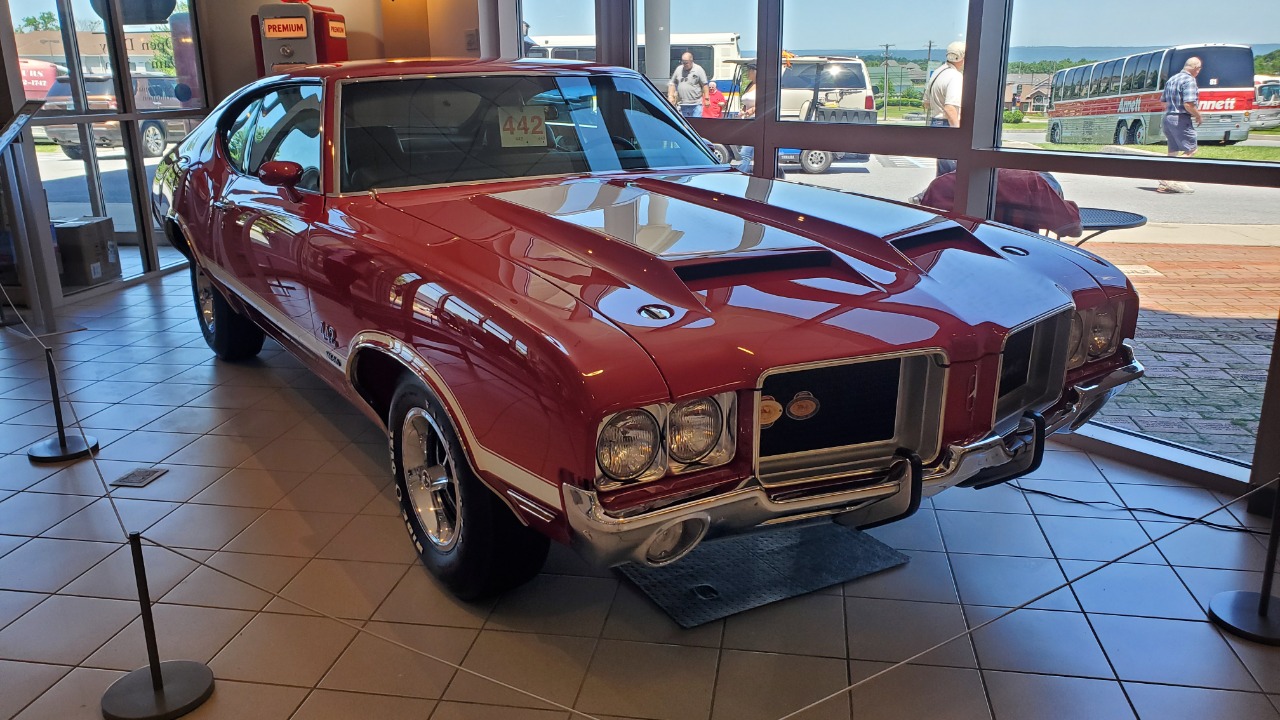
The Oldsmobile 442 W-30, a classic muscle car, made waves in the automotive world in 1970 by achieving a remarkable 0-60 mph time of under 6 seconds. This achievement not only showcased Oldsmobile’s engineering prowess but also solidified the 442’s place in muscle car history.
Overview of the 1970 Oldsmobile 442 W-30
The Oldsmobile 442 has a storied history that dates back to 1964 when it was introduced as a high-performance variant of the F-85. Originally, the model designation “442” represented its four-barrel carburetor, four-speed manual transmission, and dual exhaust. However, the 442 evolved over the years, and by 1970, it had become a true powerhouse in the muscle car arena.
The 1970 Oldsmobile 442 W-30 was a high-performance edition that distinguished itself from the standard 442 and other variants by incorporating several critical features. The W-30 package included a specially tuned 455 cubic-inch V8 engine, a functional fiberglass hood with dual scoops for improved air intake, and a unique rear axle ratio that allowed for quicker acceleration. The 1970 model year was particularly significant as it marked the height of the muscle car era, where manufacturers pushed the boundaries of power and performance, resulting in some of the most iconic vehicles in automotive history.
Performance Specifications
At the heart of the 1970 Oldsmobile 442 W-30 was its formidable 455 cubic-inch V8 engine, which produced an impressive 370 horsepower and 500 lb-ft of torque. This engine was a significant upgrade from earlier models and was designed to provide not only power but also reliability on the road. The W-30 package further enhanced performance by including features like an aluminum intake manifold, a higher-performance camshaft, and a unique exhaust system to optimize airflow.
The performance enhancements contributed to the remarkable 0-60 mph time of under 6 seconds, a feat that was exceptional for its time. The combination of the powerful engine, lightweight components, and refined suspension made the 442 W-30 a formidable competitor against contemporaries like the Chevy Chevelle SS and Ford Mustang. The precise engineering choices made by Oldsmobile ensured that the W-30 was not just a straight-line performer but also capable of handling the twists and turns of the road.
Engineering Innovations
The 1970 442 W-30 was a testament to innovative engineering, with a focus on lightweight components that enhanced both speed and handling. The dual-scooped fiberglass hood not only added to its aggressive look but also reduced weight compared to traditional steel hoods. This emphasis on weight savings extended to other areas, including the use of aluminum for components such as the intake manifold.
Moreover, the suspension system of the W-30 was designed for superior handling. It featured heavy-duty front and rear sway bars, which minimized body roll during cornering, and enhanced shock absorbers that provided better road feedback. The braking system was equally impressive, with larger drums and optional disc brakes that improved stopping power, ensuring that the car could handle its high speeds safely. The W-30 package was essential in delivering a driving experience that was engaging and exhilarating.
Design and Aesthetics
The exterior styling of the 1970 Oldsmobile 442 W-30 was striking and memorable, showcasing the bold design language of the era. The car featured a long hood, short deck, and muscular stance that conveyed a sense of power and performance. Available color options included classic shades like Rally Red and Gulfstream Blue, allowing buyers to customize their vehicles to match their personal style.
Legacy and Collectibility
The Oldsmobile 442 W-30 has carved out a significant niche in muscle car history, earning a reputation for its impressive performance and unique features. Over the years, it has influenced numerous models, and its legacy continues to inspire automotive design and engineering. The rarity of the W-30 package adds to its allure, as only a limited number were produced, making surviving examples highly sought after by collectors.
Currently, the market value of a well-preserved 1970 442 W-30 can reach upwards of $100,000, depending on condition and provenance. Enthusiasts are particularly interested in rare surviving models, such as one that recently returned to its original owner’s son after 30 years. The stories behind these vehicles often add to their value, as they represent not just a piece of automotive history but also personal narratives that resonate with collectors. You can read more about one such story here.
Restorations and Enthusiast Communities
Restoring a 1970 Oldsmobile 442 W-30 can be a rewarding yet challenging project for enthusiasts. Original parts can be difficult to find, and sourcing high-quality replacements is crucial for maintaining authenticity. Many owners turn to specialized restoration shops that have experience with classic muscle cars, ensuring that their vehicles are restored to their original glory. The process often involves meticulous attention to detail, from the engine bay to the interior finishes. .
Enthusiast communities play a vital role in the preservation and appreciation of the 442 W-30. Online forums, social media groups, and local car clubs provide a platform for owners to share tips, resources, and stories. These communities foster a sense of camaraderie among enthusiasts, who often attend car shows and gatherings to showcase their vehicles and celebrate their shared passion. The dedication of these collectors ensures that the legacy of the W-30 continues to thrive.
Memorable Performance and Racing History
The 442 W-30 made its mark not only on the streets but also in racing circuits. Its combination of power and agility allowed it to compete effectively in amateur and professional racing events. Notable races included local drag competitions and muscle car meet-ups, where the W-30 consistently showcased its impressive acceleration and handling capabilities. Many drivers reported exhilarating experiences behind the wheel, emphasizing the car’s responsiveness and performance.
In addition to its racing pedigree, the 442 W-30 also holds a place in the hearts of car enthusiasts who appreciate its performance heritage. It often stands out at vintage racing events and car shows, where its unique features and performance history are celebrated. Testimonials from drivers who raced the W-30 often highlight its competitive edge and the thrill of driving a true muscle car, proving that its legacy lives on in both history and current enthusiast culture. The enduring appeal of the Oldsmobile 442 W-30 is a testament to its engineering excellence, captivating design, and significant place in muscle car history. As the years go by, it remains a beloved classic among car enthusiasts and collectors alike, a symbol of an era where American automotive ingenuity reached new heights.
More from Fast Lane Only