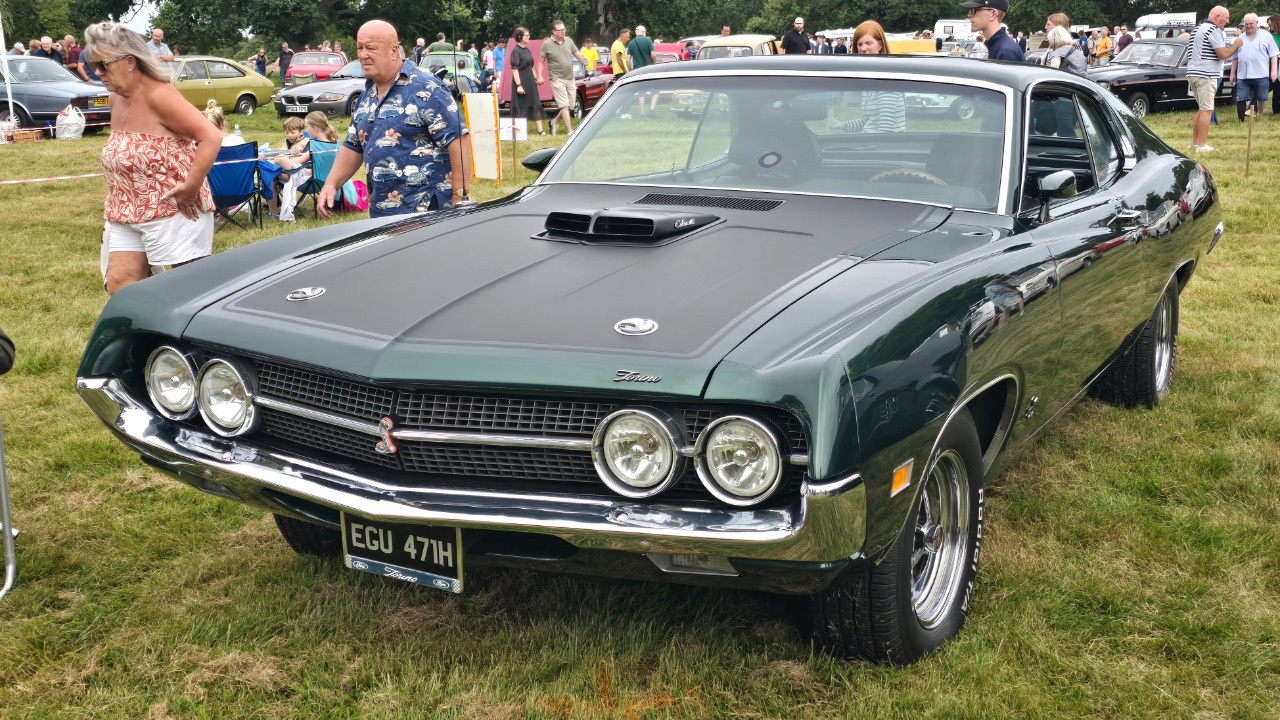
The 1970 Ford Torino Cobra stands out as a remarkable example of American muscle cars, boasting impressive performance capabilities for its time. With a 0 to 60 mph acceleration of around 6 seconds, it captured the hearts of car enthusiasts and left a lasting legacy in automotive history.
Background on the Ford Torino
The Ford Torino made its debut in 1968 as a mid-size car that quickly became an integral part of Ford’s lineup. Originally designed as a family vehicle, the Torino underwent a significant transformation by the late 1960s as consumer preferences shifted towards performance-oriented models. By the time the 1970 model year rolled around, the Torino had firmly established itself as a contender in the muscle car arena, particularly with the introduction of the Cobra variant.
The transition from a family car to a performance powerhouse was marked by numerous styling changes and performance upgrades. The 1970 Torino Cobra featured a more aggressive front grille, elongated hood, and broader stance that emphasized its sporty nature. This design evolution not only appealed to a younger demographic but also positioned the Torino as a serious competitor among other muscle cars of the era.
The Rise of Muscle Cars in the 1970s
The 1970s were a golden era for muscle cars, a time when these powerful vehicles became cultural icons in America. Movies like “Bullitt” and “American Graffiti” showcased the thrilling performance and rebellious spirit of muscle cars, embedding them into the public consciousness. The Torino Cobra, with its fierce looks and robust performance, was part of this cultural wave, representing the freedom and excitement associated with driving.
Performance Specifications of the 1970 Torino Cobra The 1970 Torino Cobra was renowned for its impressive performance metrics, primarily stemming from its robust engine lineup. The standout option was the 429 cubic inch V8 engine, known as the “Super Cobra Jet.” This powerhouse generated an astounding 370 horsepower and 450 lb-ft of torque, allowing the Torino Cobra to achieve its remarkable 0 to 60 mph time of around 6 seconds, which was exceptional for its time.
In addition to the powerful engine, the Torino Cobra offered various transmission options, including a 3-speed automatic and a 4-speed manual. These transmission choices enhanced the driving experience, allowing drivers to tailor their performance preferences. The combination of engine power and transmission options made the Torino Cobra a formidable contender in the muscle car market.
Acceleration Performance and Testing
To understand the impressive acceleration capabilities of the Torino Cobra, it’s essential to examine the testing methods used in the 1970s. Typically, acceleration tests were conducted on closed tracks under controlled conditions to ensure accuracy. While the Torino Cobra’s advertised 0 to 60 mph time was approximately 6 seconds, real-world conditions often influenced these figures. Factors such as weight distribution, tire technology, and driver skill played significant roles in actual performance.
Comparing the Torino Cobra to contemporaneous muscle cars reveals its competitive edge. For instance, the Chevrolet Chevelle SS396 and the Dodge Charger R/T were also popular choices among enthusiasts but often lagged behind the Torino Cobra in terms of acceleration performance. The Torino’s lightweight design and powerful engine allowed it to outperform many of its rivals, solidifying its reputation as a top-tier muscle car.
Design and Features of the 1970 Torino Cobra
The design of the 1970 Torino Cobra was instrumental in its appeal. The exterior featured bold lines and an aggressive stance, highlighted by a distinctive front grille, dual headlights, and a sculpted hood that hinted at the power beneath. The aerodynamic profile not only contributed to its aesthetic appeal but also aided in performance, reducing drag at higher speeds.
Inside, the Torino Cobra did not skimp on comfort or features. The cabin was designed with the driver in mind, offering supportive seats and a driver-focused dashboard layout. Notable options included sporty bucket seats, a woodgrain steering wheel, and an upgraded sound system, all of which catered to the muscle car demographic. The Torino Cobra also offered a variety of color options and trim packages, allowing buyers to customize their vehicles to reflect personal style.
Legacy and Impact on the Muscle Car Market
Today, the Torino Cobra is highly regarded among collectors and enthusiasts alike, often cited as one of the most underrated muscle cars of its time. Its combination of performance, style, and practicality has led to a dedicated following, with many enthusiasts seeking to restore and preserve these iconic vehicles. The Cobra variant, in particular, is sought after for its unique features and performance capabilities.
The influence of the Torino Cobra extends beyond its production years. Many elements of its design and engineering can be seen in subsequent Ford models and the broader muscle car market. Restoration trends have emerged, with a growing number of owners focusing on bringing these classic vehicles back to their original glory. The aftermarket support for the Torino is robust, with a variety of parts and resources available for those looking to maintain or enhance their vehicles.
Restoration and Collectibility
The market for restored and original models of the Torino Cobra is vibrant, reflecting the car’s lasting appeal. Enthusiasts often turn to reputable sources for parts, restoration services, and community support. Websites dedicated to classic cars and muscle car forums provide valuable resources for owners seeking to purchase or restore a Torino Cobra, connecting them with knowledgeable individuals and suppliers.
Car clubs dedicated to Ford models also play a crucial role in fostering interest in the Torino Cobra. Members often share restoration tips, organize events, and showcase their vehicles at car shows. These communities are integral to keeping the spirit of the Torino alive, ensuring that new generations of enthusiasts appreciate its place in automotive history.
Comparisons to Other Notable Muscle Cars
When comparing the Torino Cobra to other iconic muscle cars like the Chevrolet Camaro and Dodge Challenger, several performance metrics and sales figures come into play. The Torino Cobra’s acceleration and handling capabilities positioned it favorably against its competitors, with many enthusiasts praising its balance and driving dynamics. For example, while the Camaro was known for its nimbleness, the Torino offered a more stable ride, making it a favorite among those who appreciated a powerful yet manageable driving experience.
Sales figures from the 1970 model year reflect the competitive landscape, with the Torino Cobra carving out a significant niche. While it may not have outsold the Camaro or Challenger, its unique features and performance capabilities contributed to its recognition as a serious competitor. Each car had its strengths and weaknesses, but the Torino Cobra’s blend of power, design, and practicality made it a standout in the muscle car market.
The 1970 Ford Torino Cobra remains an enduring symbol of innovation and performance in the muscle car landscape. Its legacy continues to inspire automotive enthusiasts and collectors, ensuring that it holds a special place in the hearts of those who appreciate classic American performance vehicles. For those interested in exploring the Torino Cobra further, resources like HowStuffWorks provide detailed insights into its specifications and history.
More from Fast Lane Only