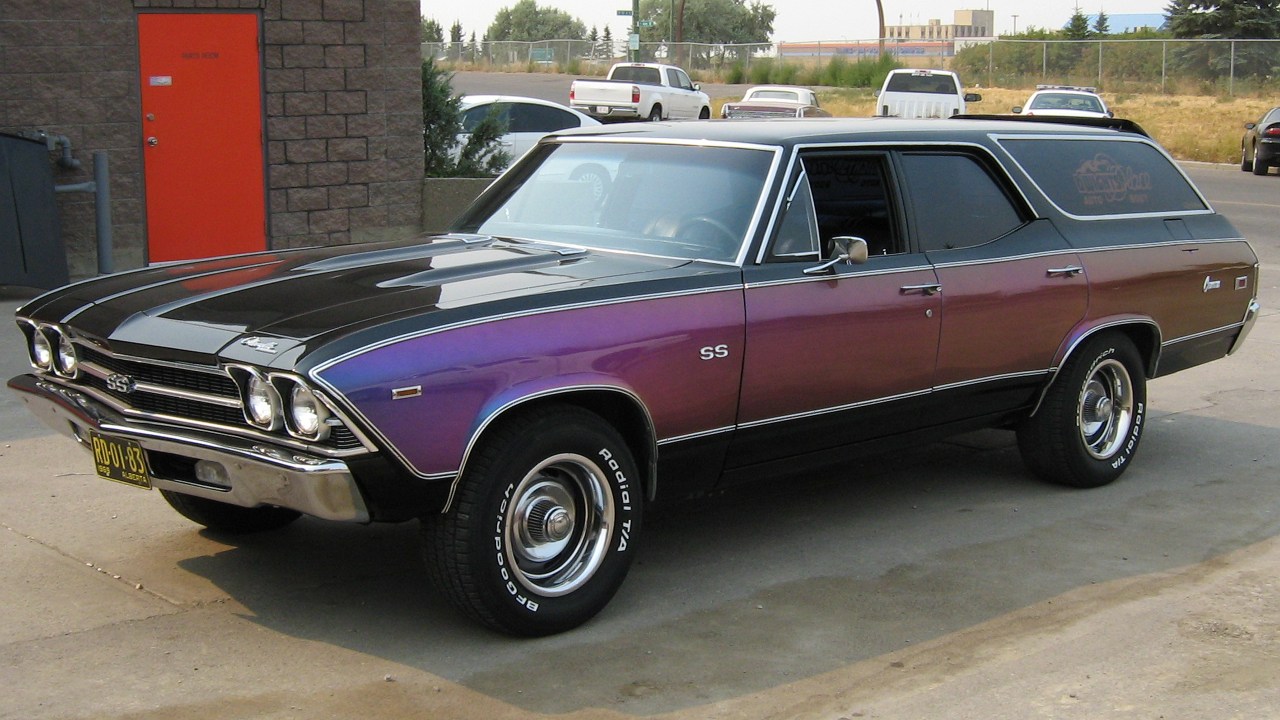
Chevrolet has a long history of hiding serious performance in everyday sheetmetal, and one of the strangest examples is a Super Sport wagon that actually existed, then slipped out of the spotlight. Long before modern crossovers took over family duty, Chevrolet briefly offered SS-badged wagons that blended muscle car hardware with grocery‑getter practicality, a formula that later echoed in cars like the Chevrolet SS sedan and the Australian‑bred Holden Commodore. That mix of power and anonymity makes Chevrolet’s overlooked SS wagon a fascinating bridge between classic big‑block brutes and today’s stealth performance sedans.
From big-block Chevelles to an SS wagon with a family face
To understand why an SS wagon could exist at all, I start with the Chevelle, the mid‑size workhorse that became one of the most feared street cars of its era. Chevrolet used the Chevelle platform to create some of the most potent Chevy Super Sports, including the SS 454 Chevelle that packed a 450-horsepower LS-6 big‑block and turned a sensible two‑door into a near‑race‑ready machine. That combination of everyday body, huge displacement, and the now‑mythic 454 cubic inch V8 helped cement the Chevelle name as shorthand for accessible muscle, and it set the stage for Chevrolet to experiment with the same hardware in less obvious body styles.
Those experiments included wagons that quietly carried SS badges and shared much of the same performance DNA as their coupe siblings, even if they never reached the same legend status as the SS 454 Chevelle. The idea was simple: take the chassis and powertrain that already worked in the Chevelle and apply them to a long‑roof body that could haul kids, luggage, or parts without giving up the thrill of a big‑block pull. Period builds and later resto‑mods show how naturally that formula fit the platform, with engine bays neatly housing well‑built big‑block V8s in cars that still looked ready for a family road trip. In that context, a Chevrolet SS wagon was less an oddball and more a logical extension of the Chevelle’s dual personality as both practical transport and serious performance machine.
How the SS badge evolved from Chevelle brute to global sleeper
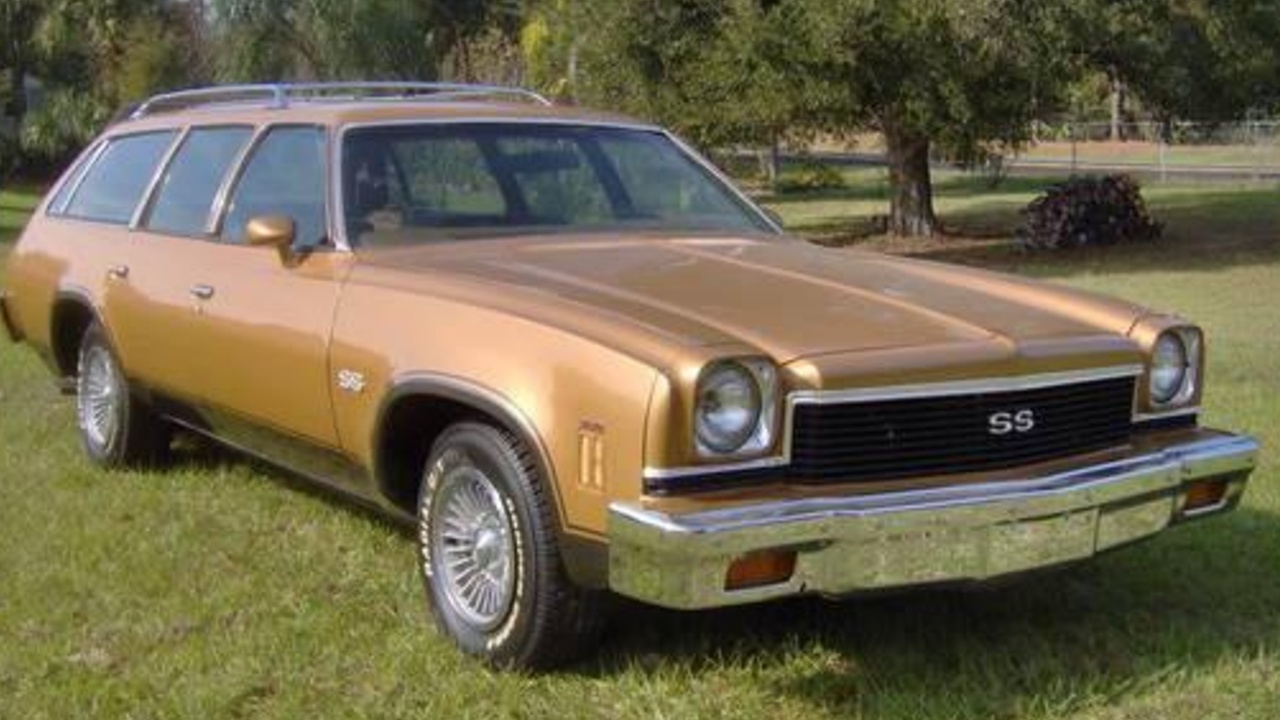
The SS script did not stay locked in the late 1960s and early 1970s, and its evolution helps explain why the wagon variant faded from memory. After the heyday of the Chevelle and its big‑block options, Chevrolet gradually shifted the Super Sport identity from raw displacement to a broader performance label that could sit on everything from compact coupes to full‑size sedans. The Chevelle name itself lived on in enthusiast circles, with cars like a 1966 Chevelle resto‑mod showing how builders still chase that mix of classic styling and modern power, often dropping in updated big‑block engines that echo the original SS 454 Chevelle formula of huge torque in a relatively simple package.
By the time the Chevrolet SS arrived for the 2014 model year, the badge had crossed hemispheres and generations. The Chevrolet SS was a rear‑wheel‑drive V8 sedan derived from the Holden Commodore, marketed as a quiet return to a traditional American performance sedan layout with a big engine up front and power going to the rear. That car, described as a horsepower hootenanny hidden in a Holden, carried the SS name into a new era where subtlety mattered as much as straight‑line speed. It was fast, comfortable, and deliberately understated, a spiritual successor to those earlier SS wagons that looked like family cars but drove like muscle machines.
The Commodore connection and the wagon that never wore a bowtie
When I look at the Chevrolet SS sedan’s roots in the Holden Commodore, the missed opportunity for a modern SS wagon becomes obvious. In Australia, the Commodore platform supported multiple body styles, including wagons that could be ordered with serious V8 power and rear‑wheel drive, essentially creating a contemporary long‑roof muscle car. The Chevrolet SS, sold in the American market as a sedan only, shared that basic architecture, which means the ingredients for a modern SS wagon were already engineered and tested, even if they never reached Chevrolet showrooms in the United States.
That gap between what existed in Australia and what American buyers could actually purchase is part of what makes the earlier Chevrolet SS wagon so easy to overlook. Enthusiasts who know the Commodore story can see how naturally a wagon variant would have fit alongside the Chevrolet SS sedan, echoing the way the Chevelle platform once supported both coupes and wagons with serious performance credentials. Instead, the modern SS remained a four‑door sleeper, while the idea of a factory‑backed SS wagon in the contemporary era stayed confined to other markets or to the imagination of fans who understood how flexible the Commodore chassis really was.
Modern Chevelle revivals show the long-roof idea still has teeth
The recent wave of Chevelle revivals underlines how durable the basic recipe of classic styling and modern power has been, and it also hints at how well a new SS wagon could work today. Projects like the 2026 Chevrolet Chevelle SS 464, described as a Bold Return to the Muscle Car Era with Modern Power and Classic Muscle DNA, lean heavily on nostalgia for the original Chevelle while adding contemporary engineering. The use of the specific 464 designation signals a focus on displacement and output that would feel familiar to anyone who remembers the 454 and its 450-horsepower LS-6 big‑block, even if the modern car relies on updated components and tuning.
Early looks at the 2026 Chevelle SS 464 frame it as an Iconic Muscle Car with a Modern Engine and Enhanced Performance, pairing retro‑inspired Exterior Design and details with the kind of drivability and refinement that current buyers expect. Custom builds, such as the Chevelle 70/SS featured in an interview with Jody for Top Speed, show how builders continue to push the platform with power figures that climb into four‑digit territory while still preserving the basic proportions and practicality of a mid‑size car. If that same mindset were applied to a wagon body, the result would not be a novelty but a logical continuation of Chevrolet’s habit of hiding serious performance in family‑friendly shapes.
Why Chevrolet’s SS wagon slipped from view while the badge lived on
Given how much attention the SS 454 Chevelle still commands, it is striking how little space the SS wagon occupies in the broader muscle car conversation. Part of the reason is simple numbers: the headline cars were the coupes and hardtops that dominated advertising and racing, while wagons were marketed as utility vehicles even when they shared engines and chassis components with their more glamorous siblings. Over time, collectors and historians focused on the most powerful and visually aggressive variants, which meant the long‑roof cars that quietly carried big‑block power and SS badging were often treated as curiosities rather than centerpieces.
At the same time, the SS badge itself kept evolving, eventually landing on the Chevrolet SS sedan that arrived as an American‑market expression of an Aussie Invasion built on the Holden Commodore. That car’s reputation as a sleeper, a performance sedan that preferred to fly under the radar, mirrors the way the earlier SS wagon blended into traffic while hiding serious capability. Today, as new projects like the Chevelle SS 464 and high‑profile builds such as the Chevelle 70/SS keep the Chevelle name in the spotlight, the idea of a muscular wagon feels less like an oddity and more like unfinished business. The hardware, history, and appetite for stealth performance are all there, even if Chevrolet’s own SS wagon spent most of its life hiding in plain sight.
More from Fast Lane Only: