Classic Chevy pickups have shifted from workhorses to lifestyle statements, and few rivalries capture that change better than the C10 versus the K10. One is a low-slung, rear-drive street truck, the other a four-wheel-drive bruiser built for mud, snow, and trails. For buyers trying to decide which actually fits modern life, the choice is less about nostalgia and more about how each platform behaves in daily use, on the highway, and far from pavement.
Both trucks share the same basic bones and much of the same mechanical DNA, yet they deliver very different ownership experiences. The C10 tends to reward drivers who spend most of their time on asphalt, while the K10 trades comfort and simplicity for traction and presence. Sorting out which makes more sense today means looking closely at drivetrains, ride quality, maintenance, and the way current prices and builds are evolving.
Street versus trail: the core mechanical split
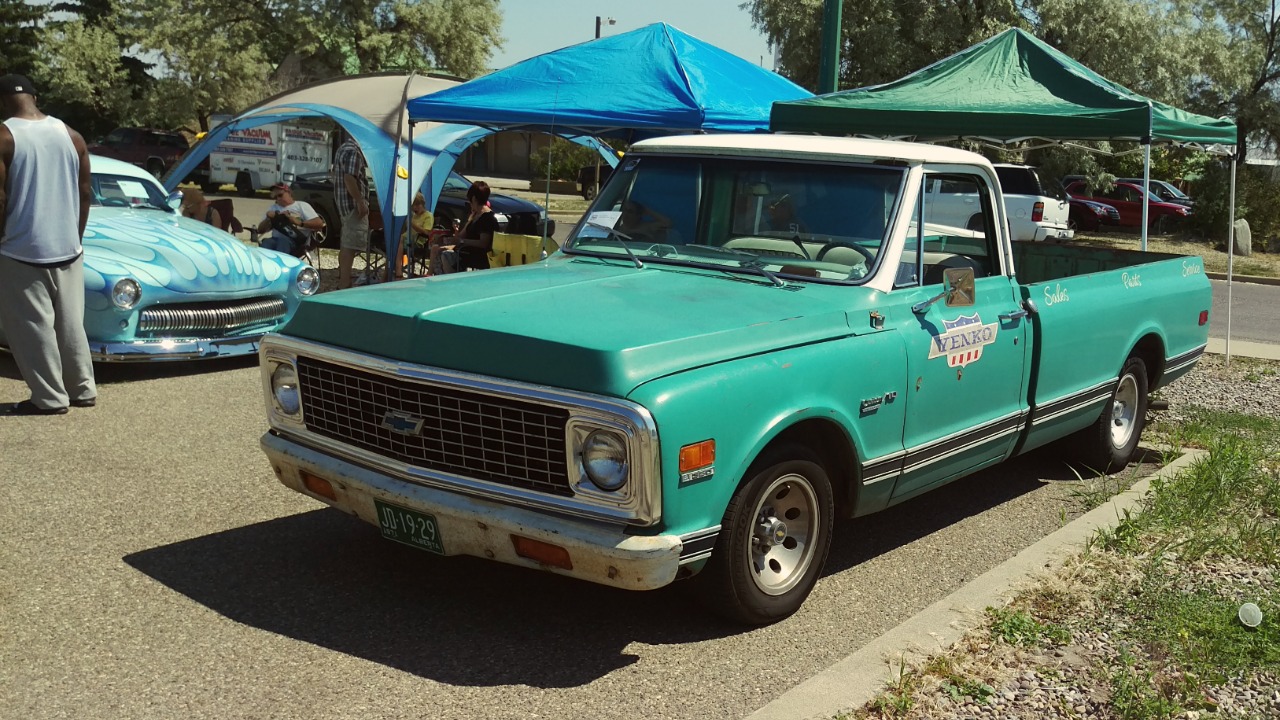
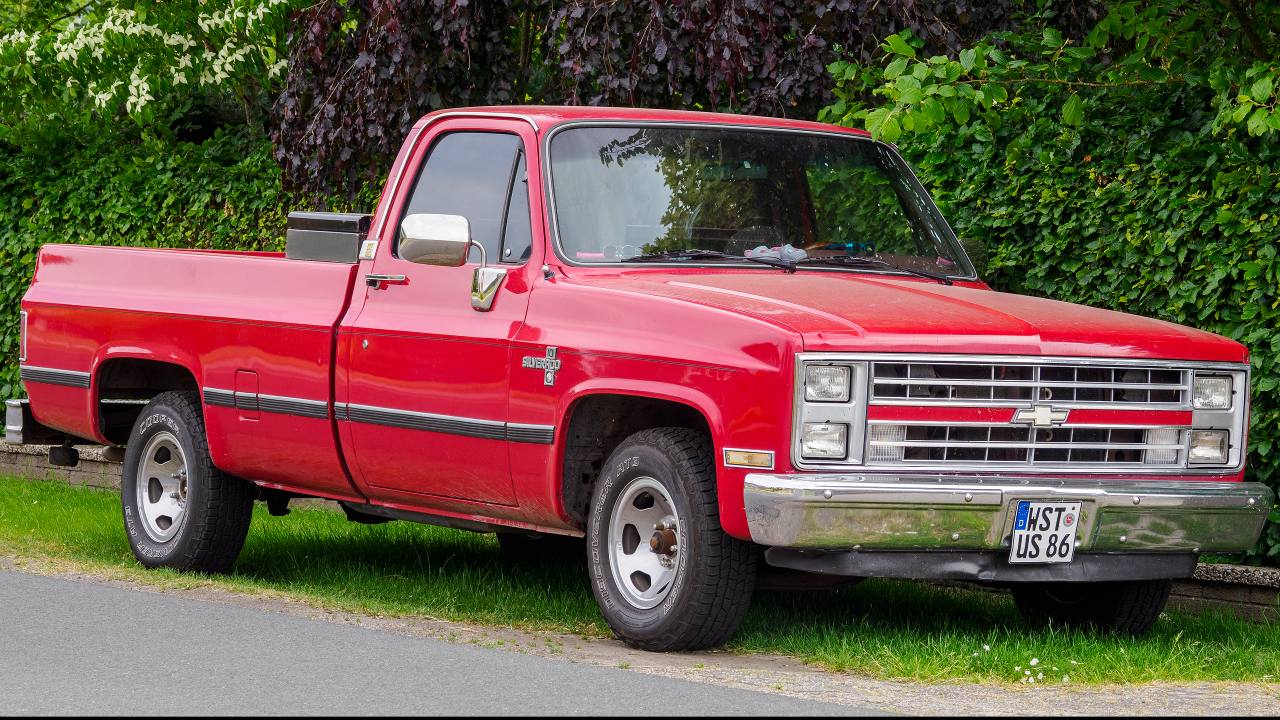
The most important distinction between a Chevy C10 and a K10 is the way they put power to the ground. The C10 is a two-wheel-drive truck, sending torque to the rear axle only, which keeps the chassis lower, lighter, and mechanically simpler. Guides that compare 1969 and 1970s pickups describe the C10 as the dependable street choice, with rear-wheel drive that suits everyday commuting and highway use rather than deep mud or steep fire roads. That same pattern holds for later models such as the 1986 Chevrolet pickup, where buyers weighing a C10 against a K10 are essentially deciding whether they truly need four driven wheels or not.
The K10, by contrast, is defined by its four-wheel-drive system. Reports that break down the drivetrain note that the K10 adds a transfer case to split power between the front and rear axles, along with additional front-axle hardware that significantly increases complexity and capability. Some K10 versions use a solid front axle that is praised for durability and articulation off road, but that hardware also adds weight and can make the truck feel more truck-like on pavement. Analysts who frame the decision in simple terms often advise that if a buyer needs reliable traction in rain, snow, or on unpaved roads, the K10’s extra hardware is justified, while those who stay on dry streets do not need to overthink the choice and can safely favor the C10.
Ride, handling, and how each truck feels to live with
Beyond the drivetrain, the way these trucks ride and handle is where their personalities really diverge. Commentators who focus on suspension and ride quality point out that the C10’s lower stance and two-wheel-drive layout allow for a more car-like suspension tune, with geometry that favors stability and predictable handling on paved roads. That makes the C10 a natural fit for the “street truck” role that many builders pursue today, whether in mostly stock form or as a slammed custom. The smoother ride and more controlled body motions are part of why the C10 is often described as easier to live with as a daily driver.
The K10’s suspension is tuned for different priorities. Analyses of classic Chevy truck setups note that four-wheel-drive models sit higher, with components chosen to survive rough terrain and repeated impacts rather than to carve freeway on-ramps. Some K10 examples with solid front axles gain impressive articulation and toughness off road, but that same design can contribute to a choppier ride and more steering kickback on broken pavement. Modern builders who create adventure-focused K10 projects lean into this character, pairing the tall stance with off-road tires and travel-ready accessories, which further separates the K10 from the more composed, asphalt-oriented C10 experience.
Ownership costs, maintenance, and parts availability
For buyers who care as much about spreadsheets as stance, the C10 often comes out ahead on running costs. Comparative guides that lay out pros and cons consistently list C10 advantages such as being easier and cheaper to maintain, returning better fuel economy than a K10, and appearing more frequently on the used market. Because the C10 shares engines and many components with other popular Chevrolet models, and because production numbers were large across the broader Chevy truck family, parts availability is generally strong. That abundance keeps routine repairs straightforward and helps hold down the cost of keeping a C10 on the road.
The K10’s extra capability carries a financial penalty. The four-wheel-drive system adds more components to service, from the transfer case to front differentials and additional driveshafts, and each of those parts can require specialized attention as the truck ages. Analysts who walk buyers through the tradeoffs emphasize that the K10’s complexity is worth the effort for owners who regularly encounter mud, snow, or remote trails, but it is unnecessary overhead for drivers who rarely leave pavement. Even when both trucks share the same small-block V8 or other powertrain pieces, the K10’s additional weight and driveline drag tend to increase fuel consumption and accelerate wear on consumables like tires and brakes.
Market values and how far a budget really goes
Money on the hood has always separated two-wheel-drive and four-wheel-drive trucks, and that pattern persists in the classic market. Historical pricing comparisons show that when new, a Chevy K10 typically carried a base MSRP roughly 25 percent higher than a comparable C10 of the same year and trim. Current valuation snapshots echo that spread, with recent buyer guides noting that clean-running C10s often trade in the 15,000 to 30,000 dollar range, while similarly presentable K10s can command 20,000 to 40,000 dollars or more, especially when equipped with desirable options such as air conditioning or big-block engines. Those figures vary widely by year, condition, location, and modification level, but the pattern is clear: four-wheel drive still costs extra.
That premium shapes what kind of build a given budget can support. For the same outlay, a buyer might secure a very tidy, largely original C10 or a more worn K10 that needs chassis and driveline work. Restoration specialists who showcase both platforms describe their C10 projects as optimized for street performance and visual impact, while their K10 builds are positioned as adventure trucks with upgraded suspension, off-road tires, and overlanding gear. In practice, that means a shopper with limited funds who wants a finished, turn-key classic is more likely to find it in C10 form, whereas a K10 at the same price may be a starting point that still demands significant investment.
Use cases, lifestyle fit, and which truck makes sense now
When the conversation shifts from specs to lifestyle, the C10 and K10 appeal to distinct types of owners. Analysts who frame the decision around use cases describe the C10 as ideal for dependable street duty, weekend cruising, and light hauling, particularly in urban or suburban environments where snow and deep mud are rare. The truck’s sleek lines and stylish design, highlighted in profiles of The Chevy C10’s production run from 1960 to 1987, have also made it a favorite canvas for customizers who prefer lowered suspensions, modern wheels, and upgraded interiors. For drivers who want a classic that feels composed on long highway trips and fits easily into a daily routine, the C10 aligns naturally with those priorities.
The K10, by contrast, is tailored to owners who see their truck as a gateway to open terrain rather than just open roads. Detailed comparisons of classic Chevy builds describe how four-wheel-drive versions are purpose built for adventure, with higher ground clearance, more aggressive tires, and drivetrains that deliver superior traction when conditions deteriorate. Some modern builders explicitly divide their offerings into a C10 street truck and a K10 adventure truck, underscoring how each platform now represents a different lifestyle choice. For buyers who regularly tow boats down muddy ramps, drive into the mountains in winter, or explore unpaved trails, the K10’s extra complexity is not a burden but a prerequisite.
More from Fast Lane Only