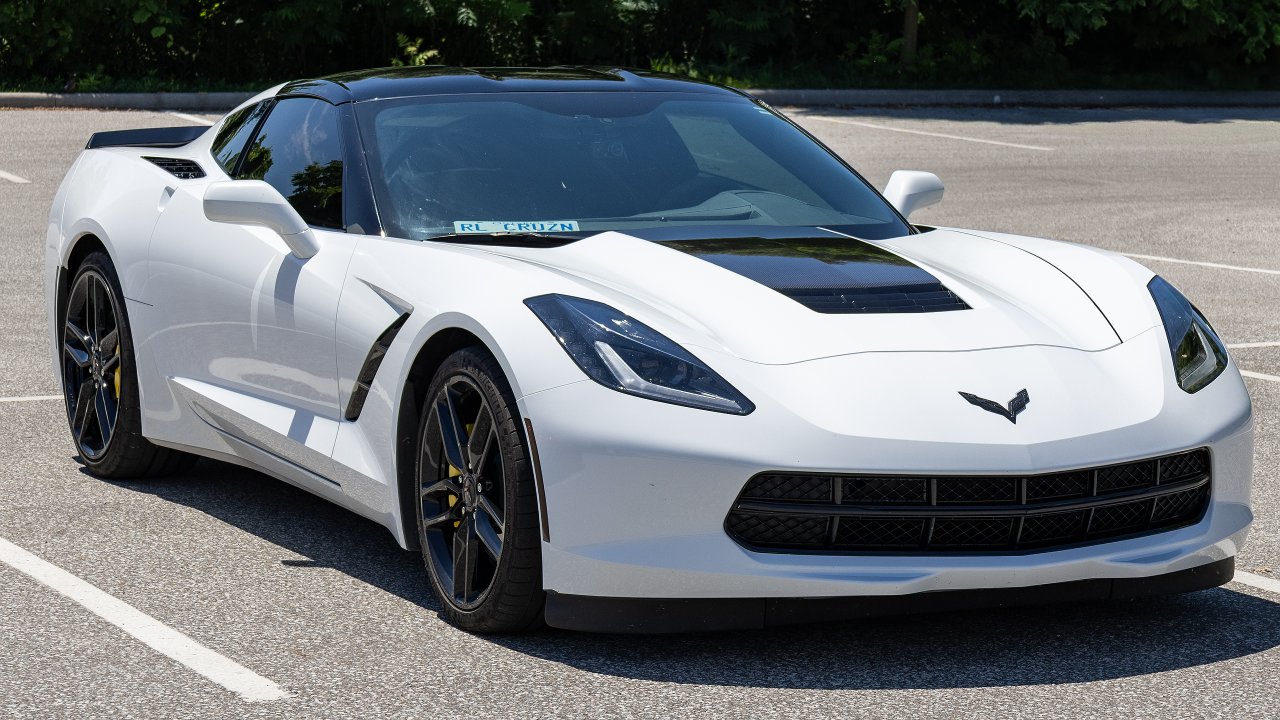
Chevrolet is quietly reshaping what it means to own America’s most famous sports car, steering the Corvette into a realm where price is only the starting point and personalization becomes the real currency. With ultra-limited editions, six-figure stickers, and talk of tailor-made builds for the wealthiest clients, the brand is signaling that its future halo cars will be as much about individual stories as lap times. For high-roller buyers, the next generation of Corvettes will not simply be purchased, they will be commissioned.
The Corvette climbs into true luxury territory
The modern Corvette has already crossed a psychological threshold, moving from attainable dream car into genuine luxury object. Pricing for the 2026 Corvette ZR1X illustrates the shift: the car will start at $207,395 for the 1LZ coupe, a figure that already includes $1,995 in destination freight charge, and the 1LZ convertible will open at $217,395 with the same $1,995 DFC baked in. Those numbers place the car squarely in a bracket where buyers are accustomed to concierge treatment, curated options, and the sense that their vehicle is not just another unit on a dealer lot.
Chevrolet has been explicit that the ZR1X sits at the top of its performance hierarchy, with executives describing it as one of the fastest American sports cars in the world and celebrating that status in front of enthusiast audiences in Aug. That performance narrative, combined with a price that can climb even higher for special versions, sets the stage for a more bespoke approach. When a single Corvette can already command more than $200,000, the logic of offering deeper customization and ultra-limited trims becomes difficult to ignore for a brand that wants to keep affluent customers inside its orbit.
Affluent buyers are already in the Corvette’s orbit
The customer base for the current Corvette generation has quietly become far wealthier than the car’s blue-collar image might suggest. Analysis of C4 through C8 ownership shows that many C8 households sit well into upper-income territory, with observers noting that there are plenty of owners whose household income exceeds $200,000 and even over $300,000. Another data point underscores the same trend: one study found that the median household income for C8 buyers is a full $76,000 higher than for the previous generation, a jump that signals a decisive move upmarket.
Those figures matter because they reveal a clientele that is not only able to afford a six-figure sports car, but is also primed to pay extra for exclusivity and personalization. When the typical Corvette owner is already operating at a level where $200,000 is a realistic outlay for a toy, the appetite for numbered editions, rare materials, and one-off details is almost a given. Chevrolet’s internal conversations about more bespoke Corvettes for affluent customers are therefore less a radical pivot and more a recognition of who is actually signing the checks.
From special editions to true bespoke Corvettes
Chevrolet has already begun to test how far it can push the Corvette into the realm of individualized luxury. The Quail Silver Edition of the Corvette ZR1X, revealed alongside pricing details, is a clear example of how the company is using limited-run aesthetics and curated specifications to court collectors. Executives have pointed to this Quail-focused car as a template, noting that if one looks at that edition and its reception, it becomes obvious that there is room to go further for customers who want something even more personal and are willing to pay for it.
Reporting around internal discussions makes it clear that Chevrolet wants to build bespoke Corvettes for affluent clients, not just preconfigured special trims. The Chevrolet Corvette ZR1X, which already costs around $200,000 in some configurations, is being positioned as the launchpad for a new customization program that could include unique finishes, rare materials, and potentially numbered builds that turn each car into an object with an individual story. The language from inside the company has shifted from asking what options can be packaged to a more open-ended “What can we do?” for a buyer who expects the brand to start with a blank sheet of paper.
What ultra-bespoke might look like in practice
Although Chevrolet has not publicly detailed a full catalog of future bespoke options, the contours of such a program are already visible. At a price point where the ZR1X costs around $200,000, buyers are said to expect exclusivity, numbering, rare materials, and unique finishes, and Chevrolet has acknowledged that expectation as it shapes its personalization strategy. That could translate into factory-sanctioned paint colors that exist on a single car, interior treatments that mix unconventional leathers or textiles, and trim pieces that are specific to a single commission rather than a model year.
The aftermarket hints at how far some owners are willing to go. Products marketed as Corvette Butterfly Doors Transform kits promise to turn a Chevrolet Corvette into the “ultimate head-turner,” with vertical door conversions that set a car apart from the rest. While such modifications currently live outside the factory ecosystem, they demonstrate that a subset of Corvette owners is already comfortable treating the car as a canvas for dramatic, high-cost alterations. A factory-backed bespoke program could capture that same desire for distinction, but with the engineering rigor, warranty coverage, and resale credibility that come from having Chevrolet’s name on the build sheet.
Strategic stakes for America’s sports car
For Chevrolet, the move toward ultra-custom Corvettes is not just about satisfying a handful of wealthy enthusiasts, it is a strategic response to the car’s changing market position. As the Corvette’s price creeps upward, executives have acknowledged that customers are demanding a different level of customization, and that once the brand starts to offer deeper personalization, enthusiasm builds quickly. Internal voices have framed the question in simple terms: as the car becomes more expensive and more capable, what can the company do to match that with an ownership experience that feels equally elevated?
There is also a broader brand calculus at work. The Chevrolet Corvette ZR1X is not only competing with traditional rivals, it is encroaching on territory usually occupied by low-volume exotics that have long relied on bespoke commissions to justify their prices and burnish their image. By considering more bespoke versions of the ZR1 and related models, Chevrolet is signaling that it intends to play in that arena while still leveraging the Corvette’s identity as America’s Kentucky-built sports car. If the company can balance ultra-bespoke builds for high-roller buyers with the broader appeal that has sustained the nameplate for decades, the next chapter of the Corvette story may be written as much in custom order books as on the track.
More from Fast Lane Only