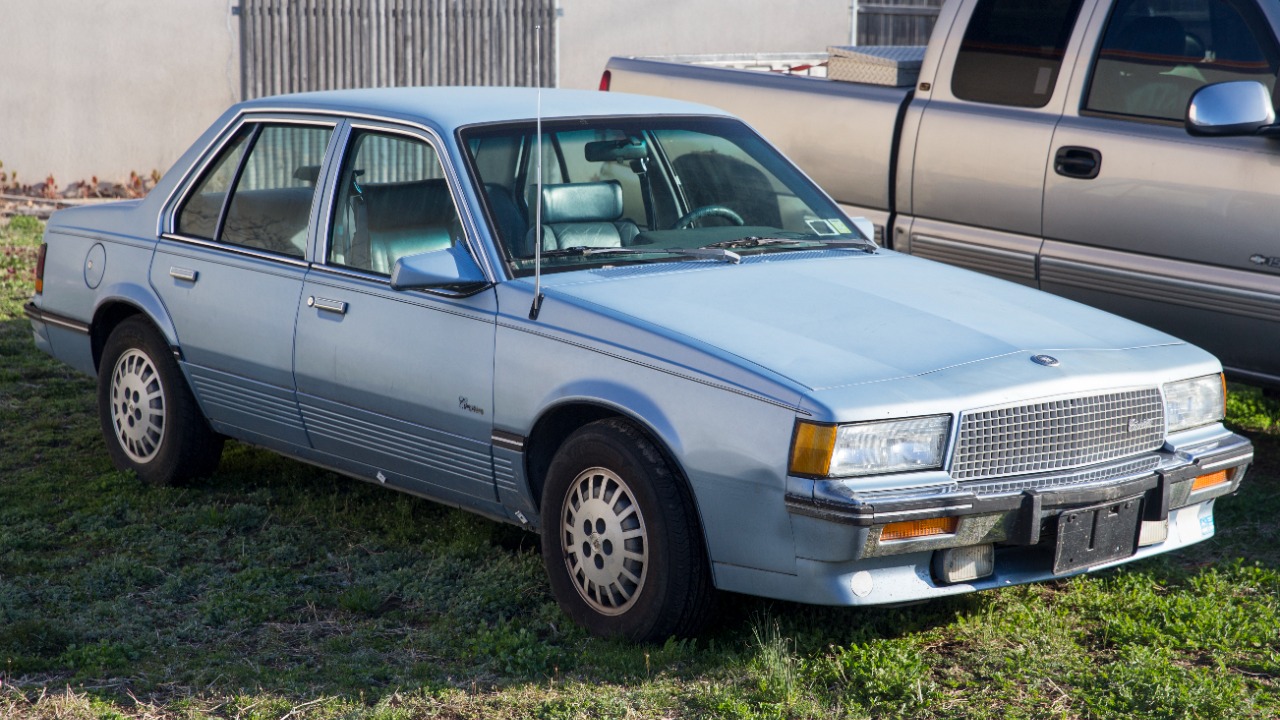
Classic cars have a way of surprising the market. Some models that were once affordable daily drivers or underappreciated sports cars have quietly become stable financial assets. As collector demand expands beyond supercars into heritage models with strong design, motorsport links, and scarcity, values continue to climb in ways many owners never expected.
These 10 classic cars show how reputation, reliability, and cultural impact can turn ordinary machines into long-term value holders. Each model has proven that desirability does not always come from initial price or hype, but from long-term appreciation among collectors worldwide.
Porsche 911 Carrera 2.7 (1974–1977)
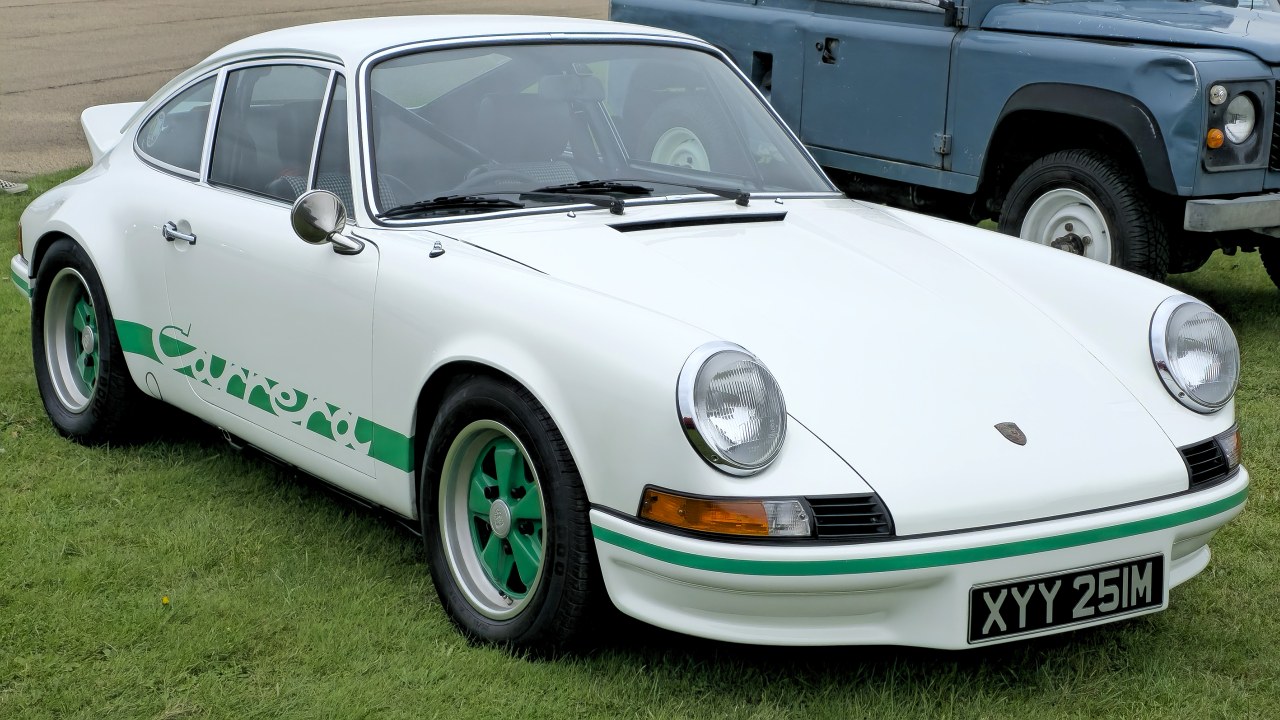
The 1970s Porsche 911 Carrera 2.7 sits in the sweet spot of early air-cooled performance and lightweight engineering. It was never the most expensive 911 when new, yet its mechanical purity and direct driving feel have made it a strong value holder in today’s collector market. Buyers appreciate its connection to the legendary 911 Carrera RS lineage.
As demand for analog sports cars increases, this generation of 911 continues to rise steadily in value. Well-preserved examples with matching numbers and original panels often trade far above expectations, especially when paired with desirable factory colors and documentation.
Toyota Land Cruiser FJ40 (1960s–1980s)
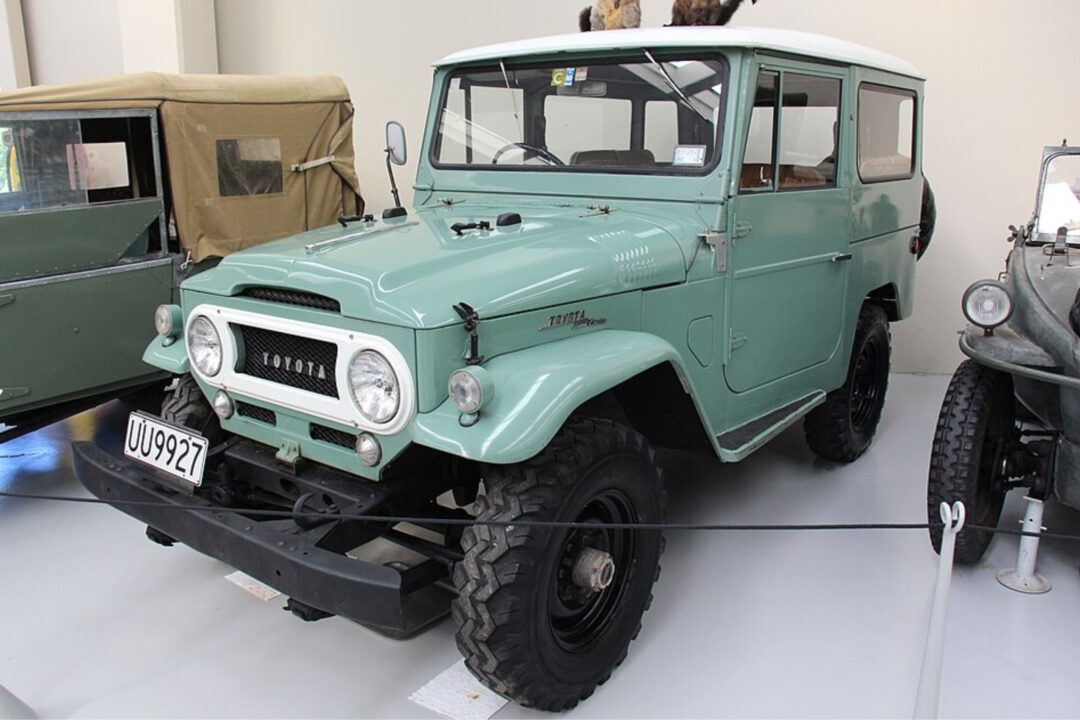
The Toyota Land Cruiser FJ40 was originally designed as a rugged utility vehicle rather than a collector icon. Its simple construction, ladder-frame durability, and off-road capability made it a global workhorse across farms, military use, and exploration.
Today, those same traits have made it highly desirable among collectors who value authenticity and adventure heritage. Restored FJ40 models, especially with original drivetrains and minimal rust, now command strong premiums due to their scarcity and global nostalgia appeal.
Chevrolet Corvette Sting Ray C2 (1963–1967)

The C2 Corvette Sting Ray represents one of the most iconic American sports car designs ever built. Its aggressive styling, split-window coupe heritage, and big-block engine options created instant desirability that has only strengthened over time.
Collectors consistently value original, well-documented C2 Corvettes because they represent a turning point in Chevrolet performance engineering. High-spec versions with factory big-block engines continue to perform strongly at auctions, especially those with rare option combinations.
Mercedes-Benz 280SL “Pagoda” (1967–1971)
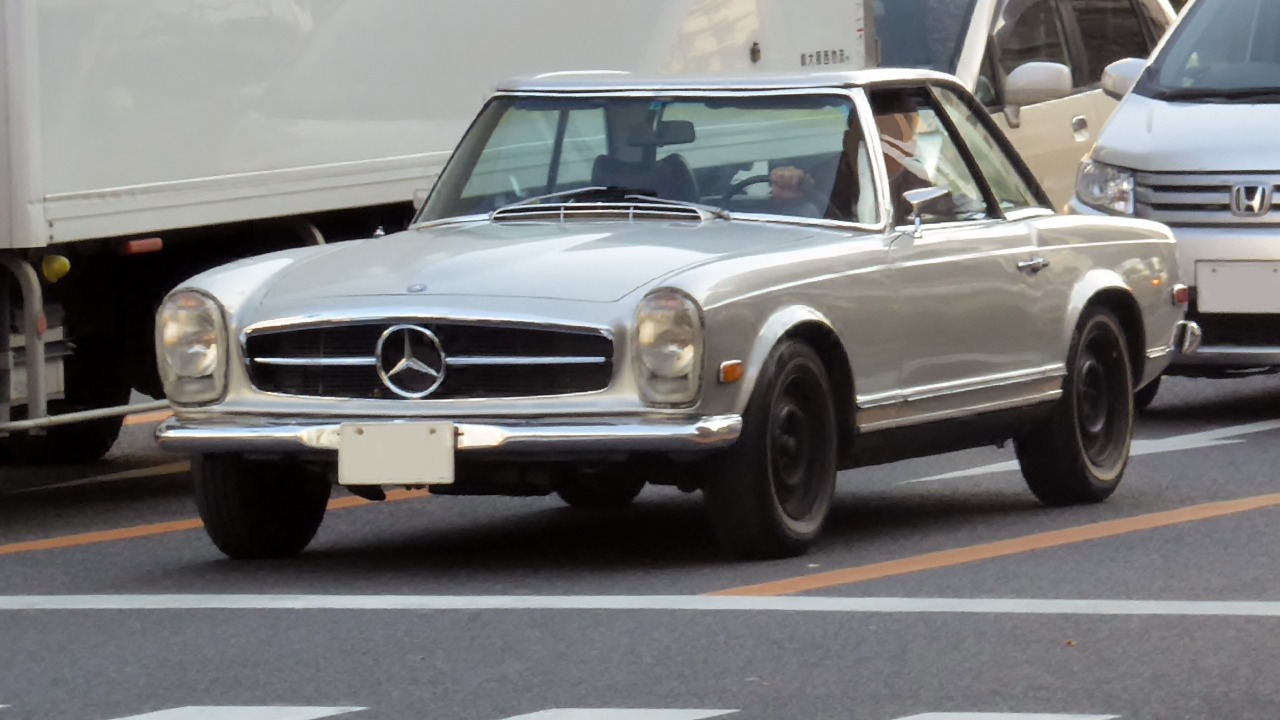
The Mercedes-Benz 280SL, known as the “Pagoda,” blends elegant design with engineering precision. Its distinctive concave hardtop roof and refined road manners made it a luxury favorite during the late 1960s and early 1970s.
In today’s market, the Pagoda’s value stability comes from its timeless styling and strong build quality. Clean, original examples with matching numbers are highly sought after, especially those retaining factory interiors and correct trim.
BMW E30 M3 (1986–1991)
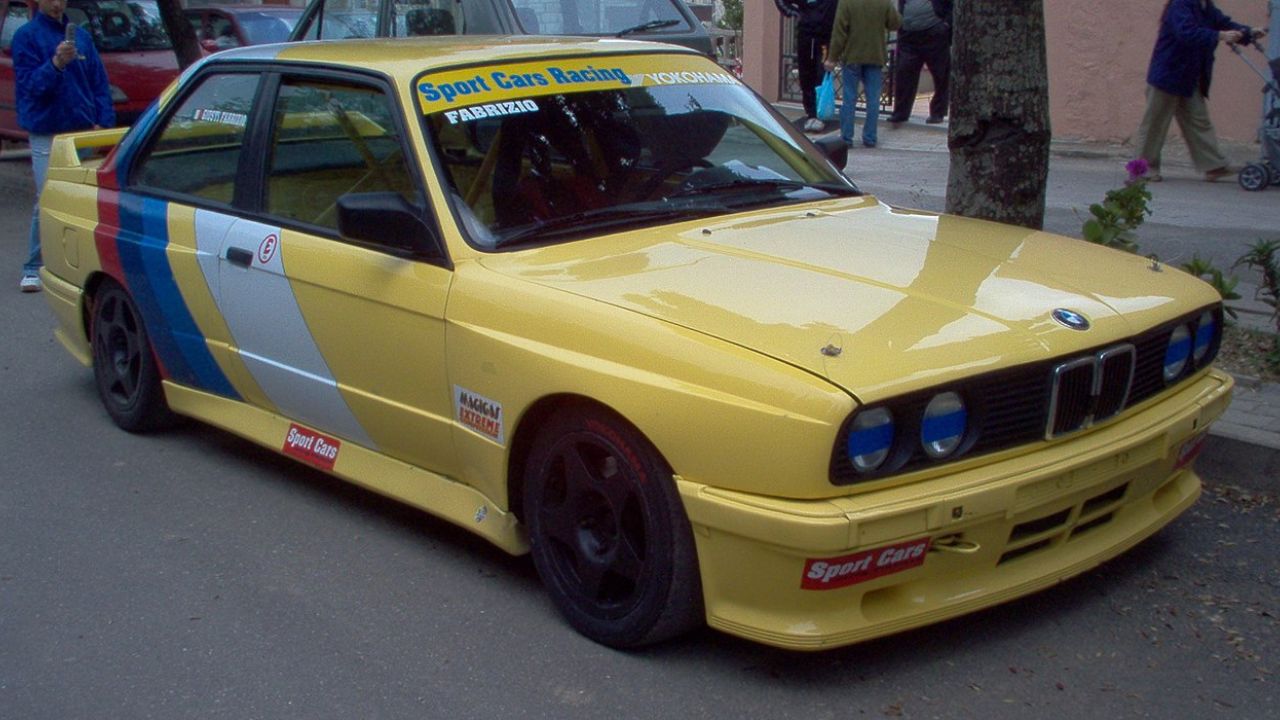
The BMW E30 M3 was originally engineered for homologation racing, which means its street version was built to satisfy motorsport rules rather than mass-market comfort. That racing DNA is the core of its value today.
Collectors and enthusiasts now treat the E30 M3 as one of the defining analog performance cars of its era. Limited production and motorsport success ensure that clean, unmodified examples continue to appreciate steadily in global markets.
Jaguar E-Type Series 1 (1961–1968)
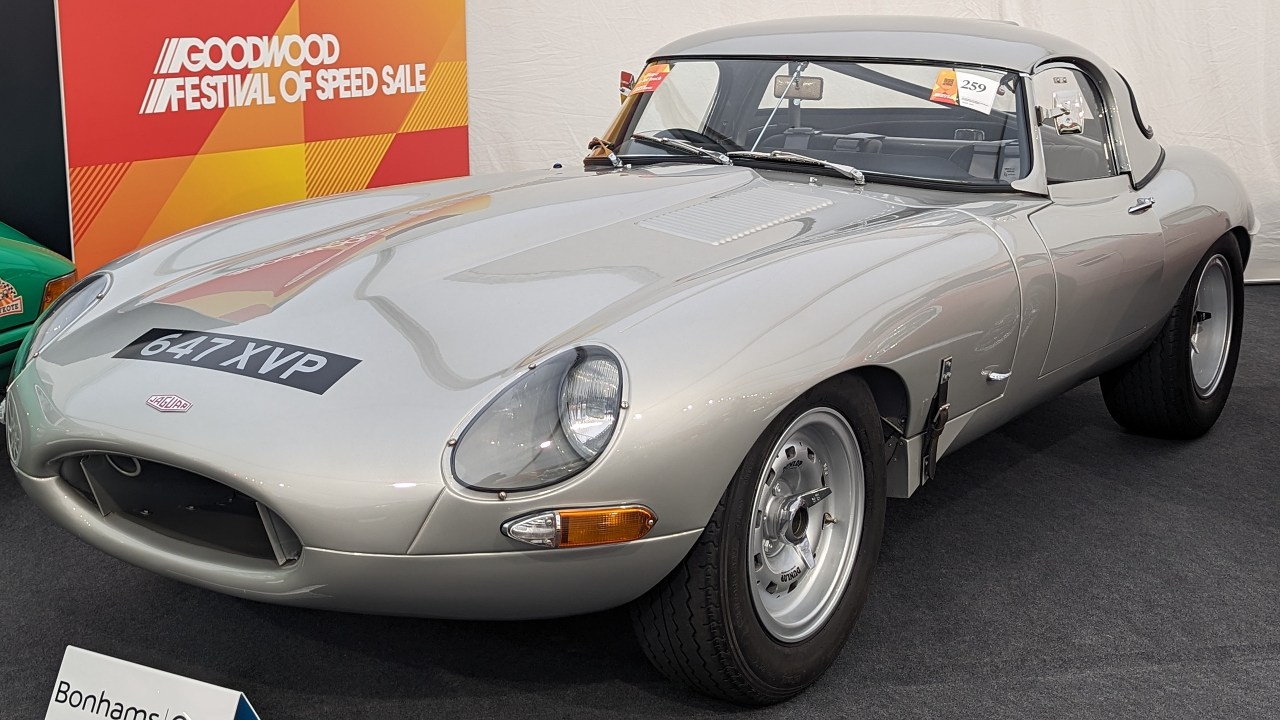
The Jaguar E-Type Series 1 is often described as one of the most beautiful cars ever built. Its long bonnet, curved body lines, and performance credentials helped it become a cultural symbol of 1960s automotive design.
Its value retention comes from both aesthetics and history. Early Series 1 models, especially with covered headlights and original engines, are among the most desirable British classics in the collector world.
Ford Bronco First Generation (1966–1977)
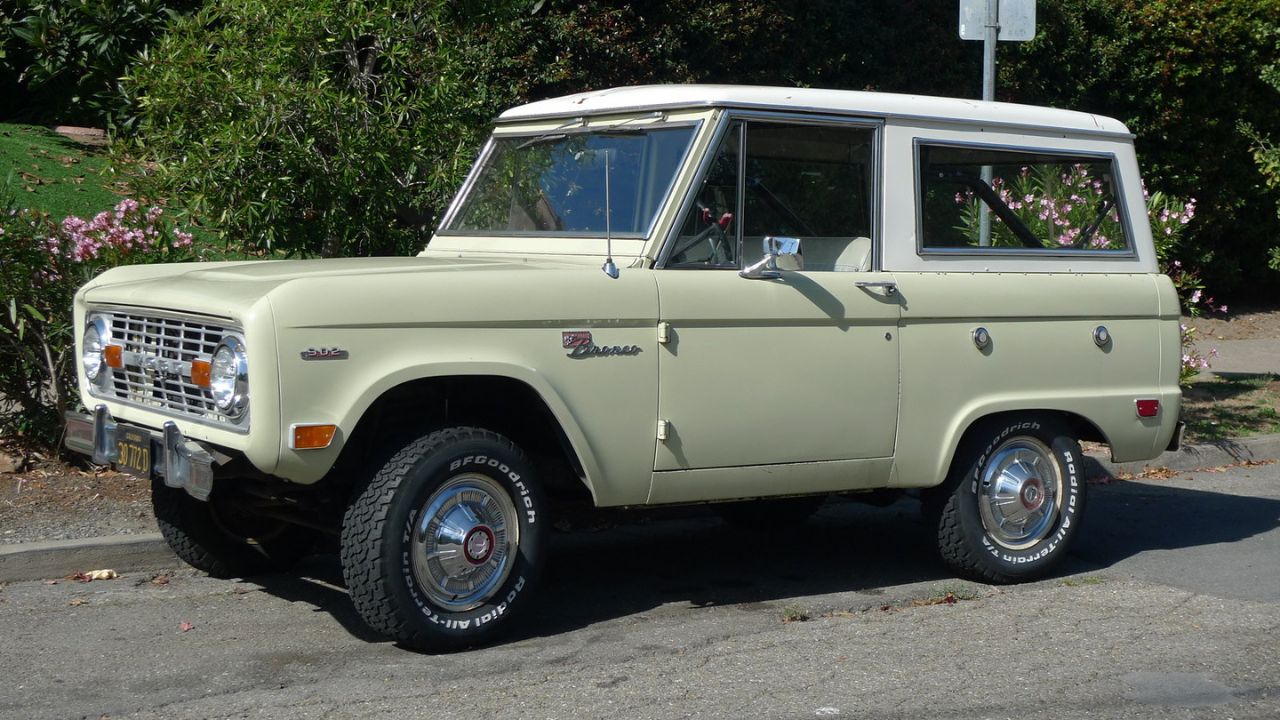
The first-generation Ford Bronco was originally marketed as a compact off-road utility vehicle, competing directly with rugged 4×4 platforms. Its simple design and short wheelbase made it highly capable in challenging terrain.
Modern collectors now view early Broncos as lifestyle classics. Restored examples, especially those with original steel bodies and period-correct details, have seen strong price growth due to restoration demand and cultural nostalgia.
Ferrari 308 GTB (1975–1985)
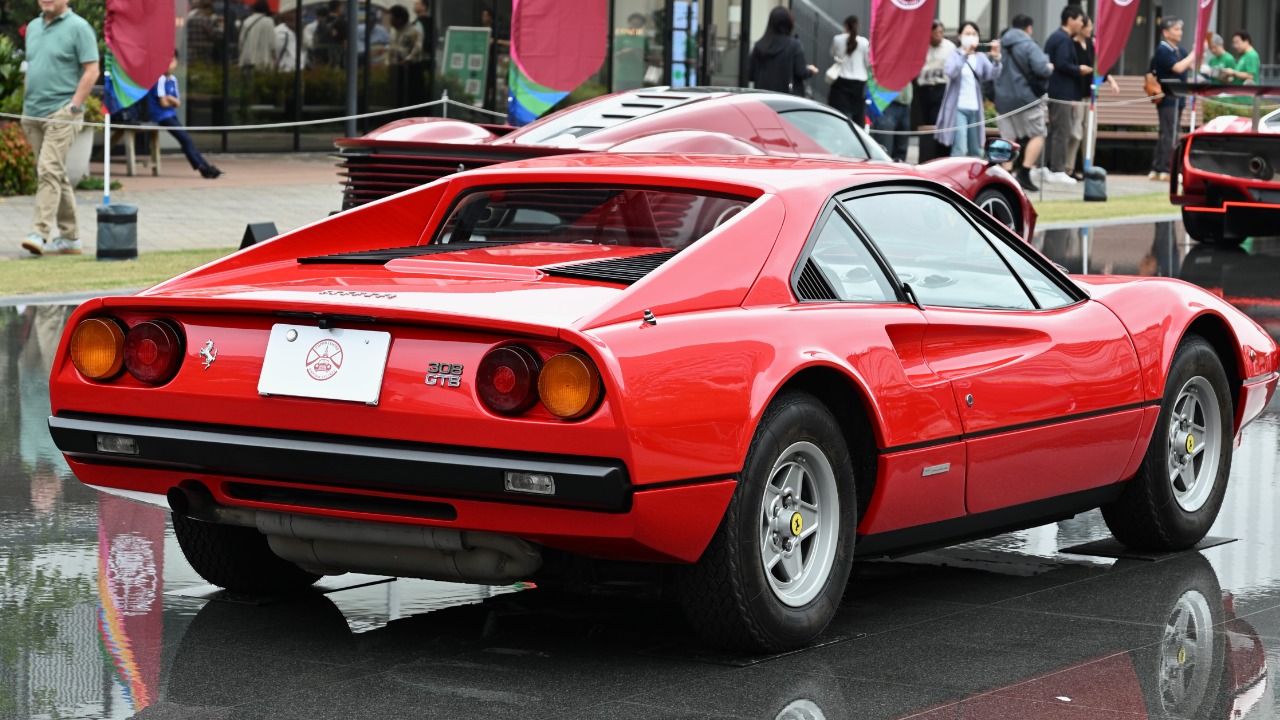
The Ferrari 308 GTB became globally recognized through its design and media exposure, making it one of Ferrari’s most iconic V8 models. Its wedge styling and mid-engine layout helped define 1980s supercar aesthetics.
While not the rarest Ferrari, its consistent demand ensures strong value retention. Well-maintained manual transmission examples, especially early fiberglass-bodied versions, tend to attract the highest collector interest.
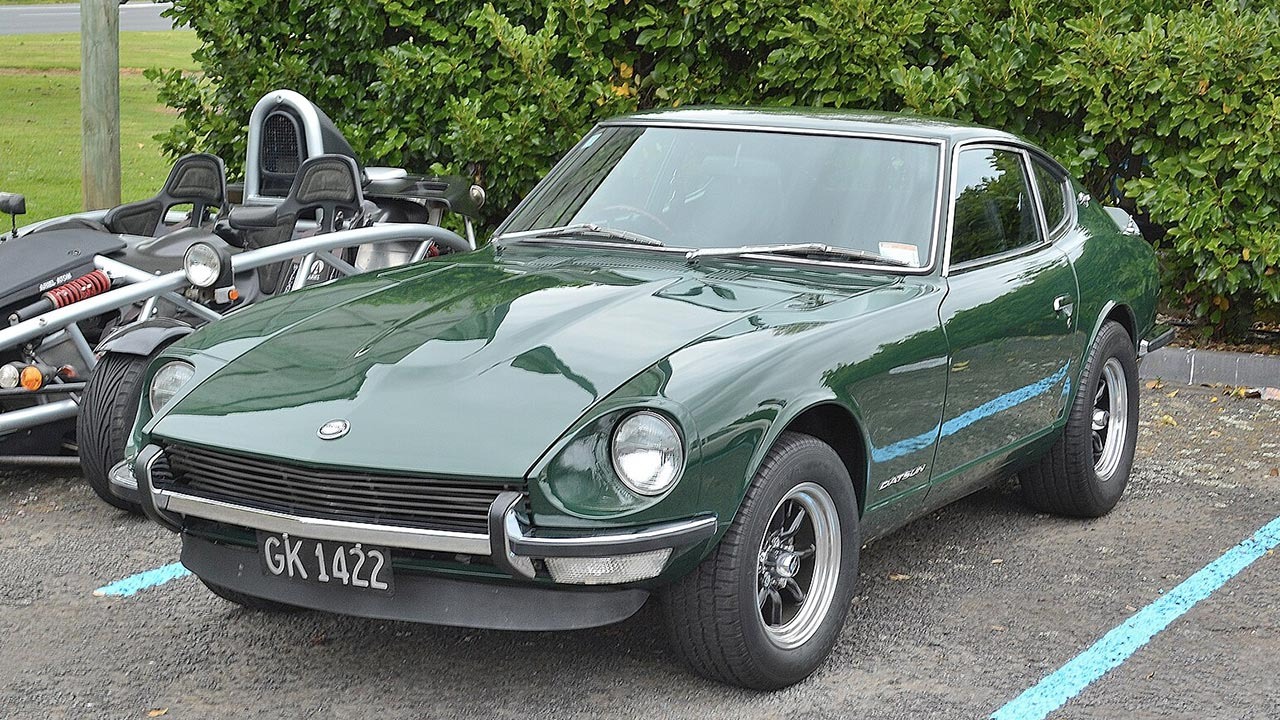
Datsun 240Z (1969–1973)
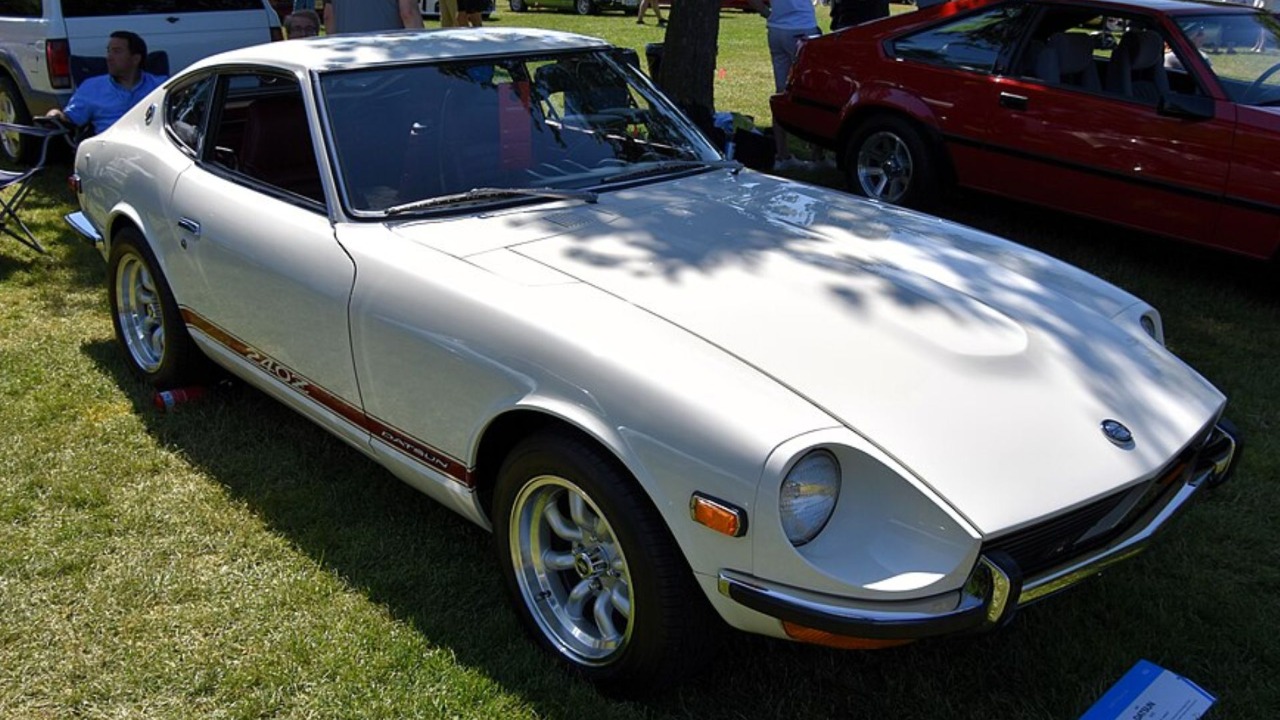
The Datsun 240Z changed global perception of Japanese sports cars by combining affordability with real performance. It offered a lightweight chassis, inline-six power, and sleek styling inspired by European GT cars.
Today, the 240Z is one of the strongest Japanese classics in terms of value growth. Original, rust-free examples are increasingly rare, and collectors actively seek restored or preserved versions with matching numbers.
Volkswagen Beetle (Split Window Era 1940s–1950s)

The early Volkswagen Beetle, especially split-window models, started as an affordable people’s car rather than a collectible. Its global production success made it one of the most recognizable vehicles in history.
Over time, early production variants have become highly collectible due to survival rates and historical significance. Well-preserved split-window Beetles now attract strong demand from vintage car enthusiasts and museums alike.
More From Fast Lane Only: