Some classic vehicles were designed to meet budgets, regulations, or mass-market expectations. Others ignored those limits entirely. These machines were engineered with a singular focus—maximum performance, innovation, or prestige—regardless of cost or practicality.
What sets these vehicles apart is their refusal to dilute their purpose. Whether built for racing homologation, engineering excellence, or ultimate driving experience, they represent moments when manufacturers pushed boundaries without hesitation. Today, they stand as benchmarks of what happens when compromise is removed from the equation.
1963 Ferrari 250 GTO
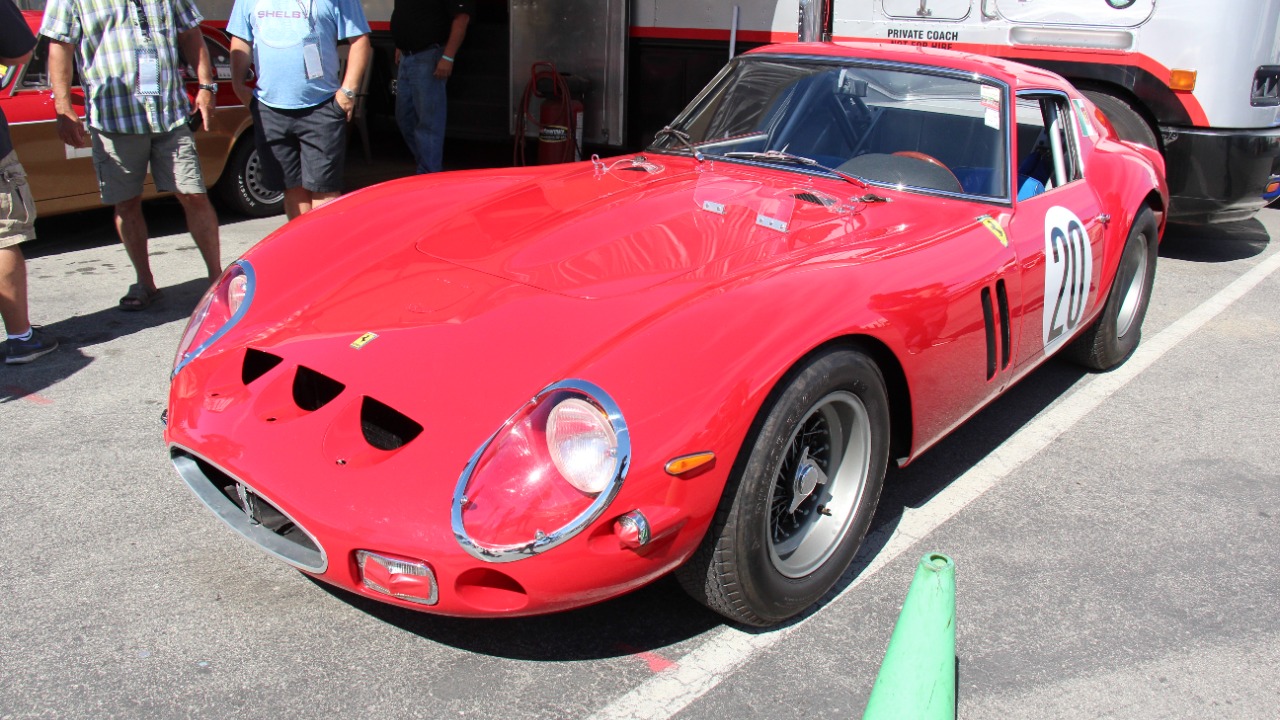
The 1963 Ferrari 250 GTO was built purely to dominate GT racing, with no concern for mass production or affordability. Its lightweight construction, race-tuned V12 engine, and aerodynamic bodywork made it one of the most focused performance cars of its era.
Only a small number were produced, and each was essentially a competition machine adapted for road use. Today, it is considered one of the most valuable cars ever built, reflecting its uncompromising engineering and racing success.
1969 Chevrolet Camaro ZL1
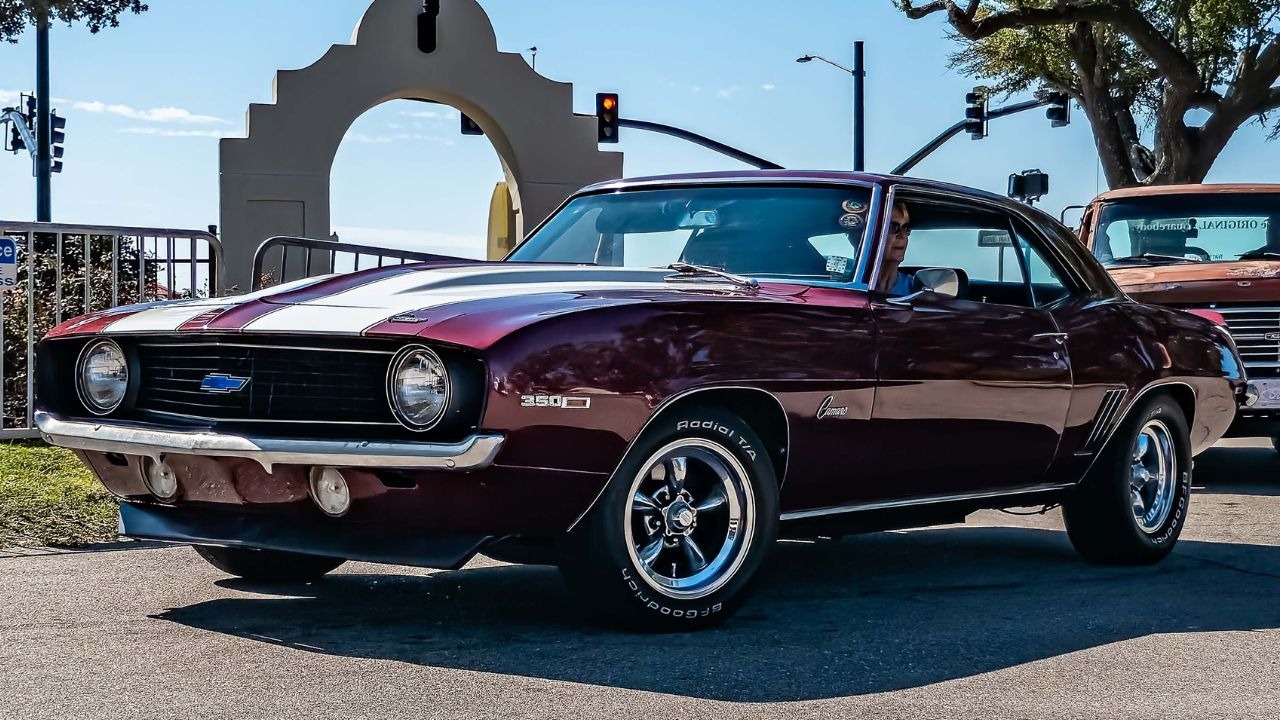
The 1969 Chevrolet Camaro ZL1 pushed the limits of factory muscle by installing an all-aluminum racing engine into a production car. It was never intended for mainstream buyers, which is why production remained extremely limited.
Its purpose was clear: maximum performance. That focus makes it one of the most extreme and collectible muscle cars ever produced by Chevrolet.
1970 Plymouth Hemi ’Cuda
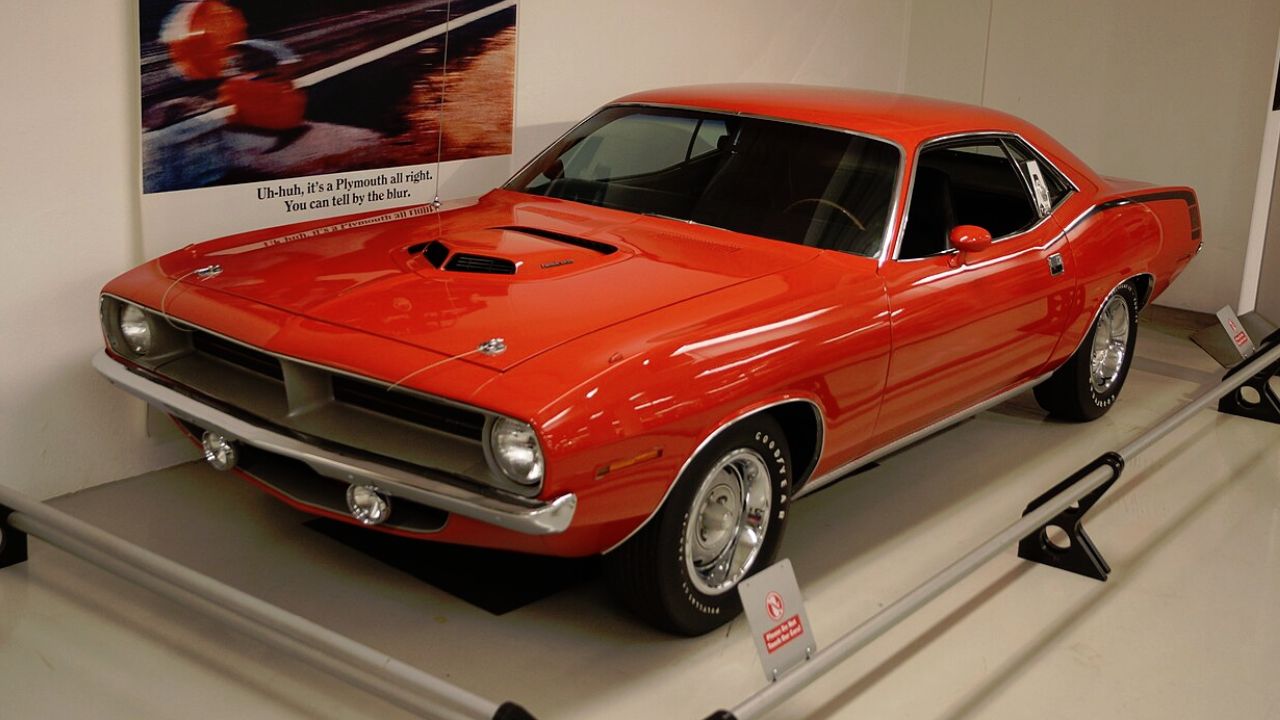
The 1970 Plymouth Hemi ’Cuda represents the peak of Mopar muscle engineering. Equipped with the legendary 426 Hemi engine, it delivered unmatched straight-line performance for its time.
It prioritized power above all else, sacrificing comfort and efficiency. Today, it remains one of the most respected and valuable muscle cars ever built.
1969 Ford Mustang Boss 429

The 1969 Ford Mustang Boss 429 was created to homologate a NASCAR engine, requiring extensive modifications to fit the massive powerplant into the Mustang chassis.
Its engineering complexity and limited production reflect a no-compromise approach to performance. It stands as one of the most unique and purpose-driven Mustangs ever produced.
1974 Lamborghini Countach LP400
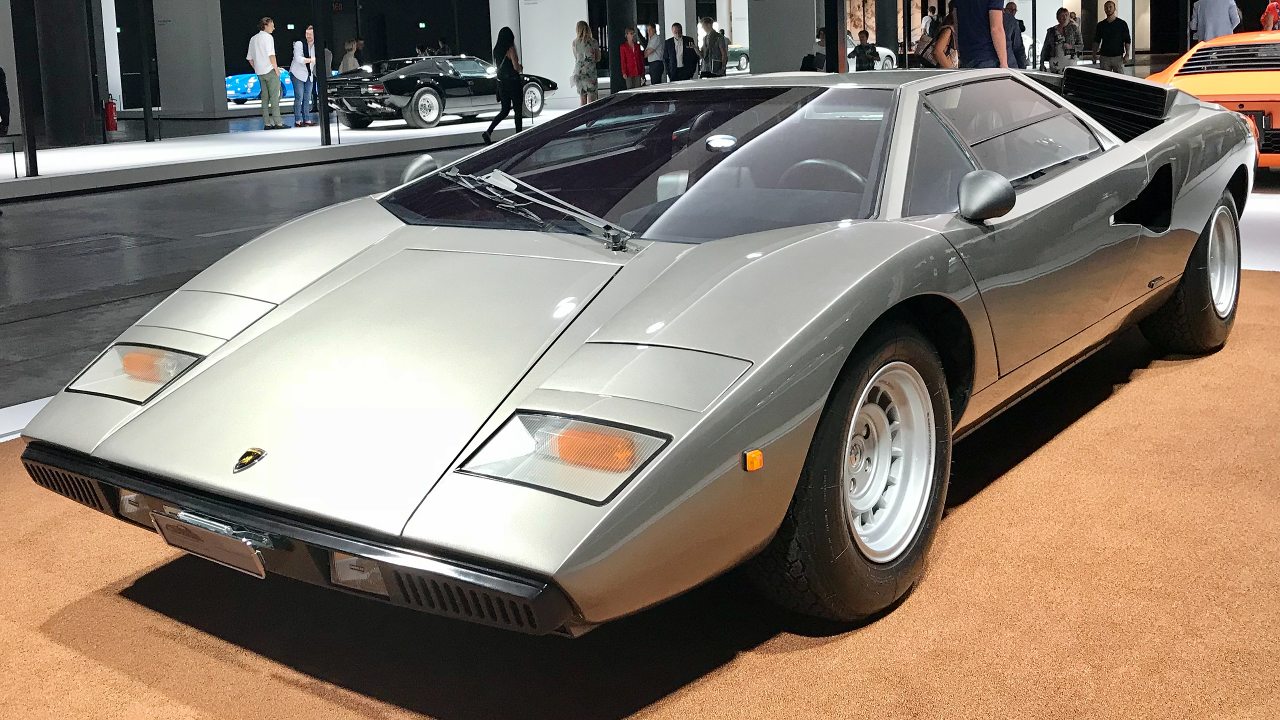
The 1974 Lamborghini Countach LP400 redefined supercar design with its wedge shape, scissor doors, and mid-engine layout. It was built to shock the automotive world rather than appeal to practicality.
Its radical styling and performance focus made it a symbol of excess and innovation. Even today, it remains one of the most recognizable supercars ever created.
1967 Shelby Cobra 427
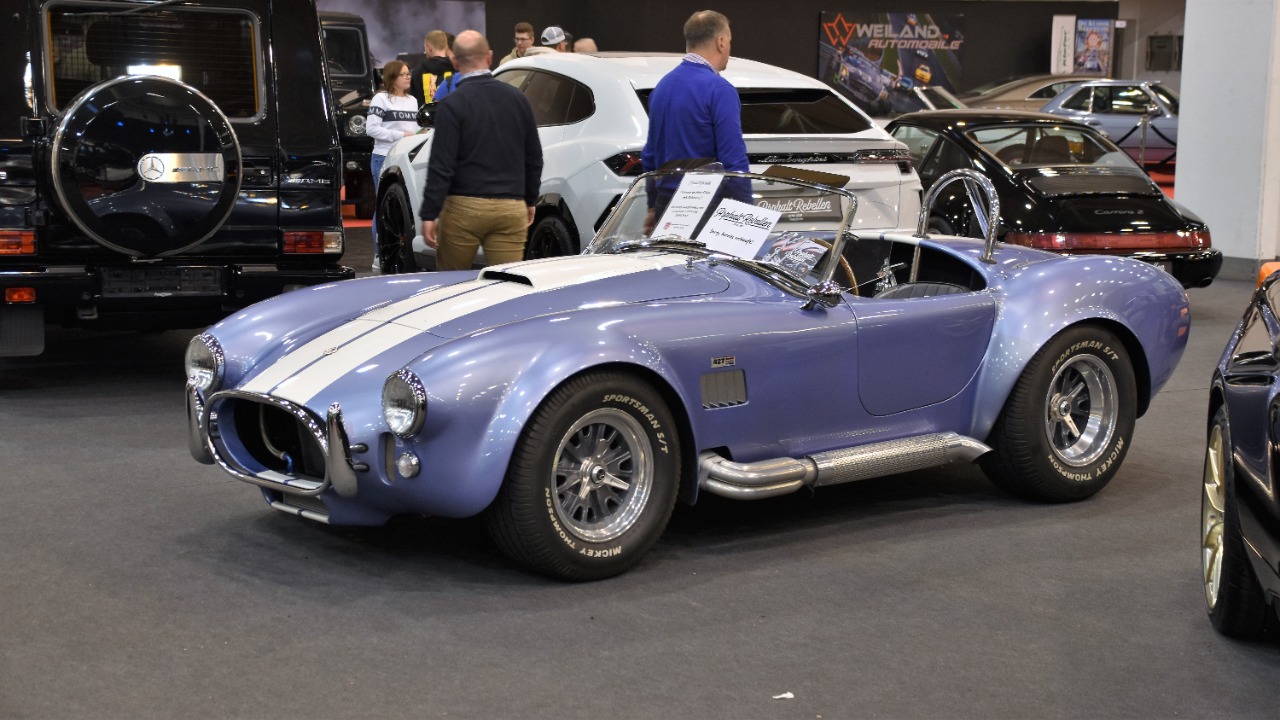
The 1967 Shelby Cobra 427 combined a lightweight body with an extremely powerful V8 engine, resulting in a car that prioritized raw performance above all else.
It offered little in terms of comfort or safety, but delivered an unmatched driving experience. Its uncompromising nature makes it one of the most legendary performance cars in history.
1955 Mercedes-Benz 300SL Gullwing
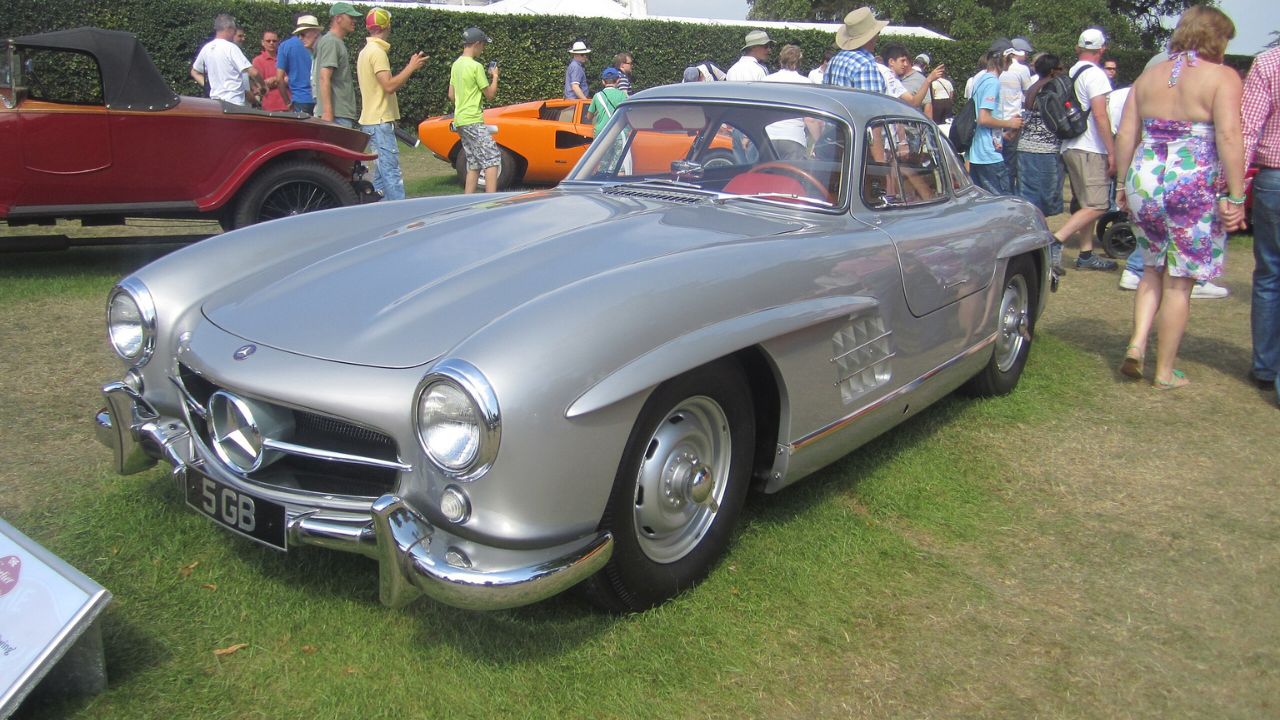
The 1955 Mercedes-Benz 300SL Gullwing was built with advanced engineering for its time, including fuel injection and a lightweight tubular frame.
Its design required unique gullwing doors, showing how engineering decisions drove styling. It remains a landmark vehicle that prioritized innovation over convenience.
1966 Ford GT40 Mk II
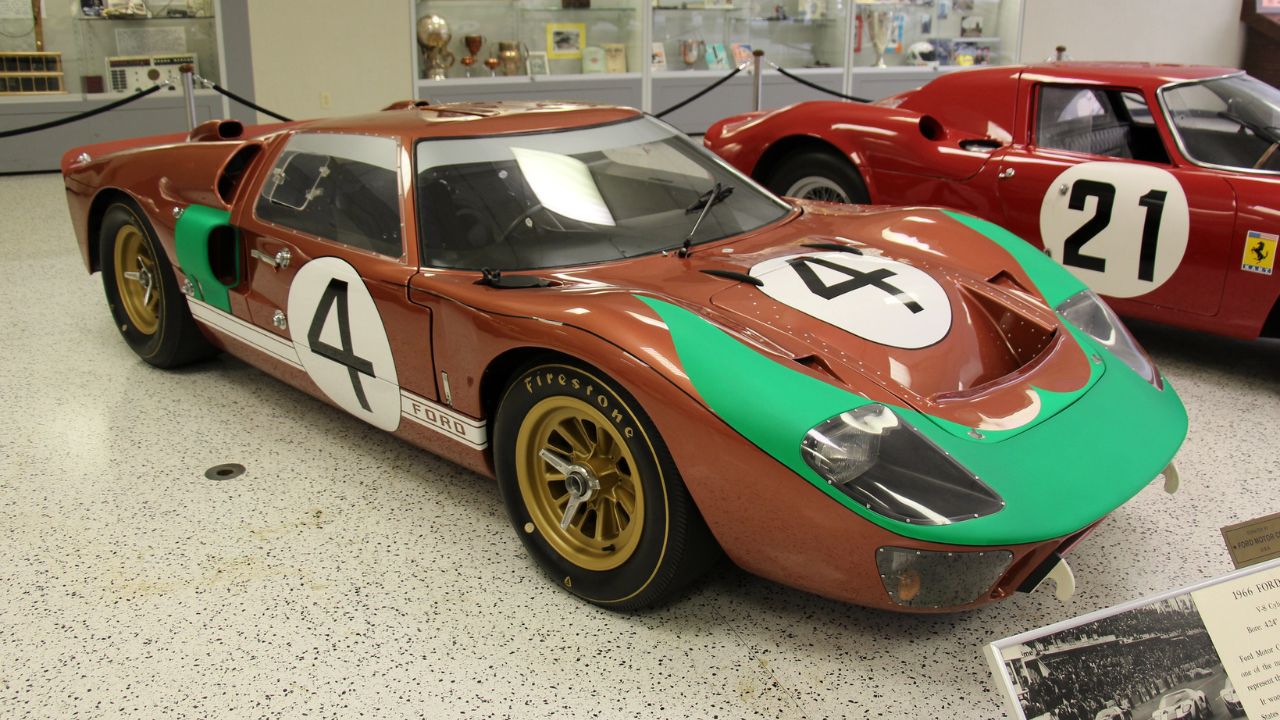
The 1966 Ford GT40 Mk II was built with one mission: defeat Ferrari at Le Mans. Every aspect of its design was focused on endurance racing success.
Its victory at Le Mans cemented its legacy as one of the most purpose-built race cars ever. It represents a moment when performance goals outweighed all other considerations.
1971 Plymouth Hemi ’Cuda Convertible
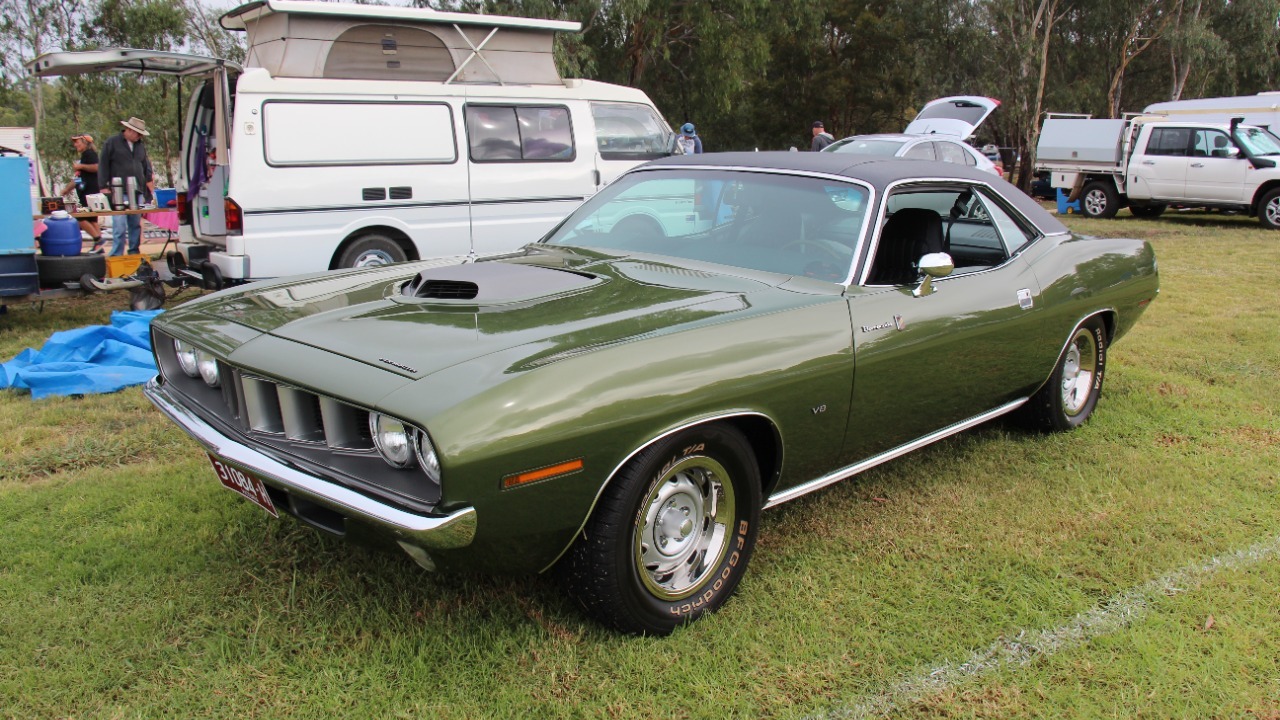
The 1971 Plymouth Hemi ’Cuda Convertible combined extreme rarity with maximum performance. With very few produced, it became one of the most exclusive muscle cars ever made.
Its existence reflects a time when manufacturers still offered high-performance options without limiting production purely for practicality. Today, it is a top-tier collector asset.
1969 Dodge Charger Daytona
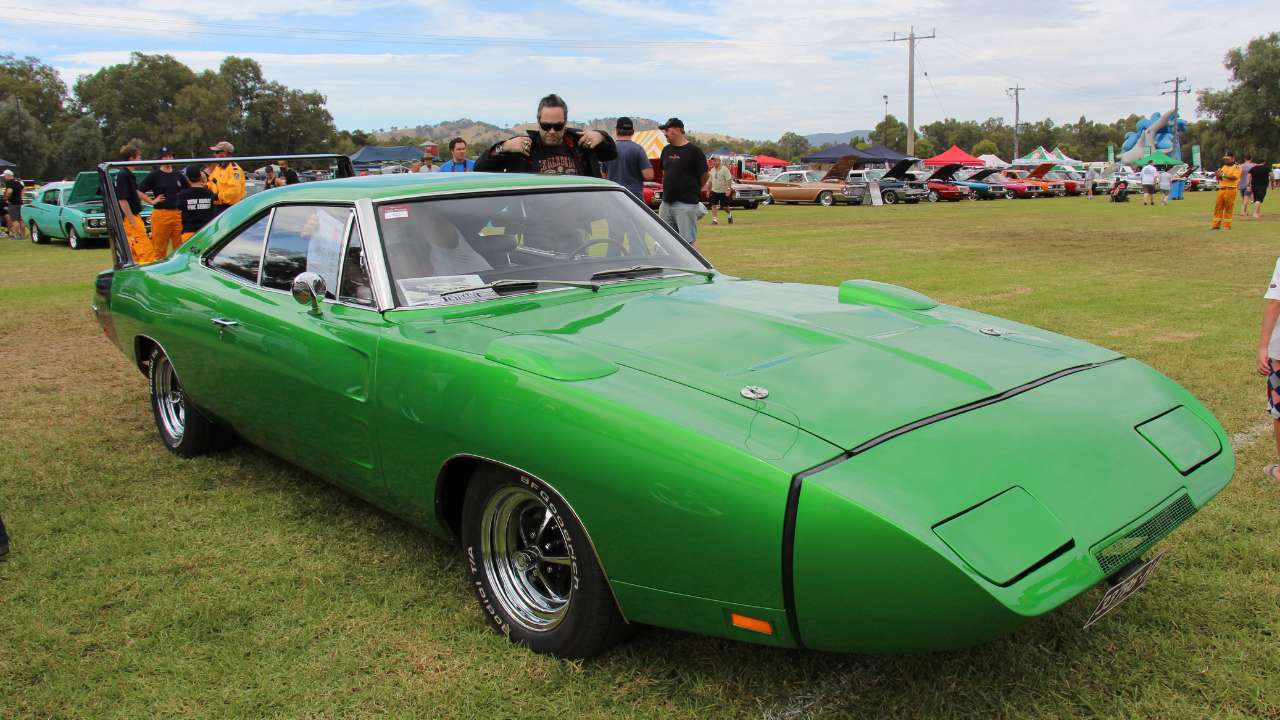
The 1969 Dodge Charger Daytona was engineered for aerodynamic dominance in NASCAR racing. Its extended nose and tall rear wing were designed purely for high-speed stability.
It sacrificed conventional styling for function, making it one of the most extreme production cars ever built. Its design remains instantly recognizable.
1973 Porsche 911 Carrera RS

The 1973 Porsche 911 Carrera RS was a lightweight, performance-focused version of the 911 built for homologation purposes. It featured reduced weight, improved aerodynamics, and enhanced engine performance.
Its focus on driving precision and track capability makes it one of the most respected classic sports cars. It continues to influence modern Porsche design.
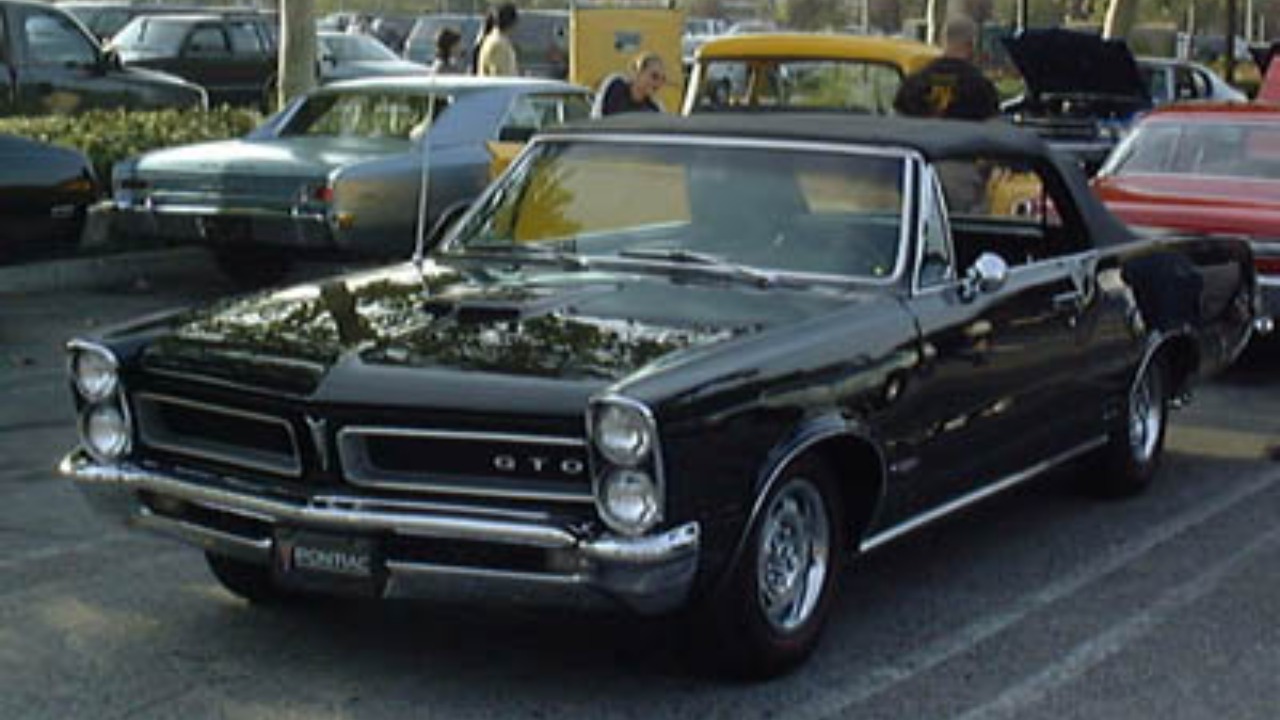
1965 Pontiac GTO
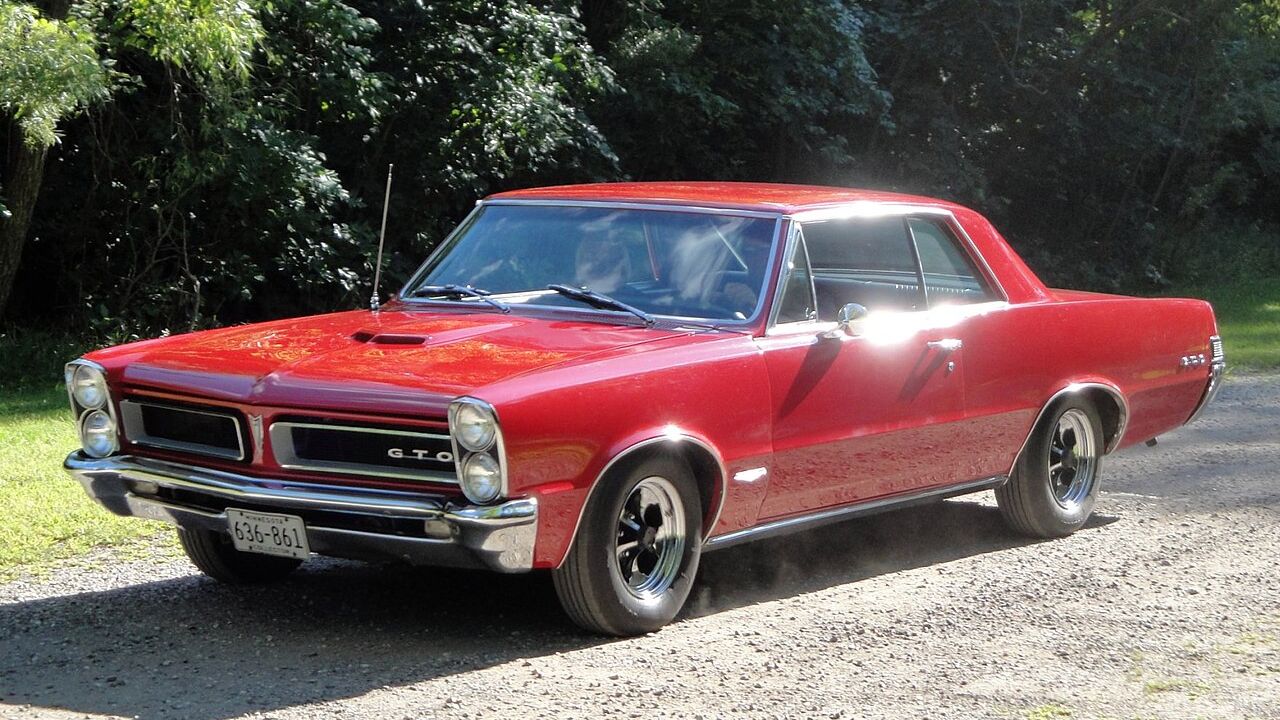
The 1965 Pontiac GTO helped define the muscle car segment by prioritizing performance in a mid-size platform. It offered powerful V8 performance in a relatively lightweight body.
Its success proved that performance-focused vehicles could dominate the market. It remains a foundational example of no-compromise muscle car engineering.
More From Fast Lane Only: