Richard Childress did not describe his decision to sign NASCAR’s charter agreement as a business masterstroke. He framed it as an act of survival, a choice he felt forced to make to keep Richard Childress Racing on the grid and protect the livelihoods tied to his shop. In his telling, the charter system has both sustained his organization and exposed how fragile the sport’s financial model remains for teams that are not insulated by deep outside capital.
As I weigh his testimony and the financial details that have surfaced around it, what emerges is less a contract dispute than a portrait of leverage. NASCAR held the asset Childress could not afford to lose, and he signed to preserve his teams even as he bristled at the terms. That tension, between existential need and long-term stability, now sits at the center of the charter fight.
The midnight ultimatum and a reluctant signature
The most striking detail in Childress’s account is the deadline he says he faced when the new charter agreement landed on his desk. He testified that “they told us we had until (midnight) or you lose ’em,” describing a scenario in which the charters that give his cars guaranteed starting spots and revenue were effectively on the line. In his words, “financially, I can’t lose my charters,” a blunt admission that the value locked inside those pieces of paper outweighed his misgivings about the deal itself, as reflected in his description of being pressured to sign on Sept. 6 under the threat of giving them up.
That sense of coercion matters because it colors every subsequent complaint he has about the system. When a team owner says he would not have signed if he had been “financially able” to walk away, he is telling us that the agreement was less a partnership than a rescue rope he had no choice but to grab. Childress’s own framing, that he did it to keep his teams alive, underscores how the charter structure has become a gatekeeper to survival rather than a shared platform for growth, a dynamic that now sits at the heart of the broader trial testimony involving NASCAR chairman Jim France and other stakeholders.
“Kept us alive,” but at a cost
Childress has been clear that the charter system is not purely villain or savior. He has said directly that the arrangement “kept us alive,” a phrase that captures how the guaranteed revenue and asset value have propped up organizations like his through turbulent seasons. For a mid-market operation without the global brand heft of a Michael Jordan or the corporate backing of a manufacturer, the charter’s promise of a stable income stream can be the difference between fielding multiple cars and shuttering bays in the shop. That is the practical reality behind his decision to sign even as he bristled at the terms.
Yet in the same breath, he has argued that the current structure limits team stability and hampers planning for the future. When an owner says he “can’t support that future” under the existing model, he is pointing to a system that may keep the lights on today but leaves him wary of investing in tomorrow. The tension is evident in his broader comments on the sport’s financial situation, where he has described a landscape in which teams are squeezed between rising costs and revenue streams they do not fully control, even as the charter itself becomes the collateral that keeps them in business.
Evergreen charters and the fear of losing everything
For Childress and his peers, the debate over whether charters should be permanent is not an abstract legal argument. It is a question of whether the asset that “kept us alive” can be counted on as a lasting foundation or remains a revocable privilege. Reporting on the negotiations makes clear that teams pushed for “evergreen” charters, a status that would make them permanent and, in practical terms, more secure. For the owners, that kind of permanence would transform charters from fragile lifelines into durable equity, something they could build around and, if necessary, sell or leverage without fearing that a future agreement might wipe them out.
Childress ultimately decided to be part of the new agreement rather than risk losing his place in the system, but his reasoning circles back to the same anxiety. He has said flatly that he signed because he could not afford to lose the charters, not because he believed the deal fully addressed the teams’ long-term concerns. The push for permanence reflects that unease. If the charters were truly evergreen, he has suggested, he would feel more confident about the stability of his organization and the value of what he has spent decades building, rather than living with the possibility that a future deadline could again threaten to strip it away.
Inside Richard Childress Racing’s financial strain
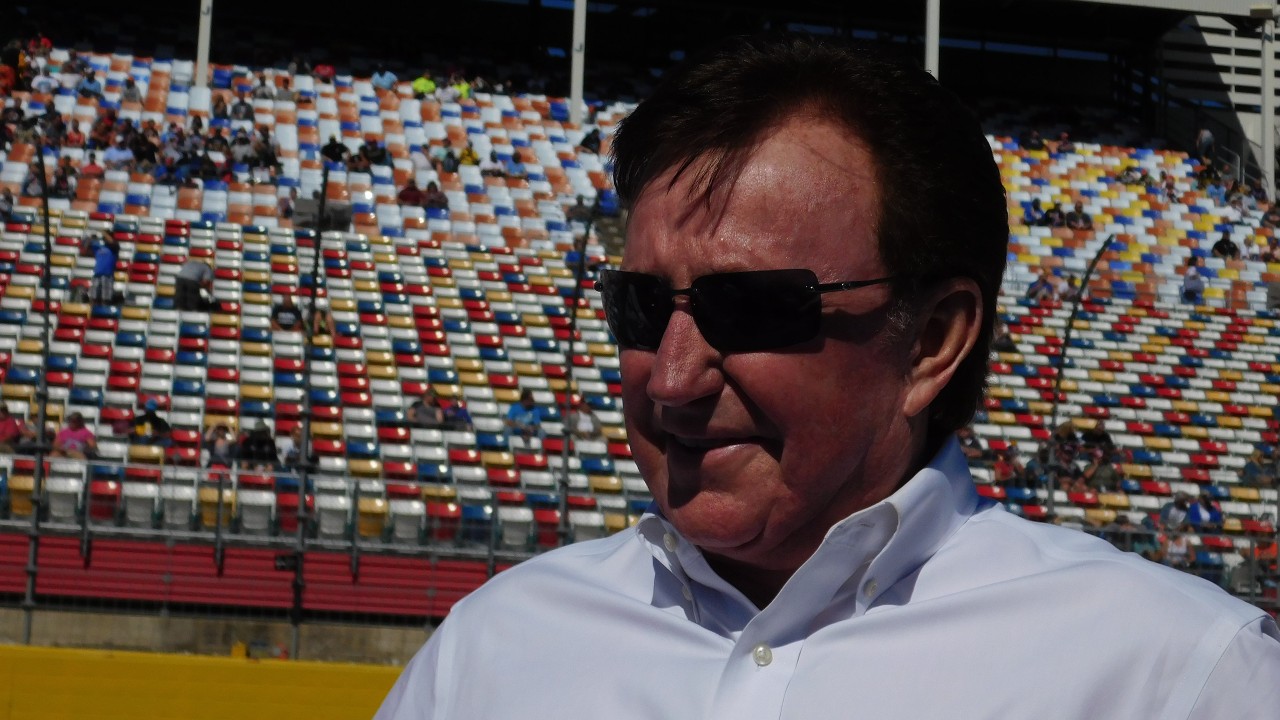
The public glimpse into Richard Childress Racing’s private financial details has added weight to his warnings about the sport’s economics. During cross-examination, documents outlining the team’s internal numbers surfaced, and Childress used that moment to describe what he sees as a precarious balance sheet. Prior to those records becoming part of the trial, he had already spent his time on the stand talking about the broader financial situation in NASCAR, portraying a model in which teams shoulder heavy costs while relying on revenue streams that can fluctuate with sponsorship and media deals.
Those figures, while not fully detailed in open court, help explain why he viewed the charters as nonnegotiable. If the underlying business is tight enough that losing guaranteed revenue could tip a team into the red, then the charter becomes less a strategic asset and more a life raft. Childress’s comments about considering other ventures, including his purchase of a PBR team, hint at an owner looking to diversify beyond a core business he no longer trusts to sustain itself indefinitely. That diversification reads less like a hobby and more like a hedge against a system he has repeatedly described as unstable for independent teams.
Dissatisfaction with NASCAR’s stance and what comes next
Childress’s testimony has unfolded against a backdrop of firm resistance from NASCAR leadership to key team demands. In court, he detailed his dissatisfaction with how the sanctioning body approached the charter talks, including his belief that officials were unwilling to budge on making the agreements permanent. He has said he was not sure of the long-term security of his position if the charters remained subject to renewal, and he framed his signature as a reluctant concession to that reality rather than an endorsement of the status quo.
When an owner of his stature says he “would not have signed those charters if I was financially able to do what I wanted to do,” it crystallizes the power imbalance at play. NASCAR holds the authority to define the terms, while teams like Richard Childress Racing must weigh principle against survival. From my vantage point, that is the core of the current conflict. The charter system has given teams a tradable asset and a measure of leverage they lacked in earlier eras, yet the way Childress describes his midnight decision shows that leverage still runs primarily in one direction. Until the structure offers the permanence and revenue share that owners believe reflect their investment, the charters will remain what he called them in effect: a mechanism that kept his teams alive, but not a guarantee that they will thrive.