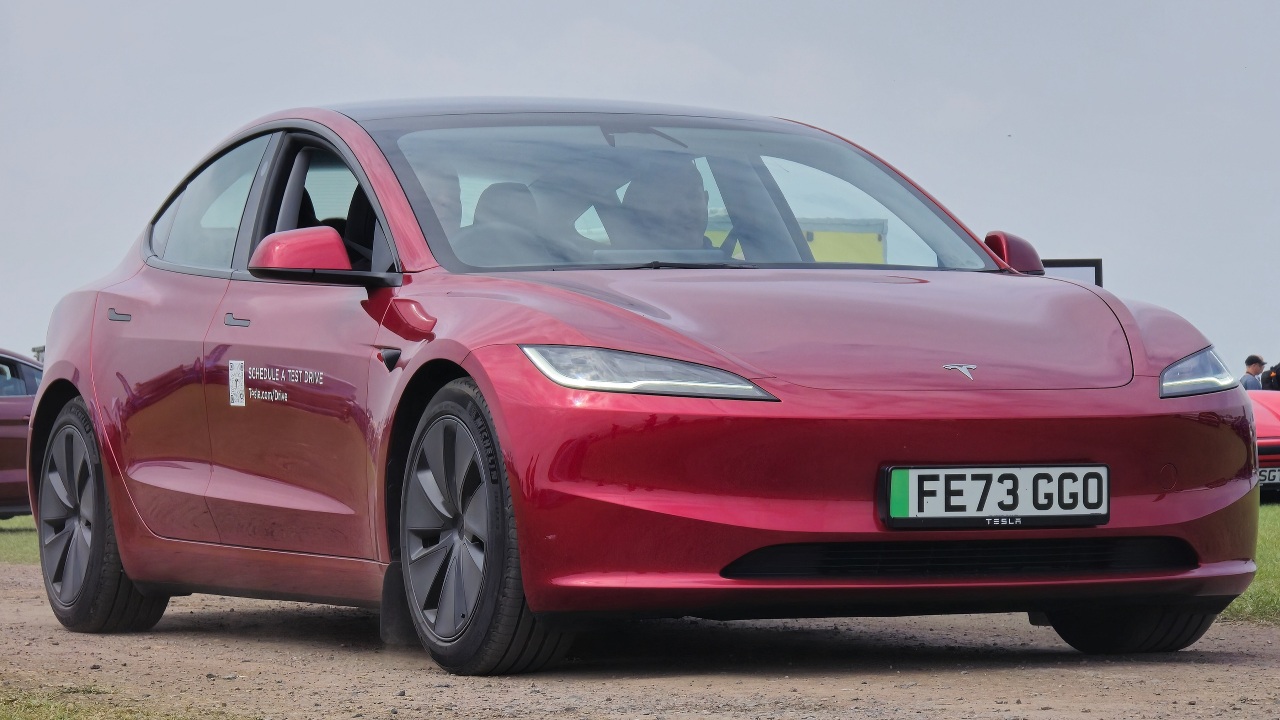
Reports from European repair specialists are putting a harsh spotlight on a specific slice of Tesla’s global fleet: Model 3 and Model Y vehicles equipped with Chinese-built LG NCM811 battery packs. Instead of the gradual, predictable degradation owners expect, these packs are allegedly suffering abrupt, cascading failures that leave cars immobilized and bills soaring. The pattern, if it holds up under wider scrutiny, raises uncomfortable questions about how Tesla and LG Energy Solution are managing quality and risk in one of the most critical components of an electric vehicle.
At the center of the storm is a Croatian repair network that says it is seeing “catastrophic” failure rates in certain LGES Nanjing packs, particularly in cars that have clocked higher mileage or endured frequent DC fast charging. I am looking at what those technicians say they are seeing on the ground, how their claims stack up against other reporting on China-made LG batteries, and what it all means for owners who thought they were buying the most mature EV platform on the road.
What repair shops say is going wrong inside LG NCM811 packs
The most alarming claims focus on how these LG NCM811 packs reportedly fail, not just how often. According to a well known electric vehicle repair specialist, the LGES Nanjing units in some Model 3 and Model Y cars are not simply losing capacity over time, they are developing internal weaknesses that can trigger a rapid cascade of cell failures once a threshold is crossed. The shop describes packs where a single failing cell or module appears to destabilize neighboring cells, turning what should have been a localized defect into a pack wide breakdown that can strand the vehicle and demand a full replacement rather than a targeted repair, a pattern detailed in the warning about Tesla Model 3/Y LG NCM811 battery packs.
Technicians say the problem is compounded by how evenly the cells inside these packs age. In a healthy pack, a clearly weaker module can sometimes be swapped out, restoring balance and extending life. In the LG NCM811 units under scrutiny, the cells are reportedly so uniformly weakened that replacing a single module is “pointless,” because the remaining older cells are already near their own failure point and can collapse soon after the repair. That dynamic, described in detail in reports on catastrophic failure rates, effectively turns what should be modular, serviceable hardware into a disposable component, with cost and downtime shifted directly onto owners once warranties expire.
Inside EV Clinic’s unusually blunt warning
The Croatian network at the center of this controversy, EV Clinic, did not couch its language in the careful caveats that usually accompany technical advisories. In a public warning on X, the group said it was raising “serious concerns” about LGES Nanjing NCM811 packs in China built Model 3 and Model Y vehicles, describing failure rates it called “catastrophic” compared with other Tesla battery chemistries. The technicians behind that warning say they have opened multiple packs showing similar patterns of cell weakening and internal damage, and they argue that the consistency of those findings points to a systemic issue rather than a handful of unlucky cars, a claim echoed in coverage that asks how credible the Clinic’s warning is.
EV Clinic’s message landed with unusual force because it contrasted sharply with the broader track record of Tesla batteries, which often reach 300,000 to 400,000 kilometers with relatively modest degradation. The group’s technicians are not claiming that every LG equipped car is doomed, but they are arguing that a specific subset of LG NCM811 packs from LGES Nanjing appears to be aging much more aggressively than Panasonic or CATL alternatives. Their posts describe vehicles that lose large chunks of usable capacity in a short window, then tip into non recoverable failure, a pattern that has now been amplified in multiple analyses of Tesla LG batteries under fire for high failure rates.
Diverging reports on China made LG battery performance
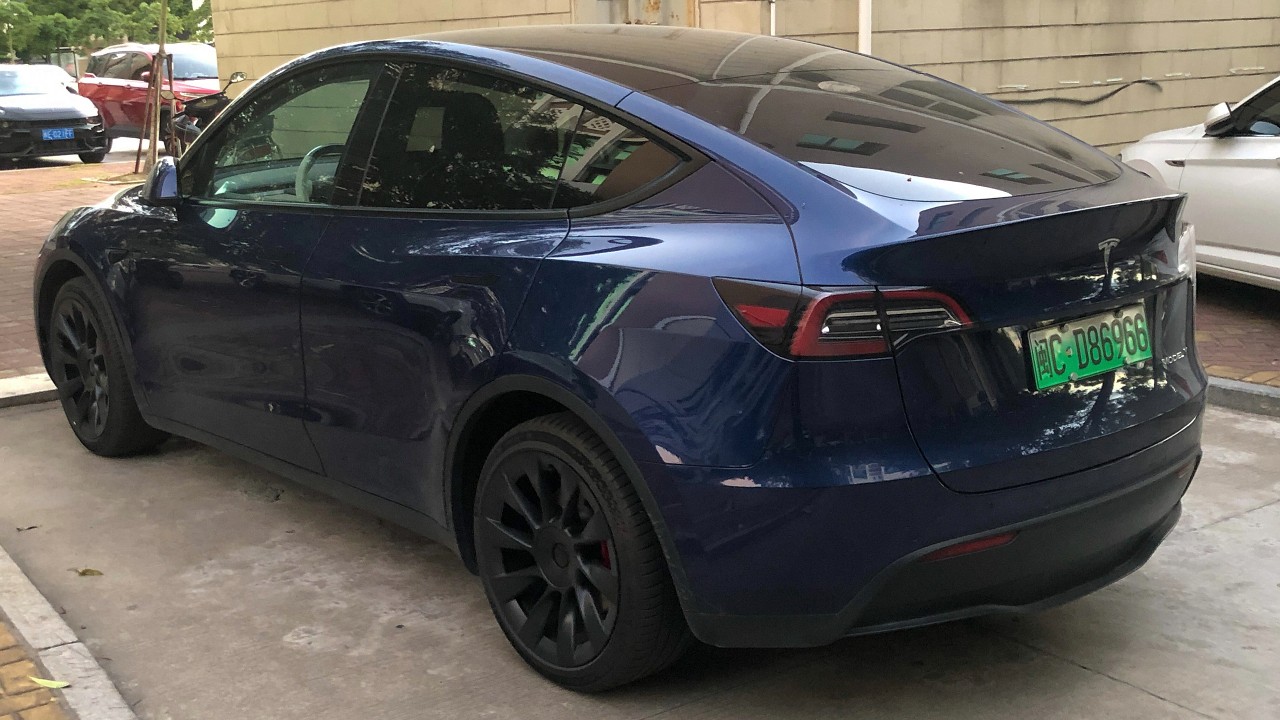
While EV Clinic’s warning is stark, other reporting paints a more nuanced picture of how China made LG batteries are performing across Tesla’s global fleet. Tesla sources high voltage packs from several suppliers, including LGES and CATL, and uses different chemistries depending on market, price point, and production constraints. Some analyses of China built LG batteries note that performance can vary significantly between pack generations and use cases, with certain NCM811 configurations showing more rapid degradation under heavy fast charging or high mileage, while others behave more like the long lived packs owners have come to expect. That complexity is reflected in broader discussions of diverging battery performance reports for Tesla’s China sourced components.
What emerges from these accounts is not a simple verdict that “all LG packs are bad,” but a pattern where specific LGES Nanjing NCM811 units appear to be outliers in a negative direction. Some owners of China built Model 3 and Model Y vehicles with LG batteries report normal range retention and no major issues, suggesting that production batches, software management, or subtle design differences may be driving the gap. At the same time, the fact that a well known repair specialist is willing to publicly single out one supplier and chemistry, and that other technical write ups are now dissecting the same concerns about LG NCM811 packs, suggests that the issue is not limited to a handful of anecdotal failures.
Why “catastrophic” failures matter more than normal degradation
Every lithium ion battery degrades, and most EV owners accept that they will eventually lose some range as the years and kilometers add up. What makes the LGES Nanjing NCM811 reports so troubling is the suggestion that these packs are not following the usual slow, predictable curve. Instead, technicians describe a cliff like pattern where capacity appears acceptable until internal damage reaches a tipping point, then drops sharply as multiple cells fail in quick succession. That kind of behavior is far harder for owners to plan around, and it undermines the resale value and perceived reliability of affected Model 3 and Model Y vehicles, a concern that runs through the detailed breakdowns of very high failure rates.
There is also a practical serviceability angle. Tesla’s pack architecture is designed around the idea that modules can be diagnosed and, in some cases, replaced, keeping cars on the road without a full pack swap. If, as some repair specialists claim, the LG NCM811 packs they are opening are so uniformly weakened that module level repair is not viable, then owners face a binary outcome: either the pack stays just healthy enough to avoid triggering a fault, or it crosses the line and demands a complete replacement. That shift from gradual wear to sudden, expensive failure is at the heart of the warnings that “because the cells are so equally weakened, replacing a single faulty module becomes pointless,” a phrase that anchors the analysis of why these packs are so hard to salvage.
What this means for owners and for Tesla’s battery strategy
For owners of Model 3 and Model Y vehicles that might carry LGES Nanjing NCM811 packs, the immediate question is whether their car is at risk. Based on the available reporting, the failures appear concentrated in specific configurations and use patterns, particularly higher mileage cars and those that have relied heavily on DC fast charging. I would advise any owner who suspects they have one of these packs to monitor range and charging behavior closely, keep detailed service records, and push for thorough diagnostics if they notice sudden drops in capacity or charging speed. The repair specialists who first raised the alarm argue that early signs of internal imbalance can sometimes be spotted in detailed pack data, a point that underpins their decision to publicly sound the alarm.
For Tesla, the stakes go beyond the cost of replacing a subset of packs. The company has built its brand on the idea that its batteries are a durable asset, capable of outlasting the rest of the car and delivering hundreds of thousands of kilometers of service. If a particular supplier and chemistry combination is now associated with “catastrophic” failure language from independent technicians, Tesla will face pressure to clarify how widespread the issue is, what it is doing to support affected owners, and how it is adjusting its sourcing strategy. Broader analyses of concerns over China made LG batteries already note that the company is juggling multiple suppliers and chemistries to keep up with demand, and this episode may accelerate moves toward chemistries and factories that have demonstrated more consistent long term performance.