The Ford Mustang has done more than define the pony car segment—it has reshaped Ford itself. Throughout its history, certain Mustang models introduced groundbreaking designs, engineering advancements, and performance innovations that influenced the company’s future direction. These eight Mustangs stand out for changing not only the iconic nameplate but Ford as a whole.
1964½ Ford Mustang
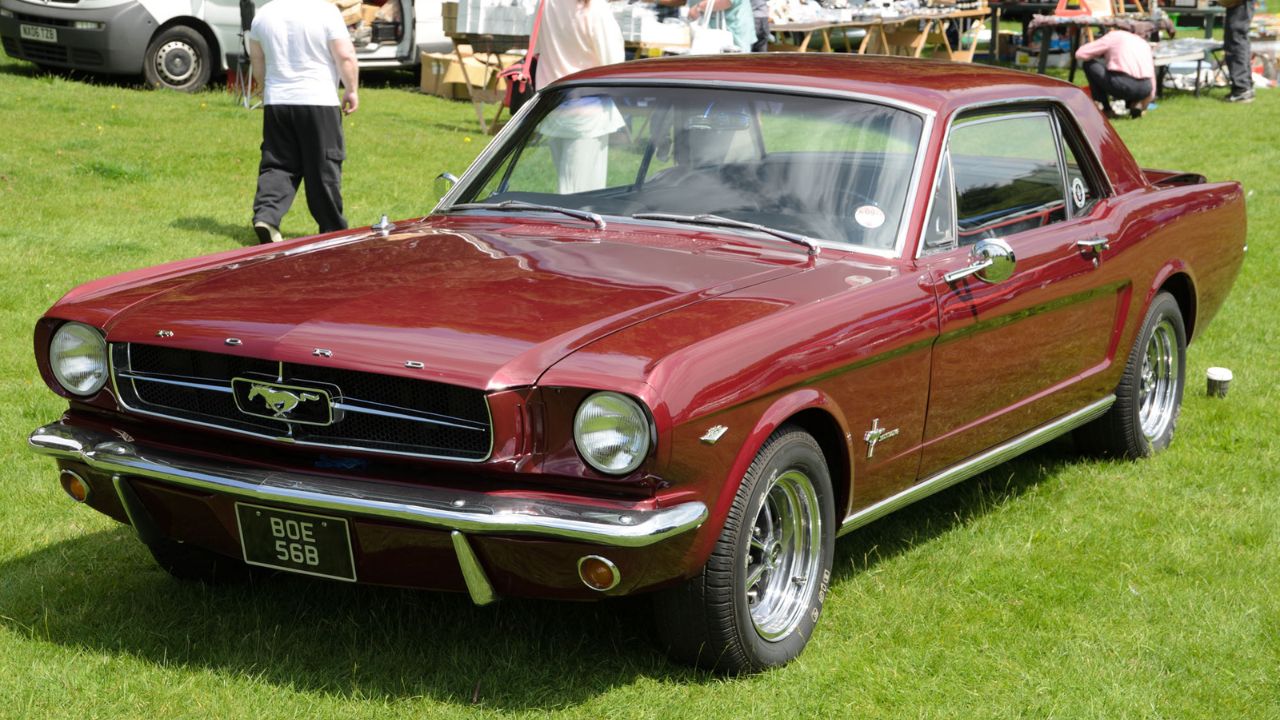
The 1964½ Ford Mustang launched an entirely new market segment and became one of the most successful vehicle introductions in automotive history. Combining sporty styling, affordable pricing, and extensive customization options, it attracted buyers of all ages. Its overwhelming success transformed Ford’s image and established the Mustang as one of the company’s most important and enduring products.
1965 Shelby GT350
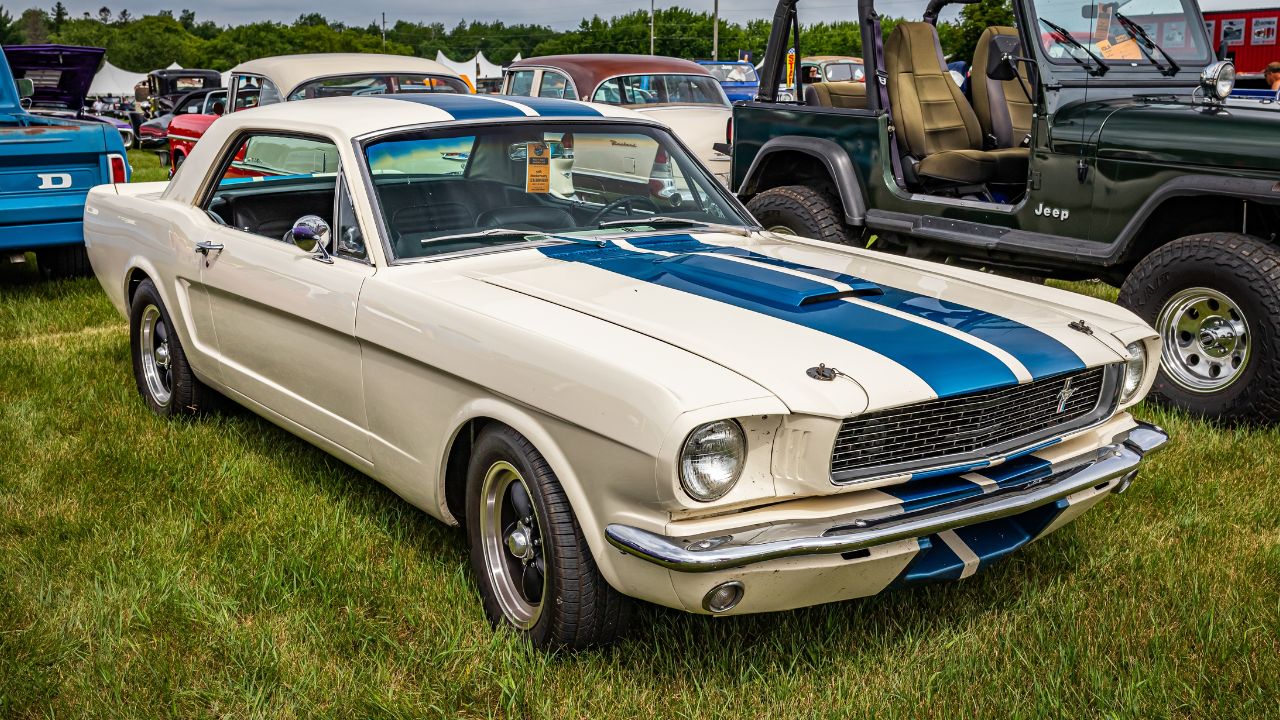
The 1965 Shelby GT350 elevated the Mustang into a legitimate high-performance sports car. Carroll Shelby’s suspension upgrades, weight reduction, and powerful V8 transformed the Mustang into a road-racing contender. Its success demonstrated that Ford could build a world-class performance machine, laying the foundation for decades of factory-backed high-performance Mustangs.
1969 Ford Mustang Boss 302
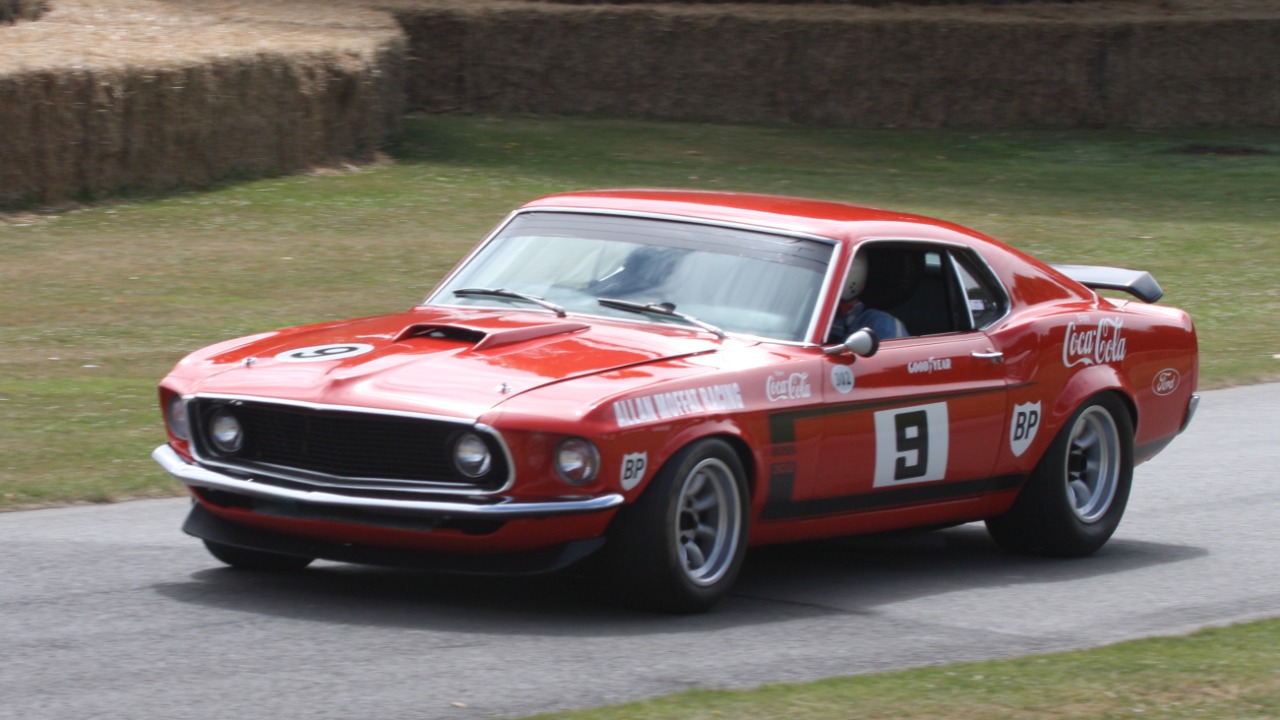
The 1969 Mustang Boss 302 was developed to compete in the Trans-Am racing series, combining a high-revving V8 with improved suspension and handling. It proved that Ford could build a Mustang focused on cornering as well as straight-line speed. The Boss 302’s racing achievements strengthened Ford’s performance reputation worldwide.
1979 Ford Mustang
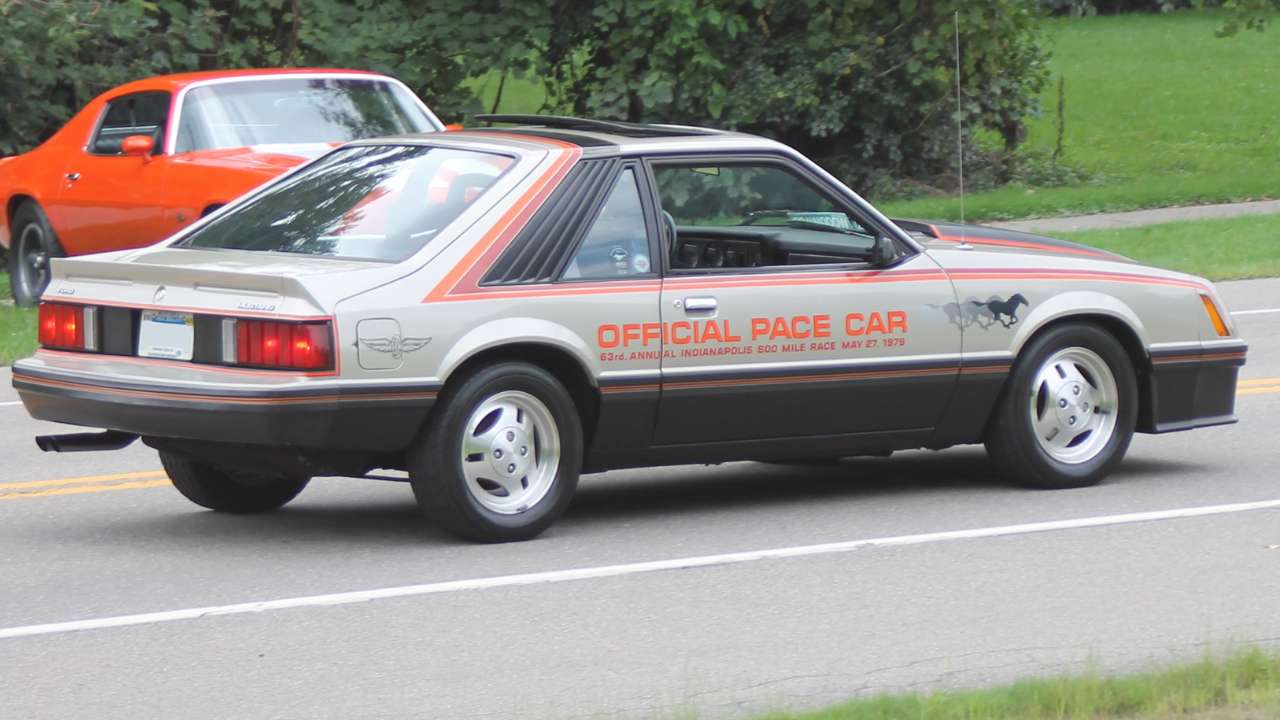
The 1979 Mustang introduced the all-new Fox Body platform, replacing the aging Mustang II with lighter construction, improved engineering, and greater performance potential. Its flexible platform would underpin Mustangs for more than a decade. This generation gave Ford the foundation needed to revive the Mustang’s reputation among enthusiasts.
1984 Ford Mustang SVO
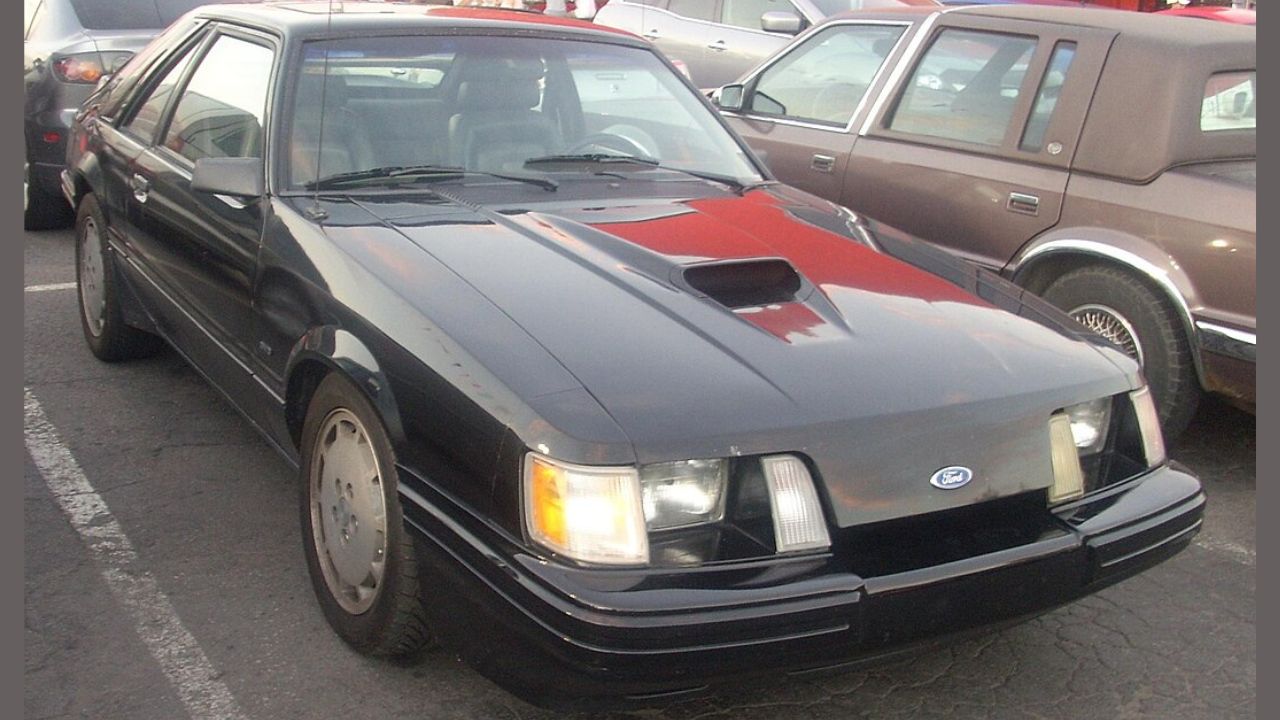
The 1984 Mustang SVO challenged traditional muscle car thinking with a turbocharged four-cylinder engine, four-wheel disc brakes, and advanced suspension tuning. Instead of relying on V8 power alone, it emphasized balanced performance and modern technology. The SVO showed Ford’s willingness to experiment with innovative engineering long before turbocharged performance became mainstream.
1993 Ford Mustang SVT Cobra
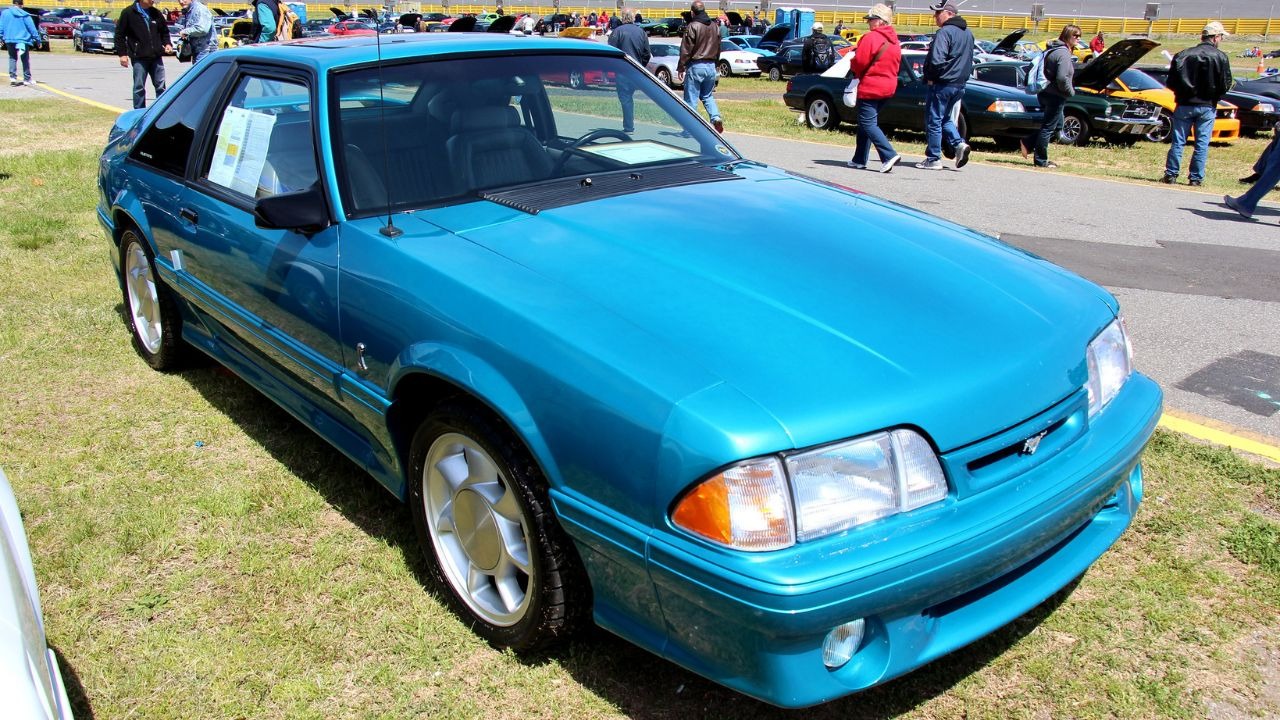
The 1993 Mustang SVT Cobra introduced Ford’s newly created Special Vehicle Team to Mustang enthusiasts. Featuring improved engine performance, upgraded suspension, and refined styling, it established SVT as Ford’s dedicated high-performance division. The Cobra became the blueprint for future factory performance models that combined everyday drivability with serious capability.
2005 Ford Mustang GT
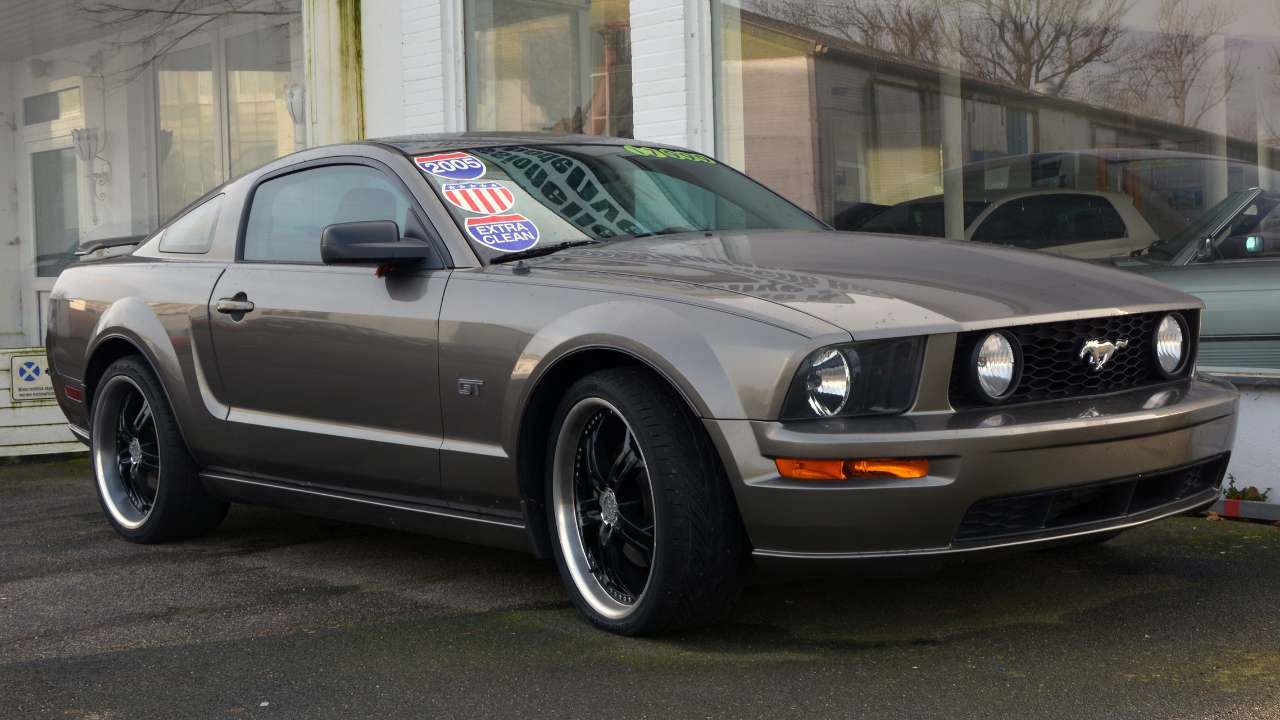
The 2005 Mustang GT revived classic Mustang styling while introducing an entirely new platform engineered for modern performance. Its retro-inspired design reignited enthusiasm for the Mustang and attracted a new generation of buyers. The model’s commercial success reinforced Ford’s commitment to heritage-inspired performance vehicles for years to come.
2020 Ford Mustang Shelby GT500

The 2020 Mustang Shelby GT500 represented the most powerful production Mustang Ford had ever built. Its supercharged 5.2-liter V8, sophisticated dual-clutch transmission, and track-focused engineering elevated the Mustang into true supercar territory. This flagship model demonstrated Ford’s engineering capabilities and proved the Mustang could compete with some of the world’s fastest performan
More from Fast Lane Only
- Unboxing the WWII Jeep in a Crate
- 15 rare Chevys collectors are quietly buying
- 10 underrated V8s still worth hunting down
- Police notice this before you even roll window down
*Research for this article included AI assistance, with all final content reviewed by human editors