Some production cars arrived with technology and styling that seemed years ahead of what buyers expected. Rather than simply following trends, they introduced bold ideas that challenged conventions and hinted at the future of the automobile. Many of their once-radical features have since become commonplace.
Citroën DS

The Citroën DS stunned buyers with its aerodynamic styling, hydropneumatic suspension, and advanced braking system. Introduced in 1955, it looked and drove unlike almost anything else on the road. Its combination of futuristic design and engineering influenced luxury automobiles for decades.
Oldsmobile Toronado
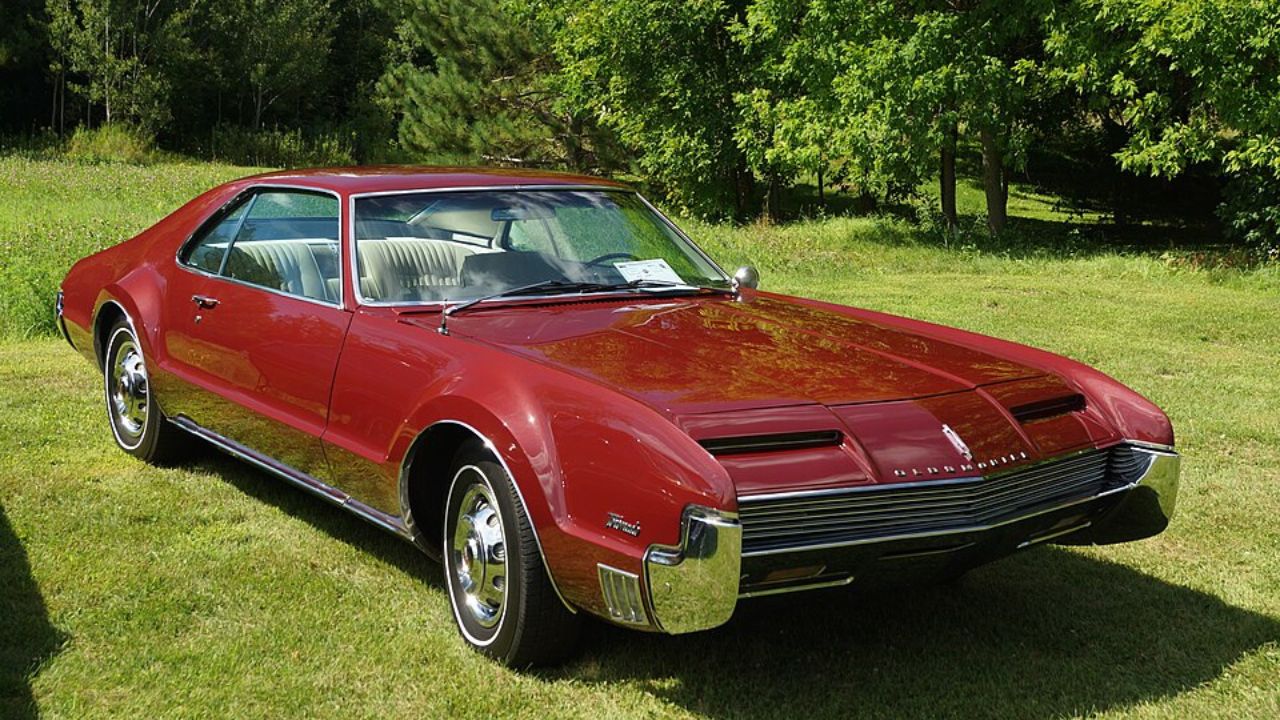
The 1966 Oldsmobile Toronado combined bold styling with an advanced front-wheel-drive layout that was rare among large American cars. Its sleek proportions and innovative engineering gave it a distinctly modern character. The Toronado demonstrated that Detroit could successfully embrace unconventional technology.
Tucker 48
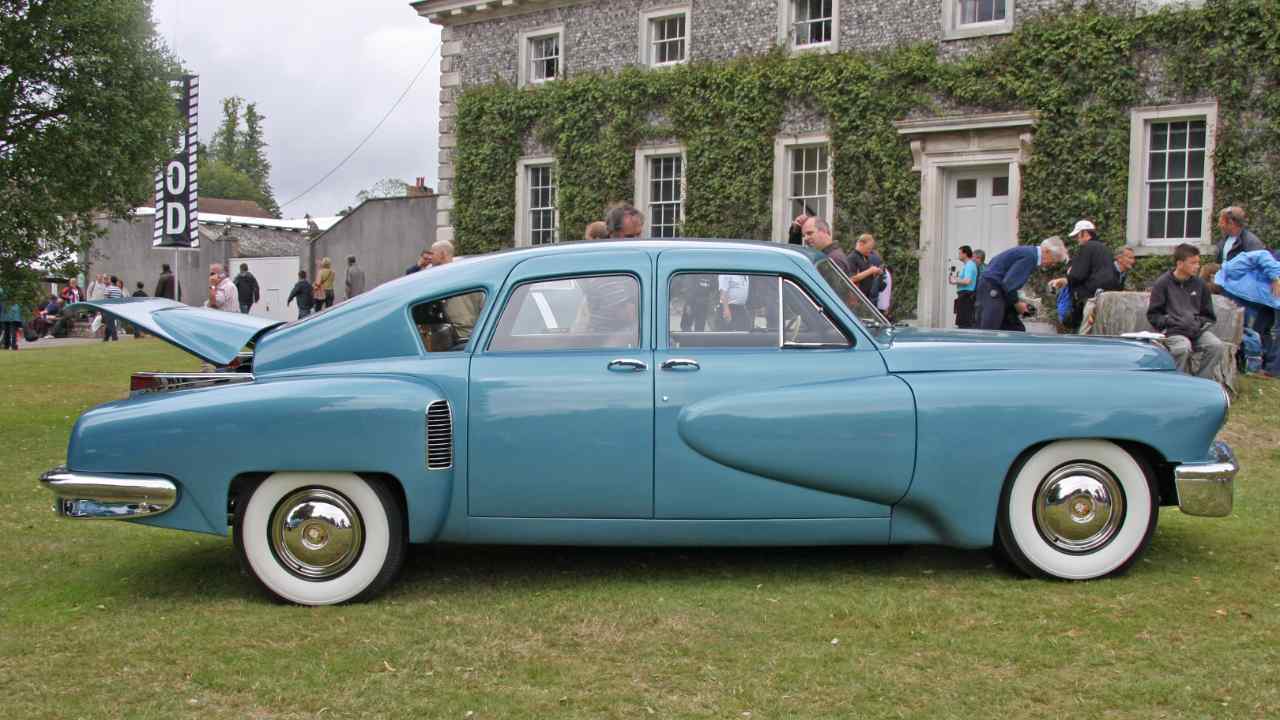
The Tucker 48 featured a reinforced passenger compartment, a padded dashboard, and a center-mounted headlight that turned with the steering. These innovations were virtually unheard of in postwar America. Although production was brief, its advanced ideas anticipated many modern automotive safety features.
Chevrolet Corvair

The Chevrolet Corvair departed from conventional American engineering with its rear-mounted air-cooled flat-six engine and fully independent suspension. Its compact dimensions and distinctive styling gave it a fresh identity. The Corvair demonstrated that domestic manufacturers could successfully explore radically different design philosophies.
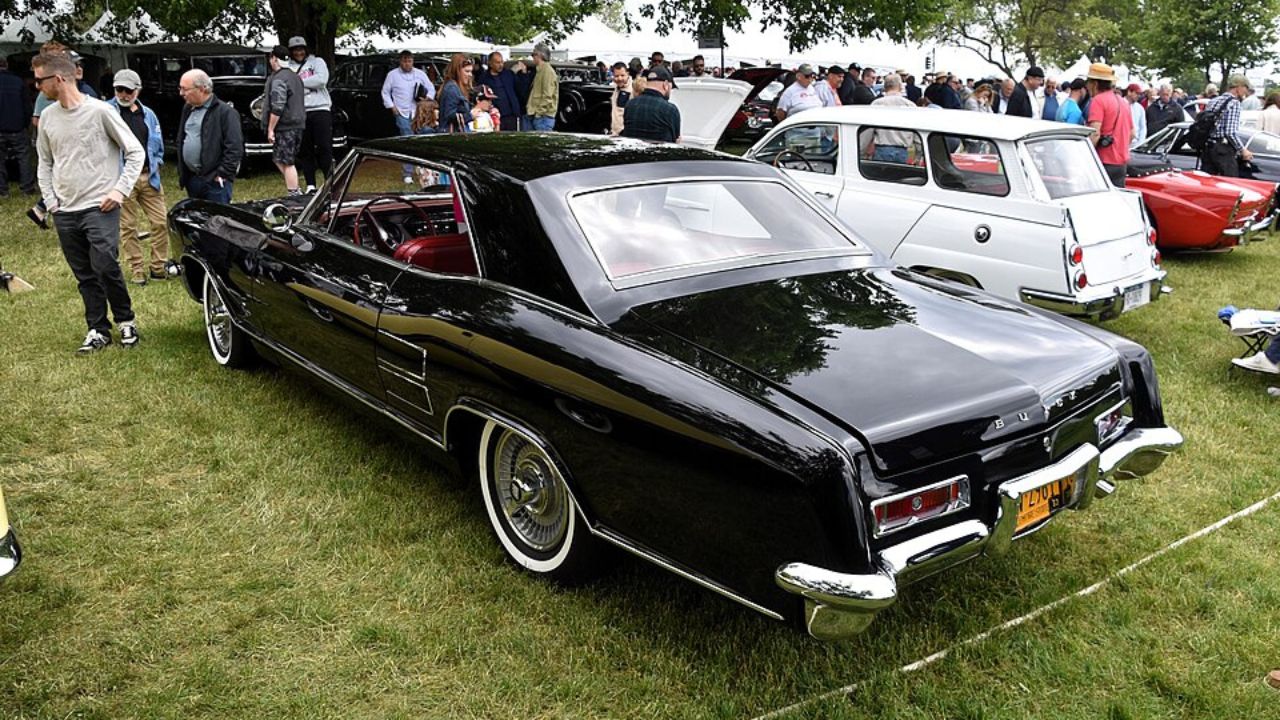
Buick Reatta
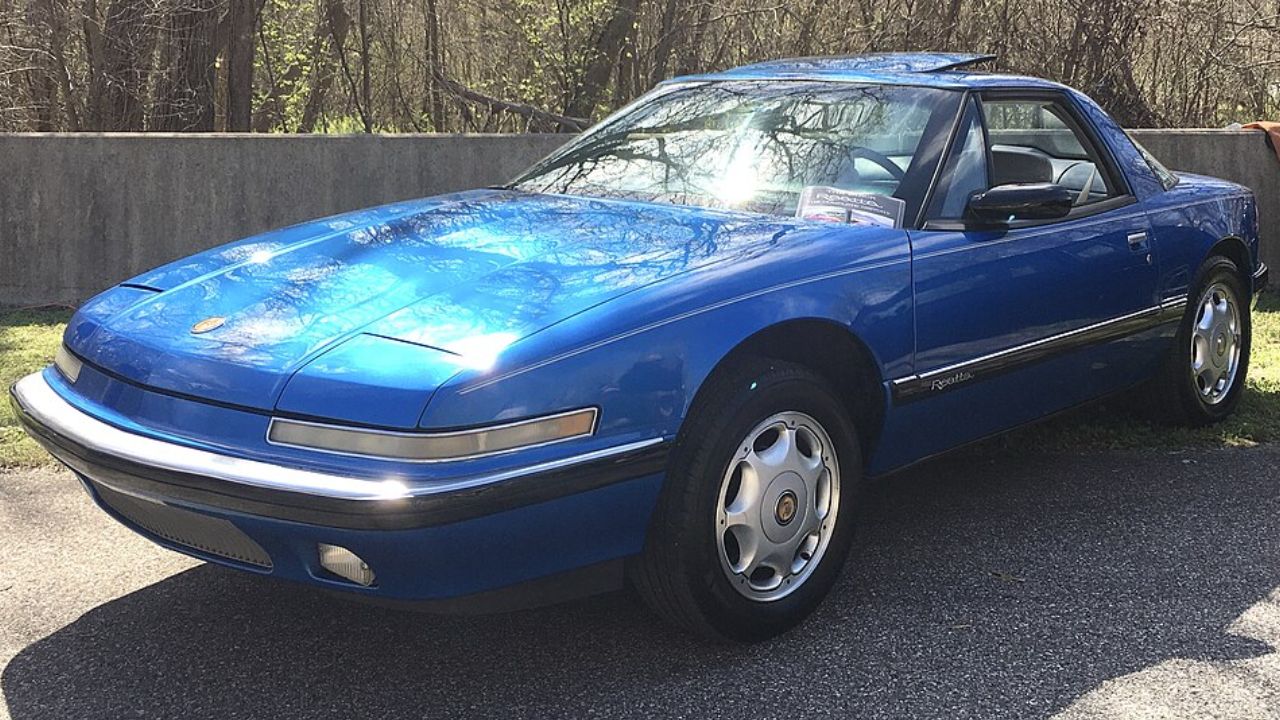
The Buick Reatta combined sleek styling with advanced electronic features, including a touchscreen-style control interface that was highly unusual during the late 1980s. Handcrafted assembly and premium engineering reinforced its forward-looking image. It quietly previewed technologies now common in modern luxury cars.
GM EV1
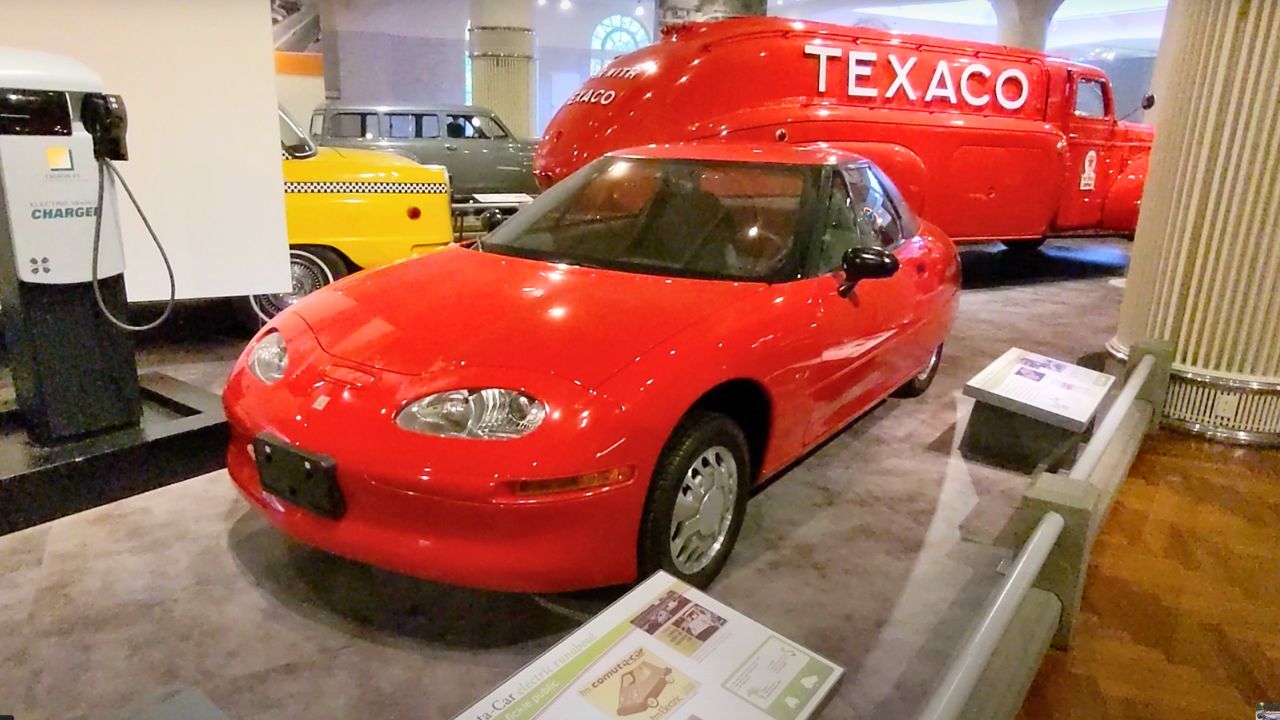
/YouTube.
The GM EV1 arrived with an aerodynamic body, electric propulsion, and a design focused almost entirely on efficiency. Long before electric vehicles became mainstream, it demonstrated what future transportation might look like. Its influence remains evident in today’s battery-electric automobiles.
Toyota Prius
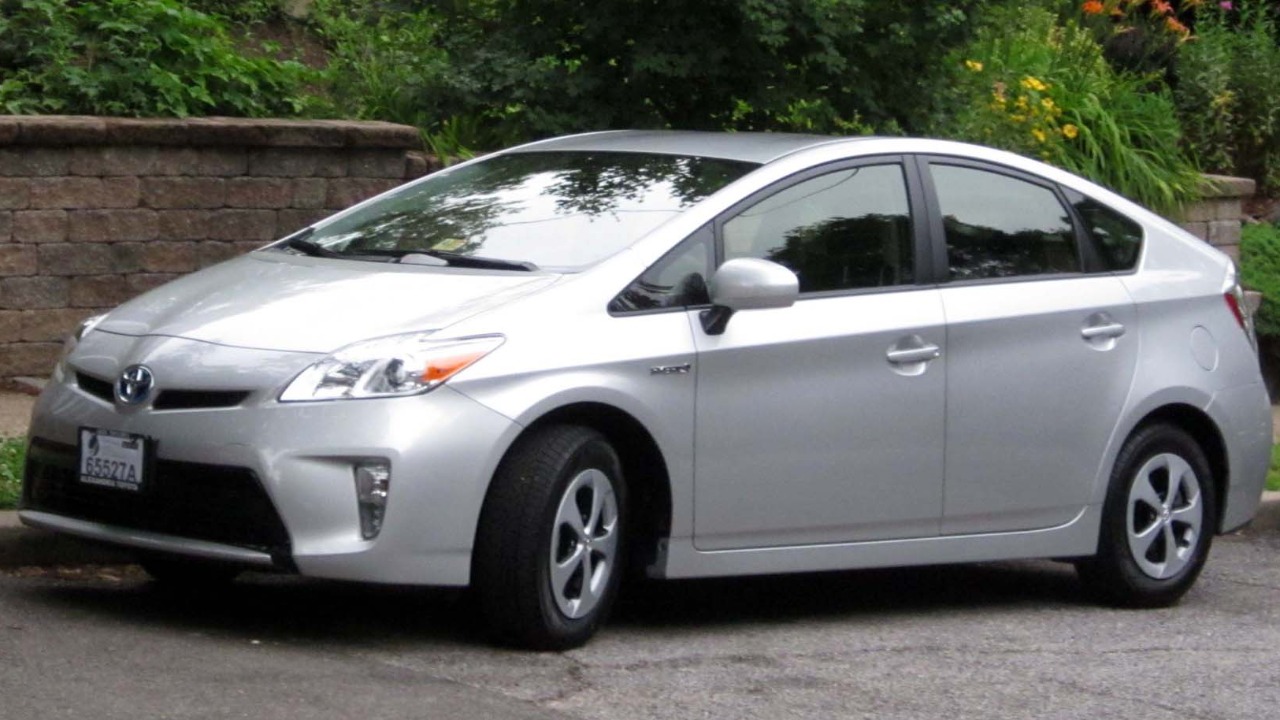
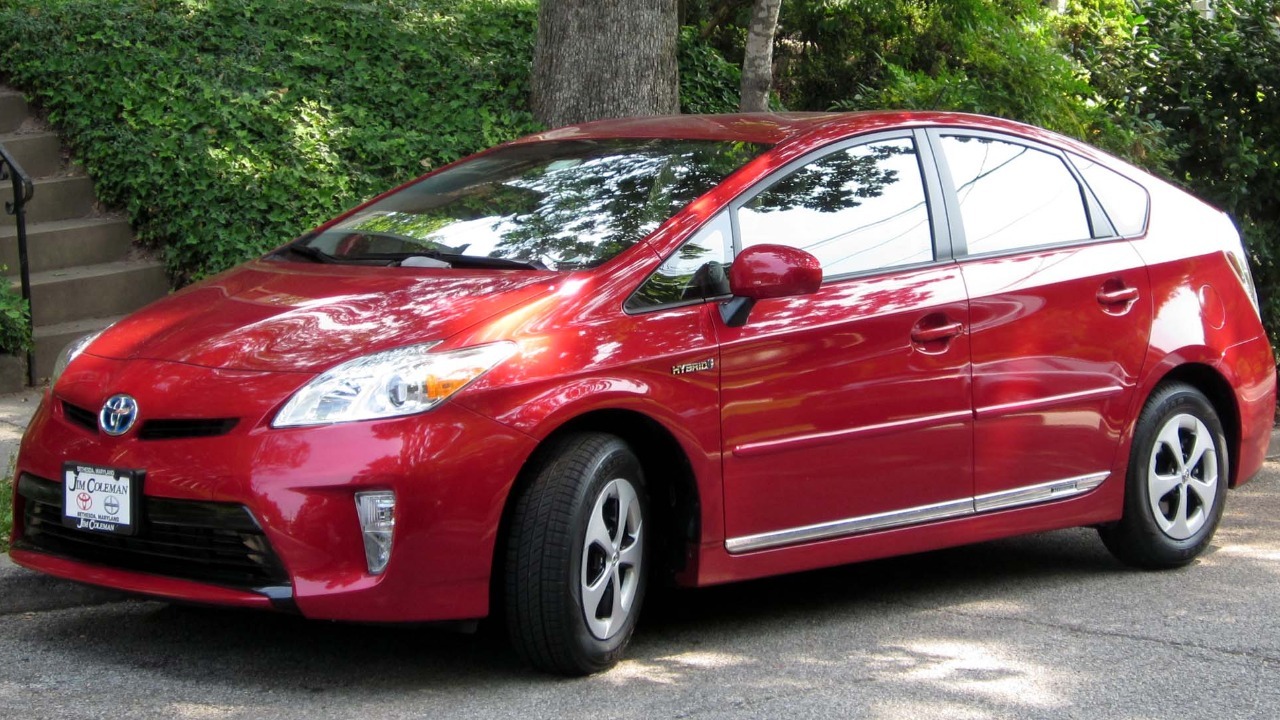
The original Toyota Prius introduced practical hybrid technology to everyday drivers while emphasizing efficiency over traditional performance. Its unique styling reflected its advanced engineering and distinguished it from conventional sedans. The Prius became the catalyst for widespread adoption of hybrid powertrains worldwide.
Tesla Model S

The Tesla Model S redefined expectations with its long electric driving range, minimalist interior, over-the-air software updates, and large central touchscreen. When it debuted, few production cars offered such an integrated digital experience. Many of its innovations have since become standard throughout the automotive industry.
More from Fast Lane Only
- Unboxing the WWII Jeep in a Crate
- 15 rare Chevys collectors are quietly buying
- 10 underrated V8s still worth hunting down
- Police notice this before you even roll window down
*Research for this article included AI assistance, with all final content reviewed by human editors