Chrysler launched its B engine family in 1958, and the raised-deck RB version followed in 1959. Over the next two decades, the Chrysler RB V8 and its shorter B sibling came in seven displacements, from a one-year 350 to the 440. Here is each size, the years it ran and the cars that carried it.
These are the “wedge” engines, named for their wedge-shaped combustion chambers. That sets them apart from the 426 Hemi, which is a different story and isn’t on this list.
1. 350 B (1958)
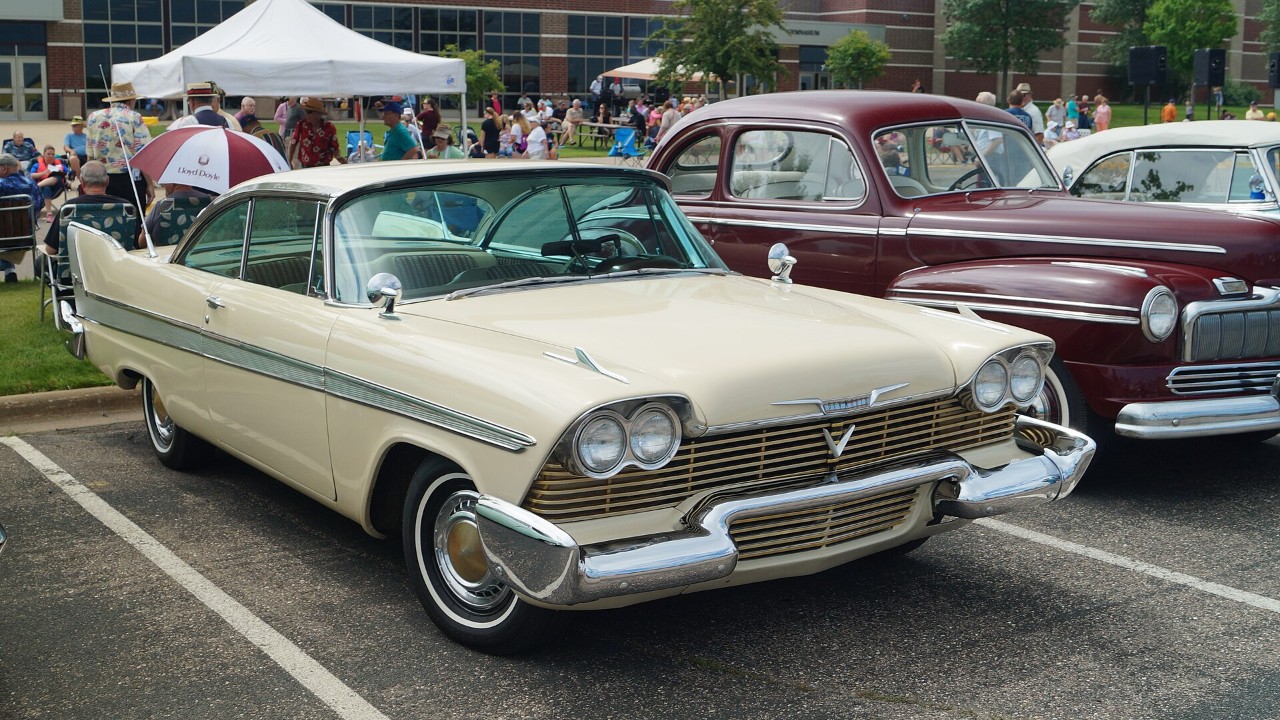
The 350 was, along with the 361, the first production B engine, and it arrived for 1958. At the time, it used a 4.0625-inch bore and a 3.375-inch stroke. Plymouth called its version the Golden Commando, while DeSoto sold one as the Firesweep. Dodge used it too.
Its run was short, however. According to Over-Drive magazine’s history of the early B and RB engines, Chrysler dropped the 350 from the US lineup after 1958. Ratings ran from 280 to 315 horsepower, depending on the version. The FourForty engine chart sums it up in three words: “One year only.”
2. 361 B (1958–1966)
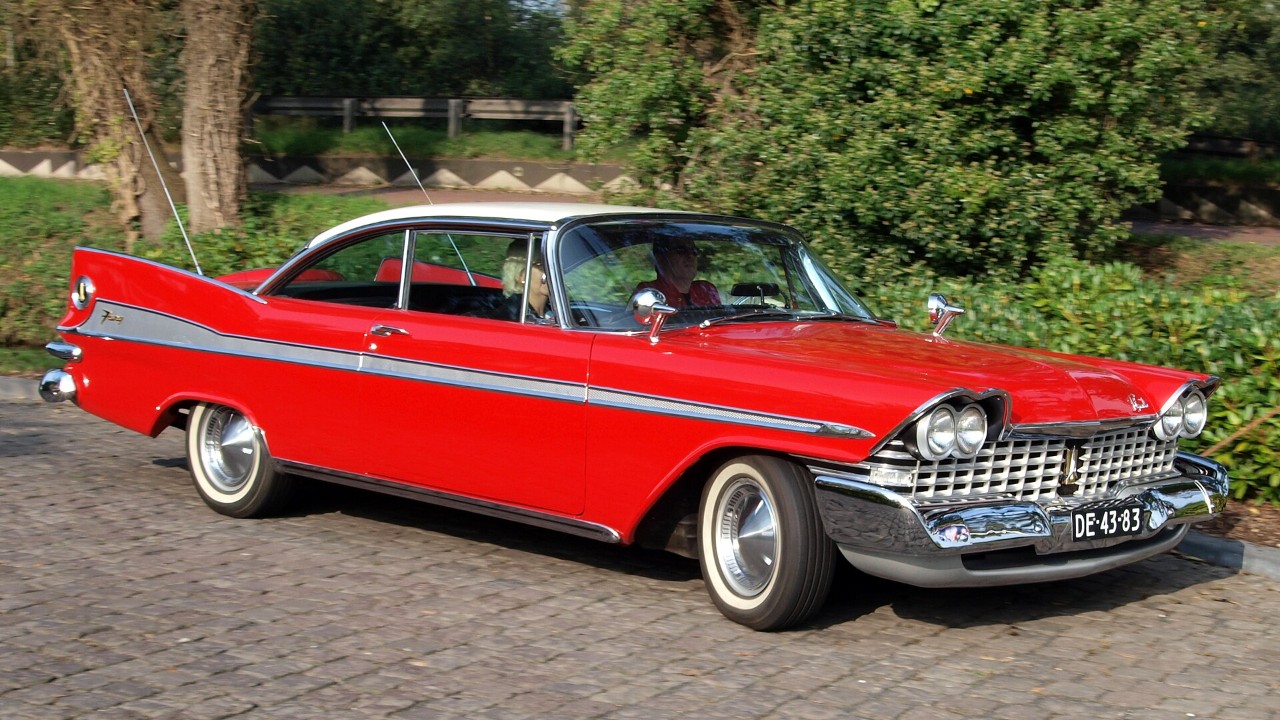
The 361 debuted alongside the 350 in 1958, with a slightly larger 4.125-inch bore on the same 3.375-inch stroke. As before, each division gave it a name. Plymouth called it the Golden Commando, DeSoto the Turboflash, and Dodge the Super Red Ram and D500.
For example, Over-Drive lists the 1959 Plymouth Golden Commando 361 at 305 horsepower at 4,600 rpm. Chrysler kept the 361 in passenger cars through 1966. After that, Over-Drive says it continued only for truck installations. The FourForty B/RB engine chart also dates the 361 from 1958 to 1966.
3. 383 B (1959–1971)
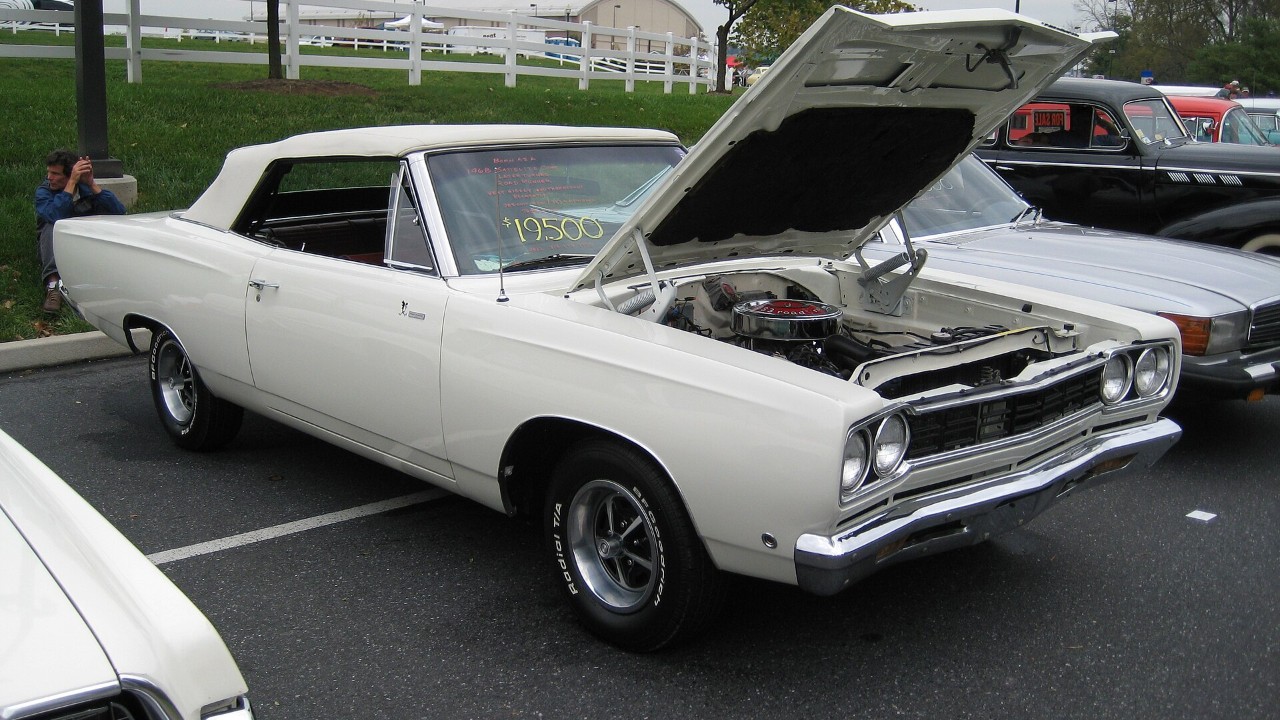
This is also the 383 most people mean. Chrysler bored the B block out to 4.25 inches, and the result arrived in 1959. Early on, it went into the DeSoto Firedome, Fireflite and Adventurer, the Dodge D500 and Plymouths.
Later, it became a muscle-car staple. According to Over-Drive’s 1966–1970 B and RB history, the 383 powered the Plymouth Road Runner and Dodge Super Bee from 1968. In those cars it used the 440’s cylinder heads. Then, in 1971, Chrysler replaced it with an over-bored version that displaced 400 cubic inches.
4. 383 RB (1959–1960)
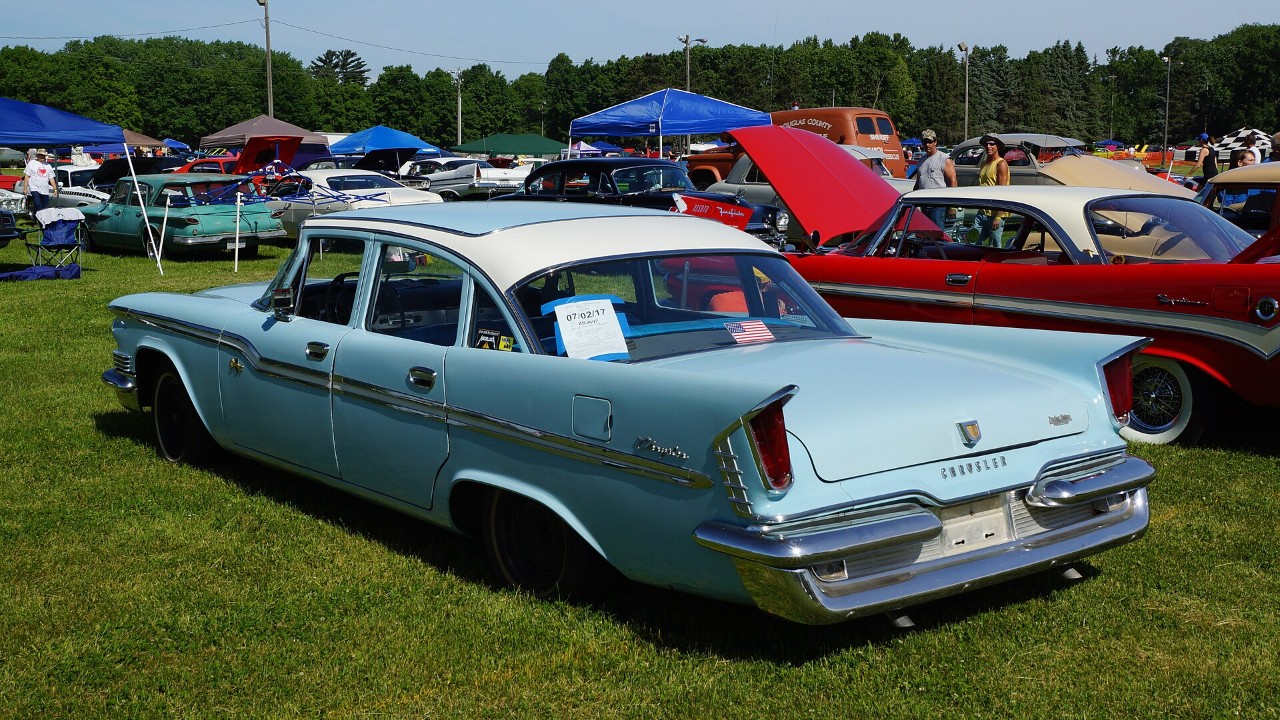
There was a second, rarer 383, too. However, this one was an RB engine, with a smaller 4.031-inch bore and the RB block’s longer 3.75-inch stroke. Over-Drive says it was offered only in 1959 and 1960, in the US-built Chrysler Windsor and Saratoga.
The MoTales RB engine history rates the Windsor’s two-barrel version at 305 horsepower and the Saratoga’s four-barrel at 325. MoTales adds that Chrysler built it to balance production between the B and RB lines. In fact, the FourForty chart notes it really displaced about 382.7 cubic inches. That chart dates it from 1958, but Over-Drive and MoTales both say 1959.
5. 413 RB (1959): Chrysler’s 300E V8
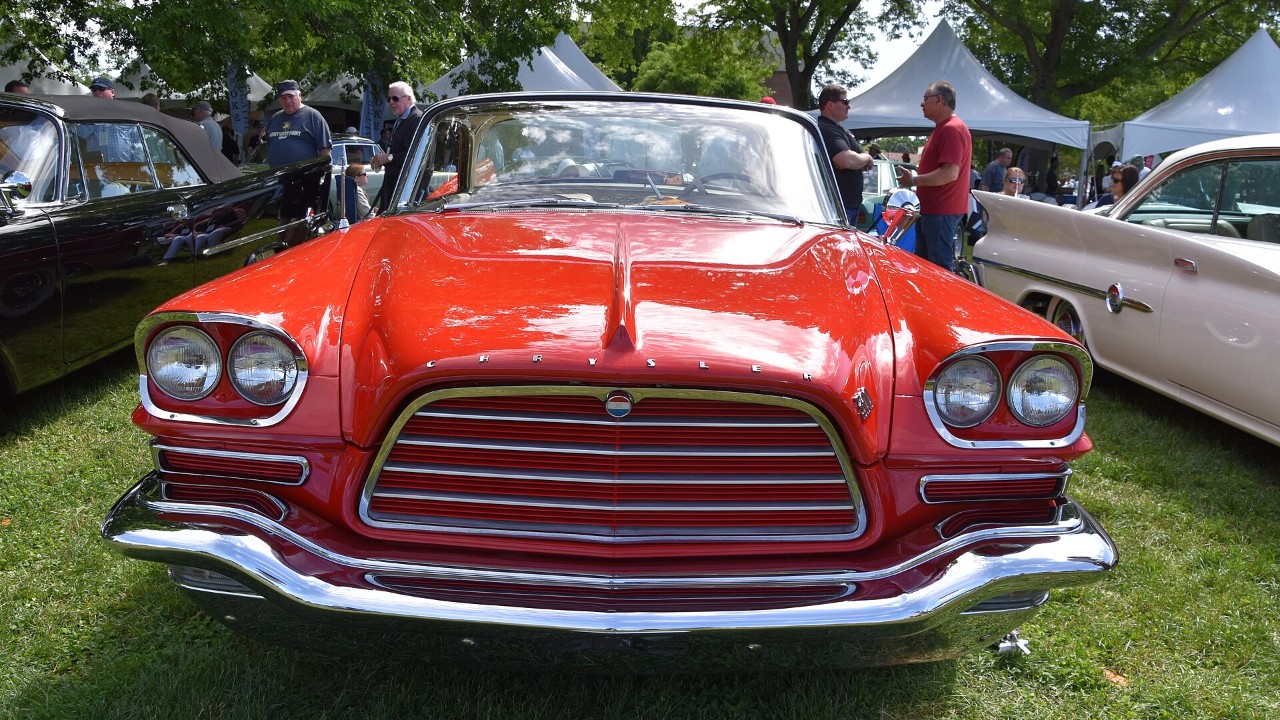
The 413 arrived with the RB family in 1959, with a 4.1875-inch bore and a 3.75-inch stroke. Because of that extra stroke, it needed a taller block. As a result, Over-Drive gives the RB block a deck height of 10.725 inches.
The showcase was the 1959 Chrysler 300E. According to MoTales, its twin-four-barrel 413 made 380 horsepower at 5,000 rpm and 450 lb-ft of torque at 3,600 rpm. Meanwhile, the New Yorker and Imperial got a 350-horsepower version. Over-Drive also lists the 413 in the Dodge Polara and Monaco and the Plymouth Fury.
6. 426 Wedge (1963–1965)
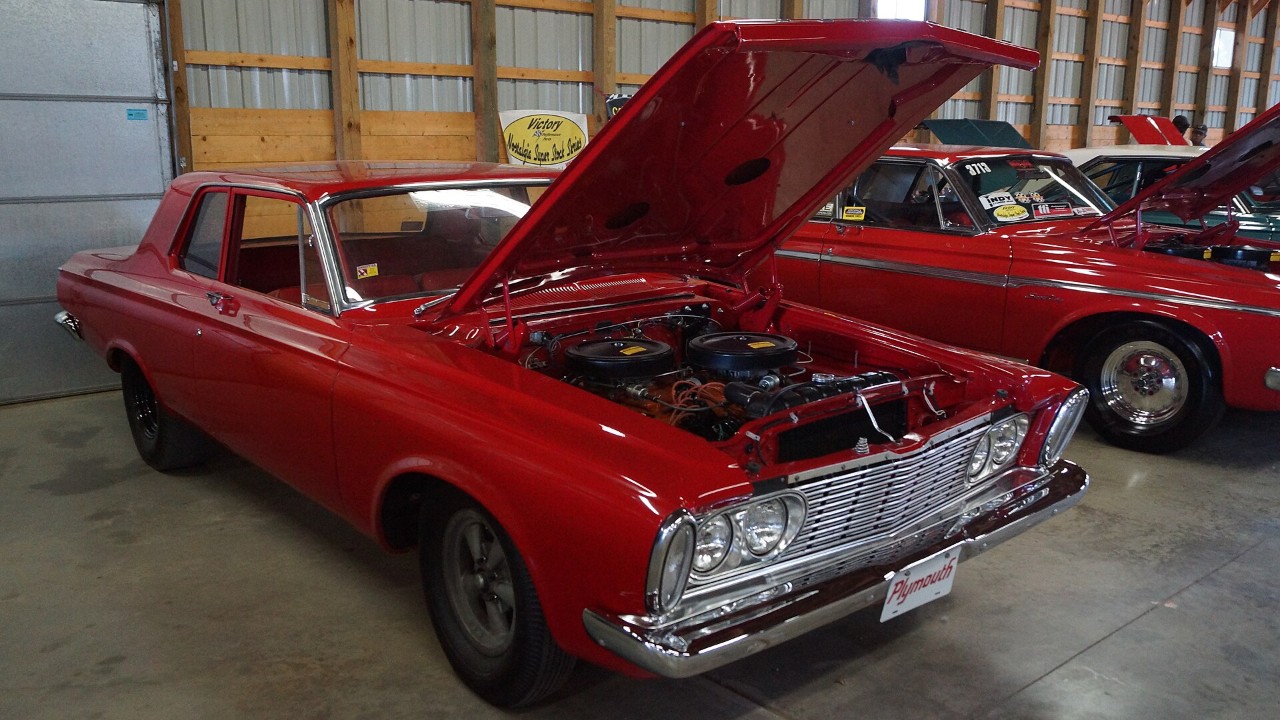
Chrysler’s next step bored the RB block to 4.25 inches, on the same 3.75-inch stroke. Over-Drive dates the race version to 1963, and the street version followed in Dodge and Plymouth for 1964 and 1965. Dodge sold it as the Ramcharger, and Plymouth as the Commando 426. In fact, Over-Drive lists Polaras, Monacos and Furys as its cars.
MoTales puts the racing versions at 415 to 425 gross horsepower and 470 to 480 lb-ft of torque. Sources differ on when it ended, though. Over-Drive stops at 1965, while FourForty’s chart runs the 426 Wedge through 1966.
7. 440 RB (1966)
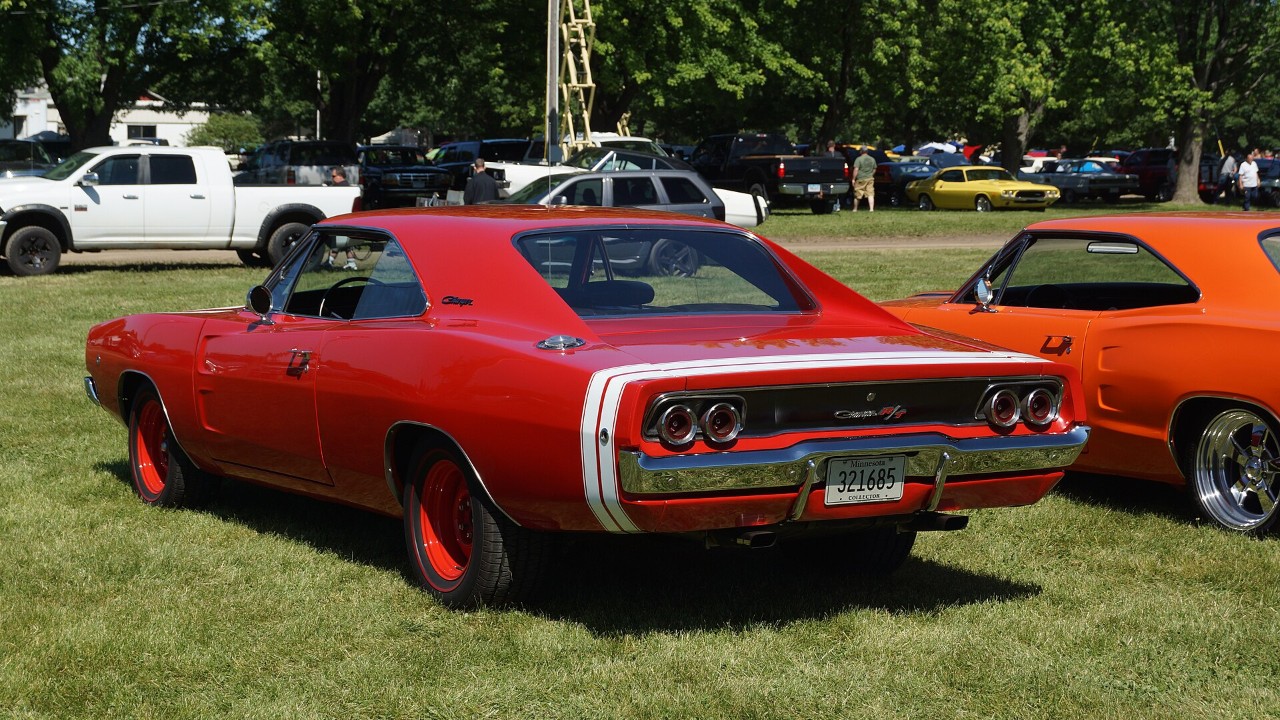
The 440 arrived in 1966 with a 4.32-inch bore and the 3.75-inch RB stroke. Muscle Car Club calls it the largest V8 Mopar offered, a bored version of the 413 and a Chrysler RB V8 at heart. MoTales says the base 1966 440 made 350 horsepower and 480 lb-ft as standard equipment in the Imperial and New Yorker.
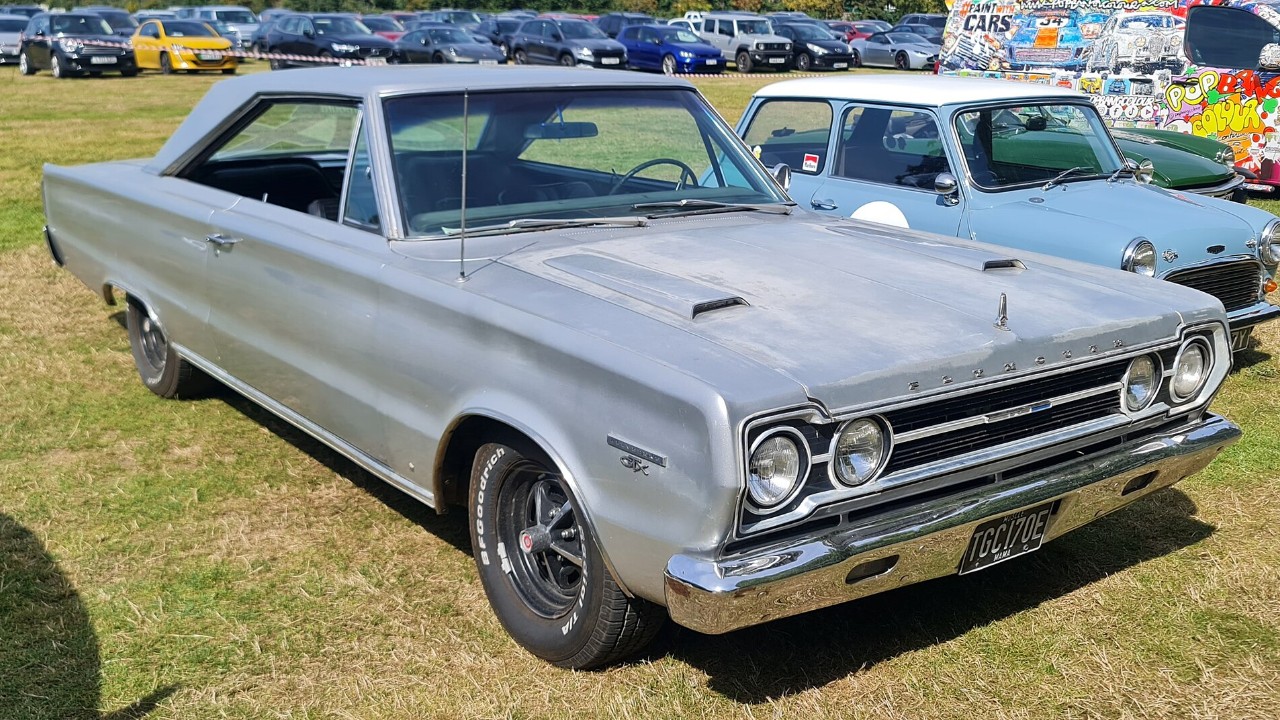
A year later, the 440 went muscle. The Muscle Car Club 440 guide says a high-performance version arrived in 1967 in the Plymouth Belvedere GTX, Dodge Coronet R/T and Dodge Charger R/T. In 1969, the Six Pack version with three two-barrel carburetors made 390 horsepower and 490 lb-ft. Finally, the guide says the last RB engines left the line in 1978, and FourForty’s chart also ends the 440 in 1978.
More from Fast Lane Only
- Unboxing the WWII Jeep in a Crate
- 15 rare Chevys collectors are quietly buying
- 10 underrated V8s still worth hunting down
- Police notice this before you even roll window down
This article was created with the help of AI and was reviewed and edited by Fast Lane Only editors before publication.