Collector tastes are shifting, and some once-coveted classics are starting to look more like driveway decor than blue-chip investments. As younger buyers enter the hobby and costs climb, a surprising group of vintage models is slipping down the desirability ladder, even as a handful of icons keep setting records.
I see the market sorting itself into clear winners and quiet laggards, with certain eras, body styles, and nameplates consistently underperforming. The cars falling out of favor share common traits: high running costs, limited usability, and a nostalgia gap with the buyers now writing the checks.
Muscle cars that peaked too early
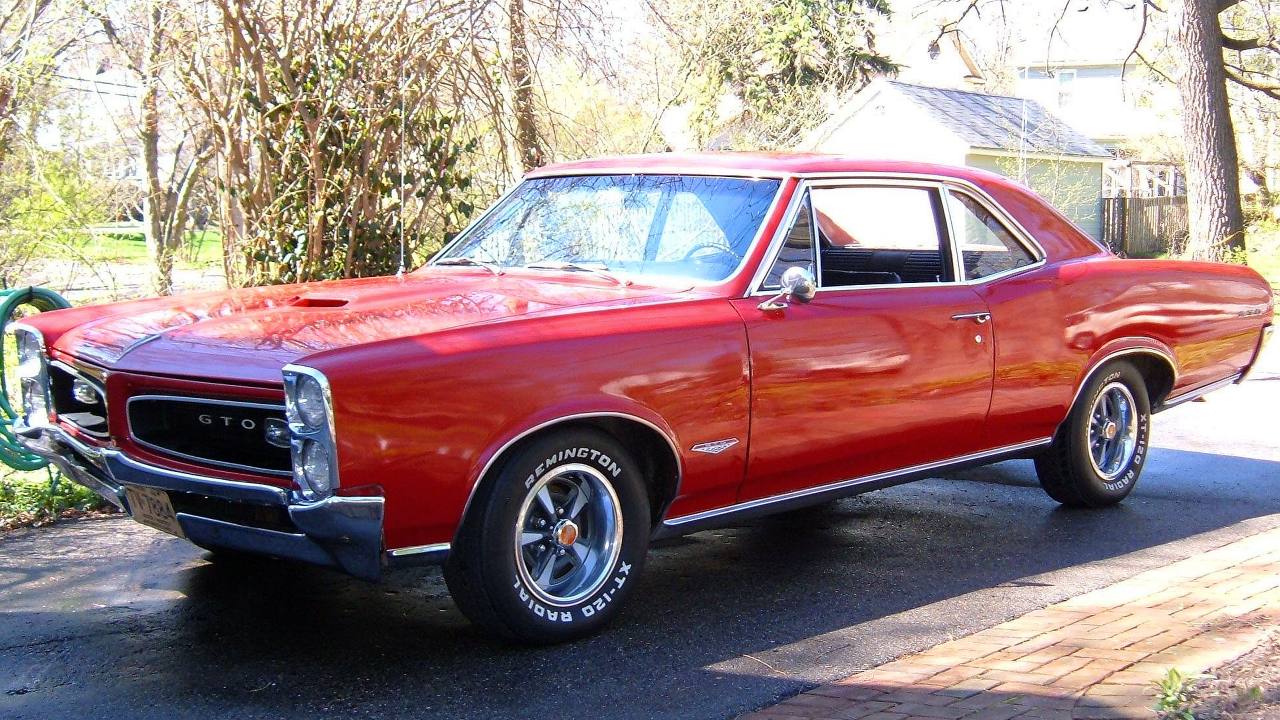
American muscle once defined the collector scene, but values for many mid-tier models have flattened or retreated as the generation that idolized them ages out of active buying. I find that cars like non-special 1968–1972 Chevrolet Chevelles, base Pontiac GTOs, and standard Dodge Chargers without rare engines or option packages are no longer automatic tickets to big auction numbers. The spotlight has narrowed to the most documented, high-spec examples, leaving ordinary V8 coupes struggling to keep pace with broader market gains documented in recent collector indexes.
Part of the problem is supply. Detroit built these cars in huge volumes, and decades of restorations have kept many on the road, so scarcity is not on their side. At the same time, younger enthusiasts often gravitate toward later performance benchmarks, including 1980s and 1990s Japanese and European cars that show up more frequently in recent auction statistics. When I compare sale results across segments, the gap between top-tier muscle and the rest of the pack has widened, with mid-level examples either treading water or selling below prior highs while buyers chase rarer homologation specials and modern performance icons.
Chrome-heavy cruisers losing their shine
Full-size American cruisers from the 1950s and early 1960s once symbolized the glamour of classic car ownership, but many of these chrome-laden sedans and hardtops are now lagging behind the broader market. Large four-door models from Buick, Oldsmobile, and Mercury, even with period-correct restorations, often sell for less than the cost of their refurbishment according to recent valuation guides. I see buyers increasingly wary of the storage needs, fuel consumption, and restoration complexity that come with acres of trim and elaborate interiors.
The shift is especially clear when I look at auction catalogs that once featured long rows of 1950s American iron but now devote more space to compact sports cars and later performance models. While halo cars like the 1957 Chevrolet Bel Air convertible or fuel-injected Corvettes still attract strong bidding, more ordinary sedans and wagons from the same era often appear in the lower estimate bands or sell without reserve, a pattern visible in recent collector-car sales. The nostalgia that once buoyed these land yachts is not as strong among buyers who grew up with smaller, more efficient cars, and that generational gap is starting to show up in the prices.
Entry-level British roadsters slipping behind
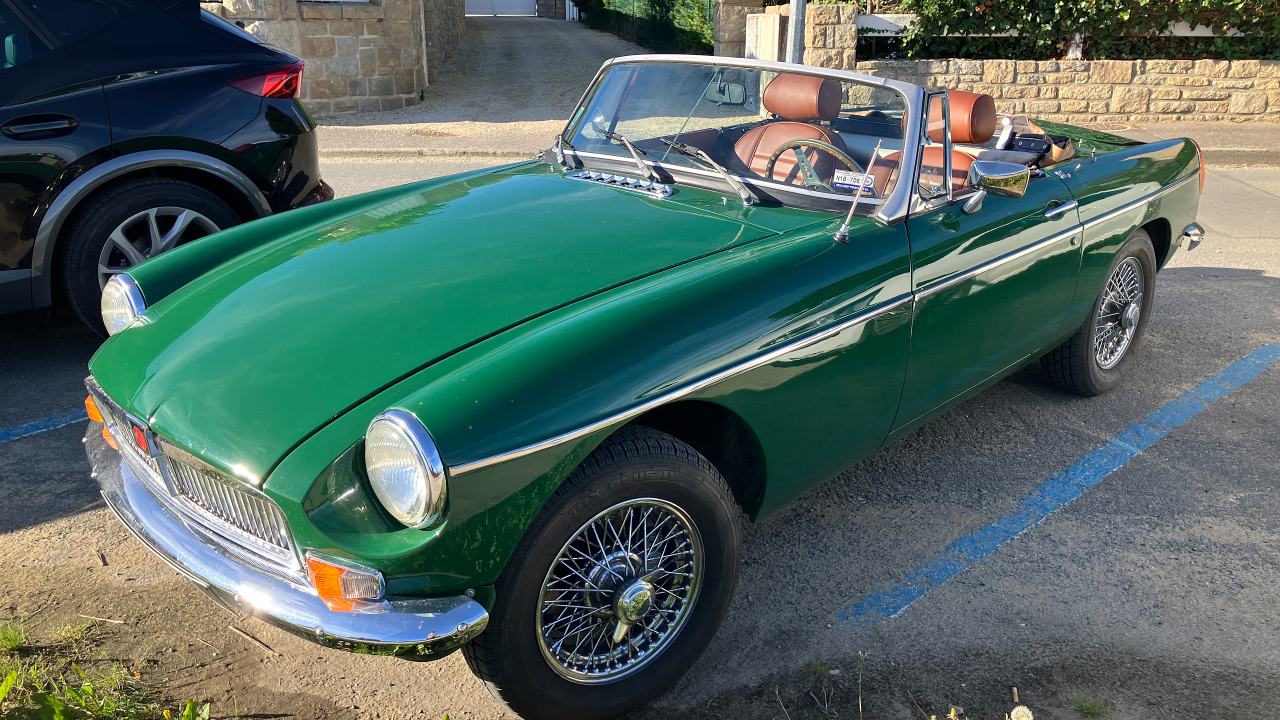
For decades, small British sports cars were the default entry point into classic ownership, but many of those once-affordable roadsters are now stuck in a pricing rut. Models such as the MGB, Triumph Spitfire, and Austin-Healey Sprite still have loyal followings, yet their values have not kept pace with the appreciation seen in rarer European sports cars, a trend reflected in recent European auction results. I see a growing divide between high-spec or limited-production British machines and the mass-market convertibles that defined the hobby in the 1970s and 1980s.
Usability is a key factor. Modern traffic, safety expectations, and reliability standards make these light, modestly powered cars feel more like weekend novelties than practical classics. When I compare them with similarly priced 1990s Japanese sports cars or later German coupes, the British roadsters often lose out on performance, comfort, and ease of ownership, which helps explain why their price guides show relatively flat trajectories in recent UK market data. As buyers prioritize cars they can drive regularly, many of these charming but fragile roadsters are quietly slipping down the wish list.
Early “modern classics” that never became icons
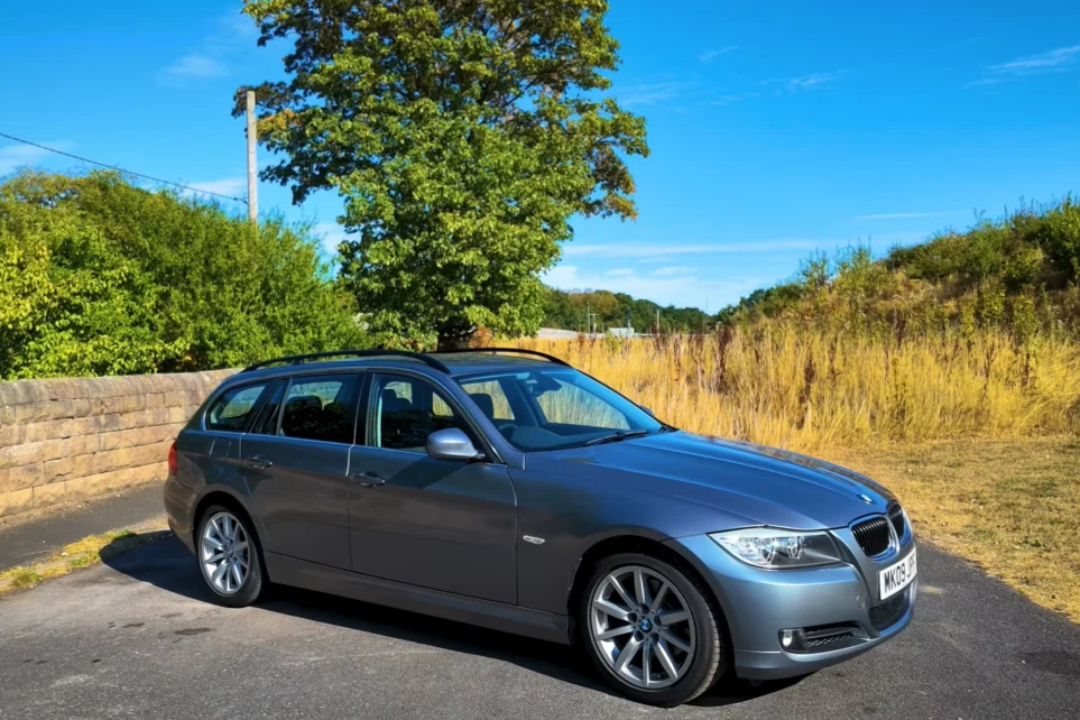
Not every car from the 1980s and 1990s is riding the current wave of enthusiasm for so-called modern classics. I see a clear split between models that have achieved cult status and those that remain stuck in the middle ground of being too old to feel contemporary yet not distinctive enough to be collectible. Early front-drive coupes, mainstream luxury sedans, and high-volume hatchbacks from this era often trade hands for modest sums, a pattern visible in recent market trend breakdowns.
These cars face a double challenge. They lack the analog charm and mechanical simplicity of 1960s and 1970s classics, yet they also miss the performance and technology benchmarks that define later enthusiast favorites. When I look at auction lineups and online listings, it is clear that buyers are willing to pay premiums for specific halo models, such as limited-production performance variants, while standard trims from the same families linger at lower price points, a contrast that shows up in detailed online sale analyses. Without a strong motorsport pedigree, design breakthrough, or pop-culture connection, many of these early modern cars are settling into a role as inexpensive nostalgia rather than serious collector assets.
High-maintenance exotics with fading appeal
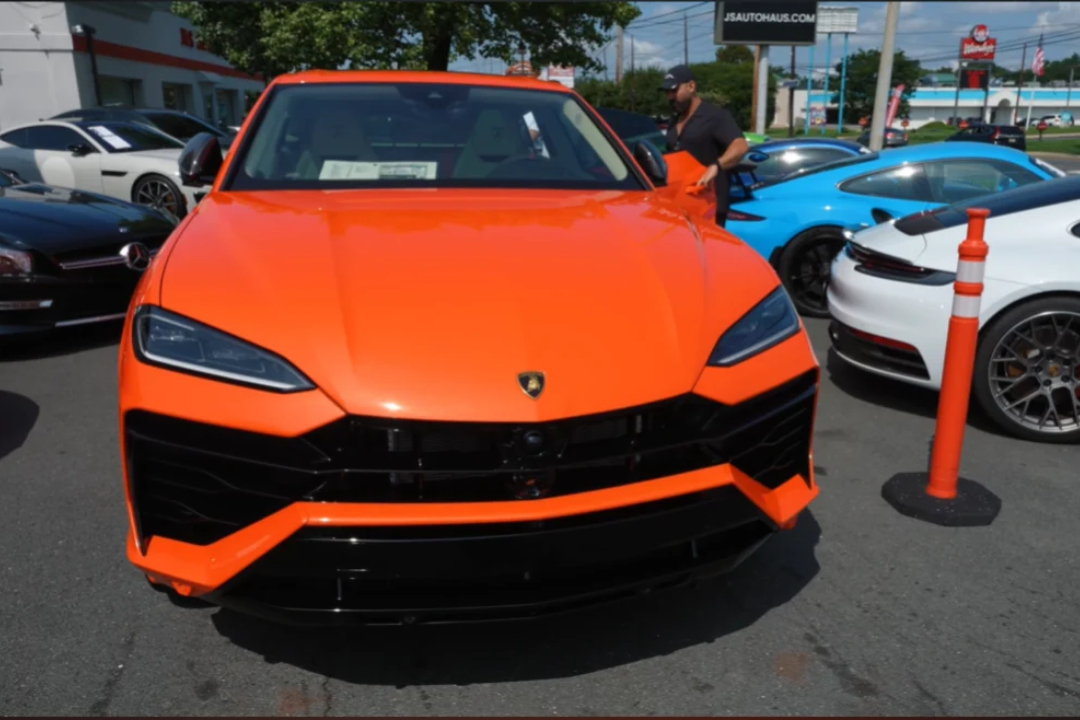
Exotic cars once carried an automatic aura of collectability, but some older high-end models are now struggling against their own complexity. I see this most clearly in 1990s and early 2000s supercars that combine aging electronics with costly service schedules, which can scare off buyers who have seen detailed ownership cost breakdowns in recent maintenance reports. When a routine service can approach five figures and parts availability is uncertain, even a glamorous badge is not always enough to sustain rising values.
Market data shows that the most usable and historically significant exotics, such as limited-run homologation specials or models with strong motorsport links, continue to perform well, while more common or less celebrated variants lag behind in recent exotic-car indexes. I find that buyers increasingly prioritize cars they can drive without constant fear of catastrophic repair bills, which favors simpler analog supercars and newer models with stronger support networks. As a result, some once-dreamed-about exotics are quietly slipping into a niche where only the most committed marque loyalists are willing to take on the risk, leaving prices softer than their reputations might suggest.
More from Fast Lane Only: