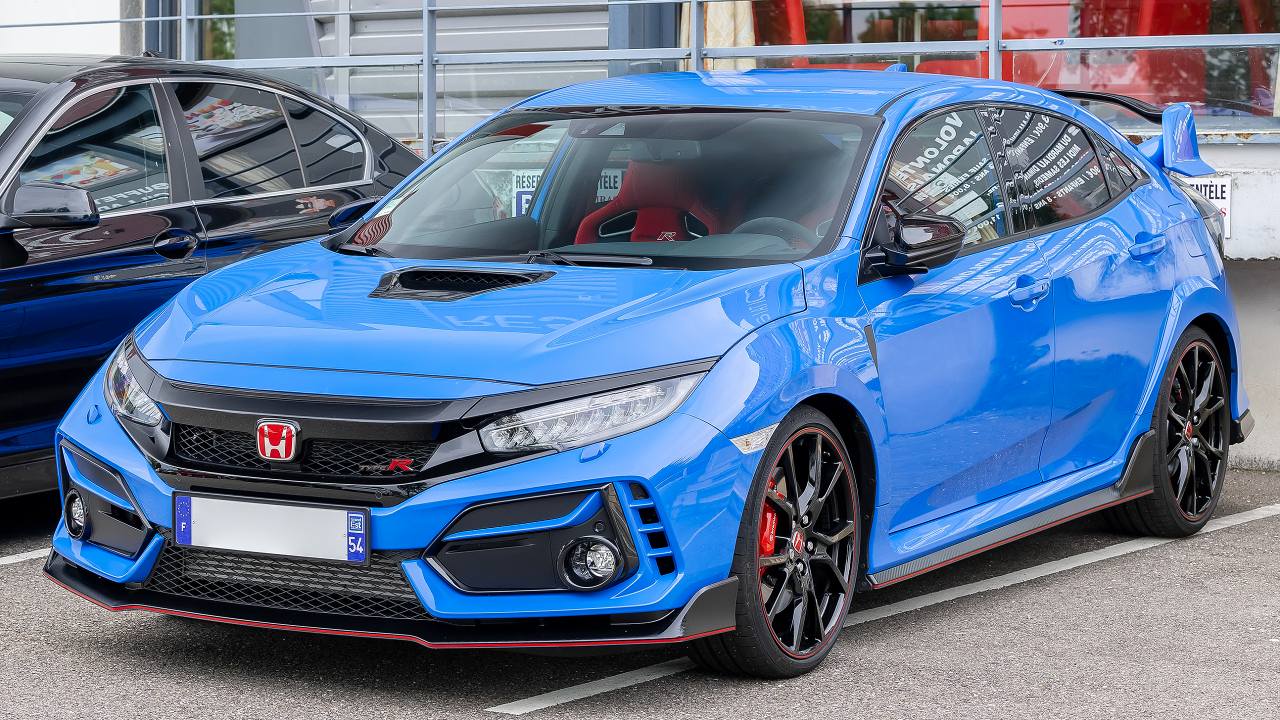
Performance numbers that once belonged to six-figure exotics now show up on dealer lots with cloth seats and plastic steering wheels. Turbocharged four-cylinders, clever electronics, and platform sharing have turned a handful of modestly priced coupes, sedans, and hot hatches into cars that can embarrass machinery costing two or three times as much. I want to unpack how these relatively attainable models are managing to run with, and sometimes outrun, the traditional heavy hitters.
Shared platforms, cheap speed
The biggest reason some budget performance cars feel so far above their pay grade is that they are built on the same bones as far more expensive models. Automakers now spread one modular platform across everything from base commuter trims to halo variants, which means the affordable version often inherits suspension geometry, crash structures, and electronics that were engineered to cope with much higher speeds. When a compact sedan or hatchback uses the same basic architecture as a premium performance model, it can tap into that engineering headroom with relatively minor upgrades in power and chassis tuning, a pattern visible in cars like the Civic Type R and Golf GTI.
Because the expensive development work is already paid for by higher volume mainstream trims, the incremental cost of turning a regular platform into a serious performer is surprisingly low. A stronger clutch, bigger brakes, stickier tires, and a more aggressive calibration for the engine and stability systems can transform a family car into something that runs lap times close to dedicated sports models. That is how a front-drive hatch like the Hyundai Elantra N can deliver track-ready hardware, including adaptive dampers and an electronically controlled limited-slip differential, while still undercutting many traditional sports coupes on price.
Turbo tech and power density
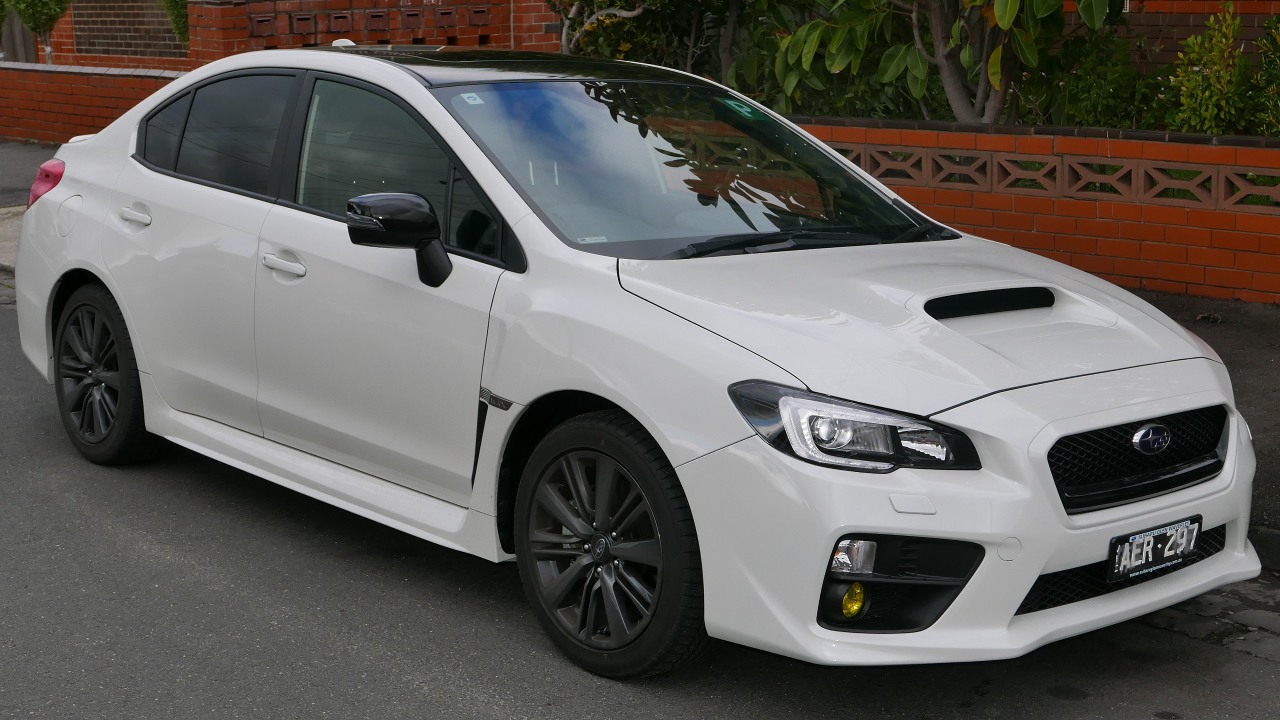
Modern turbocharging and direct injection have also rewritten the rules on what a “budget” engine can do. Where naturally aspirated fours once struggled to crack 200 horsepower without sacrificing drivability, today’s small displacement units routinely deliver 250 horsepower or more while still meeting emissions and fuel economy targets. The 2.0‑liter turbo in the Subaru WRX, for example, produces 271 horsepower and 258 pound-feet of torque, figures that used to be the territory of larger six-cylinder engines.
Crucially, these engines are not just powerful at the top end, they are tuned for a broad torque plateau that makes everyday driving feel effortless. That usable midrange, combined with shorter gearing and quick-shifting automatic or dual-clutch transmissions, lets relatively inexpensive cars post acceleration times that rival older V8 muscle and even some current luxury models. The Hyundai Kona N, a subcompact crossover with a 2.0‑liter turbo four, can sprint to 60 mph in about 4.8 seconds in independent testing, a number that would have sounded optimistic for a budget SUV not long ago.
Electronics doing heavy lifting
Electronics have become the secret weapon that lets modest hardware punch above its weight. Sophisticated traction and stability systems, once reserved for high-end sports cars, now appear in relatively affordable models and are tuned to enhance performance rather than simply prevent wheelspin. In cars like the Volkswagen Golf R, torque vectoring and selectable drive modes allow the chassis to rotate more eagerly in corners while still keeping the car approachable for less experienced drivers.
Even front-wheel-drive cars benefit from this electronic safety net. The Civic Type R uses dual-axis front suspension and carefully calibrated stability control to tame torque steer and maximize grip, letting it carry remarkable speed through corners without feeling unruly. Similarly, the Hyundai Veloster N combines an electronically controlled limited-slip differential with adaptive dampers and configurable drive modes, so owners can dial in a track-focused setup on weekends and soften everything for commuting during the week.
Track development and data feedback
Another reason these cars feel so capable is that manufacturers now treat racetracks as development labs for mainstream performance trims. Instead of reserving Nürburgring laps and time-attack programs for six-figure flagships, brands are benchmarking their hot hatches and compact sedans against serious sports cars. The Elantra N and Kona N were both tuned with extensive track testing, which shows up in details like brake cooling, oil temperature management, and stability control logic that can handle repeated hard laps without fading.
That track focus is not just marketing. It feeds directly into durability and consistency that drivers can feel. The Subaru BRZ and its twin, the Toyota GR86, were refined with feedback from grassroots motorsport and track-day use, leading to changes in suspension tuning and structural rigidity that make the latest generation more stable at the limit. Similarly, the Ford Mustang EcoBoost with the Performance Package borrows cooling and chassis upgrades inspired by V8 track variants, which helps the turbo four-cylinder model maintain lap pace that would have embarrassed older V8 Mustangs.
Value calculus and the enthusiast sweet spot
All of this engineering only matters because it lands in a price band where enthusiasts can realistically buy in. The sweet spot for these overachieving cars tends to sit in the low to mid‑$30,000 range, where buyers expect real performance but still need daily usability and reasonable running costs. Models like the Elantra N, Golf GTI, and WRX deliver that mix by pairing strong acceleration and track-capable hardware with four doors, usable rear seats, and fuel economy that does not punish a long commute.
From a value perspective, these cars often match or beat the real-world pace of more expensive machinery while undercutting them on purchase price, insurance, and maintenance. A well-driven Civic Type R or Golf R can run lap times comparable to older Porsche Cayman or BMW M3 models, yet they come with full warranties and modern safety tech. That equation helps explain why so many enthusiasts are willing to trade prestige badges and cylinder count for a car that quietly humiliates more expensive rivals on a back road or at a track day.
More from Fast Lane Only: