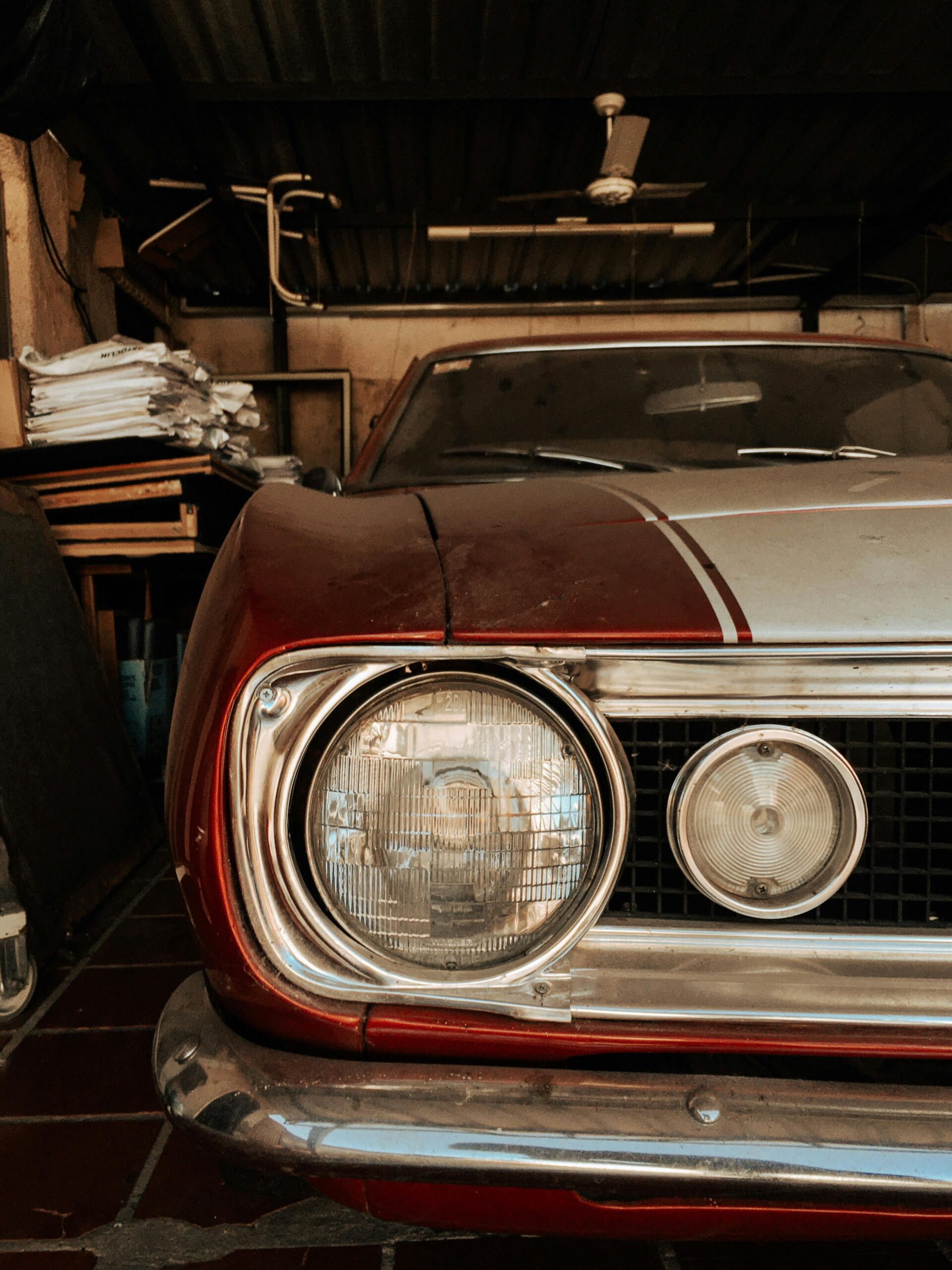
It’s the kind of favor that sounds harmless at first: a friend needs a safe spot, you’ve got a barn, and everybody trusts everybody. A classic Chevy owner thought that’s exactly what was happening when the car went into storage “for a little while.” Months later, a late-night scroll turned into a full-body stomach drop when the same Chevy appeared on Facebook Marketplace—with a price, photos, and a seller who wasn’t the owner.
According to messages and screenshots shared with people familiar with the situation, the listing looked legitimate at a glance. It had the usual details—model year, condition notes, and the casual “runs great” vibe that Marketplace sellers love. The problem was simple: the car wasn’t for sale, and the person posting it didn’t have the right to sell it.
A Simple Favor Turns Complicated
The Chevy had been sitting for a bit, as classic cars often do, waiting on time, parts, or just the right weekend. The owner agreed to let a friend store it in a barn, supposedly to keep it out of the weather and away from thieves. It felt like a win-win, the kind of handshake deal people do all the time when they’ve known each other long enough.
But “temporary storage” has a way of stretching out, especially when life gets busy. Visits became less frequent, and the owner didn’t check in as often as planned. That’s not unusual—when you trust someone, you don’t feel the need to count the car every week like it’s a library book.
The Listing That Shouldn’t Exist
The situation changed fast when the owner spotted a listing that looked a little too familiar. Same paint, same wheels, and a couple of small details that made it unmistakable—like a scratch near the rear quarter panel that hadn’t been buffed out in years. The photos looked recent, not like old shots pulled from a dusty camera roll.
The listing reportedly included a location close to where the barn was, which made the whole thing feel less like a weird coincidence and more like a blinking red warning light. And the seller’s description had that classic “I’m selling it for someone else” tone—except it didn’t mention that part out loud. It was presented as a straightforward private sale, which only made it more alarming.
Proof, Panic, and a Lot of Screenshots
Anyone who’s been burned by online weirdness knows the first rule: document everything. The owner took screenshots of the listing, the seller profile, the price, and every photo in the post. It wasn’t about being dramatic; it was about having proof in case the listing disappeared—which, on Marketplace, can happen in seconds.
Then came the messages. The owner reached out through Facebook to ask basic questions, partly to confirm details and partly to keep the seller talking. The replies, according to people who saw them, were vague and a little too confident—like someone who assumed the buyer wouldn’t ask for paperwork until later.
The Awkward Call Nobody Wants to Make
After the screenshots, the owner contacted the friend who had offered the barn space. That conversation was reportedly tense right away, because there aren’t many casual ways to ask, “Why is my car on the internet with a price tag?” The friend denied knowing about the listing at first, then shifted to explanations that didn’t line up neatly.
Sometimes these situations have a clean answer—miscommunication, a relative posted it, someone “helping” without permission. But the longer the conversation went, the less it sounded like a simple mistake. And even if it was a misunderstanding, the fact remained: the car was being marketed to strangers as if it were available.
Why Facebook Marketplace Makes This Easier Than People Think
Marketplace is great for finding a toolbox, a set of wheels, or a decent couch that doesn’t smell like regret. It’s also a perfect place for sketchy listings because it feels personal—profiles have faces, mutual friends, and normal posts about birthdays and barbeques. That “real person” vibe can lower people’s guard fast.
For classic cars, it’s even trickier. Plenty of legitimate sellers don’t have perfect documentation on hand, and buyers sometimes accept fuzzy stories if the price is tempting. Toss in the fact that barn-stored cars can be hard to verify on the spot, and you’ve got a recipe for confusion at best and fraud at worst.
What Usually Happens Next in a Case Like This
When an owner finds a vehicle listed without permission, the next steps tend to be a mix of online reporting and real-world urgency. Reporting the listing to Facebook can help, but it’s not always fast, and it doesn’t recover a car if it’s already been moved. The more immediate concern is preventing a handoff to an unsuspecting buyer who thinks they’re making a normal purchase.
In situations like this, owners often contact local law enforcement, especially if they have the title, registration, VIN, and any messages showing the car is being sold. Depending on the jurisdiction, it can fall under theft, attempted fraud, or unlawful sale of property. And yes, it can get messy quickly when the seller is someone the owner knows.
The Title Question Everyone Asks
The big practical detail is paperwork. If the owner still has the title in their name, that’s a strong piece of leverage, because a legitimate buyer typically can’t register the car without it. But that doesn’t stop someone from taking cash and handing over the keys with a shrug and a “title’s coming later,” which is exactly how people get stuck with a nightmare purchase.
If the title was ever signed, misplaced, or left with the car, things can get more complicated. That’s why most classic car folks treat the title like it’s part of the engine—keep it secure, separate, and never “just toss it in the glovebox.” A barn is cozy for sheet metal, not for documents.
A Cautionary Tale for Anyone With a “Sure, No Problem” Barn Deal
Stories like this hit hard because they start with trust and end with a listing link. Most people who offer storage genuinely mean well, and most owners aren’t expecting a friend to become a surprise car dealer. But even good relationships can go sideways when money, pressure, or other people get involved.
If there’s one lesson that comes up again and again, it’s that clear boundaries help everyone. A simple written note—who owns it, where it’s stored, whether it can be moved, and that it’s not for sale—can prevent a lot of “Wait, what?” moments later. It’s not about being suspicious; it’s about keeping a prized car from becoming an accidental marketplace special.
As for the Chevy, the owner’s immediate priority was making sure it didn’t change hands while the situation got sorted. Because once a classic disappears into the shuffle of trailers, cash deals, and “meet me at this gas station,” it can become a whole different kind of story. And nobody wants their project car to turn into a missing-person case—with a For Sale sign attached.
More from Fast Lane Only
- Unboxing the WWII Jeep in a Crate
- 15 rare Chevys collectors are quietly buying
- 10 underrated V8s still worth hunting down
- Police notice this before you even roll window down
*Research for this article included AI assistance, with all final content reviewed by human editors.