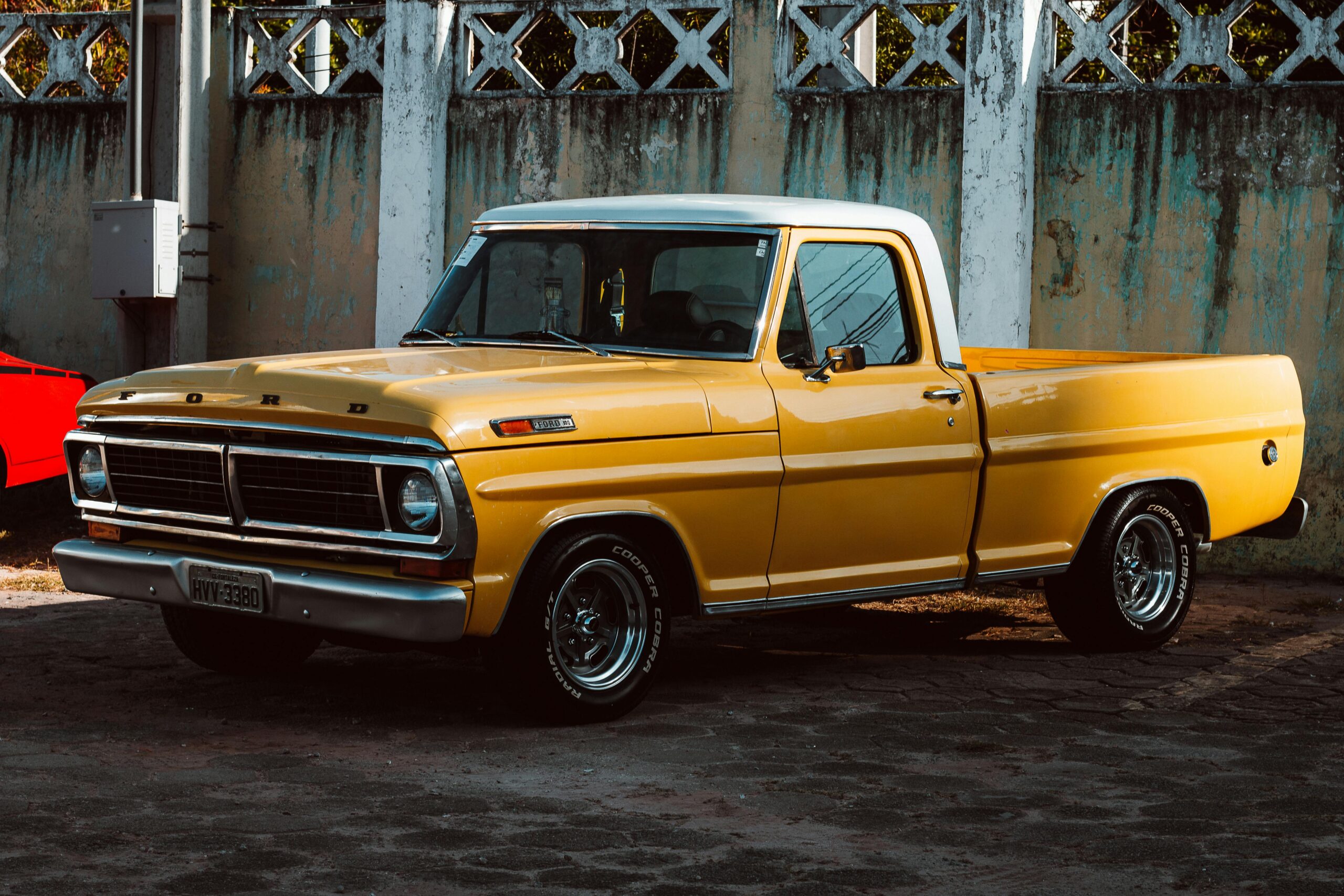
It’s the kind of used-truck story that starts with a proud driveway photo and ends with a towel shoved into a ceiling light. A driver who recently bought what they thought was a clean, well-kept pickup said everything seemed flawless—until the first real storm rolled in. That’s when rainwater reportedly began pouring through the dome light like the truck had secretly installed an indoor fountain feature.
The truck “looked perfect,” the driver said, describing a tidy interior, nice paint, and no obvious signs of neglect. But a hidden leak can be patient, and weather doesn’t care how shiny a vehicle looks under dealership lights. One heavy rain later, the ceiling had a very different opinion.
A “Great Deal” Until the Sky Opened Up
According to the driver, the purchase felt like a win at first. The test drive went smoothly, the cabin smelled normal, and there weren’t any red flags like damp carpet or foggy windows. It was the sort of transaction that makes you think you got ahead of the used market for once.
Then came the first storm. After parking outside overnight, the driver got in the next morning and noticed drops on the console and headliner. Moments later, water began streaming from the dome light area, turning a basic interior feature into a drip-by-drip countdown to electrical worries.
Why the Dome Light Is a Classic “Uh-Oh” Spot
When water shows up at a dome light, it usually means it’s been traveling. Rain rarely enters exactly where it exits, especially on modern vehicles with layered panels, seals, and channels. Water can creep along the roofline, follow wiring paths, and finally reveal itself at the lowest or easiest opening—often around interior lights.
That’s why dome-light leaks can feel dramatic and confusing. The interior looks fine, then suddenly it’s raining inside the truck in one oddly specific location. It’s not that the dome light is “leaking,” exactly—it’s just where the water decides to make its grand entrance.
Common Culprits: Sunroof Drains, Windshields, and Roof Seals
Mechanics say dome-light leaks often trace back to a handful of usual suspects. If the truck has a sunroof, clogged or disconnected sunroof drains can dump water into the headliner, where it eventually finds the dome light. Even a small blockage—dust, pollen, a leaf fragment—can cause water to overflow during heavy rain.
If there’s no sunroof, the windshield seal is a frequent offender. A prior windshield replacement that wasn’t sealed correctly can let water seep behind trim and into the roof area. Roof antenna gaskets, roof marker lights (on some trucks), and worn door or roof channel seals can also create sneaky pathways that only show up under real rain pressure.
Why It Might Not Show Up on a Sunny Test Drive
This is the part that frustrates buyers the most: leaks can hide in plain sight. A truck can spend days on a lot without a serious downpour, and a quick wash doesn’t always replicate wind-driven rain at highway angles. Some leaks only happen when water hits a certain area for long enough or when the vehicle is parked on a slight slope.
There’s also the possibility that the interior was recently detailed. A deep clean can mask faint mildew smells or temporarily dry out damp padding. If moisture hasn’t had time to stain the headliner yet, everything can look “perfect” until the next storm does its inspection.
What Water Through a Dome Light Can Damage
Beyond the mess, water coming through the ceiling raises practical concerns quickly. Dome lights are tied into the electrical system, and moisture around wiring can lead to shorts, corroded connectors, or intermittent electrical gremlins that appear weeks later. Sometimes the first symptom isn’t even the leak—it’s a weird flicker, a dead interior light, or a battery drain.
Then there’s the interior. A wet headliner can sag, stain, or develop that unmistakable “something’s off” smell that never quite leaves. If water reaches the carpet or insulation, mold becomes a real possibility, especially in warm weather when the vehicle sits closed up.
What Experts Recommend Doing First
The immediate advice is surprisingly simple: stop the water and document everything. Dry the interior as much as possible—towels, fans, and gentle airflow—because letting it sit wet is when long-term damage stacks up fast. Photos and videos of active dripping, wet headliner spots, and water trails can also matter if there’s any dispute about when the issue started.
After that, tracking the source is the real mission. Many shops start with a controlled water test, slowly running water over specific areas while someone watches inside with trim partially removed. It’s not glamorous work, but it’s the most reliable way to avoid “guess repairs” like replacing random seals and hoping the truck forgives everyone.
The Hard Part: Used-Car Sales and “It Was Fine When It Left”
Whether the driver has any recourse depends on how the truck was bought and what paperwork says. In many places, private-party used sales are effectively “as-is,” meaning the buyer owns the problem the moment the keys change hands. Dealership sales can vary a lot depending on state rules, warranty terms, and whether any promised inspection or coverage was included.
That said, even with an as-is sale, documentation helps. If a leak is tied to a recent windshield install or body repair, there may be a separate warranty through the glass shop or repair facility. The tricky part is figuring out whether this was a new failure or an old issue that simply hadn’t been caught.
How to Spot Leak Clues Before Buying Next Time
This experience has a lot of drivers rethinking their pre-purchase routine. A quick check can include running fingers along the headliner edges near the windshield and A-pillars, feeling for dampness or subtle waviness. Looking for water marks around visor mounts, dome light lenses, and overhead consoles can also reveal past leaks.
It also helps to lift floor mats and check carpet corners for moisture or crunchy, salt-like residue from dried water. If the vehicle has a sunroof, asking when the drains were last cleaned isn’t a weird question—it’s just practical. And if the seller seems rushed or oddly defensive about water testing, that’s useful information all by itself.
A Fixable Problem, Just an Annoying Surprise
The good news is that many dome-light leaks are fixable without turning the truck into a permanent project. Clearing sunroof drains, resealing a windshield, replacing a roof antenna gasket, or correcting a misaligned weatherstrip can solve it completely. The bad news is that diagnosing it can take time, and interior drying may require patience and, sometimes, professional detailing.
For the driver, the moment still stings: a truck that “looked perfect” turned into a rain collector overnight. But it’s also a reminder that used vehicles can hide their secrets until the weather decides to talk. And once rain starts pouring out of a dome light, nobody’s pretending it’s “just a little drip” anymore.
More from Fast Lane Only
- Unboxing the WWII Jeep in a Crate
- 15 rare Chevys collectors are quietly buying
- 10 underrated V8s still worth hunting down
- Police notice this before you even roll window down
*Research for this article included AI assistance, with all final content reviewed by human editors.