Dashcam footage from Johor, Malaysia, has turned a routine traffic violation into a global talking point, after a motorcycle rider responded to a head-on collision in a way that looked more like a staged stunt than a serious crash. The clip, which shows the rider calmly reclining on the car’s bonnet instead of scrambling to safety, has spread rapidly across social platforms and sparked debate about road safety, viral culture, and how people process shock in the age of constant recording.
What might otherwise have been logged as another wrong-way accident is now being replayed as a surreal moment of nonchalance, dissected frame by frame by viewers who cannot quite believe what they are seeing. The rider’s unusual post-crash act has become the focal point of that fascination, raising questions about how risk, responsibility, and performance intersect on busy roads.
The crash that looked like a stunt
The incident unfolded on Jalan Masai Lama in Pasir Gudang, Johor, where a motorcyclist was recorded riding against the flow of traffic before colliding head-on with an oncoming car. Dashcam video from the car shows the bike cutting across the lane, the impact sending the rider up and over the handlebars and onto the vehicle’s bonnet in a single, fluid motion. Instead of tumbling to the ground, the rider lands squarely on the hood, body stretched out as if settling into a lounge chair, a sequence that has led many viewers to compare the scene to a choreographed movie stunt rather than a real crash.
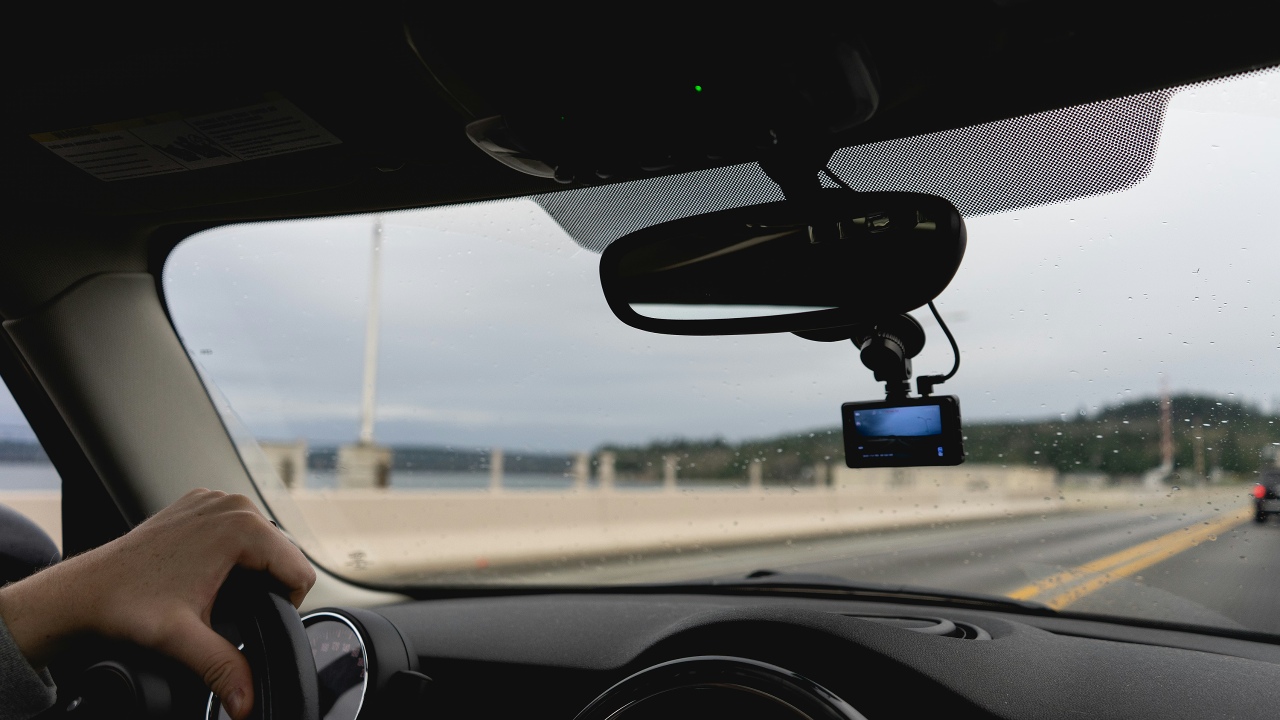
Local descriptions of the footage emphasise how the rider appears to pause on the bonnet, seemingly unhurried, before any attempt to move away from the vehicle. The road, identified as Jalan Masai Lama in Pasir Gudang, is a busy route in Johor, and the rider’s decision to travel against traffic has been highlighted as the key factor that turned an ordinary commute into a viral spectacle. The Dashcam recording, captured from inside the car, provides a clear, unbroken view of the approach, impact, and improbable landing, which has helped propel the clip across platforms.
The unfazed rider and the viral reaction
It is the rider’s composure after the collision that has truly captivated online audiences. In one widely shared version of the clip, the motorcyclist, described as 29 years old, appears almost relaxed as he lies across the bonnet, prompting captions that liken his posture to someone stretching out on a sun lounger. Another popular reel frames the moment as “The Unfazed Rider,” underscoring how his body language seems to defy the usual panic associated with road accidents. The contrast between the violence of the impact and the rider’s oddly serene reaction has become the defining image of the incident.
On social media, short edits of the crash have been paired with light-hearted commentary and music, treating the rider’s pose as a punchline rather than a near miss. One reel that highlights the scene of the biker treating the car bonnet “Like a sun lounger after crash” has attracted significant engagement, including 30.6K views and 233 interactions, reflecting how quickly such clips can be reframed as entertainment. Another circulating video focuses on the same sequence, describing it simply as a dashcam video of a road accident that went viral because of the biker’s unusual reaction after the crash, reinforcing how the rider’s behaviour, rather than the collision itself, has driven public interest.
From disbelief to confirmation
The surreal quality of the footage has led some viewers to question whether the clip is genuine. In comment threads and reposts, users have speculated that the video might be AI-generated or otherwise staged, pointing to the rider’s calm demeanour and the almost cinematic timing of the landing as reasons for doubt. The smooth arc of the rider’s body onto the bonnet, combined with his apparent lack of visible distress, has fed into a broader scepticism that often greets extraordinary clips in an era of sophisticated digital manipulation.
However, local authorities have moved to dispel those doubts. Police in Johor, including officers in Seri Alam, have confirmed that the incident on Jalan Masai Lama in Pasir Gudang did in fact occur and that the dashcam recording reflects a real collision involving a motorcyclist riding against traffic. Reporting linked to the same footage notes that, while many online viewers initially suspected the clip was fake, Seri Alam police have verified its authenticity and treated it as a genuine road accident. That confirmation has shifted the conversation from whether the video is real to what it reveals about behaviour on Malaysian roads and the way such incidents are consumed online.
Road safety, wrong-way riding, and local context
Beneath the humour and disbelief, the crash has drawn attention to a persistent safety issue: riders using the wrong side of the road to save time or avoid congestion. The motorcyclist in Johor was travelling against traffic when he struck the oncoming car, a manoeuvre that dramatically increases the risk of head-on collisions and leaves drivers with little time to react. The Dashcam footage shows the car proceeding along the correct lane before the rider suddenly appears, leaving only a brief window for braking before impact. That sequence has been cited by road safety advocates as a textbook example of how small shortcuts can have outsized consequences.
The incident also sits within a broader pattern of concern about vulnerable road users in Malaysia, including motorcyclists and active mobility device riders. In a separate clip from Malaysia, dashcam footage shows a car slowing for an active mobility device user who still ends up hitting the vehicle, with the aftermath again described as unintentionally comic. Together, these recordings highlight how quickly everyday interactions between cars, bikes, and smaller devices can turn into collisions, particularly when riders misjudge speed, distance, or right of way. The Johor crash, with its dramatic visuals and oddly composed rider, has become a vivid case study in how risky habits intersect with the ubiquity of in-car cameras.
When accidents become content
The viral spread of the Johor dashcam clip illustrates how road accidents are increasingly filtered through the lens of shareability. What begins as a safety incident is rapidly edited, captioned, and circulated as short-form content, with the most visually striking or ironic moments pushed to the forefront. In this case, the rider’s decision, or instinctive reaction, to remain sprawled across the bonnet has been reframed as a kind of accidental performance, encouraging viewers to laugh or marvel rather than to dwell on the underlying danger of a head-on crash. The popularity of reels that emphasise the “unfazed” quality of the rider shows how quickly the internet can turn a near miss into a meme.
At the same time, the clip’s journey from local dashcam file to global talking point underscores the value of such recordings for accountability and investigation. Without the Dashcam footage from the car on Jalan Masai Lama, the circumstances of the collision in Pasir Gudang might have been contested or unclear, particularly given the rider’s unconventional posture after impact. Instead, the video provides a clear record that the motorcyclist was riding against traffic, a fact later confirmed by police in Johor and Seri Alam. The same technology that feeds the appetite for viral content therefore also supplies crucial evidence, leaving viewers to reconcile the tension between entertainment and responsibility every time they hit replay.
More from Fast Lane Only