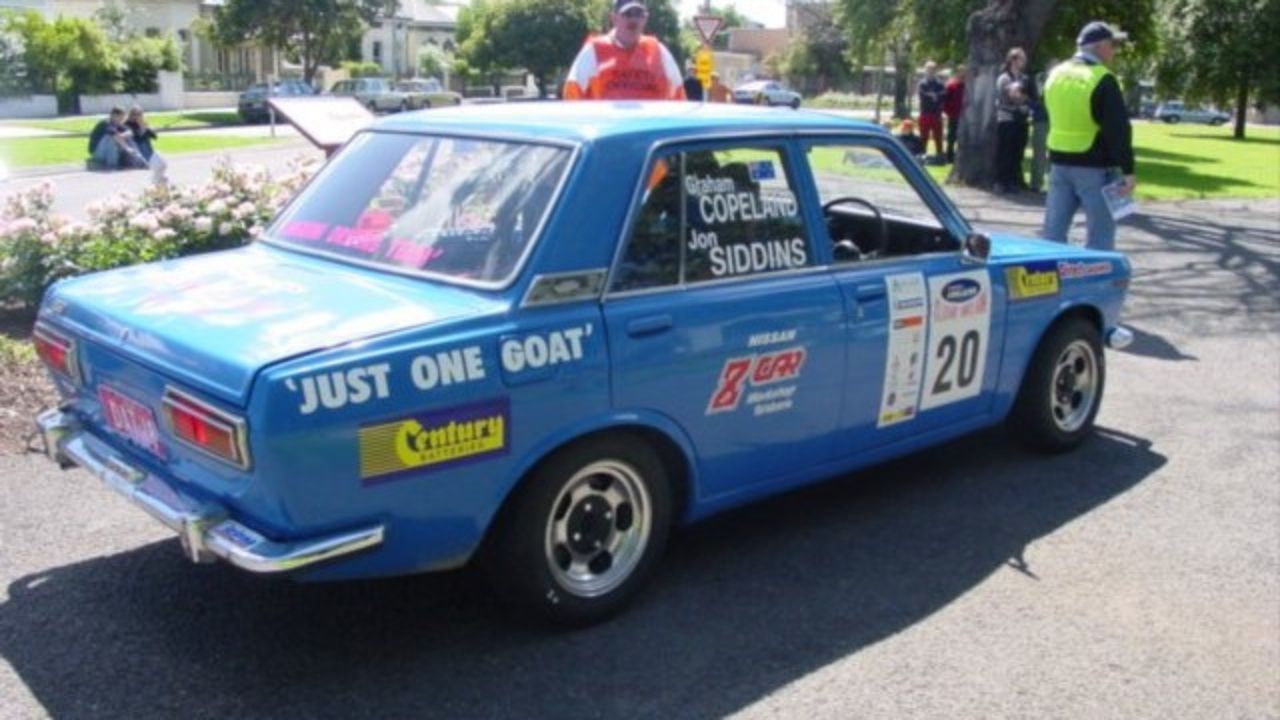
For a generation of enthusiasts, the Datsun 510 proved that sharp handling and everyday practicality did not have to carry a European luxury price tag. Built as a sensible family sedan, it quietly evolved into a cult favorite that could harass far more expensive machinery on road and track. That legacy still shapes how drivers think about affordable performance cars today.
As values for classic Japanese metal climb, the 510 has shifted from cheap used car to collectible icon. Its core message remains intact, though: thoughtful engineering and a willing chassis can deliver real driving joy without requiring BMW money.
What happened
When Nissan launched the Datsun 510 in the late 1960s, the company aimed squarely at the compact family segment. The formula looked ordinary on paper: a boxy four-door sedan or two-door, a wagon variant, and a small four-cylinder engine. What set it apart was the engineering underneath. The car used a fully independent rear suspension, a layout that echoed contemporary European sport sedans and gave the 510 unusual poise for its class.
The 1.6-liter L-series engine, paired with a manual gearbox, made modest power but loved to rev. In stock form the 510 was no rocket, yet its light weight, communicative steering, and balanced suspension meant drivers could carry impressive speed across twisty roads. Owners quickly discovered that the car responded well to upgrades, from carburetor swaps to camshaft changes and exhaust tuning, which turned the basic sedan into a lively sport compact.
Racers and tuners seized on the platform. In touring car and club racing, the 510 gained a reputation as a giant killer, often running with or ahead of more prestigious European brands. That competition success fed directly into its street image. Drivers who could not afford a BMW 2002 or Alfa Romeo sedan could still enjoy similarly sharp dynamics in a Datsun that cost less to buy and maintain.
Over the decades, the 510 evolved from cheap used transportation to a canvas for enthusiasts. Many examples were modified with larger L-series engines, suspension upgrades, and disc brake conversions. Others were kept closer to stock, valued for their clean lines and unpretentious character. The car became a fixture at grassroots track days, autocross events, and vintage rallies, where its blend of agility and durability kept it relevant long after production ended.
As interest in classic Japanese cars expanded, collectors began to notice the 510. Prices that once hovered in budget-project territory started to climb. According to market analysis, the model has become a rising star among vintage imports, with growing demand from younger enthusiasts who see it as a bridge between old-school analog driving and attainable ownership. One report on Datsun 510 values highlights how this once-humble sedan is now treated as a legitimate classic rather than a disposable economy car.
This shift in perception reflects how deeply the 510’s story resonates. It was never marketed as a premium sports sedan, yet its engineering allowed it to punch above its weight. As collectors reassess what matters in a vintage car, the Datsun’s combination of simplicity, motorsport history, and everyday usability has become increasingly attractive.
Why it matters
The Datsun 510 matters because it helped redefine what an enthusiast car could be. At a time when performance often meant a large engine and a premium badge, the 510 proved that careful chassis tuning and low mass could deliver just as much satisfaction. That lesson has echoed through generations of affordable performance cars, from hot hatches to modern rear-drive coupes.
For buyers of its era, the 510 offered a realistic alternative to European sport sedans that carried higher purchase prices and maintenance costs. Someone cross-shopping a BMW 2002 or similar compact could look at the Datsun and see comparable independent rear suspension, a willing engine, and a reputation for reliability, all wrapped in a more accessible package. The idea that a family-friendly Japanese sedan could offer genuine driver engagement challenged assumptions about what brands and price points were supposed to deliver fun.
The car also played a role in elevating Japanese manufacturers in the eyes of enthusiasts. Before models like the 510, many drivers associated Japanese imports with basic transportation rather than performance. The success of the 510 in motorsport and on back roads helped shift that view. It demonstrated that Nissan engineers could design a chassis capable of competing with respected European rivals, not just undercutting them on cost.
That credibility had long-term consequences. The confidence gained from the 510 era fed into later performance icons, including Z cars and turbocharged compacts, that built on the same philosophy of accessible speed. The 510 showed that a car did not need luxury trimmings to deliver a sophisticated driving experience. It only needed the right mechanical ingredients and a focus on balance instead of brute power.
For modern enthusiasts, the 510 serves as a reminder that older cars can still feel fresh when their fundamentals are strong. The steering is unassisted, so feedback comes straight through the wheel. The suspension is simple but well laid out, so changes in grip are easy to sense. There are no drive modes or electronic filters between driver and road. That directness is part of what makes the car so engaging, especially compared with heavier, more insulated contemporary vehicles.
The rise in 510 values also reflects a broader shift in the collector market. As prices for traditional European classics have climbed, many enthusiasts have looked to Japanese models for similar driving enjoyment at a lower cost of entry. The Datsun’s story mirrors that of other once-overlooked imports that are now sought after, such as early Toyota Celicas and Mazda RX-3s. In each case, the appeal lies in honest engineering and a driving experience that feels more expensive than the badge suggests.
At the same time, the 510 highlights tensions within car culture. As values increase, the supply of affordable project cars shrinks. A model that once served as an entry point for young enthusiasts risks becoming too valuable to modify or track aggressively. Owners face a choice between preserving originality for future appreciation and continuing the tuning tradition that made the car famous. That debate plays out at shows and online forums, where purists and modifiers sometimes clash over what a “proper” 510 should be.
The car’s influence extends beyond the collector world into how manufacturers think about enthusiast products. Modern performance sedans and hatchbacks often lean on the same formula that made the Datsun so compelling: relatively light weight, a responsive chassis, and an engine that rewards revs rather than relying solely on peak power. When automakers talk about “driver-focused” models that do not require a luxury budget, they are following a path that cars like the 510 helped clear.
There is also a cultural dimension. The 510 has become a touchstone in the story of Japanese-American car enthusiasm. It appears in period photographs of SCCA races, in family albums where it hauled kids and groceries, and in contemporary builds that mix vintage metal with modern components. For many owners, it represents a link between generations, a car that a parent once drove as a commuter and that a younger enthusiast now restores or races.
In that sense, the Datsun 510 is more than a spec sheet. It is a symbol of how performance and practicality can coexist, and of how a modestly priced car can earn enduring respect through the way it drives rather than the prestige of its badge.
What to watch next
The next chapter in the Datsun 510 story will likely be written in the collector market and in garages where owners decide how far to push their builds. As interest in Japanese classics continues to grow, values for clean, original 510s are likely to face upward pressure. Enthusiasts who once saw the car as a cheap entry point now confront higher asking prices, especially for rust-free examples and rare two-door sedans.
That trend raises questions about accessibility. If the 510 becomes a high-dollar collectible, younger drivers may look elsewhere for the kind of affordable, engaging experience it once represented. Some may turn to later Nissan models, such as the 240SX, or to other Japanese compacts that have not yet seen the same appreciation. Others may shift toward modern used cars that echo the 510’s ethos, like early Subaru WRX sedans or Honda Civic Si models, which offer strong dynamics without luxury-car pricing.
Within the 510 community, the tension between preservation and modification will likely intensify. As more cars are restored to factory specification, surviving rougher examples may become the primary canvas for engine swaps and track builds. Enthusiasts already experiment with powertrains ranging from larger L-series units to modern four-cylinders, aiming to keep the car competitive in contemporary performance terms while respecting its character.
Regulation and infrastructure will also shape the car’s future. As cities tighten emissions rules and expand low-emission zones, classic internal-combustion cars may face new restrictions. Owners of 510s and similar vintage models may need to navigate registration limits, usage fees, or inspection hurdles that make regular driving more complicated. That could push some cars into occasional-use status, reserved for weekend drives and events rather than daily commuting.
At the same time, the growth of vintage motorsport and classic track days offers new spaces where the 510 can continue to shine. Events that celebrate older touring cars and grassroots racing give these sedans a stage that suits their strengths. Organizers increasingly recognize the appeal of Japanese classics alongside European and American icons, which helps keep cars like the Datsun visible to a broad audience.
Another area to watch is parts support. As original components age and supplies shrink, the aftermarket’s response will influence how easy it is to keep 510s on the road. Reproduction panels, suspension pieces, and trim can extend the life of cars that might otherwise be parted out. Enthusiast-driven businesses already cater to this niche, and their success will play a role in whether the 510 remains a common sight at meets or becomes a rarer, more museum-like presence.
The car’s influence on new-vehicle development is less direct than it once was, yet its philosophy still resonates. Manufacturers that aim to build engaging, budget-friendly performance cars can look back at the 510 as a case study in how to prioritize the right elements. A modern equivalent would focus on steering feel, weight control, and suspension tuning rather than chasing headline power figures or luxury tech. If automakers respond to enthusiast demand for simpler, more analog-feeling cars, traces of the Datsun’s approach may reappear in unexpected places.
Ultimately, the 510’s story will continue to evolve through the people who drive and document it. As more owners share builds, race footage, and restoration journeys online, the car’s reputation spreads beyond those who remember it new. Younger enthusiasts encounter the Datsun not as a relic but as a living platform, one that still offers the same basic promise: a compact sedan that can deliver serious driving fun without requiring a premium badge.
More from Fast Lane Only