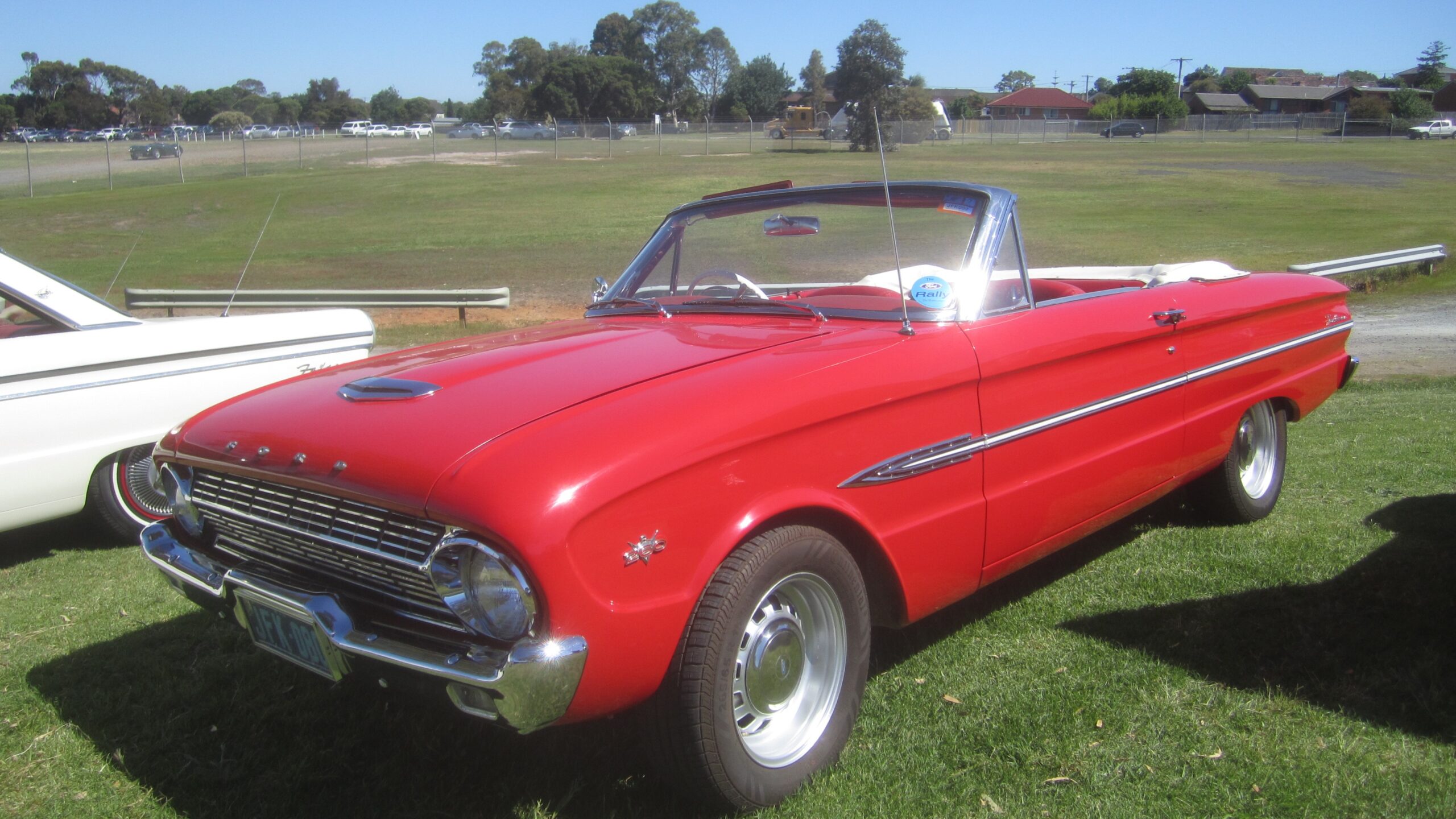
Readers have strong feelings about what drivers should call their cars, and when the theme is animals, the creativity only multiplies. Asked to share their favorite creature-inspired car nicknames, they responded with a mix of affection, wordplay, and local pride that says as much about people as it does about vehicles.
The resulting list is less a simple ranking and more a snapshot of how owners build tiny stories around sheet metal. From big-cat muscle cars to tiny “bugs,” the winning names reveal why drivers keep returning to the animal kingdom when they want a car to feel alive.
What happened
The prompt was straightforward: readers were invited to send in the best animal-themed names they have given to their cars, along with the stories behind them. The responses cut across makes, models, and decades, but a few patterns emerged quickly. Big, loud cars drew predator names. Small city runabouts tended to get cute, domesticated ones. Vintage models often ended up with creatures that already live in automotive vocabulary, like ponies, bugs, and bulls.
Several readers leaned into classic muscle. One described a black Dodge Challenger SRT as “The Panther,” a name that fit both the car’s stance and the way it moved at night. Another with a Ford Mustang GT chose “Bronco” to emphasize the animal behind the badge and the sense that the car was always ready to buck and run. These names felt less like inventions and more like confirmations of what the branding already suggested.
Compact and subcompact owners went in a different direction, often toward insects and small mammals. A driver of a Volkswagen Beetle, already nicknamed “Bug” by the factory, doubled down and christened the car “Lightning Bug” after fitting it with bright yellow paint and aftermarket LED strips. A Honda Fit owner picked “Field Mouse” because the car could slip into parking spots that larger SUVs had to abandon.
Readers also borrowed from the sea. A gray Subaru Outback that spent weekends on coastal highways became “The Seal,” a nod to its color, its slightly clumsy look with a roof box, and its surprising agility in bad weather. A deep blue Tesla Model 3 was named “Blue Whale” by a family that used it for long-distance road trips and liked the idea of gliding silently across the country the way a whale crosses an ocean.
Some of the most memorable submissions came from people who treated their vehicles like pets, with names that could just as easily belong to a dog or cat. That instinct mirrors how many people pick names for actual animals, as seen in reader lists of Boston-themed pet names that include local references, sports heroes, and private jokes. In the same way that one owner might name a cat “Tuukka” after a favorite goalie, another might call a hardy, winter-ready SUV “Husky” to capture both personality and purpose.
Not every suggestion was about power or cuteness. Several readers used animal names to soften the image of cars that might otherwise seem intimidating. A lifted pickup with oversized tires became “Big Bear,” which made it sound more approachable than a technical model designation. A boxy electric crossover ended up as “Panda,” a nod to its black and white paint and its quiet, slightly lumbering start from a stoplight.
When asked to choose favorites from the full list, readers gravitated toward names that combined visual accuracy, humor, and a clear link between animal and machine. “Panther,” “Lightning Bug,” “Blue Whale,” and “Panda” repeatedly surfaced near the top, alongside more idiosyncratic picks like “Roadrunner” for a high-mileage commuter car and “Coyote” for a desert-ready off-roader.
Why it matters
On the surface, naming a car after an animal looks like a harmless bit of fun. Look closer, and it becomes a window into how people relate to machines that are both deeply practical and quietly emotional. Many readers described their vehicles in language more often reserved for companions than tools, and the animal names helped bridge that gap.
Psychologists sometimes describe this as anthropomorphism, the habit of assigning human or animal traits to inanimate objects. When a driver calls a stubborn old sedan “The Mule,” that label does more than raise a smile. It captures the car’s role as a workhorse, its refusal to quit, and the way the owner forgives its quirks because it has “earned” a personality. Readers who chose names like “Husky,” “Coyote,” or “Big Bear” often did so to emphasize loyalty and toughness rather than raw performance numbers.
Automakers have long understood the pull of animal imagery. The industry is full of official model names that borrow from the natural world, from the Ford Mustang and the Chevrolet Impala to the Lamborghini Huracán, which carries a bull on its badge, and the Volkswagen Tiguan, whose name blends tiger and iguana. Readers’ own picks often riffed on these cues. A Mustang driver who went with “Bronco” was playing with the same horse theme that the brand has cultivated for decades, while a Jeep Wrangler called “Gecko” echoed the company’s own occasional reptile-themed trim packages.
There is also a practical side. An animal name gives family members and friends a shorthand that feels more memorable than a model year. Instead of saying “Take the 2018 Subaru,” one household simply tells each other to “take The Seal.” That kind of labeling can influence how a car is used. The “Blue Whale” became the default choice for long trips, the “Field Mouse” for tight urban errands. The name sets expectations and can even shape which car feels safest or most comfortable for a given task.
Readers who shared stories around their names showed how quickly these labels pick up emotional weight. One driver bought a used Toyota 4Runner after a difficult period and named it “Phoenix,” not technically an animal but a mythical creature that signals rebirth. Another inherited a grandparent’s Buick and called it “Tortoise,” a nod to both its pace and the family story that slow and steady wins the race. Once a name like that sticks, selling or scrapping the car can feel like saying goodbye to a character rather than an object.
The broader naming culture around cars mirrors how people name pets, especially in cities with strong local identity. Lists of reader-submitted pet names from Boston, for instance, are full of references to neighborhoods, sports, and music, with animals called “Tessie,” “Tallarico,” and “Tuukka” that carry stories about family traditions and fandom. When those same readers turn to their cars, the pattern repeats. A black SUV used for winter trips to the arena becomes “Bruin,” while a small hatchback that ferries kids to Fenway turns into “Green Monster.” Animal names sit comfortably inside that web of local references.
There is also a marketing angle. As car buying shifts online, shoppers swim in a sea of alphanumeric model codes that can feel sterile. A reader who names their BMW X3 “Snow Leopard” instantly gives the car an identity that the official badge lacks. That habit aligns with a broader consumer trend in which travelers, for example, gravitate toward resorts and hotels that brand themselves with evocative names and animal imagery, whether it is a “Turtle Bay” on an island or a “Lion Sands” safari lodge. The pull is the same: a creature reference promises character, not just amenities or horsepower.
For automakers, the reader submissions offer a kind of unsolicited focus group. The popularity of certain animals hints at what qualities drivers want to project. Big cats suggest speed and stealth. Bears and bulls imply strength and resilience. Marine animals like whales and seals evoke comfort and long-distance calm. Even the humble “Field Mouse” says something about how urban drivers value nimbleness over size.
From a cultural perspective, the trend also reflects how drivers navigate the tension between environmental concerns and personal attachment to cars. Some readers chose names that acknowledge this conflict. A plug-in hybrid called “Tree Frog” signaled both the car’s green credentials and its ability to jump between electric and gas power. A small electric hatchback named “Sparrow” captured its light footprint and limited range. By choosing animals associated with fragility or ecosystems, owners found a way to express awareness without giving up the pleasure of naming a vehicle.
What to watch next
The next wave of animal-inspired car names will almost certainly be shaped by electric vehicles, software, and shifting ideas about ownership. As more drivers switch to battery power, the tone of the names may change. The rumbling “Panther” and “Bull” might give way to quieter creatures that fit the near-silent operation of an EV. Readers have already started down this road with names like “Dolphin” for smooth, quiet commuters and “Owl” for cars whose driver-assistance systems make night driving less stressful.
Connectivity and personalization features will likely encourage even more elaborate naming habits. Modern infotainment systems already allow owners to set custom profiles and startup screens. It is easy to imagine a future in which a new car asks for its name during setup, then uses that choice throughout the interface. A driver who calls an SUV “Husky” might see a stylized dog icon on the dashboard, while someone who picks “Panda” might get a matching theme. As cars become more like rolling devices, the act of naming them could feel closer to naming a phone or gaming avatar.
Automakers may also lean harder into animal branding as they compete for attention in crowded segments. While some companies favor abstract or numeric names, others have seen how quickly animal badges stick in public memory. If readers keep gravitating toward creatures like panthers, wolves, and whales, marketing teams are likely to respond with trims and special editions that echo those preferences. A limited-run color package called “Snow Leopard” or “Blue Whale” would not feel out of place on a dealer lot that already sells models with names like Mustang and Bronco.
There is a social media dimension as well. Drivers who give their cars distinctive animal names are more likely to share photos and stories under that label, especially when the name ties into travel or lifestyle. An owner of a Jeep called “Mountain Goat” might tag hiking trips with that name, turning the car into a recurring character in their feed. The same instinct shows up in travel culture, where people post about stays at resorts that lean into animal themes and exotic settings. The car becomes part of a broader personal brand that mixes mobility, leisure, and identity.
Local culture will continue to shape the specifics. In cities with strong sports traditions, animal names that echo team mascots or stadium lore are likely to keep appearing. A Boston-area reader who names a car “Bruin” or “Celtic Wolf” is blending fandom with function, just as pet owners in the same region pick names that reference players, songs, and landmarks. As new stars emerge and neighborhoods change, the reference points will shift, but the instinct to weave cars into that story will stay.
More from Fast Lane Only