Alejandro de Tomaso founded his car company in Modena in 1959, and De Tomaso production stayed small for nearly every model that wore the badge. One model sold in the thousands. Most of the others stayed in the dozens or the low hundreds.
Below are eight De Tomaso road cars, ranked from the smallest run to the largest. Every count is an estimate, so we say “about” and name whose estimate it is. Most figures come from the DeTomaso Drivers Club in the UK, while Hagerty and Goodwood fill the gaps.
1. 1990–1993 De Tomaso Pantera 90 Si
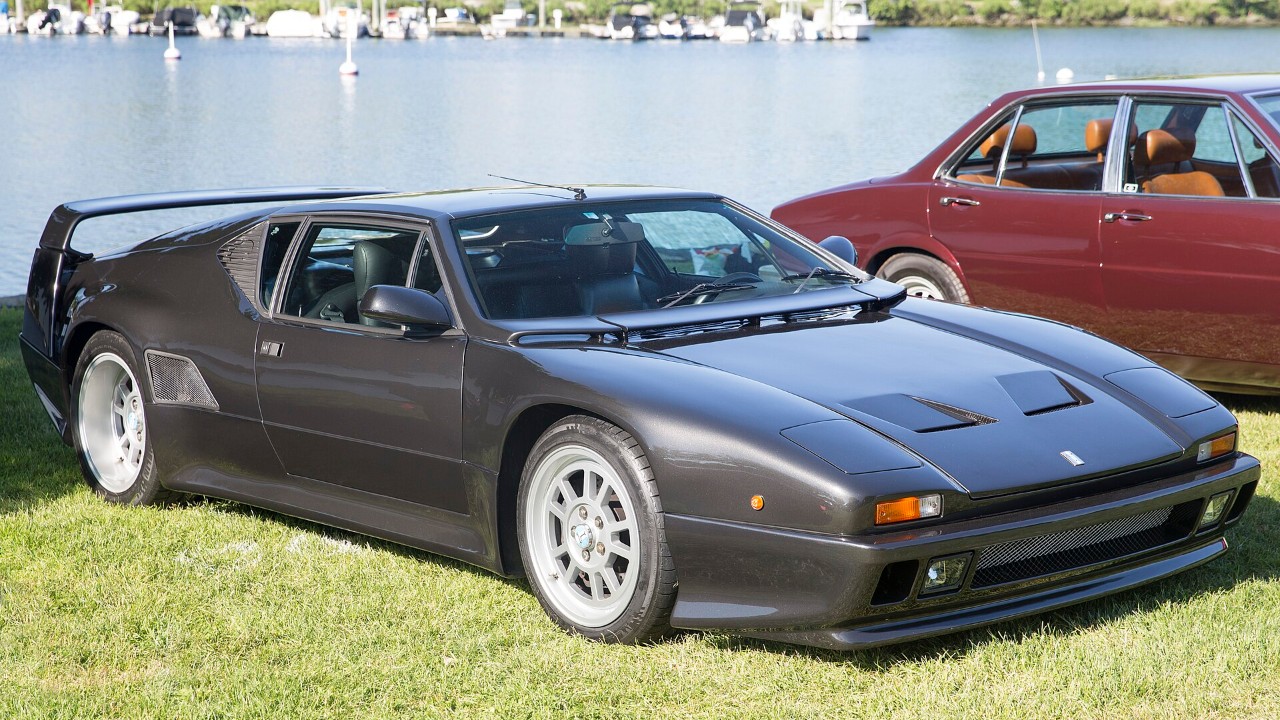
The last Pantera was a big rework, not a facelift. First, Marcello Gandini updated the styling. Underneath, a largely tubular frame replaced the old monocoque, and an all-new suspension went in as well.
According to the DeTomaso Drivers Club’s Pantera Si history, De Tomaso made “perhaps only 41 cars” before production ended in 1993. Four of them became targa models during construction. Power then came from a modified 5.0-liter Ford V8 with computer-controlled port fuel injection, starting with the 1991 cars. Most cars used a ZF five-speed transaxle, while two got a Getrag six-speed.
2. 1993–2004 De Tomaso Guarà
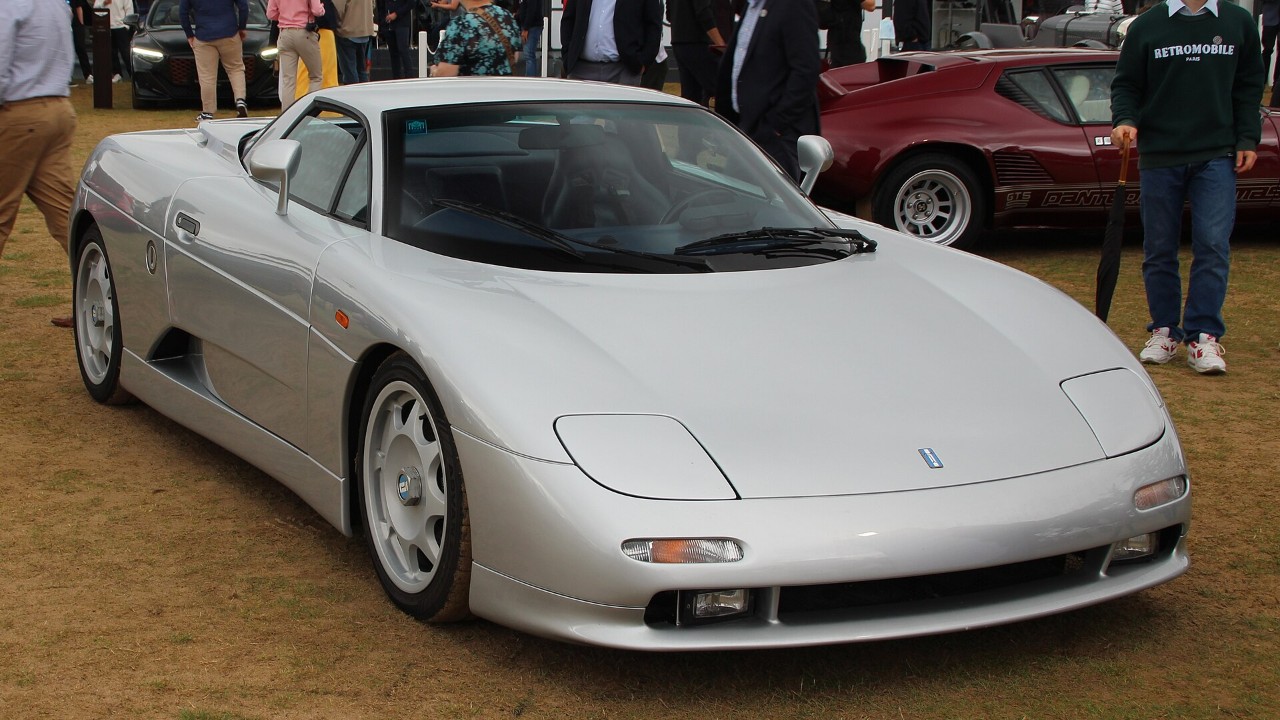
The Guarà was the final project to come out of the De Tomaso factory in Modena. It began as the Maserati Barchetta Stradale, a 1991 prototype race car. Carlo Gaino styled it under the Synthesis Design name, and it debuted at the 1993 Geneva Motor Show.
The club’s Guarà page puts production at an estimated 50 cars, with the first built in 1994. Buyers could choose a coupe, a spider or an open barchetta. At first, the cars used BMW’s 4.0-liter M60 V8 from 1993 to 1998. After that, a Ford V8 took over through 2004, always with a six-speed Getrag transaxle.
3. 1963–1965 De Tomaso Vallelunga
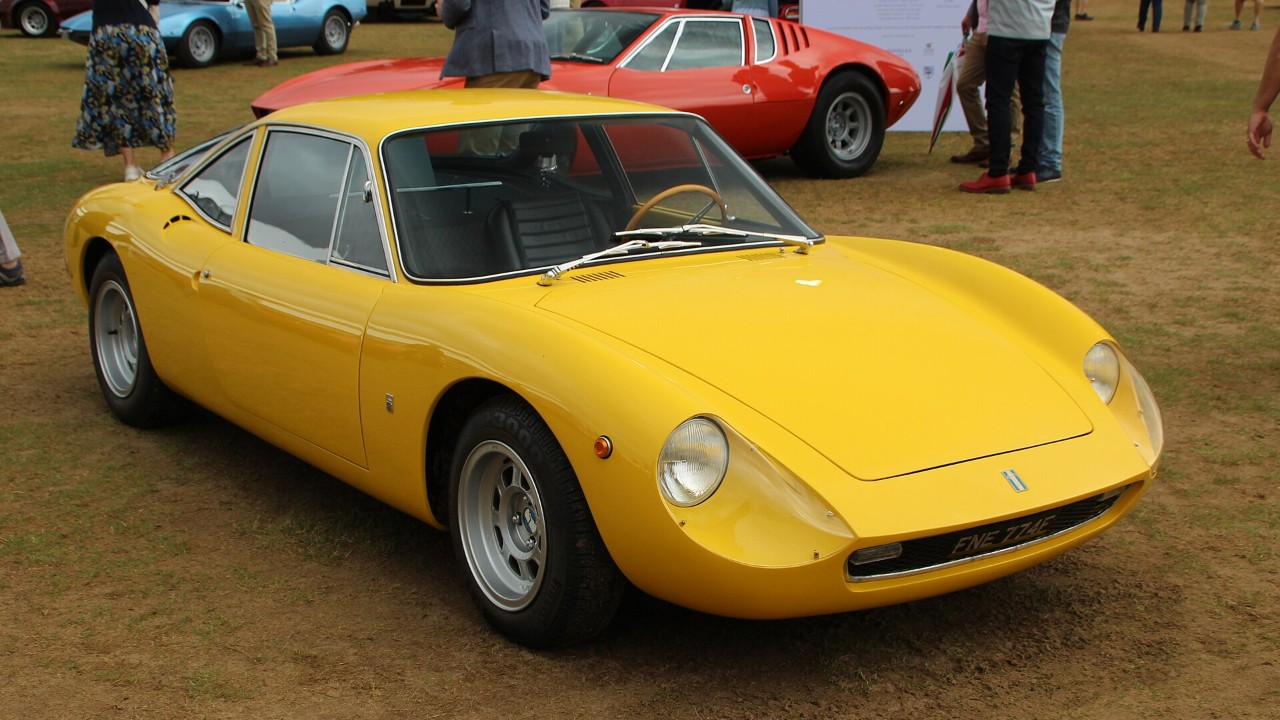
The first De Tomaso road car took its name from the Vallelunga circuit near Rome, where Alejandro de Tomaso did much of his testing. It first appeared as an open car at the 1963 Turin Salon. However, Hagerty notes that the open roadster stayed a one-off.
Hagerty UK reports that Ghia had made just 50 by the time the last car left in 1965. On top of that came three aluminum-bodied prototypes and five alloy-bodied competition cars. That’s why it edges past the Guarà here. Power came from the 1,498 cc Ford Cortina 1500GT four with 105 bhp, and the car weighed only 700 kg.
4. 2019 De Tomaso P72
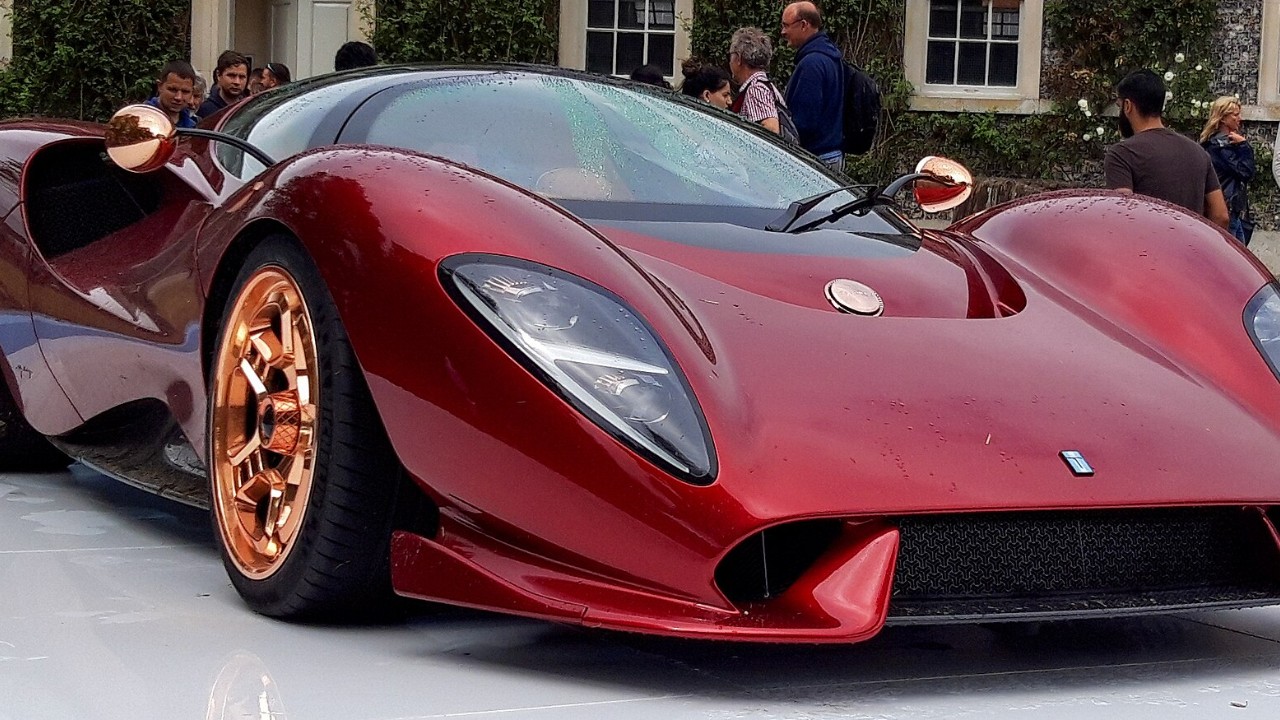
The revived De Tomaso brand unveiled the P72 at the Goodwood Festival of Speed on July 4, 2019. It marked the marque’s 60th anniversary. Its shape also pays homage to the P70, a De Tomaso prototype racer from the 1960s.
Goodwood’s premiere announcement said De Tomaso would build only 72, at around €750,000 each. It also noted that the car shares its carbon-fiber monocoque with the Apollo Intensa Emozione. Later, The Drive reported in January 2024 that production would begin that year, with a supercharged Ford V8 in the middle. So 72 is the planned run, not a confirmed count of delivered cars.
5. 1971–1985 De Tomaso Deauville
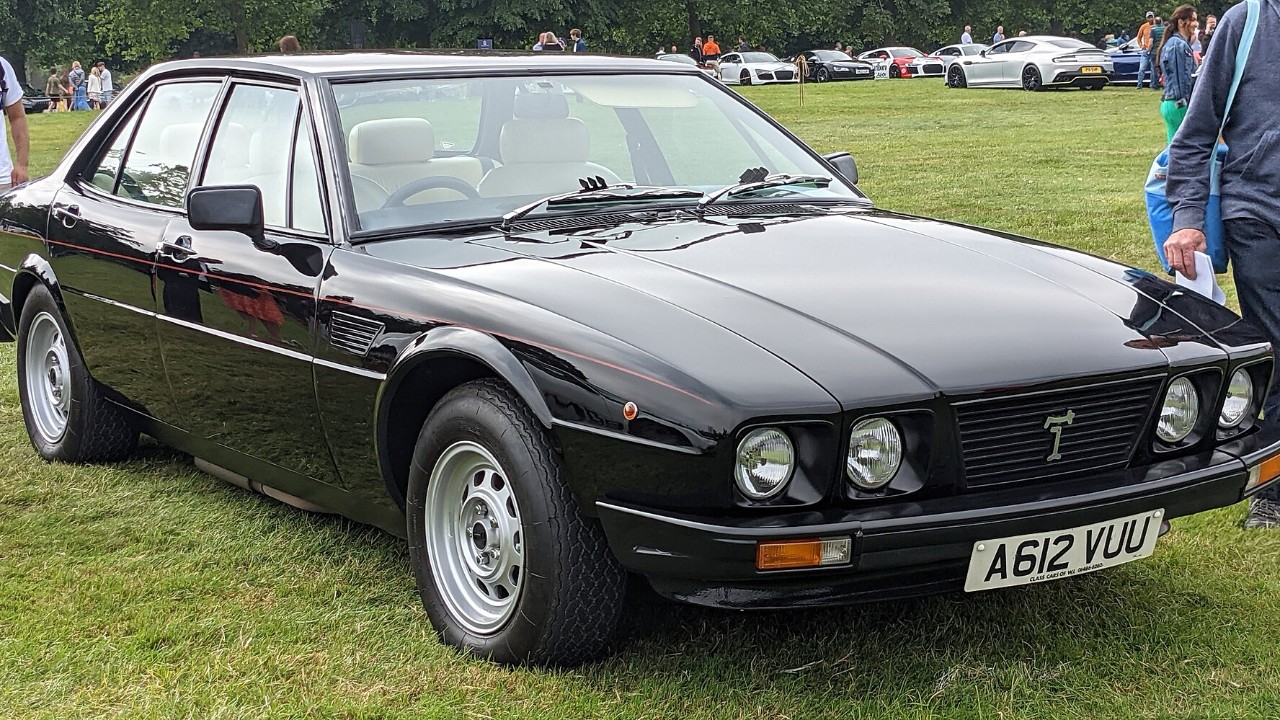
De Tomaso also built a four-door sedan. Tom Tjaarda designed the Deauville, which appeared at the 1970 Turin Motor Show. Its styling drew comparisons with the Jaguar XJ, and some called it “a Jaguar built in Italy.”
The club’s Deauville history counts approximately 244 cars across Series 1 and Series 2. In fact, the club calls it the second-rarest production De Tomaso. Every Deauville used the 5.8-liter Ford Cleveland V8 with a Ford C6 three-speed automatic. A 1984 station wagon conversion remained a one-off.
6. 1967–1971 De Tomaso Mangusta
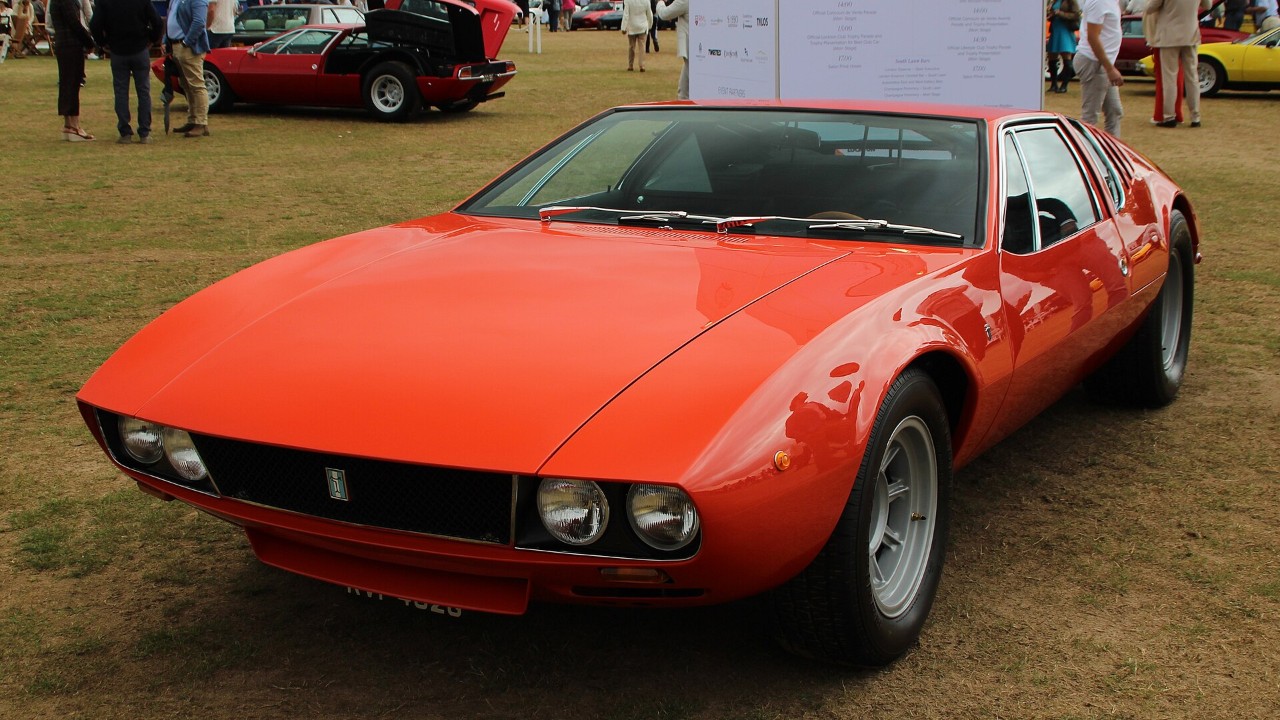
Giorgetto Giugiaro first drew the Mangusta’s body for Iso, which turned it down. Ghia then built it for De Tomaso, alloy gullwing panels and all. The car first appeared at the 1966 Turin Show. Its chassis descended from the 1965 “70P” sports prototype.
The club’s Mangusta page estimates production at 401 cars, and Wikipedia’s De Tomaso entry gives about 400. A Ford V8 sat behind the cabin, driving through a ZF five-speed transaxle with a limited-slip differential. Campagnolo also supplied the cast magnesium wheels. The name, according to the club, grew out of a joke with Carroll Shelby.
7. 1972–1986 De Tomaso Longchamp
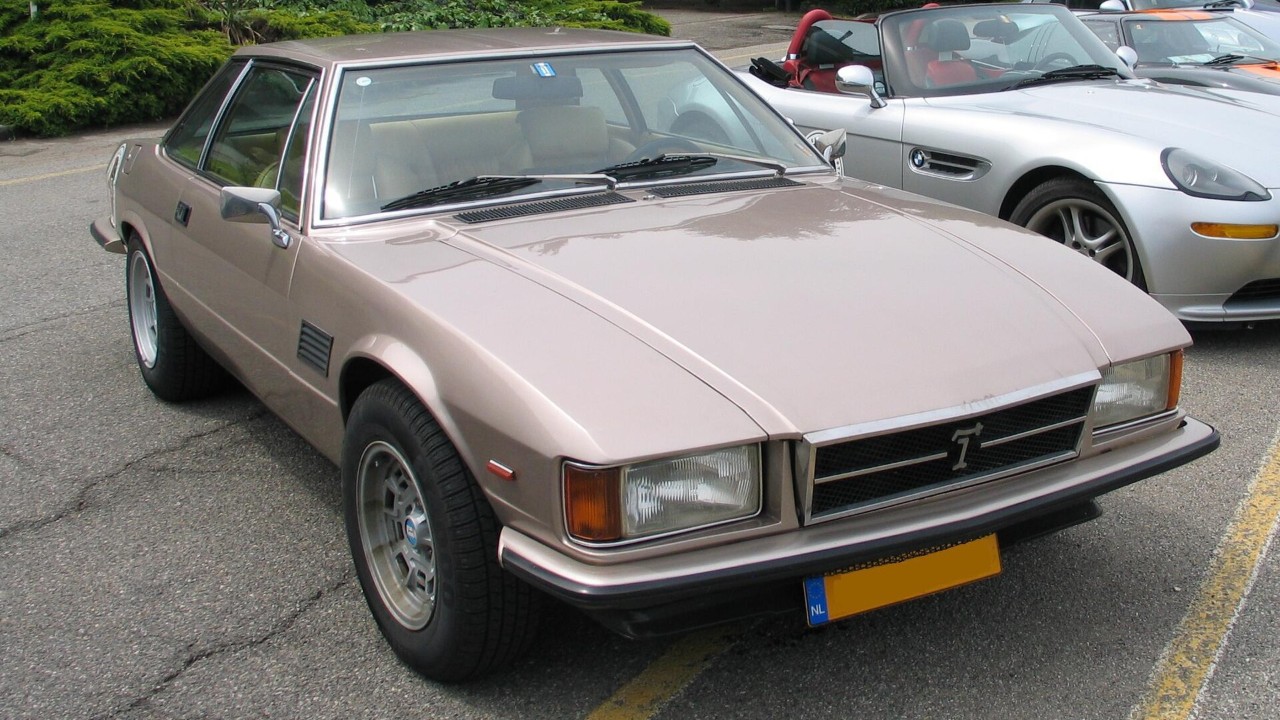
The Longchamp turned the Deauville into a two-door grand tourer. Tom Tjaarda designed it on a shortened version of the sedan’s chassis. It made its debut at the 1972 Turin Motor Show, with Series 1 production starting in 1973.
The club’s Longchamp history puts the total at approximately 410, while its summary list gives an estimated 409. Only 16 were convertibles, and Carrozzeria Pavesi of Milan showed a Spyder in 1980. Meanwhile, most cars paired the 5.8-liter Ford Cleveland V8 with a three-speed Ford automatic. Still, about 17 got a ZF five-speed manual.
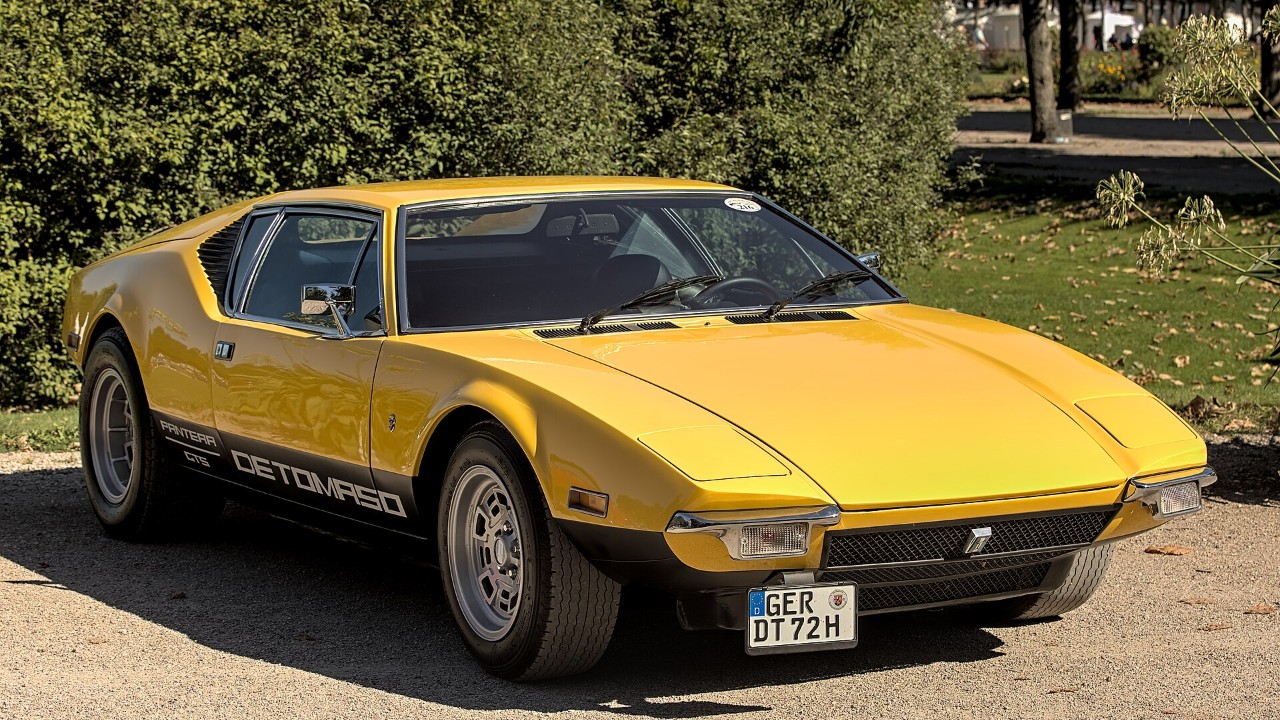
8. 1971–1993 De Tomaso Pantera, the production leader
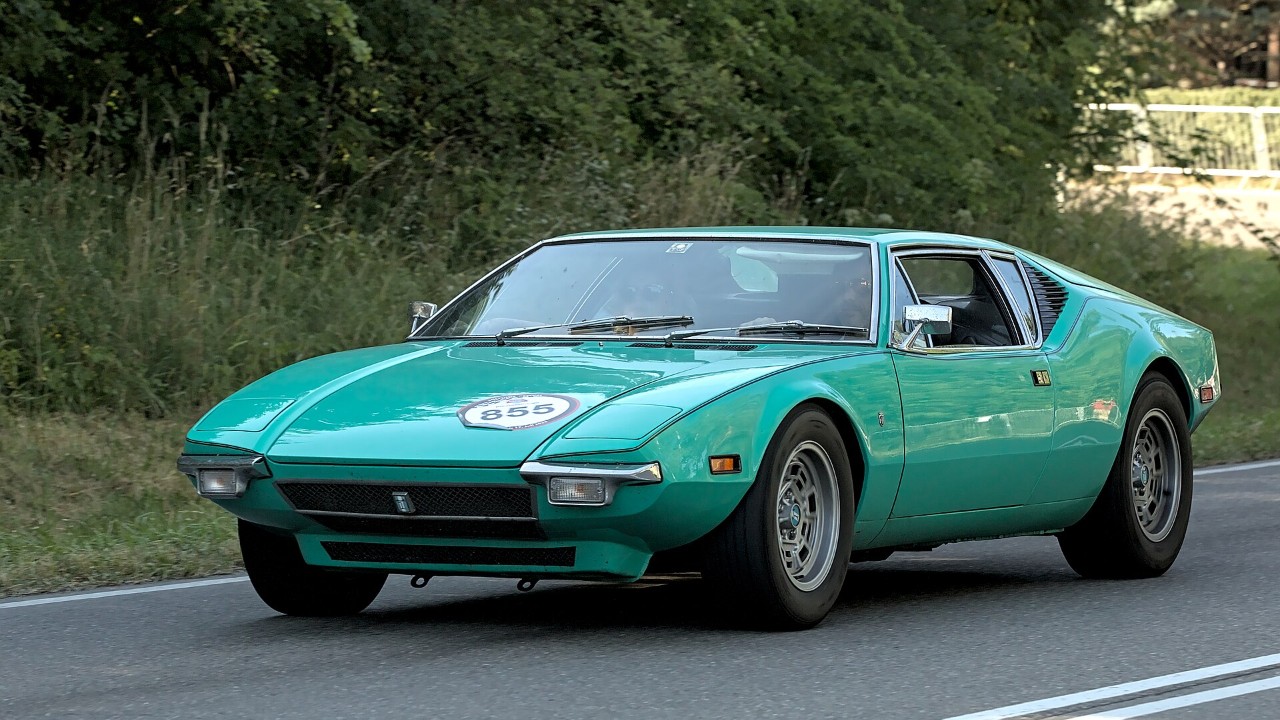
The Pantera debuted in Modena in March 1970, then appeared at the New York show a few weeks later. Tom Tjaarda of Ghia styled it, and he also designed the Deauville and Longchamp. The first production cars followed in 1971, and Ford’s involvement improved the body panels through precision stamping.
According to the DeTomaso Drivers Club, De Tomaso had sold over 3,000 by the end of 1972. However, its estimate for the whole run is about 7,260 cars. The club lists the 1971-spec engine as the 5.8-liter Ford Cleveland V8. As a result, one model accounts for more De Tomaso production than the other seven cars here combined.
More from Fast Lane Only
- Unboxing the WWII Jeep in a Crate
- 15 rare Chevys collectors are quietly buying
- 10 underrated V8s still worth hunting down
- Police notice this before you even roll window down
This article was created with the help of AI and was reviewed and edited by Fast Lane Only editors before publication.