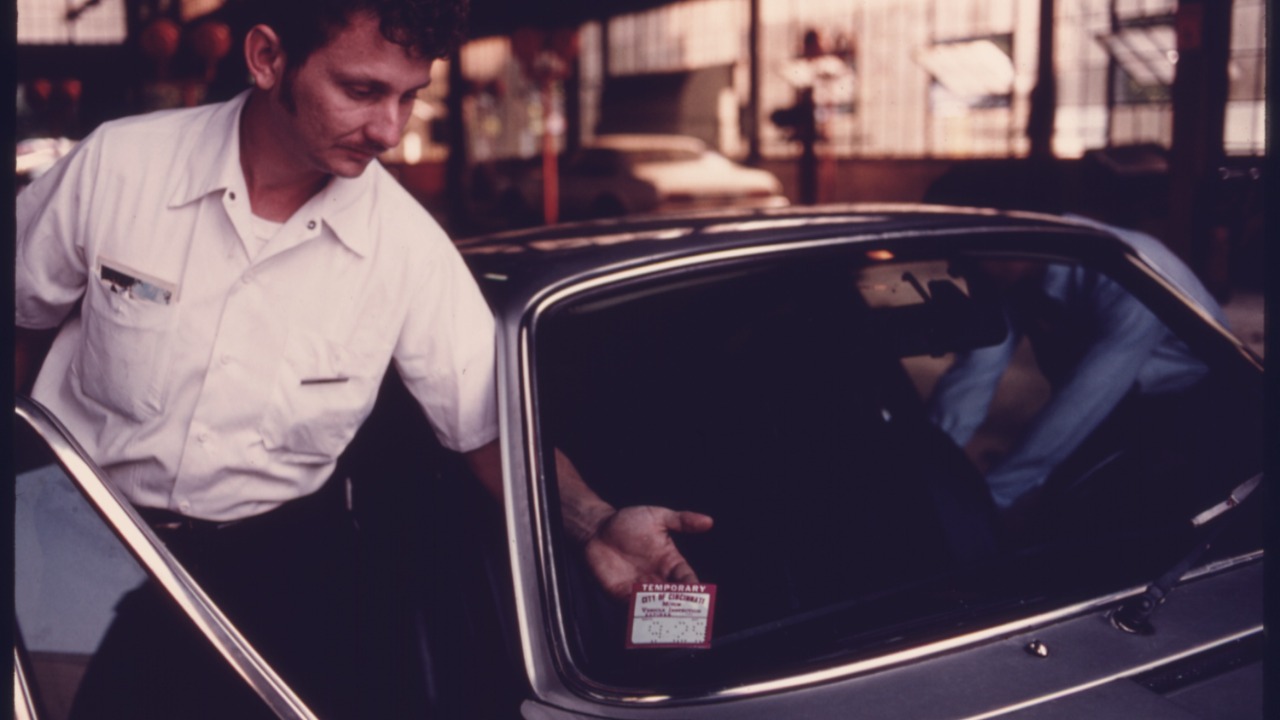
It started the way a lot of used-car stories start: a decent-looking vehicle, a quick test drive, and a reassuring line from the dealer that it had “passed inspection.” No drama, no red flags, just a routine purchase with the kind of confidence you get when someone says the paperwork’s already handled. Then the new owner glanced at the inspection sticker on the windshield and felt that little mental record-scratch.
The sticker didn’t match the story. The date was off, the details looked odd, and the more it was stared at, the more it raised that uncomfortable question: was the car actually inspected, or was someone just hoping nobody would look too closely?
A Sticker Is Small, but It’s Not a Suggestion
State inspection stickers are basically the “I did my homework” note for a car. They aren’t just decoration, and they aren’t a vague promise that the vehicle is “probably fine.” They’re tied to a specific inspection record, a specific time window, and in many states, a specific shop authorization.
That’s why a sticker that looks wrong—expired when it shouldn’t be, mismatched month and year, peeling like it was re-used, or showing codes that don’t line up—can be a big deal. It’s like being told a package was delivered while the tracking page insists it’s still across the country. Somebody’s mistaken, or somebody’s bluffing.
The Moment Things Don’t Add Up
According to consumer advocates, this kind of issue often comes to light in the most ordinary way: someone goes to register the car, renew plates, or get insurance, and a clerk or agent squints at the sticker. Sometimes it’s the new owner who notices the month doesn’t make sense. Sometimes it’s a mechanic who spots an inspection label that looks like it’s been “encouraged” to stick around longer than it should.
Either way, the vibe shifts fast. A car sale is supposed to feel like checking off a list—price, title, keys, done. When the inspection story collapses, it turns into a scavenger hunt for what else might be off.
What “Passed Inspection” Can Actually Mean
Here’s where it gets tricky: “passed inspection” can be used loosely, even when the speaker thinks they’re being honest. Some dealers mean it passed a basic safety check performed in-house, not the official state inspection. Others mean it “would pass” if taken in, which is a bit like saying a cake “would be delicious” if it were baked.
And sometimes it does mean the official state inspection—just not recently, or not for that exact vehicle, or not with the paperwork properly recorded. That’s why the sticker matters. It’s the state’s way of saying, “Yep, this was actually done,” not “Sure, sounds good.”
How a Bad Sticker Turns into a Real Problem
An incorrect or suspicious sticker isn’t just an aesthetic issue. In many states, driving with an expired inspection can lead to tickets, trouble registering the car, or a failed emissions compliance check that blocks renewal. Even if enforcement varies, the risk tends to show up at the worst time—like when the car is parked on a busy street or when registration is due.
There’s also the bigger concern: why didn’t it pass? If the car truly hasn’t been inspected, the missing step could be hiding brake wear, bald tires, malfunctioning lights, an emissions issue, or other safety problems that aren’t obvious on a quick test drive. Not every missed inspection is hiding a disaster, but nobody wants to find out the hard way that “it’s fine” was doing a lot of heavy lifting.
What Buyers Can Check in About Five Minutes
If a car is advertised as inspected, a few quick checks can save a lot of headaches. First, look at the sticker and read it like you’re looking for a typo on a contract: expiration date, month/year alignment, and whether it appears tampered with or partially removed. If it’s crooked or bubbling, that doesn’t automatically mean fraud, but it’s worth asking about.
Second, ask for the inspection report or receipt, not just a verbal promise. Many legitimate shops provide a printed document showing what was checked, the date, and the facility information. If the response is vague—“we don’t have that” or “we’ll find it later”—that’s your cue to pause.
Third, check whether your state offers an online verification tool. Some do, some don’t, and some require a VIN lookup through a specific portal. If verification is available, it’s one of the easiest ways to confirm whether an inspection record actually exists and when it was performed.
What to Do If the Sticker Doesn’t Match the Dealer’s Story
If you spot a mismatch before buying, you’ve got leverage. Ask the dealer to complete a fresh state inspection before the sale and put it in writing, with the report. A reputable dealer will usually do it without much fuss, because it’s a clean way to remove doubt and close the deal.
If you spot it after buying, start by documenting everything: photos of the sticker, screenshots of the listing, and any texts or emails where the inspection claim was made. Then contact the dealer promptly and keep the conversation in writing. The goal isn’t to start a fight—it’s to create a clear record that the inspection status was part of what you were told you were buying.
Depending on the state and the sales contract, options can include having the dealer pay for a proper inspection and required repairs, or working through a consumer protection or motor vehicle agency if there’s evidence of misrepresentation. If the sticker appears counterfeit or altered, that’s more than a customer-service issue. In many places, that’s the kind of thing regulators and law enforcement take seriously, because it undermines the whole inspection system.
Why This Keeps Happening
Used-car sales move fast, and a lot of transactions happen when people are busy, stressed, or juggling transportation needs. Dealers know buyers want reassurance, and “it passed inspection” is a comforting sentence that sounds official even when it’s not. Add in the fact that inspection rules vary by state, and it’s easy for confusion to masquerade as confidence.
There’s also a basic human factor: most people don’t expect a sticker to be the plot twist. You’re thinking about the engine sound, the price, whether the heat works, and if the trunk smells weird. The idea that the tiny square on the windshield might be the thing that tells the truth isn’t exactly intuitive—until it is.
A Small Lesson with a Pretty Practical Upside
The upside of all this is that inspection status is one of the easiest parts of a car’s story to verify. It’s not like diagnosing a subtle transmission issue or predicting how a previous owner treated the suspension. It’s a record, a date, and a sticker that should line up.
So if a dealer says the car passed inspection, it’s fair to smile, nod, and then check. Not because you’re suspicious by default, but because the sticker is one of the few things on the car that’s designed to be read by regular people. And when it tells a different story, it’s worth listening.
More from Fast Lane Only
- Unboxing the WWII Jeep in a Crate
- 15 rare Chevys collectors are quietly buying
- 10 underrated V8s still worth hunting down
- Police notice this before you even roll window down
*Research for this article included AI assistance, with all final content reviewed by human editors.