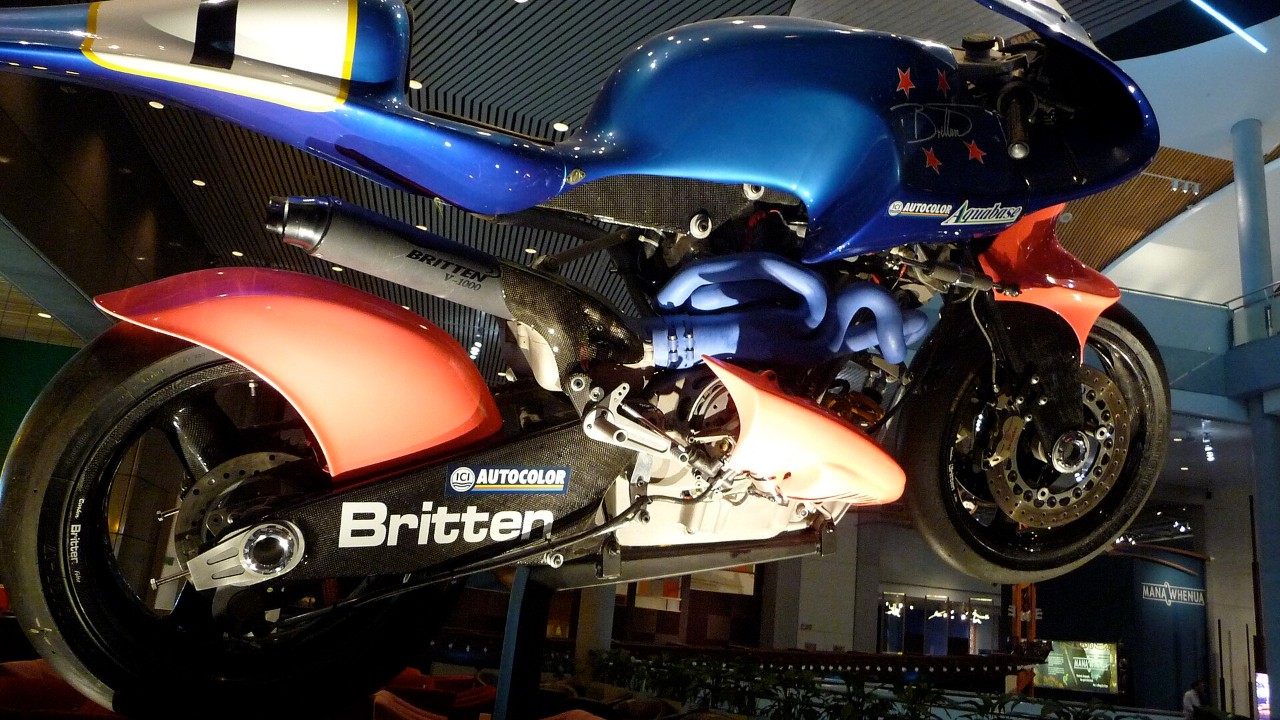
John Britten’s small team in New Zealand built only 10 examples of the Britten V1000, and several of them now sit in museums. Numbers like that explain a lot about the rare V-twin motorcycles collectors chase. When a factory builds a few dozen machines, or a few hundred, the chance of one crossing the block in any given year is small.
Not every bike here is that scarce, though. Some sold in the thousands, yet the clean, original examples have mostly gone into long-term collections. Others came from tiny makers that closed before most riders ever saw a showroom.
These nine are our picks for the rare V-twin motorcycles we think you’ll struggle to find at auction. The verdict is our opinion. The production figures, specs and sale prices behind it come from museum records, marque histories and auction reports, and we’ve ordered the list by age.
1. 1934 Brough Superior 11-50
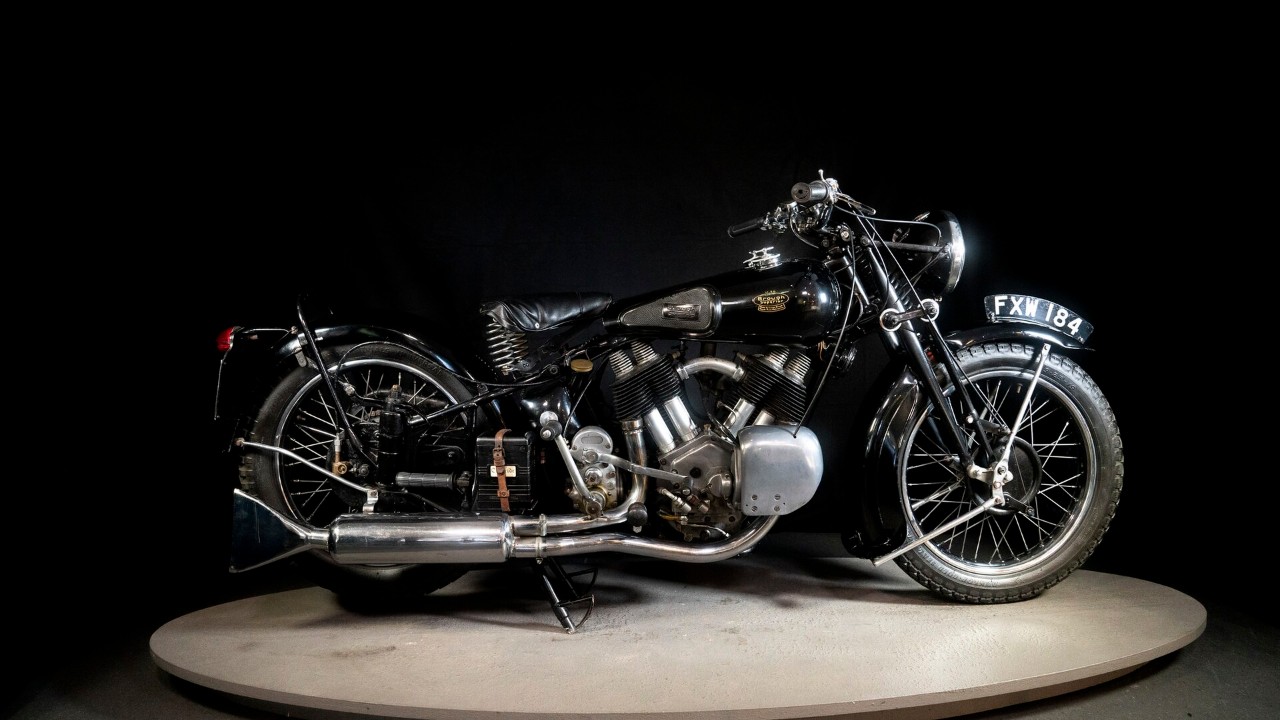
George Brough built the 11-50 at the request of police forces in Britain, Australia and Canada. According to the National Motorcycle Museum, it ran from 1933 to 1939, with about 308 made in total. Only 73 left the Nottingham works in the first year. Brough personally certified every machine before it left the factory.
Power came from a JAP 60-degree side-valve V-twin of 1,096cc. The name itself is a small joke on the spec sheet. The museum explains that the British tax rating was 11 horsepower, while the sales literature claimed 50. In reality, the specifications list about 32 horsepower, and the truth sat somewhere between the two claims.
Our take: this is the Brough most people forget, because the overhead-valve SS100 gets the headlines. Yet the 11-50 was a torquey, sidecar-friendly tourer with attachment points built into the frame. With roughly 300 built over seven years, a good one rarely comes to market. If you find one, check the frame’s sidecar mounting points first, because that was the job it was made for.
2. 1955 Vincent Black Prince
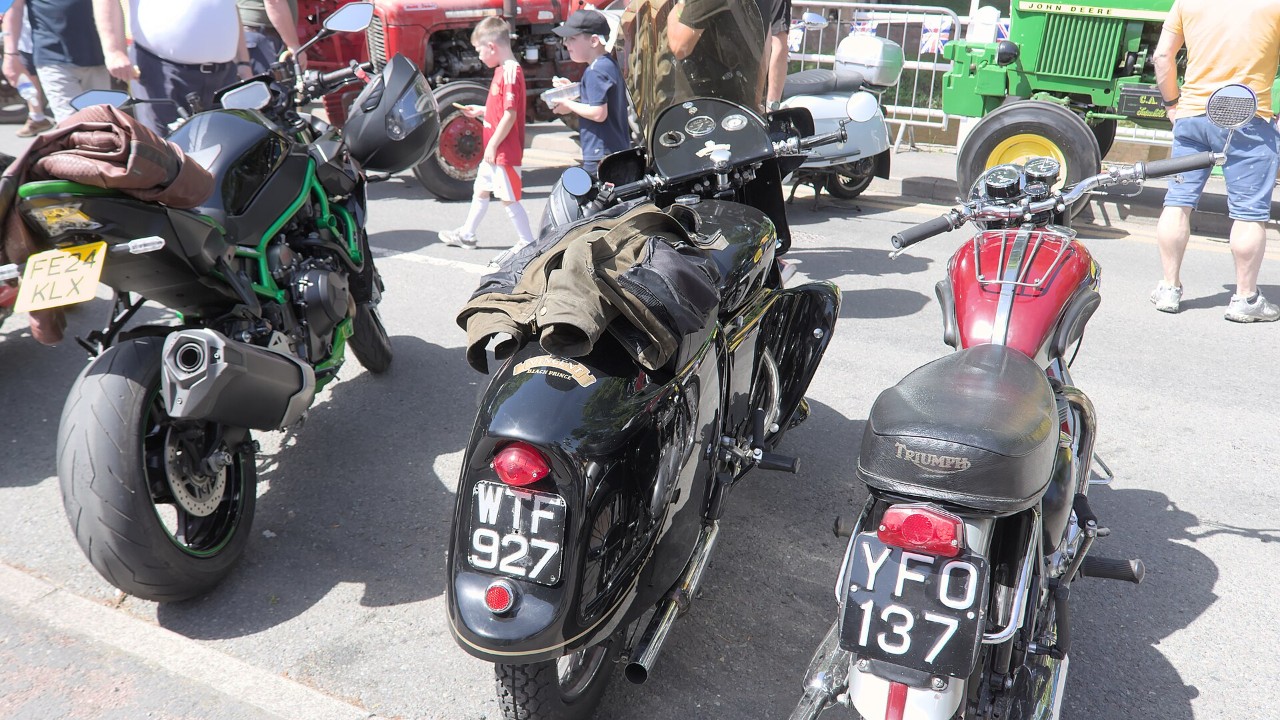
The Black Prince was Vincent’s last big idea. It took the Black Shadow‘s 998cc V-twin and wrapped it in glass-fibre bodywork. That shell included leg shields, a handlebar fairing and an enclosed rear section. The engine made 55 bhp at 5,750 rpm in this form.
Vincent aimed it at riders who wanted to arrive at work clean. Unfortunately, the timing was terrible. The company’s accountants found Vincent lost money on every Black Prince it sold. Then, in December 1955, the last Vincent left the Stevenage line. According to Classic Driver, Vincent built just 132 Black Princes, out of 6,852 Vincent V-twins in total.
Our take: the Black Prince is the rarest way to own a Shadow engine, and that matters to collectors. Classic Driver notes that a dismantled example sold for £91,100 at Bonhams in 2014, then a world record for the model. That was a box of parts, which tells you how seldom a complete one changes hands. In other words, if a running Black Prince ever comes up, expect serious competition.
3. 1979 Ducati 900 Mike Hailwood Replica
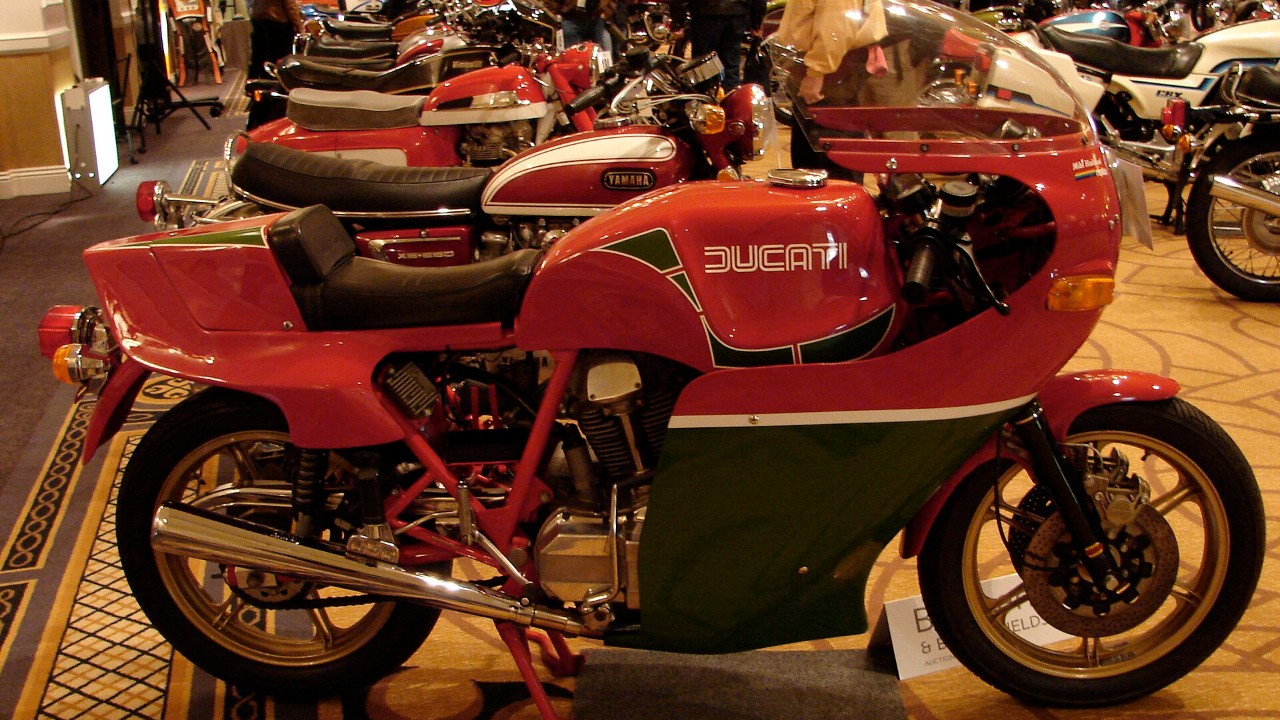
This bike exists because of one race. In 1978, Mike Hailwood rode a Ducati 900SS to a hugely popular comeback win in the Formula I class at the Isle of Man TT. Ducati answered with a road bike in his race colors. According to Silodrome, the MHR used the 900SS’s air-cooled L-twin with bevel-driven overhead cams, and it made 76 horsepower.
To be fair, the MHR is not rare by production. Silodrome says Ducati sold more than 7,000 between 1979 and 1986. That makes it the most common bike on this list by a wide margin.
So why is it here? Our take: early, unmodified examples are the ones that count. A first-year 1979 bike with its original bodywork is the version we’d hunt for, and that pool is far smaller than the seven-year total. If you’re shopping, pay for documentation and originality rather than shine. For more bikes with a racing story behind them, our list of motorcycles that changed the open road is a good next read.
4. 1982 Honda CX500 Turbo
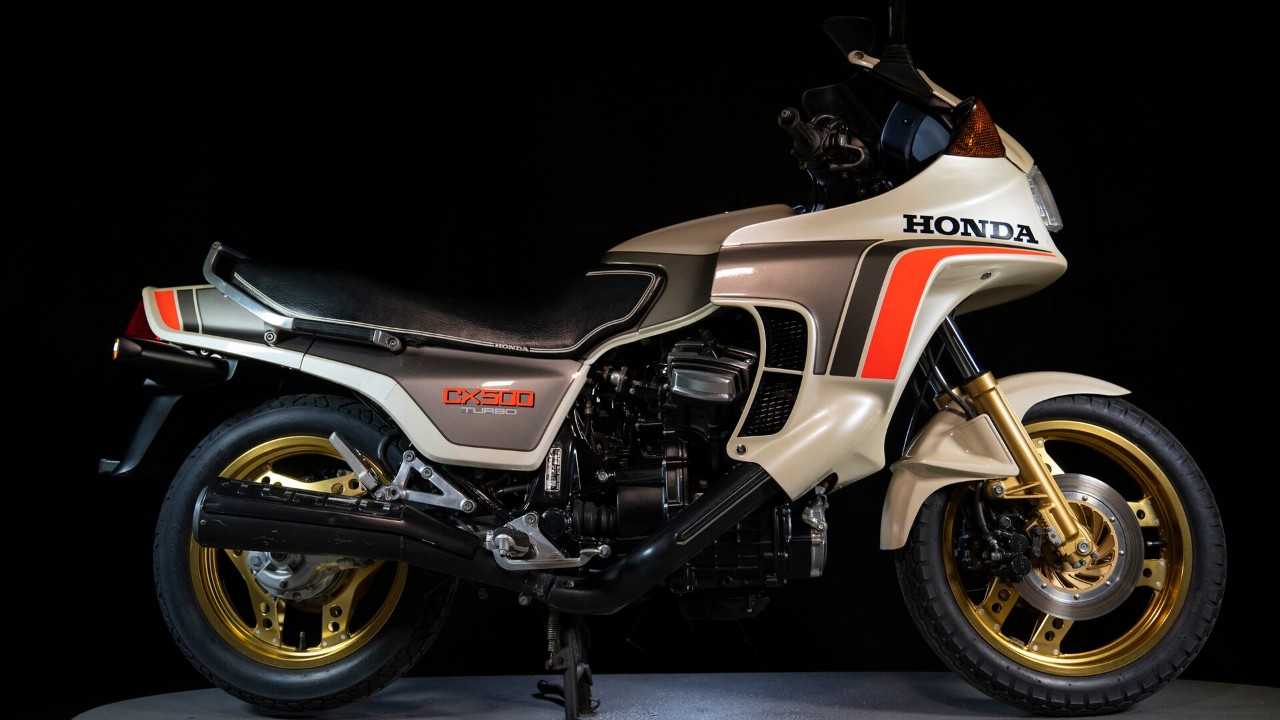
Honda’s CX500 Turbo was a showcase. It took the longitudinal 80-degree CX V-twin and added an IHI turbocharger, mounted at the front with no intercooler. According to Silodrome, it made 82 horsepower at 8,000 rpm and could top 120 mph. That was serious performance from a 500cc-class twin in 1982.
Honda kept it in production for just one year, 1982. Then the CX650T replaced it, and that bike also lasted only one year. Silodrome estimates about 7,000 examples of the two models combined. By comparison, that is about the same as the Ducati MHR sold over seven years, yet Honda squeezed it into two short model runs.
In our view, the CX500 Turbo is a collectible for people who like engineering. It was a one-year model with a full fairing and a turbo system unlike anything else Honda sold. That’s why a running, original, well-kept example is the one to want. Buy one only with service records, because a complex bike from 1982 is only as good as the care it has had.
5. 1985 Bimota DB1
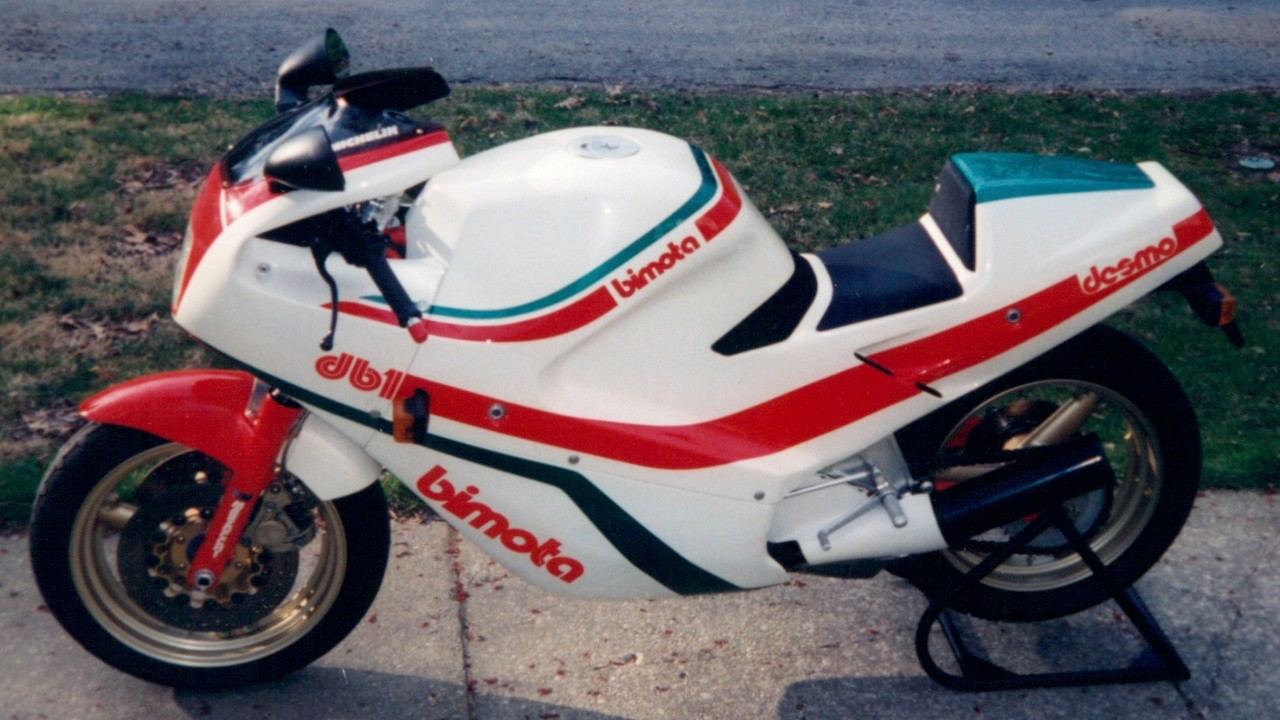
The DB1 saved Bimota during a difficult period. Its chief engineer, Federico Martini, designed the bike around Ducati’s 748cc air-cooled V-twin from the 750 F1. According to Hagerty UK, it made a claimed 76 bhp at 9,000 rpm and weighed 161kg dry. That was 14kg lighter than the Ducati that supplied its engine.
The bodywork was the showpiece. Two large pieces of curved glass-fibre wrapped around the engine and frame, with the fairing and seat formed as one unit. At £7,495 in Britain in 1986, the DB1 cost 40% more than a 750 F1. Even so, it sold more than 650 units over its run. Later versions added power, too: the DB1 SR made 82 bhp, and the DB1 R race bike made 92 bhp.
Our take: the DB1 is one of the prettiest bikes of the 1980s, and its numbers are small enough to keep it scarce. It also marks the moment Bimota and Ducati twins became a natural pair. If you find one, check the bodywork closely, because that two-piece shell is the whole point of the design.
6. 1988 Ducati 851 Tricolore
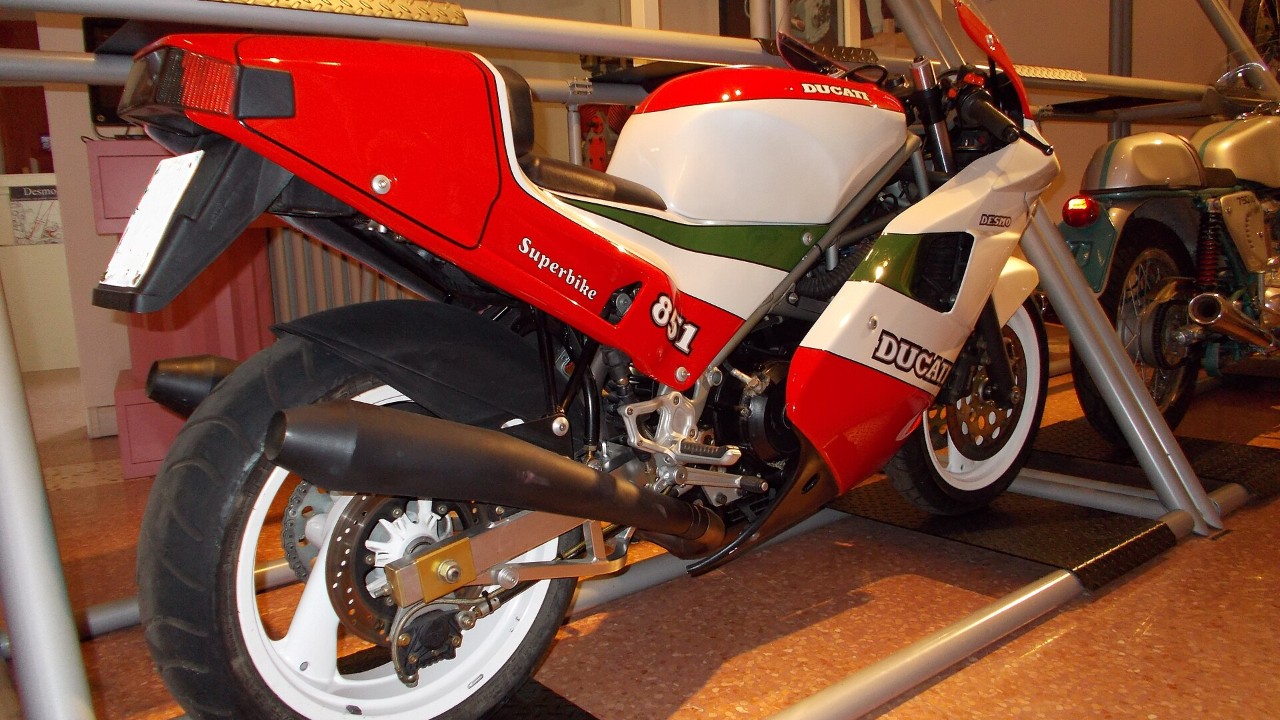
The 851 changed Ducati. Its Desmoquattro engine had liquid cooling, four-valve desmodromic heads and Weber Marelli fuel injection. According to Motorcycle Specs, the 1988 Superbike Kit version made 120 horsepower. Ducati built just 207 of those hand-made kit bikes, and only about 20 came to the U.S.
The racing record arrived fast. Marco Lucchinelli rode the factory 851 to overall victory at the first World Superbike race, at Donington Park on April 3, 1988. Later, Ducati won the 1990 World Superbike title with the same family of bikes. The engine’s roots went back to Massimo Bordi, who had written his engineering thesis on a four-valve desmodromic head before he joined Ducati in 1978.
In our view, the Tricolore is the start of everything Ducati became in the 1990s. With so few built, originality and paperwork matter. Bonhams sold a kit bike for $28,750 in Las Vegas in 2015, according to a listing summary at Bike-urious. That price came well before the current interest in early superbikes, and we expect values to keep rising.
7. 1991 Britten V1000
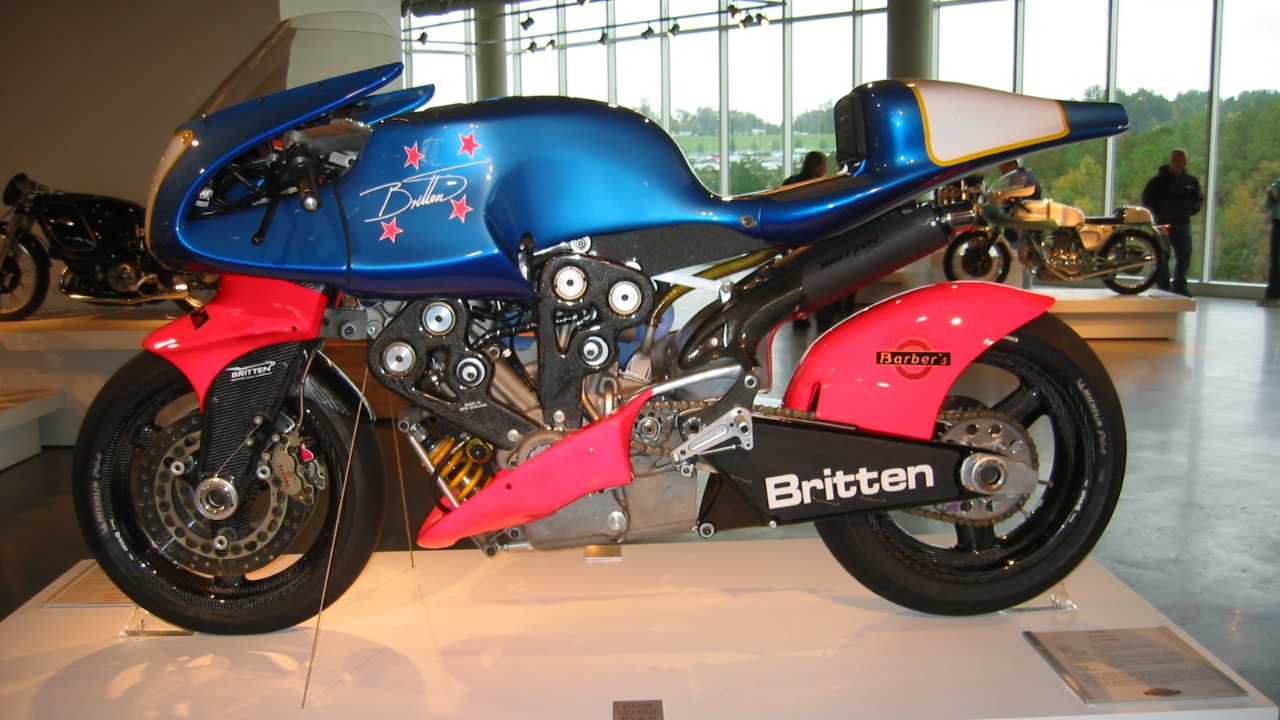
John Britten and a small group of friends built the V1000 in Christchurch, New Zealand. In the end, the team produced only 10. Each one used a water-cooled 999cc, 60-degree V-twin with four camshafts, rated at 166 horsepower at 11,800 rpm. Much of the chassis, swingarm and even the wheels used carbon and Kevlar composites.
The results were remarkable for a privately built bike. On December 4, 1993, Jon White set an FIM world flying-mile record for bikes under 1,000cc at 188.092 mph. The Britten also won Battle of the Twins races at Daytona and at Assen. At the same time, it weighed just 138kg wet, according to its published specifications, so the power had very little to push.
Our take: there is no realistic way to treat the Britten as a normal collectible, because the numbers are simply too small. With 10 built and several in museums and long-held collections, a sale is a once-in-a-generation event. It’s on this list because it shows what one determined engineer could do with a V-twin. Every one is a piece of history, not just a motorcycle.
8. 1997 Moto Guzzi V10 Centauro
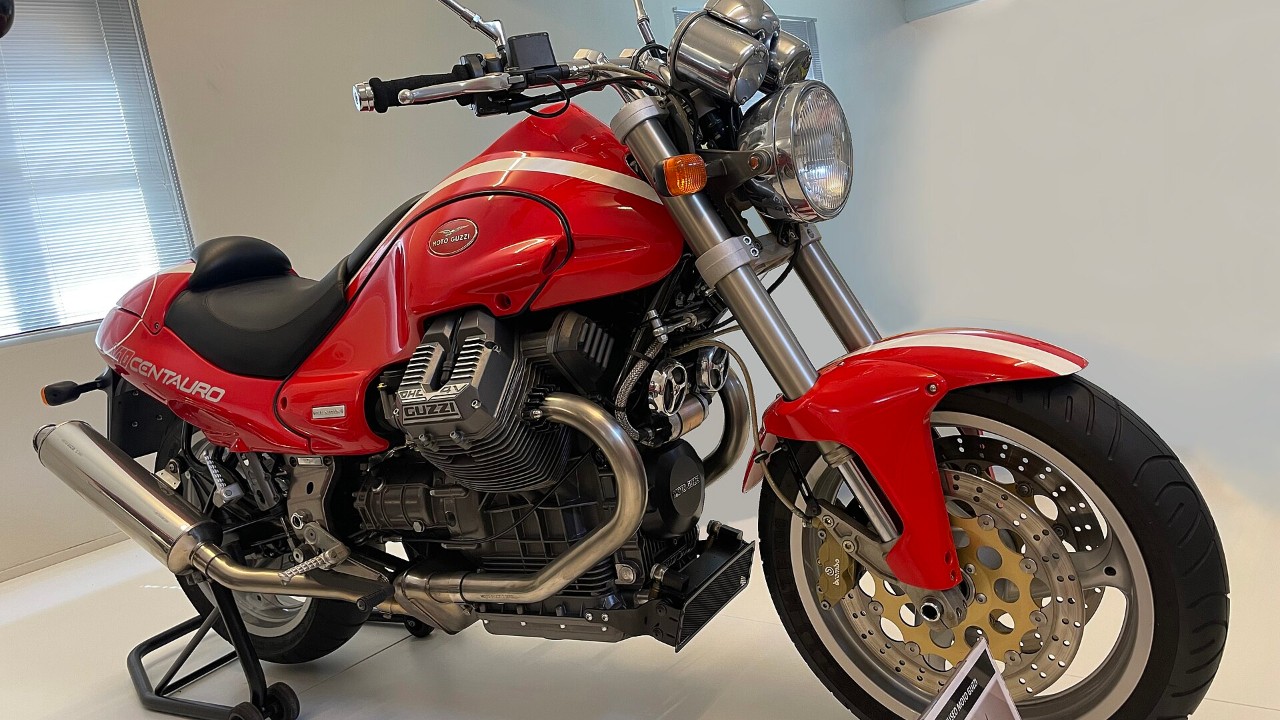
The Centauro is the odd one out from Mandello del Lario. Moto Guzzi showed it at the Milan Show in 1995, and production began the following year. According to Cybermotorcycle, it used a 992cc, 90-degree V-twin with four valves per cylinder. The engine made 90 horsepower at 8,200 rpm.
Luigi Marabese styled it, and the look split opinion. Production totaled 207 bikes in 1996 and 1,265 in 1997, the same source says. After that, Guzzi replaced it with updated GT and Sport versions for 1998. As a result, the original 1996 and 1997 bikes form a short, distinct first run.
In our view, the Centauro is one of the most undervalued Guzzis around. It has the four-valve engine from the sporting Daytona, wrapped in a shape that looks like nothing else. With fewer than 1,500 built in its first two years, a clean first-generation bike is a rare find. If you want one, look for a well-serviced example with its original bodywork.
9. 2001 Voxan Cafe Racer
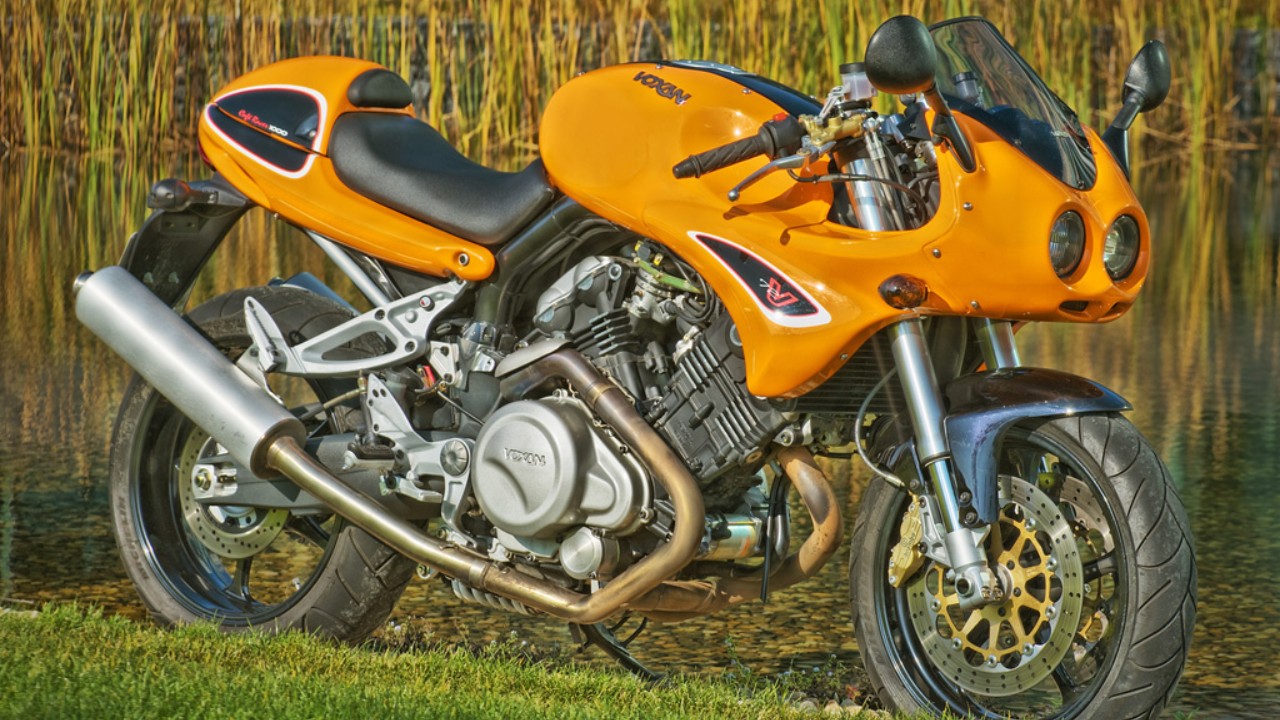
Voxan was France’s attempt at a modern V-twin brand. Jacques Gardette founded the company in Issoire in 1995. According to Motorcycle News, its 72-degree, 996cc V-twin came from Sodemo Moteurs and made 100 bhp. The Cafe Racer arrived in 2000 as the second model, after the Roadster.
Money ran short almost immediately. In 2001, Voxan laid off 80% of its 125 workers, and in 2002 new owners took over the company. Later, with a workforce of just 16, it built barely 700 bikes a year. Finally, in late 2009, the company went into liquidation.
In our view, the Cafe Racer is the best-looking Voxan and a genuine curiosity. It also shows how hard it is to start a motorcycle brand from scratch, even with a strong engine. After the liquidation, Monaco-based Venturi Automobiles bought what remained of the brand.
More from Fast Lane Only