Winter driving risk is not just about deep snow, it is about what happens to your tires when the temperature drops and the road turns slick. If you are trying to decide whether to invest in winter tires, the most useful lens is not opinion but hard data on braking distance, grip, and how rubber behaves in the cold. I want to walk through that evidence in plain language so you can decide, based on numbers and not guesswork, whether a dedicated winter set makes sense for your car and your climate.
What winter tires actually do differently
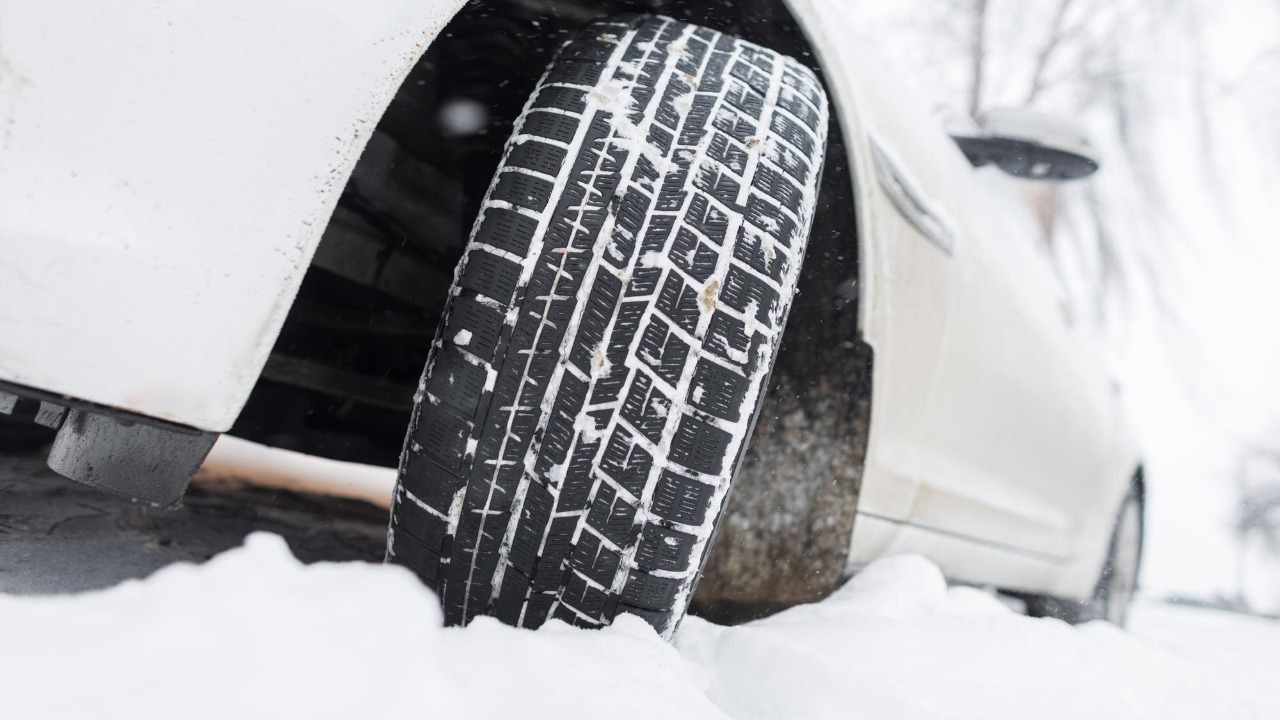
When I talk to drivers who are skeptical about winter tires, the first misconception I hear is that they are only for people who live in constant blizzards. In reality, the defining feature is not the tread pattern but the way the rubber compound is engineered to stay pliable when the thermometer drops. Technical guidance on Winter tires explains that this softer, cold-focused compound is what keeps the tire flexible in freezing temperatures, which lets the tread blocks conform to tiny imperfections in the road instead of skittering across the surface like plastic.
That flexibility is paired with aggressive siping, the small slits you see cut into each tread block, which act like hundreds of tiny squeegees. On packed snow and ice, those sipes bite into the surface and clear away the thin film of water that forms as the tire rolls, which is crucial for traction. A detailed Winter tire guide underscores that this combination of compound and tread is what allows drivers to maintain control in winter conditions that would overwhelm a typical all-season. In other words, the design is not cosmetic, it is a targeted response to physics.
The braking numbers that actually matter
The most persuasive data point for me is braking distance, because it translates directly into whether you rear-end the car in front of you at a red light. A comprehensive Key Takeaways section on Winter Tires at a Glance reports that in controlled tests, braking with proper winter tires can be up to 30 percent shorter on snow and ice. Put that into a real-world scenario: if your all-season-equipped sedan needs 100 feet to stop on a slick residential street, a 30 percent improvement means the same car on winter tires could come to rest in about 70 feet, which is the difference between stopping at the crosswalk and sliding into it.
That same Winter Tires at a Glance analysis also spells out when the advantage kicks in. The guidance on Winter Tires notes that the ideal time for the seasonal switch is when daytime highs consistently sit near the freezing mark, because that is when all-season compounds start to harden and lose grip even on dry pavement. When I weigh that against my own commute, it means I should be thinking about winter rubber not just for the occasional snowstorm, but for the long stretches of cold, damp mornings where black ice and refrozen slush are lurking even if the forecast looks tame.
Cold versus snow: why temperature is the real trigger
Another pattern I see is drivers waiting until the first big storm to panic-buy tires, which is exactly backward. Expert advice on buying winter tires stresses that you should “start with the cold, not the snow,” because the safety benefit shows up as soon as the temperature drops, regardless of whether the road is white. In a detailed set of Key Points, winter tires are described as providing superior grip and safety in cold temperatures, not just in obvious snowbanks. That means a frosty November morning on bare asphalt can still be a strong argument for a winter setup, especially if you leave for work before the sun has had a chance to warm the road.
Those same Key Points also highlight a practical detail that often gets overlooked: sizing. The recommendation is to Size down slightly for winter tires, which can improve traction by increasing the pressure each square inch of tread applies to the surface. If I am fitting a compact SUV like a Toyota RAV4 or a Subaru Forester, that might mean stepping from an 18 inch wheel package to a 17 inch winter setup with a narrower footprint. The idea is to cut through slush and snow rather than float on top of it, and the cold-focused rubber compound then does the rest of the work once that narrower tire meets the road.
How much safer are winter tires in real crashes?
Lab tests are one thing, but I always look for real-world context before recommending that someone spend hundreds of dollars. In regions with serious winters, crash investigators and insurance data repeatedly point to loss of traction as a leading factor in cold season collisions, especially at intersections and on highway ramps. A Utah focused guide that asks What Are Snow Tires Good For frames Snow tires, also known as winter tires, as being designed for one purpose, to perform better in cold weather, and it backs that up with specific crash reduction figures. When the author says “Let’s talk numbers” and walks through how many rear-end collisions could be avoided with better grip, it becomes clear why Snow tires are treated as a frontline safety tool rather than a luxury.
That same Utah analysis returns to the phrase What Are Snow Tires Good For and answers it with hard data on stopping distances and crash rates in specific canyons and valley corridors. When the piece circles back with “Let’s talk numbers” a second time, it underlines how winter tires can change the outcome of common scenarios like a sudden lane change on an icy freeway or a downhill approach to a four way stop. The author’s conclusion is that these winter tires are so valuable precisely because they turn marginal situations, where a driver might otherwise slide through a light, into non events where the car simply stops in time. For me, that kind of region specific crash data carries more weight than any marketing claim.
When the investment makes sense for your car and budget
Once you accept that winter tires work, the remaining question is whether they make sense for your particular situation. I start by looking at how many days each year my local roads sit near or below freezing, and how often I drive during those hours. The Winter Tires at a Glance overview notes that the ideal window to install and remove winter tires is tied to those temperature patterns, not the calendar, and that guidance is echoed in the detailed Glance at When to switch. If your climate gives you months of cold mornings, even with relatively light snowfall, the math starts to favor a dedicated set, especially if you rely on your car for work or school runs where delays are not an option.
Cost is the other side of the equation, and here the picture is more nuanced than it first appears. Buying a second set of tires, and possibly wheels, is a real upfront hit, but you are also effectively halving the wear on your all-season or summer set, since they sit in the garage for part of the year. A Utah oriented breakdown that asks What Are Snow Tires Good For points out that when you spread the purchase over several winters and factor in the reduced risk of collision related deductibles, the long term cost looks more like an insurance premium than a one time splurge. That framing is reinforced in the same guide’s “Let’s talk numbers” section, which details why winter tires are so valuable when you compare their price to the financial and human cost of even a single serious crash.
More from Fast Lane Only