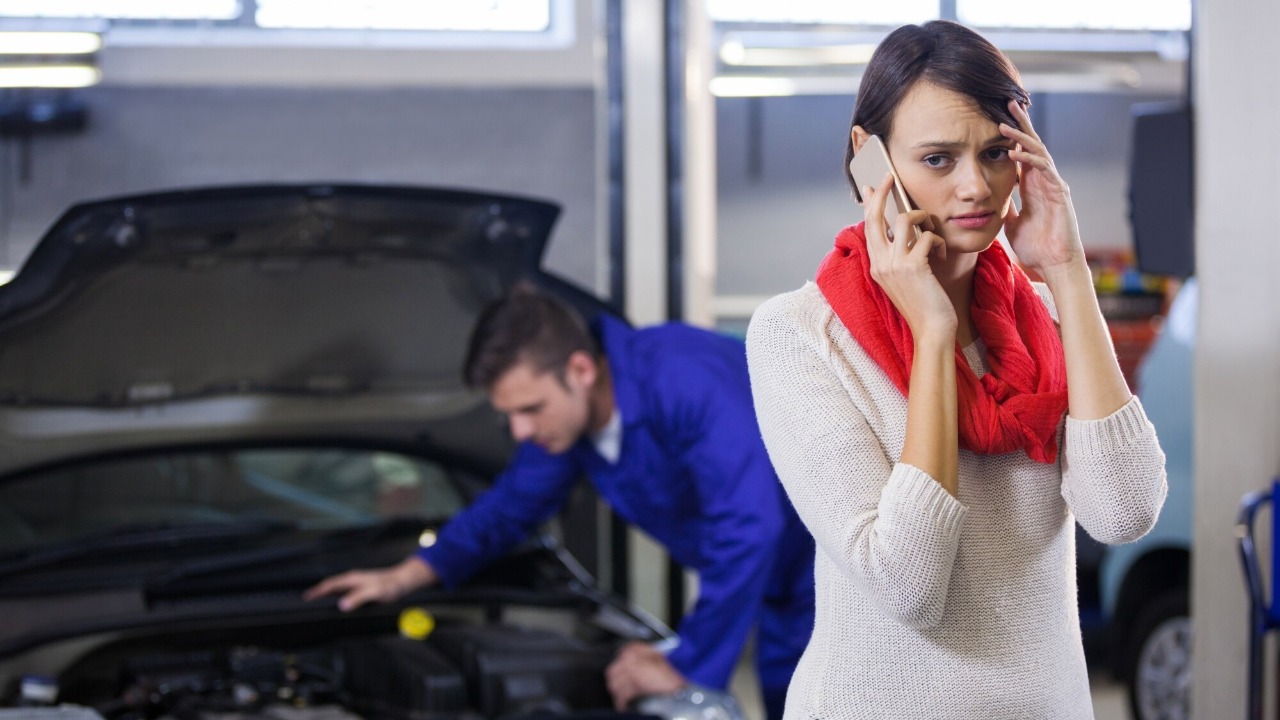
It started the way a lot of car problems do: with a weird smell and a little voice in the back of her head saying, “That’s not normal.” She noticed a sharp, chemical “burning plastic” odor inside her SUV during a short drive—nothing dramatic, just enough to make her crack a window and keep sniffing like a suspicious bloodhound. By the time she got home, the smell had faded, but the worry didn’t.
Over the next few days, it came back in bursts, especially after errands or stop-and-go traffic. Sometimes it was stronger near the dashboard, sometimes near the center console, and once it seemed to drift from the rear cabin. She did what most careful drivers would do: she called the dealership and booked an inspection.
The dealership visit that felt a little too casual
At the dealer, she explained the smell, when it happened, and how it reminded her of overheated electronics. The response, she says, was the classic shrug-in-service-advisor form: if they couldn’t smell it at that moment, it was hard to diagnose. According to her account, the SUV was checked briefly, no issue was found, and she was sent on her way.
It wasn’t just the “couldn’t reproduce” part that bothered her—it was how quickly the concern was waved off. Burning odors inside a vehicle can come from plenty of mundane things, sure, but they can also be the early warning sign of a wiring problem. And wiring problems don’t usually get better with time.
When the smell turned into a pattern
She started paying closer attention, like anyone does when their car is acting suspicious. The smell seemed more likely after she used certain features: charging a phone, running the heated seats, blasting the fan, or using accessories for a while. She also noticed subtle electrical oddities—an occasional flicker on a display, a momentary glitch with a port, the kind of thing you can talk yourself into ignoring.
Still, the burning odor kept popping up, and it wasn’t the “new car smell” anyone wants. She looked up common causes: plastic bags stuck to hot exhaust parts, spilled fluids, overheating brakes, a worn belt. But this wasn’t coming from the outside, and it didn’t smell like oil or rubber. It smelled like a toaster that lost its will to live.
A second opinion and an uncomfortable discovery
After another episode—strong enough that it made her eyes water a bit—she decided not to wait for another “we can’t reproduce it” visit. She took the SUV to an independent shop for a second opinion. This time, the technician didn’t just sniff around; they inspected areas where wiring and heat tend to mingle in unhelpful ways.
What they found, she says, was a wiring issue that looked like it had been overheating: a section of harness with damaged insulation and signs of heat exposure near an electrical connection. In plain terms, it appeared that something had been getting hot enough to start cooking the plastic coating. That’s not just a smell problem—it’s a safety problem.
Why wiring smells matter more than people think
Cars are basically computers on wheels, with a small city’s worth of wiring tucked behind panels. When a wire’s insulation is compromised—by rubbing against a bracket, a loose connector, moisture intrusion, or a faulty component—it can create resistance and heat. Heat leads to melting, melting leads to exposed conductors, and exposed conductors can lead to shorts.
And that’s where the stakes jump. Electrical shorts can blow fuses, disable systems, or in worst cases contribute to a vehicle fire. It’s not common, but it’s common enough that “burning plastic smell” is one of those symptoms you don’t want to gamble with.
What she says the dealer missed
She believes the dealership should’ve treated the complaint as a higher-priority diagnostic, even if the smell wasn’t present at drop-off. A thorough approach might include checking for stored fault codes, inspecting high-load circuits, looking for heat damage around connectors, and tracing wiring near common pinch points. Sometimes the clue isn’t an active problem—it’s a “witness mark,” like discoloration, brittle insulation, or a connector that looks a little too toasted.
She also says she wishes they’d asked more questions: Did it happen after rain? After using a charger? Only with the air conditioning? Did it come with any warning lights? The frustrating part, in her view, wasn’t just the missed diagnosis—it was feeling like she had to become her own investigator to be taken seriously.
What to do if your car smells like burning plastic
If you ever smell burning plastic inside your vehicle, the safest move is to treat it like a real hazard, even if it goes away quickly. Pull over when it’s safe, turn off unnecessary electrical accessories, and take a quick look for obvious issues like smoke, melting near outlets, or anything unusually hot. If there’s visible smoke or the smell is intense, don’t keep driving—shut the vehicle off and get help.
When you bring it in for service, give specifics that help a technician recreate the conditions. Note the speed, outside temperature, whether you were charging devices, using heated seats, running defrost, or using any aftermarket accessories. If possible, take a short video the moment it happens—capture the dashboard, any flickering lights, and narrate what you’re smelling and where it seems strongest.
How to make a dealer take it seriously (without turning it into a showdown)
She recommends keeping it calm and documented. Ask for your concern to be written verbatim on the work order, including the phrase “burning plastic smell in cabin” and when it happens. If they can’t reproduce it, request that they still perform a visual inspection of wiring and connectors in areas tied to your description (dash, console, rear panels, liftgate, etc.).
If you’re told “no problem found,” ask what exactly was checked. Was it scanned for codes? Were panels removed? Were connectors inspected for heat damage? There’s a big difference between “we drove it around the block” and “we inspected the harness behind the console and checked the load on the accessory circuit.”
Why a second opinion can be the best money you spend
In her case, the independent shop’s diagnosis gave her something concrete to bring back: a specific location, visible damage, and a clear explanation of risk. Even if a second opinion costs a diagnostic fee, it can save you from repeat visits and vague answers. Plus, it helps separate “quirky smell” from “this could turn into a very bad day.”
She’s now pushing for the issue to be addressed properly, and she wants other drivers to trust their instincts. Cars shouldn’t smell like melting electronics, and you shouldn’t have to become a part-time detective to get a safety concern taken seriously. If something smells off, it probably is.
More from Fast Lane Only