The 1970 Dodge Challenger R/T is an iconic muscle car that revolutionized American automotive performance, boasting the ability to reach 60 mph in under six seconds. This engineering marvel stands as a true symbol of 1970s automotive aggression, characterized by a blend of raw power and striking design.
Historical Context of Muscle Cars in the 1970s
The late 1960s and early 1970s marked a golden era for muscle cars, a time when American automotive manufacturers vied for supremacy in performance, speed, and style. The birth of the muscle car phenomenon was fueled by a cultural shift towards youth-driven enthusiasm for speed and power, making vehicles not just modes of transportation but also symbols of rebellion and freedom. The Dodge Challenger entered this competitive landscape, joining the ranks of legendary competitors like the Ford Mustang and Chevrolet Camaro, which had already established their presence in the market.
During this period, society’s fascination with performance culture was palpable. Car shows, drag racing events, and automotive magazines spotlighted these muscle cars, feeding a growing appetite for horsepower and aggressive styling. The Challenger’s introduction in 1970 came at a time when consumers were eager for vehicles that offered not just utility, but also excitement and status. The desire for high-performance vehicles was so intense that it laid the groundwork for what would become an indelible chapter in automotive history.
The Birth of the Dodge Challenger
The Dodge Challenger was born from Chrysler’s ambition to create a formidable contender in the muscle car market. The design and development process began in the late 1960s, with a focus on creating a vehicle that combined aggressive styling with powerful performance. Built on Chrysler’s E-body platform, the Challenger featured a long hood and short rear deck, a classic muscle car design that not only looked fast but was engineered for speed.
Dodge employed innovative marketing strategies to promote the Challenger, positioning it as a performance powerhouse. Ads highlighted its high-performance engine options and customizable features, appealing to a younger demographic keen on personalizing their vehicles. The promotional campaigns effectively captured the spirit of the era, emphasizing the Challenger’s capacity for speed and power, while also inviting buyers to experience the freedom and excitement it promised.
Engineering Marvel: The Heart of the Challenger R/T
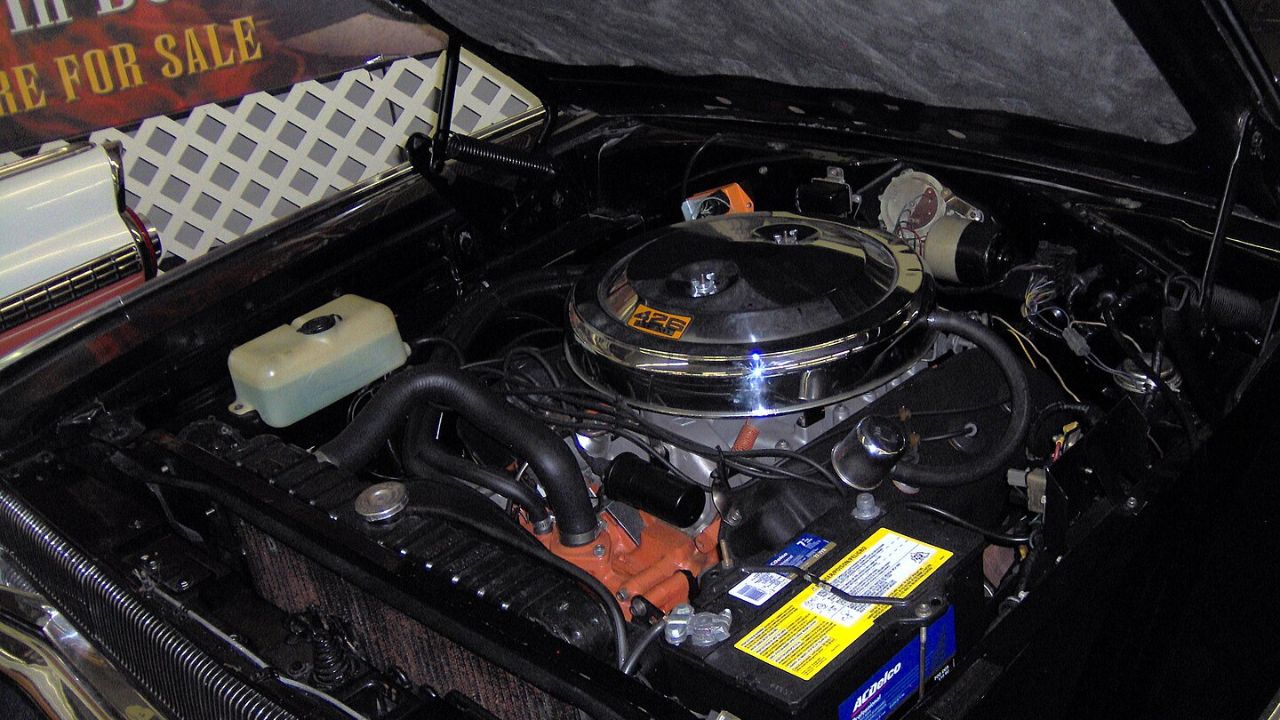
The 1970 Challenger R/T was equipped with a range of engine options that solidified its reputation as a performance leader. Most notably, it offered the legendary 426 cubic inch HEMI V8 and the robust 440 cubic inch V8 engines. The HEMI engine, in particular, was revered for its power and efficiency, making it a sought-after choice among enthusiasts. With the HEMI engine, the Challenger R/T could deliver an astonishing 425 horsepower, allowing it to achieve its remarkable 0-60 mph time in under six seconds.
Several performance features contributed to the Challenger R/T’s impressive acceleration. The vehicle came equipped with a heavy-duty automatic transmission and various rear axle ratios that optimized power delivery. Innovations in powertrain technology, including advancements in carburetion and exhaust systems, set the Challenger R/T apart from its competitors. These engineering feats not only enhanced performance but also ensured a thrilling driving experience that resonated with muscle car aficionados.
Performance Metrics: 0-60 in Under 6 Seconds
The testing methods used to determine the Challenger R/T’s 0-60 mph benchmark were rigorous, reflecting the standards of the automotive industry at the time. Professional automotive journalists and testers utilized precise timing equipment to measure acceleration, ensuring that the results were both accurate and replicable. Early tests confirmed that the Challenger R/T could indeed reach 60 mph in under six seconds, a feat that positioned it at the forefront of muscle car performance.
When compared to its contemporaries, the Challenger R/T held its ground firmly. For instance, the Ford Mustang Mach 1 and Chevrolet Camaro Z/28, while powerful in their own right, struggled to match the Challenger’s acceleration capabilities. Real-world performance feedback from early adopters and automotive journalists praised the Challenger R/T not only for its speed but also for its handling and overall driving experience. The vehicle’s combination of power and agility made it a favorite among driving enthusiasts, further solidifying its legacy in the muscle car arena.
Design Aesthetics and Features
The exterior design of the 1970 Challenger is as iconic as its performance. With its bold lines and muscular stance, the Challenger radiates an aura of aggression that is unmistakable. Color options like HEMI Orange and Plum Crazy drew attention, making the car stand out on the streets. The Challenger’s design was heavily influenced by the automotive trends of the 1970s, incorporating elements that appealed to a generation eager for individuality.
Inside, the Challenger R/T was designed with driver comfort and performance in mind. The cockpit featured a driver-focused layout with sporty bucket seats, a performance-oriented dashboard, and optional features like a rallye instrument cluster. This attention to detail ensured that drivers not only felt connected to the road but also enjoyed a comfortable ride during both daily commutes and spirited drives. The Challenger’s blend of performance and aesthetics captured the essence of what muscle cars represented during this vibrant decade.
The Challenger R/T in Popular Culture
The cultural impact of the Dodge Challenger R/T extended beyond the roads and into film and television. Throughout the 1970s, the Challenger made notable appearances in popular media, becoming a symbol of American muscle and rebellion. One of its most iconic moments came in the 1971 film “Vanishing Point,” where a white Challenger was driven through a series of high-speed pursuits, solidifying its status as a cultural icon.
The Challenger R/T also played a pivotal role in shaping automotive enthusiasm and fandom. Car clubs and enthusiast groups sprang up around the vehicle, celebrating its performance and design. The connection between the Challenger and the burgeoning car culture of the era created a sense of community among enthusiasts, further embedding the Challenger R/T in the fabric of American automotive history.
Legacy and Impact on Future Generations
The legacy of the Dodge Challenger R/T is evident in the muscle cars that followed in its footsteps. It set a benchmark for performance that many subsequent models aimed to achieve. Even today, the Challenger nameplate has been revived, with modern iterations paying homage to the classic design while integrating contemporary performance technologies. This revival has sparked renewed interest in muscle cars, drawing a new generation of enthusiasts to the power and allure of vehicles like the Challenger R/T.
When comparing the 1970 R/T to modern versions, such as the 2021 Dodge Challenger, it’s clear that while technology has advanced significantly, the core spirit of the Challenger remains intact. The modern Challenger retains that aggressive design and offers an impressive lineup of powerful engine options, including supercharged V8s. The connection between the past and present exemplifies the enduring impact of the Challenger R/T on automotive culture.
Collectibility and Market Value Today
In the classic car market, the 1970 Dodge Challenger R/T has gained significant desirability, with collectors seeking out well-preserved models. Trends indicate a growing appreciation for vintage muscle cars, and the Challenger R/T is often at the forefront of this interest. Factors such as rarity, condition, and provenance play crucial roles in determining market value. Some models, particularly those equipped with the HEMI engine or unique color options, can fetch top dollar at auctions.
The classic car community has seen a surge in interest in the Dodge Challenger R/T, with events and auctions dedicated to these iconic vehicles. Auction houses like Barrett-Jackson often feature models that highlight the R/T’s significance in automotive history. For example, a recent listing showcased a stunning 1970 Challenger R/T in HEMI Orange, underscoring the car’s enduring appeal and market value. Collecting vintage muscle cars, especially models like the Challenger R/T, offers enthusiasts a chance to own a piece of automotive history while indulging their passion for performance and design.
The 1970 Dodge Challenger R/T remains an enduring symbol of American automotive prowess. Its blend of raw power, striking design, and cultural significance has cemented its place in automotive history. The ongoing fascination with muscle cars ensures that the Challenger R/T will continue to captivate enthusiasts and collectors for generations to come.
More from Fast Lane Only