The Dodge Charger Daytona that arrived for the 1969 NASCAR season did something no stock car had done before: it pushed past 200 miles per hour on a closed course and forced the sanctioning body to rethink what “stock” really meant. In a sport built on incremental gains, the Daytona was a shock, a car that used wind-tunnel science and raw horsepower to leap ahead of the field in a single season. Its story is not just about one speed record, but about how racing rules, Detroit engineering and the future of American muscle all collided at 200.447 miles per hour.
Today, the Charger Daytona name is back in the spotlight as Dodge prepares an all-electric performance future, and the original winged warrior has become more than a museum piece. The 1969 car stands as proof that when racing and regulation collide, the result can reset the direction of both NASCAR and street performance for decades.
What happened
By the late 1960s, NASCAR had turned into an arms race between Detroit’s factories. Dodge and Plymouth wanted to beat Ford and Mercury on the superspeedways, especially at Daytona and Talladega, where long straights rewarded top speed and stability. The standard Charger had power, but it punched a dirty hole in the air. At high speed, the blunt nose and recessed rear window created lift and drag that kept the car from running with the quickest Fords on the banking.
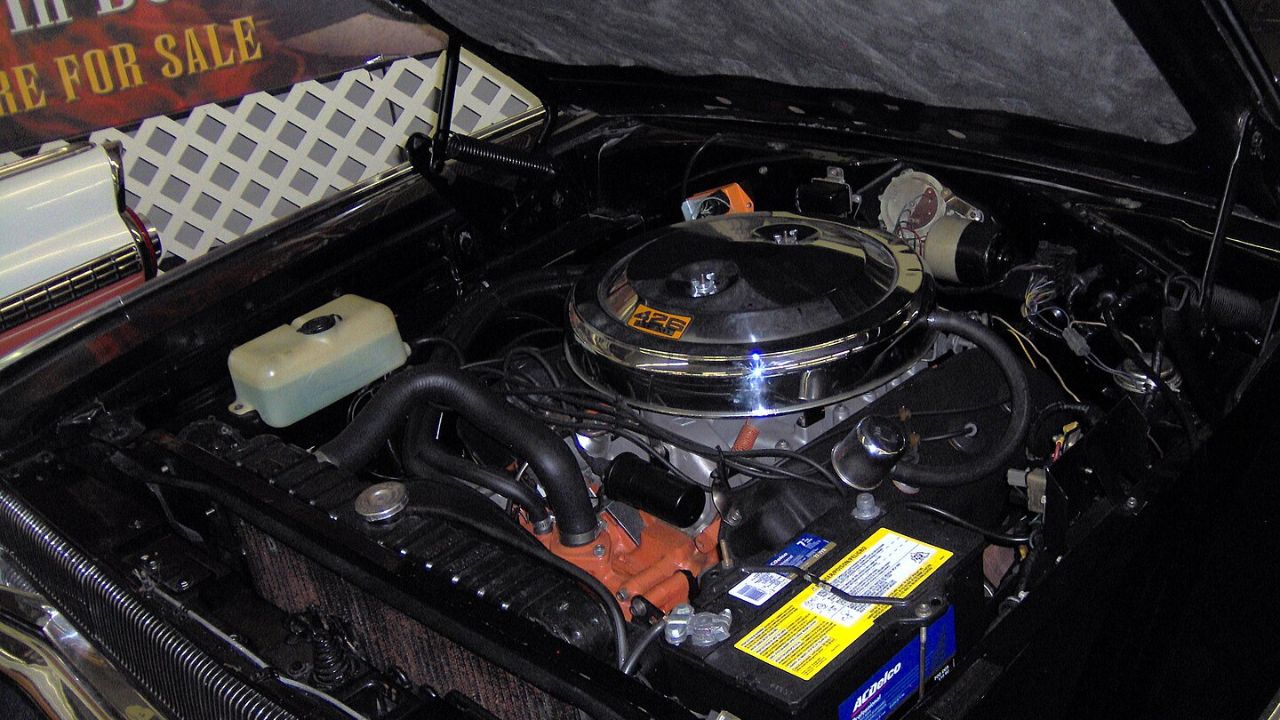
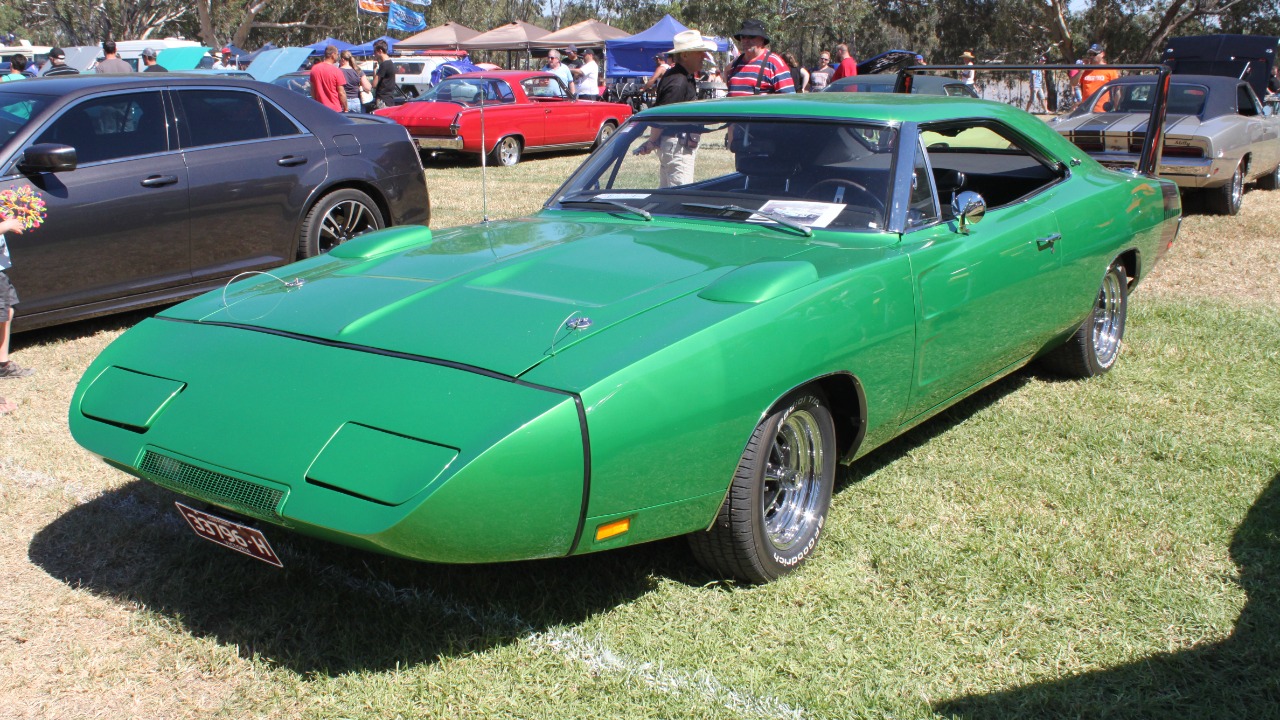
Engineers at Dodge responded with a car that looked barely related to the Chargers in showrooms. The Charger Daytona received a pointed fiberglass nose cone that stretched the front of the car and a massive steel rear wing that towered above the trunk lid. The nose reduced drag and helped the car slice through the air, while the tall wing planted the rear tires at speed and kept the car stable on the banking. Under the skin, the Daytona still carried the big-block V8s that defined Mopar performance, including the 426 cubic inch Hemi that had already become a terror on ovals and drag strips.
The most famous proof of concept came when driver Buddy Baker took a Charger Daytona to Talladega and set a closed-course record. The car averaged 200.447 miles per hour, the first time a NASCAR stock car had officially broken the 200 mph barrier on a closed circuit. That figure became the headline number that defined the Daytona’s legend and validated the radical aero package that Dodge had rushed into production.
To qualify the Daytona as a stock car, Dodge had to build a street version that ordinary buyers could purchase. Homologation rules required hundreds of cars, so Dodge produced a limited run of Charger Daytonas fitted with the same pointed nose and high rear wing that appeared on the race cars. These homologation specials were not just marketing exercises. They were the legal bridge that allowed the race team to bolt the same hardware to the cars that showed up at Daytona and Talladega.
The Daytona’s competition program quickly proved as disruptive as its styling. The car won races on the superspeedways and made it clear that aerodynamics had become as important as displacement. Rivals responded with their own aero cars, most notably the Plymouth Superbird, which shared the Daytona’s basic concept and pushed the same rulebook boundaries. NASCAR suddenly had a class of “aero warriors” that looked more like science experiments than showroom sedans.
Inside the sport, the reaction was mixed. Teams that did not have access to similar factory support felt outgunned, while NASCAR leadership worried that speeds were climbing faster than tire and track technology could safely support. The 200.447 mph record was a milestone, but it also served as a warning about where unchecked factory competition might lead.
Why it matters
The Charger Daytona’s impact on NASCAR can be measured in two directions: what it did on the track and how the rulebook changed in response. On the performance side, the car proved that aerodynamic efficiency could unlock speed that even the most powerful engines could not reach on their own. The pointed nose and tall wing were not styling flourishes. They turned a heavy intermediate sedan into a 200 mph missile that could out-run and out-stabilize rivals on the longest ovals.
That performance forced NASCAR to draw a line. In the wake of the Daytona and its winged rivals, the sanctioning body rewrote the rules to cap the advantage of these specialized aero cars. NASCAR reduced allowable engine sizes for the winged models and then limited or banned the most extreme aerodynamic add-ons. The message was clear: if the factories wanted to race, they had to stay closer to the spirit of production cars and keep speeds within a range that tracks, tires and safety equipment could handle.
The Charger Daytona therefore helped define the relationship between innovation and regulation that still shapes NASCAR. Teams and manufacturers push the edge of the rulebook to find speed, and NASCAR responds with technical bulletins and new templates that pull the field back toward parity. The 1969 aero wars were an early and dramatic example of that cycle, and the 200 mph Daytona sat right at the center.
Off the track, the Daytona altered how fans and collectors think about muscle cars. Traditional street machines of the era focused on cubic inches, quarter-mile times and aggressive styling. The Daytona added something different: a visible commitment to aerodynamics and race-bred function. The huge rear wing and stretched nose made no sense in a grocery store parking lot, but on the banking at Talladega they were the difference between 190 and 200 miles per hour. That purpose-built look helped turn the Daytona and its close relative, the Plymouth Superbird, into some of the most valuable and recognizable American performance cars of the period.
The car’s legacy also reaches into the current era of Dodge performance. As the company prepares to move from supercharged V8s to high-output electric powertrains, it has leaned on the Daytona name to connect future technology to its racing past. The modern Charger Daytona concept uses an electric drivetrain and aggressive aero styling, but it borrows the heritage of the 1969 car to signal that speed and innovation remain central to the brand. One modern analysis of the Charger Daytona EV argues that the new model could redefine what a muscle car looks and sounds like in an electric age, just as the original Daytona redefined what a NASCAR stock car could be.
From a safety perspective, the Daytona era highlighted how quickly performance could outstrip infrastructure. When Buddy Baker pushed past 200 mph, he did so on a track and in a car that predated many of the safety systems now considered standard. There were no energy-absorbing SAFER barriers, no HANS devices, and far less sophisticated seat and harness technology. NASCAR’s later emphasis on safety improvements, from stronger chassis to better helmets, grew partly out of the realization that cars were capable of speeds that the original tracks and equipment had never anticipated.
The Daytona also influenced how NASCAR and manufacturers presented their cars to the public. The idea that a fan could buy a version of the machine that set a 200.447 mph record helped cement the “win on Sunday, sell on Monday” marketing line. Even if the street Daytonas were tamer than the race cars, their existence gave Dodge dealers a powerful story. Today, that same logic underpins performance trims and special editions that carry racing-inspired names and aero packages, even when the underlying vehicles are family sedans or SUVs.
In the broader history of motorsport, the Charger Daytona sits alongside cars like the Porsche 917 and the Audi Quattro as examples of machines that forced rulemakers to react. Each arrived with a technical advantage that changed competition so dramatically that the governing bodies stepped in to restore balance. The 1969 Daytona’s combination of homologation, radical aero and record speed fits that pattern perfectly. It showed how a single model, built in limited numbers but engineered with a singular goal, could rewrite both the competitive order and the regulations that defined it.
What to watch next
The Charger Daytona’s story is not frozen in 1969. It continues to echo through modern NASCAR and Dodge’s product planning. On the racing side, the sport still wrestles with the same tension that the winged cars exposed. Teams search for aerodynamic gains within tightly controlled templates, while NASCAR works to keep speeds manageable and competition tight. The current generation of Cup cars uses standardized bodies and spec components that would have been unthinkable in the late 1960s, but the underlying dynamic is familiar: innovation pushes, the rulebook pulls.
As manufacturers pivot toward electric performance, the Daytona name has become a bridge between gasoline history and battery-powered futures. The modern Charger Daytona concept pairs an electric powertrain with styling cues that recall the original winged car, including a focus on airflow and a distinctive front treatment designed to manage drag and downforce. Analysts who have studied the original Daytona’s impact argue that the new EV could play a similar role in shifting expectations, this time by proving that an electric muscle car can carry the same attitude and performance that once came from a 426 Hemi.
Collectors and historians will continue to watch how the market treats original Charger Daytonas and their close relatives. Homologation numbers were low compared with mass-market Chargers, and many cars were driven hard or modified over the decades. As surviving examples become rarer, their values and cultural weight are likely to grow. Each original Daytona represents not just a piece of Mopar history, but a physical link to the moment when NASCAR first crossed 200 mph and then pulled back.
There is also an open question about how future racing regulations will handle the next wave of technology. If manufacturers push electric or hybrid systems into stock car racing, the sport will face choices similar to those that surrounded the aero wars. How far can teams go in chasing efficiency and speed before the cars drift too far from what fans recognize as stock? The Charger Daytona’s story suggests that radical innovation can energize a sport, but only if the rulemakers and competitors find a way to integrate it without losing competitive balance or safety.
For Dodge, the challenge is to make the Charger Daytona badge mean something more than retro graphics. The company has signaled that its electric performance models will use software, aerodynamics and sound design to recreate the visceral experience that made the original Daytona memorable. If those cars can deliver authentic speed and character, they will validate the decision to revive a name rooted in NASCAR history for a battery-powered future.
Fans who remember the winged cars still tell stories about seeing a Charger Daytona or Plymouth Superbird on track, the tall rear wings cutting across the horizon and the nose cones slicing through the air. Younger enthusiasts encounter the car through archival footage, die-cast models and digital recreations in racing games. As long as the 200.447 mph record remains part of NASCAR lore, the Daytona will occupy a special place in that collective memory.
More from Fast Lane Only