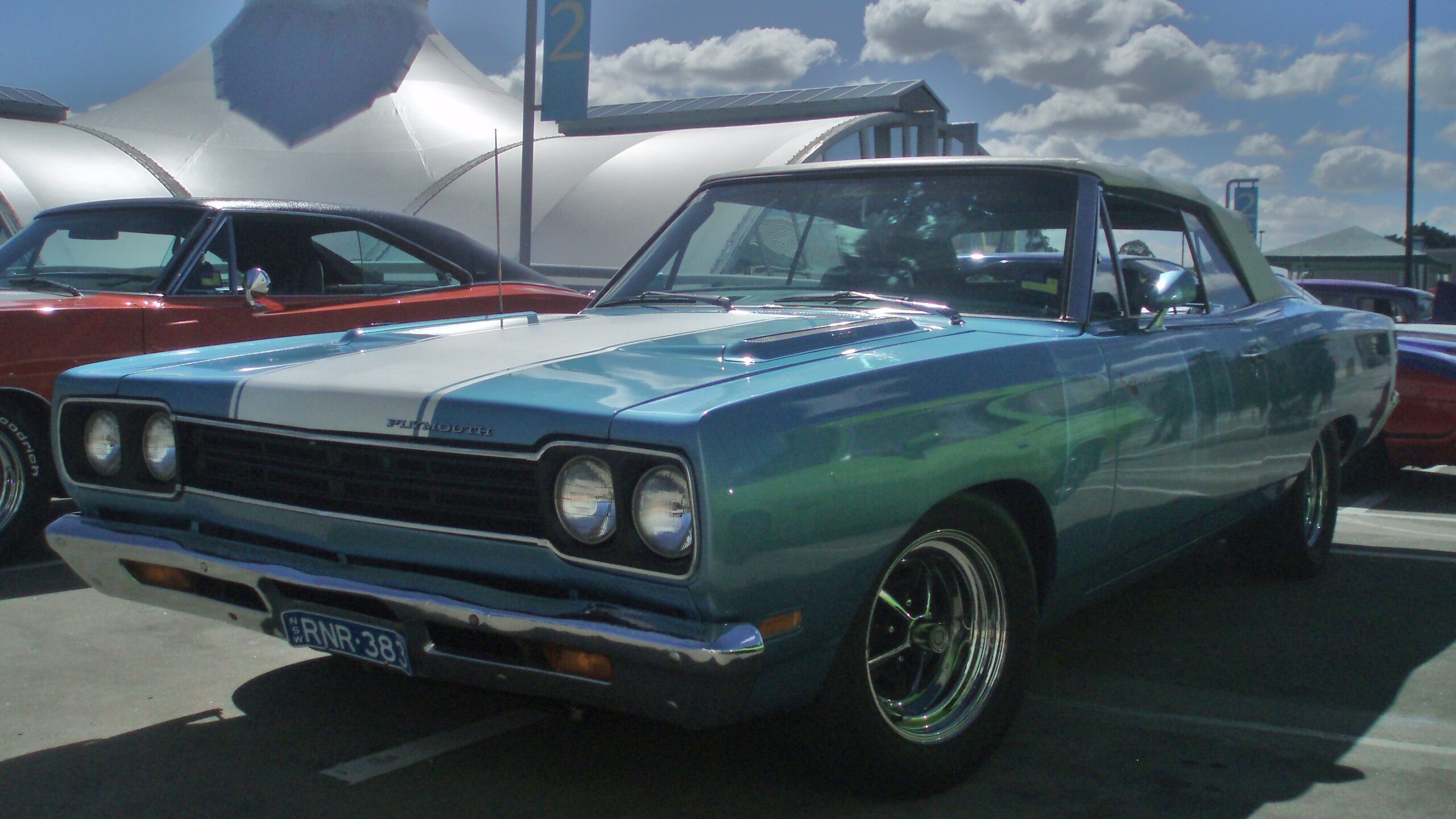
The original Plymouth Road Runner arrived for 1968 with a blunt message for Detroit: speed did not have to be wrapped in leather, gadgets, and a luxury price tag. By stripping a midsize coupe to its essentials and pouring the budget into big-block power, Plymouth created a muscle car that was fast, honest, and within reach of young buyers. Nearly six decades later, that formula still resonates in collector garages and modern restomods chasing the same mix of simplicity and punch.
What happened
By the mid 1960s, the muscle car idea had already taken hold, but it was drifting upscale. The Pontiac GTO, Chevrolet Chevelle SS, and Ford Fairlane GT were getting plusher interiors, more options, and higher prices. Within Chrysler’s hierarchy, Plymouth saw a gap under its own GTX and decided to build a car aimed at younger drivers who cared about quarter-mile times more than woodgrain trim.
The starting point was straightforward. Engineers took the B-body Plymouth Belvedere and Satellite shell, deleted most of the frills, and created a new model built around a single priority: go fast for as little money as possible. The Road Runner name came from the Warner Bros. cartoon character, and Plymouth even paid for the rights to use the character’s likeness and the distinctive “beep-beep” horn. The joke worked because the car’s mission was as single-minded as its animated namesake: quick in a straight line, not interested in small talk.
Under the hood, the standard engine was the 383 cubic inch V8, tuned specifically for the Road Runner with a hotter cam and better breathing than in Plymouth’s regular lineup. Period figures rated it at 335 horsepower, a serious number for a base engine in a budget package. Contemporary coverage of surviving cars still points to this 383 as the sweet spot, a combination that one detailed look at a survivor described as the “best Mopar muscle combo” of its day, pairing the 383 with a four-speed and 3.55 rear gears in a stripped coupe shell that weighed less than many rivals. That balance of displacement, gearing, and light equipment helped the 1968 Road Runner feel quicker than its spec sheet suggested, a point reinforced in modern writeups of the 1968 383 car.
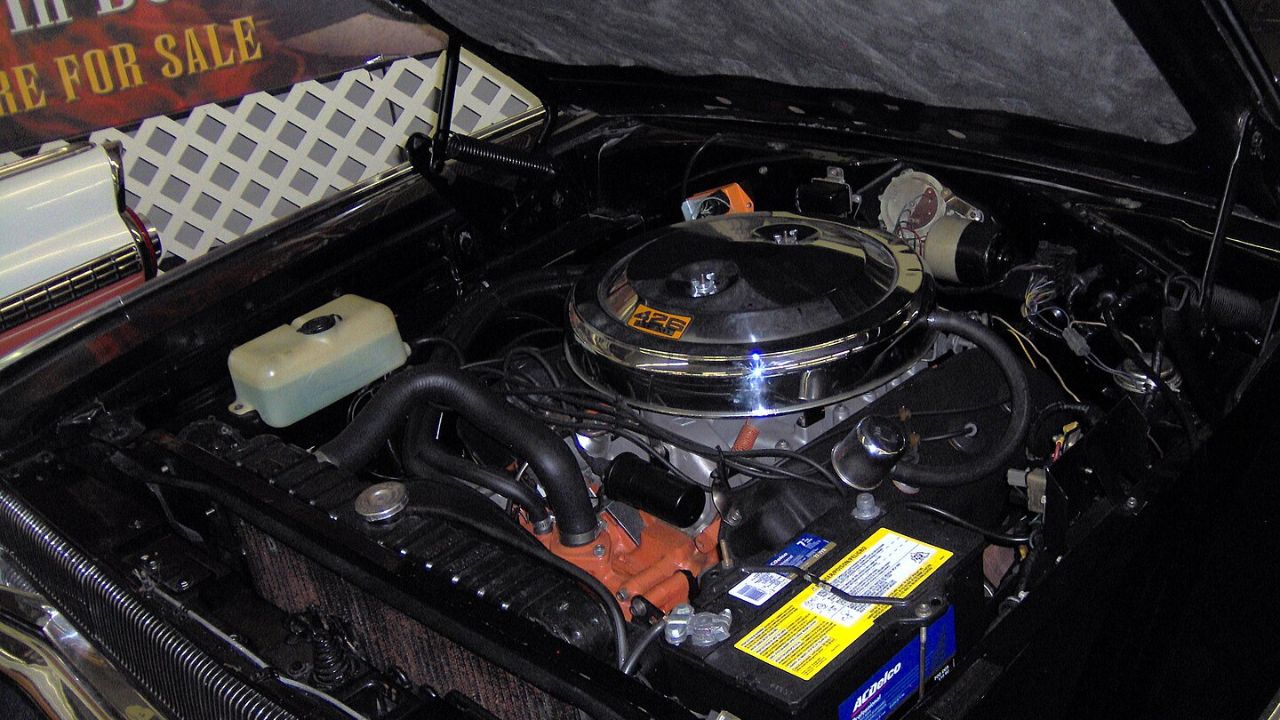
For buyers who wanted more, Plymouth offered the 426 cubic inch Hemi, a race-bred engine that had already become legend in NASCAR and drag racing. The Hemi option turned the Road Runner into one of the quickest factory muscle cars of its time, with quarter-mile performance that placed it among the standouts of the late 1960s. Rankings of the fastest 1960s muscle consistently put Hemi-powered B-bodies near the top, and the Road Runner shared the same basic mechanical package as more expensive Mopars that chased glory on the strip.
The Road Runner’s role in that performance hierarchy was not just theoretical. Coverage of period drag racing points out that Plymouth used its B-body platform to field some of the quarter-mile’s most feared machines. One analysis of 1960s drag results credits Plymouth with building the world’s quickest quarter-mile of the decade, a factory-backed effort that leveraged the same Hemi architecture offered in the Road Runner. While that particular record came from a more specialized package, the connection bolstered the Road Runner’s image as a serious straight-line weapon, not just a marketing exercise with decals.
Inside, the car was almost defiantly plain. Bench seats were standard, vinyl and rubber covered most surfaces, and the options list was short. Road Runners often lacked air conditioning, power windows, or elaborate stereos. The savings went directly to the drivetrain, suspension, and rear axle. Period advertising leaned into this with taglines that made fun of “bells and whistles,” while the car’s actual horn delivered the cartoon “beep-beep” that delighted some buyers and annoyed others. The message was clear: this was a car for people who wanted noise from the tailpipes, not from the dashboard.
That focus on essentials extended to the exterior. The 1968 model wore simple lines, with modest badging and a few cartoon Road Runner decals. Its identity came more from stance and sound than from chrome. Modern enthusiasts still respond to that restraint. One example is a massive neon Road Runner dealership sign that surfaced in the collector world, a piece of advertising art that captures how Plymouth leaned on the character and name to create an identity that stood apart from other Mopars. Coverage of that sign’s appearance on an auction platform highlighted how the glowing Road Runner still triggers nostalgia among buyers who remember when the bird symbolized affordable speed.
Why it matters
The 1968 Road Runner mattered in its own time because it proved that a car company could step back from the luxury arms race and still win buyers. By pricing the base car well below better-equipped muscle machines, Plymouth tapped into a younger audience that had been priced out of the segment. Insurance costs and monthly payments were real constraints for twenty-something drivers, and the Road Runner’s spartan spec helped keep both in check.
That strategy rippled across Detroit. Competitors took note of how many Road Runners Plymouth moved in the first two years, and several brands responded with their own stripped performance models. The Dodge Super Bee, built off the same B-body platform, was the most direct response inside Chrysler. Elsewhere, Ford and Chevrolet experimented with lower-trim performance packages that tried to split the difference between bare-bones and premium. The Road Runner had shown that a simple formula could scale: cheap shell, strong engine, and a clear identity that made buyers feel like they were part of a club.
The car’s influence also shows up in how enthusiasts and historians talk about muscle cars from the 1960s and 1970s. Lists of the quickest and most significant models often highlight that the Road Runner did not need the most exotic engine to be memorable. The 383-powered cars that dominate survivor stories and auction listings are not the rarest or most powerful, but they embody the idea that an honest, mid-level engine in a light, no-nonsense chassis can be more fun than a fully loaded flagship. That is part of why modern coverage continues to single out the 1968 configuration as a high point for Mopar fans, with the combination of 383 power, manual transmission, and modest trim still praised as an ideal street setup.
Beyond performance metrics, the Road Runner helped shape how car culture thinks about authenticity. As the muscle era progressed, many models grew heavier and more ornate, and some lost the raw edge that had made them exciting. The Road Runner’s early years are often contrasted with its mid-1970s versions, which gained weight and lost power under emissions and insurance pressure. One deep dive into the model’s arc described how the once-cool Road Runner became “uncool” almost overnight in the mid 1970s, when styling changes, lower compression engines, and added bulk diluted the original concept. That analysis of the 1975 Road Runner underscores how fragile the formula was. Take away the speed and simplicity, and the cartoon bird alone could not save the badge.
This contrast reinforces why the 1968 model year stands as a benchmark. It captured the moment before regulations and market shifts forced compromises, and it did so with a clarity of purpose that still appeals to modern builders. The Road Runner was not about lap times on a road course or luxury on a highway cruise. It was about getting from stoplight to stoplight as quickly as possible, with minimal distractions between driver and machine. For enthusiasts who value that purity, the 1968 car represents a kind of high-water mark for American performance minimalism.
The car’s legacy also lives on in the restomod world, where builders reinterpret classic shapes with modern hardware. A striking example is a custom Road Runner fitted with Mopar’s “Hellephant” crate engine, a 426 cubic inch supercharged V8 that delivers modern horsepower levels in a vintage shell. Coverage of that project described how the builder combined the original B-body lines with contemporary suspension, brakes, and a crate engine that produces far more power than any 1960s factory rating. The resulting Hellephant Road Runner shows how the basic 1968 formula of simple body plus big power still inspires ambitious projects, even when the parts list has changed dramatically.
In that sense, the Road Runner connects to modern performance cars that try to balance speed and affordability. The idea of a relatively bare interior, a strong standard engine, and a focus on driver engagement shows up in today’s entry-level V8 coupes and hot hatchbacks. While no current production car copies the Road Runner’s exact recipe, the concept of a “driver’s car” that skips luxury for performance can trace part of its lineage to Plymouth’s experiment in 1968.
The model’s cultural impact extends beyond hardware. The use of a cartoon character as a core part of a performance car’s identity was unusual at the time, and it helped humanize a machine that might otherwise have been just another big-engined coupe. The Road Runner name, the horn, and the neon signage created a sense of fun that softened the car’s aggressive performance. Modern collectors chasing original dealership signs, showroom posters, and branded memorabilia are not just buying art. They are buying into a story about a car that refused to take itself too seriously while still running hard at the drag strip.
What to watch next
The Road Runner’s story continues to evolve in three main arenas: the collector market, the restomod scene, and the broader conversation about what performance cars should be.
On the collector side, early Road Runners, especially 1968 and 1969 models with 383 or 426 Hemi power, have become staples at auctions and private sales. Values reflect a balance of nostalgia and usability. The cars are quick enough to feel exciting on modern roads but simple enough for owners to maintain without exotic tools. Interest in original advertising pieces, such as the neon sign that recently drew attention on an auction platform, suggests that the brand’s visual identity remains a draw. As more of these artifacts surface, they help document how Plymouth marketed the car and how dealerships presented affordable performance to walk-in buyers.
In the restomod world, the Road Runner provides a flexible canvas. Builders can keep the car’s stripped interior and simple exterior while upgrading engines, transmissions, and suspension components. The Hellephant-powered example is one extreme, but there are many subtler builds that swap in modern Hemi engines, overdrive automatics, and disc brakes while preserving the car’s original character. These projects raise interesting questions about authenticity. At what point does a heavily modified Road Runner stop being a 1968 muscle car and become a modern hot rod in vintage clothing? Enthusiasts will keep debating that line, but the demand for such builds shows that the basic shape and idea of the car still resonate.
More from Fast Lane Only