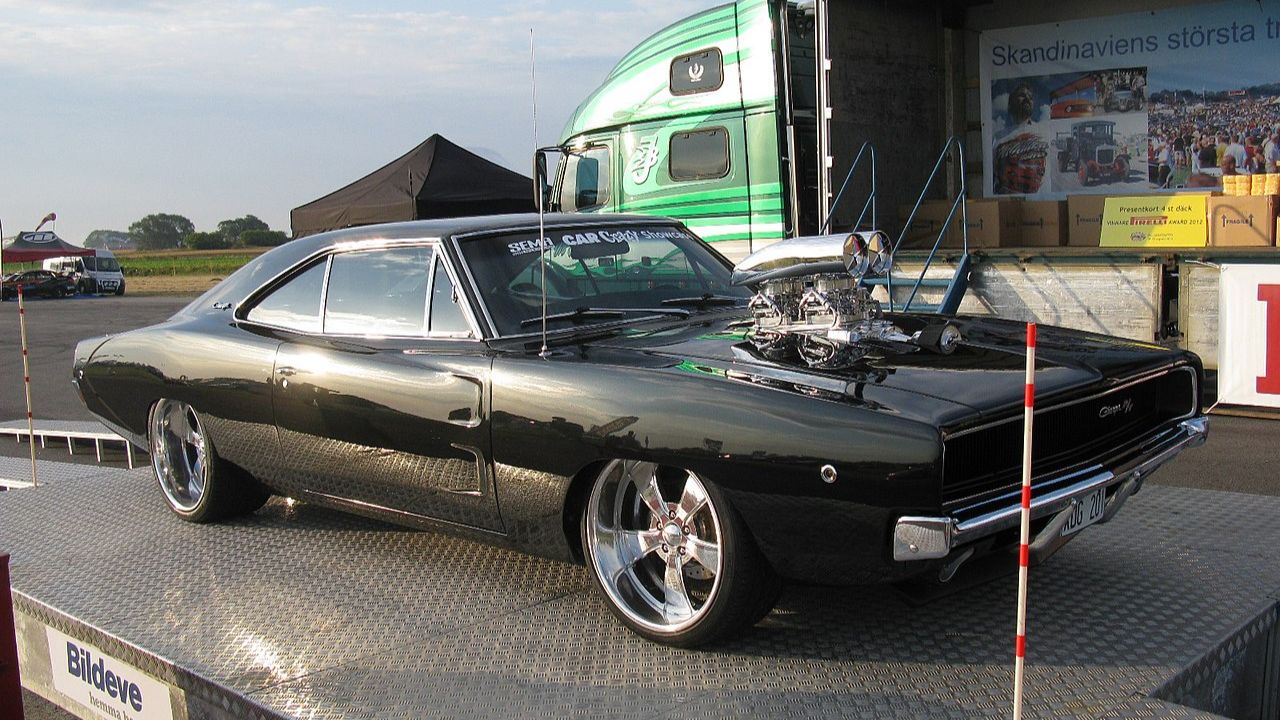
The 1968 Dodge Charger R/T epitomizes the golden age of American muscle cars, boasting a powerful big-block engine that launched it to 60 mph in around 6 seconds. This iconic vehicle not only defined a generation of performance cars but also carved a unique niche in automotive history, captivating the hearts of enthusiasts and collectors alike. Its blend of raw power, striking design, and cultural significance continues to resonate with those who appreciate the art of the muscle car.
Design and Aesthetics
The design of the 1968 Dodge Charger R/T is nothing short of iconic. Its sleek, aerodynamic body features a long hood and a short rear deck, giving it a profile that screams speed and power. The distinctive grille, which features a split design, adds to its aggressive stance, making it stand out on the road. This design approach was not just about aesthetics; it was also a nod to the performance capabilities that lay beneath the hood.
One of the most recognizable features of the Charger is its split rear window and fastback profile, which were revolutionary at the time. This design not only contributed to the car’s sporty look but also enhanced aerodynamics, allowing for better performance. Available in a range of vibrant color options, from the classic Hemi Orange to the striking Plum Crazy, the Charger’s appeal was further amplified by its well-appointed interior, which combined comfort with a driver-focused layout. The R/T trim offered bucket seats and a center console, providing an inviting cockpit for enthusiasts looking to enjoy a spirited drive.
Engine and Performance
At the heart of the 1968 Charger R/T is the formidable big-block V8 engine, which was available in several configurations. The most sought-after option was the 426 HEMI, which churned out an impressive 425 horsepower and 490 lb-ft of torque. Even the standard 440 cubic inch V8 was no slouch, delivering 375 horsepower and 480 lb-ft of torque. These engines allowed the Charger R/T to reach 60 mph in approximately 6 seconds, a staggering feat for its time and a major reason it gained a cult following among muscle car aficionados.
When comparing the Charger R/T to its contemporaries, such as the Ford Mustang and Chevrolet Camaro, it was clear that Dodge had crafted a vehicle that not only matched but often exceeded the performance benchmarks set by its rivals. The Charger’s acceleration capabilities, coupled with its robust engine options, solidified its reputation as a performance leader in the muscle car market. Enthusiasts often reminisce about the thrill of driving a Charger, feeling the raw power surge as they pressed the accelerator, making it an unforgettable experience.
Historical Context
The late 1960s was a pivotal time in the automotive landscape, marked by the muscle car craze that swept across America. The Charger R/T emerged during this era, capturing the spirit of the times—a desire for speed, power, and a touch of rebellion. As American culture began to emphasize individuality and freedom, muscle cars became symbols of those ideals, and the Charger quickly established itself as a standout contender in this burgeoning market.
The Charger R/T made its way into popular culture, appearing in films and television shows that further cemented its status. One of the most notable was its role in the iconic TV series “The Dukes of Hazzard,” where it was famously driven by the Duke boys. Dodge’s marketing strategies, which showcased the Charger as a performance-driven vehicle, resonated with consumers and helped position it as a must-have for any car enthusiast. The Charger’s image as a powerful and stylish vehicle contributed significantly to its lasting legacy.
Driving Experience
Driving the 1968 Charger R/T is an experience that blends nostalgia with raw power. The car’s handling is surprisingly agile for its size, and the heavy-duty suspension system provides a stable ride, whether navigating winding roads or straight highways. The steering is responsive, giving drivers a sense of control that enhances the overall driving experience. Contemporary reviews often praised the Charger for its balance of power and handling, making it a joy to drive.
Enthusiasts frequently highlight the Charger’s distinctive engine note, which adds to the thrill of acceleration. The deep growl of the big-block V8 is music to the ears of muscle car lovers, creating an auditory experience that is as memorable as the speed. Today, modern drivers who have had the chance to drive a restored Charger R/T often express a deep appreciation for its character and charm, noting how it transports them back to an era when American cars were built for performance and enjoyment.
Collectibility and Value
As the years have passed, the 1968 Dodge Charger R/T has become a highly sought-after collectible in the classic car market. Its unique blend of performance, design, and historical significance has driven up its value, making it a prized possession for collectors. Current market trends indicate a steady appreciation in the value of classic muscle cars, particularly models in excellent condition or those with unique options like the HEMI engine.
Factors influencing the value of a 1968 Charger R/T include its condition, original specifications, and provenance. Cars with documented history, such as previous ownership by notable figures or participation in significant events, tend to fetch higher prices at auctions. Notable sales have occurred in recent years, where well-preserved examples have sold for well into six figures, demonstrating the Charger’s desirability among collectors. For those considering an investment in classic cars, the Charger R/T represents a compelling opportunity.
Restoration and Maintenance
Owning a classic 1968 Charger R/T comes with its fair share of challenges, particularly when it comes to restoration and maintenance. Common issues faced by owners can include rust, faded paint, and worn-out mechanical components. However, many enthusiasts embrace these challenges as part of the ownership experience, often sharing tips and resources to help one another through the restoration process.
When restoring a Charger, sourcing parts can be one of the most daunting tasks, as many original components may be difficult to find. Fortunately, there are several companies specializing in reproduction parts for classic muscle cars, making the restoration process more manageable. Additionally, connecting with expert mechanics who are familiar with vintage models can make a significant difference. Owners often share their restoration journeys on forums and social media, highlighting both the challenges and triumphs they encounter along the way.
Legacy and Impact
The influence of the 1968 Dodge Charger R/T extends far beyond its production years. Its design and performance set a standard for subsequent muscle cars, inspiring manufacturers to push the envelope in terms of power and styling. The Charger’s legacy is evident in the continued popularity of muscle cars today, as modern iterations pay homage to their classic predecessors while incorporating contemporary technology and design.
In automotive circles and popular culture, the Charger R/T remains a symbol of American ingenuity and the muscle car era. Its presence in films, television, and car shows has kept its spirit alive, attracting new generations of enthusiasts. As a representation of the boldness and freedom that characterized the 1960s, the Charger R/T stands as a testament to a time when cars were more than just modes of transportation; they were expressions of identity and passion for performance.
More from Fast Lane Only