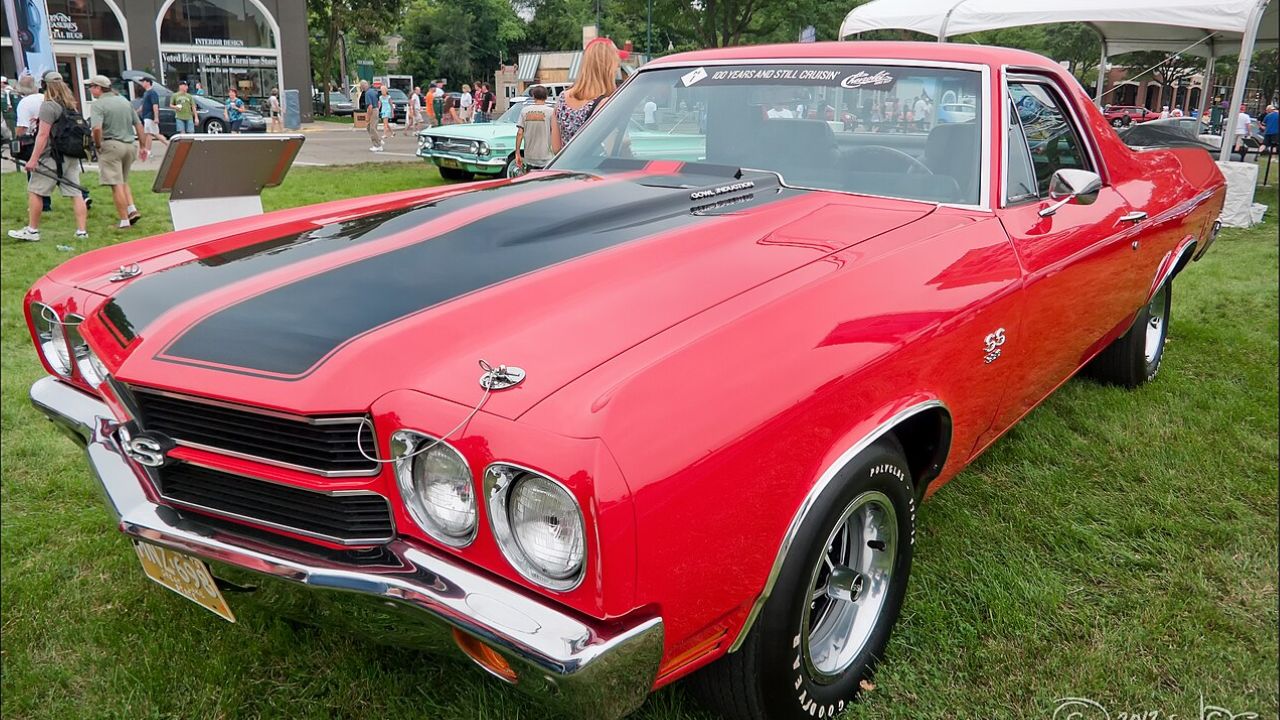
The 1970 Chevy El Camino SS, a unique blend of muscle car performance and utility, captivated enthusiasts with its mid-14 second quarter-mile times. This article explores the key features and historical significance of this iconic vehicle that remains a favorite among car lovers today.
Historical Context of the 1970 El Camino SS
The late 1960s and early 1970s marked a significant turning point in the American automotive landscape. The muscle car era was at its peak, characterized by powerful engines, aggressive styling, and a growing demand for performance vehicles. As manufacturers raced to capture the attention of consumers, Chevy recognized the need to innovate and adapt to shifting market trends. The introduction of the 1970 El Camino SS was a strategic move that combined the growing popularity of muscle cars with the practicalities of a light pickup truck.
In this era, vehicles like the Ford Mustang and Dodge Charger were dominating the scene, pushing the boundaries of speed and power. Consumers were increasingly drawn to cars that not only delivered exhilarating performance but also provided utility. The El Camino SS was Chevy’s answer to this demand, blending the characteristics of a classic muscle car with the functionality of a truck. This hybrid approach allowed Chevy to tap into a broader market, catering to both performance enthusiasts and those seeking everyday utility.
Design and Styling Features
The exterior design of the 1970 El Camino SS is a testament to the bold styling trends of the era. With its long hood, sculpted body lines, and distinctive grille, the El Camino exuded a muscular presence that was hard to ignore. The iconic SS badging, prominently displayed on the front and rear, signified its high-performance pedigree, setting it apart from its more utilitarian counterparts. Buyers in the 1970s could choose from a range of vibrant color options, including Classic White, Hugger Orange, and Forest Green, each adding to the car’s appeal.
Inside, the El Camino SS was designed with driver comfort in mind. The spacious cabin featured supportive bucket seats and a driver-oriented dashboard, making it as practical for daily use as it was thrilling for weekend drives. Optional features included air conditioning and upgraded audio systems, appealing to buyers who wanted a touch of luxury in their performance vehicle. The blend of utility and comfort in the design of the El Camino SS ensured it could cater to a diverse range of drivers, from families to speed enthusiasts.
Performance Specifications
At the heart of the 1970 El Camino SS was the powerful SS 396 engine, a centerpiece of its performance capabilities. This V8 powerhouse produced an impressive 350 horsepower, allowing the El Camino to sprint from 0 to 60 mph in just over 6 seconds. The engine’s torque output was equally impressive, providing the necessary grunt for quick acceleration and responsive handling. Buyers could also opt for the more potent 402 cubic inch V8, further enhancing the performance profile of the El Camino SS.
Transmission choices for the El Camino SS included a standard three-speed manual or an optional Turbo Hydra-Matic automatic transmission. The automatic provided a smoother driving experience, while the manual transmission offered a more engaging connection between the driver and the machine. This versatility in transmission options allowed drivers to tailor their driving experience, whether they preferred a leisurely cruise or an exhilarating burst of speed.
The Blend of Muscle and Utility
One of the standout features of the 1970 El Camino SS was its practicality as a light pickup truck. Unlike traditional muscle cars that were strictly designed for performance, the El Camino offered a versatile cargo bed that could handle everyday tasks, making it ideal for those who needed a vehicle that could do it all. Whether hauling tools, groceries, or weekend gear, the El Camino’s utility was unmatched in the muscle car segment.
Comparing the El Camino SS to other muscle cars of the time highlights its unique position in the market. While competitors like the Ford Mustang and Dodge Charger focused solely on performance, the El Camino’s hybrid nature allowed it to appeal to a broader audience. Its ability to serve as both a performance vehicle and a practical truck made it a favorite among drivers from various walks of life, reinforcing its status as a distinctive offering in the muscle car world.
The 1970 El Camino SS in Pop Culture
The cultural significance of the 1970 El Camino SS extends beyond its performance and utility. Over the years, it has made notable appearances in films and television shows that have helped solidify its iconic status. For instance, car aficionados may recall its role in the popular TV series “The Dukes of Hazzard,” where it embodied the spirit of rebellion and adventure. Such portrayals have contributed to the ongoing fascination with the El Camino, making it a symbol of American automotive culture.
In recent years, the resurgence of interest in classic cars has been amplified by social media platforms like TikTok and YouTube. Enthusiasts now share their love for the El Camino SS through videos, showcasing restorations, modifications, and even drag racing. For a glimpse into this modern celebration, check out this TikTok feature or this YouTube video, both highlighting the enduring allure of the El Camino SS.
Legacy and Collectibility
The 1970 El Camino SS has secured its place as a collector’s item, with several factors contributing to its desirability. Rarity plays a significant role; fewer than 25,000 units of the SS 396 were produced in 1970, making them a sought-after find for collectors. Additionally, the condition of the vehicle significantly impacts its market value. Well-preserved examples with original parts can fetch impressive prices at auctions, underscoring the El Camino’s appeal in the collector car market.
Enthusiast communities and clubs dedicated to the El Camino have also flourished over the years. These groups provide a platform for owners to share their passion, exchange restoration tips, and participate in events. The camaraderie among El Camino owners fosters a sense of belonging, making the ownership experience even more rewarding. By connecting with fellow enthusiasts, collectors can gain insights into the history and significance of their vehicles, ensuring the legacy of the El Camino SS continues to thrive.
The Future of the El Camino Nameplate
The reintroduction of the El Camino in modern times has sparked interest in the nameplate’s future. While the classic version has left an indelible mark on automotive history, there are speculations about potential new models that could blend the spirit of the original with contemporary technology. Electric adaptations of the El Camino are also a topic of discussion among automotive enthusiasts, as manufacturers explore ways to innovate while honoring classic designs.
Regardless of its future iterations, the legacy of the El Camino continues to inspire new generations of car enthusiasts. Whether it’s through restoration projects, social media showcases, or participation in classic car events, the love for the El Camino SS endures. This iconic vehicle remains a symbol of a unique era in American automotive history, bridging the gap between muscle and utility in a way that few others have achieved.
More from Fast Lane Only