When a mechanic tells you your engine is “seconds from failure,” your brain doesn’t exactly respond with calm, measured curiosity. It responds with a mental montage of smoke, tow trucks, and your bank account quietly whimpering. That’s exactly what happened to one driver this week, who says a routine visit turned into a high-pressure warning—until a second shop checked the car and gave a very different take.
The driver, who asked to be identified only by his first name, Marcus, said he brought his sedan in for a basic oil change and a quick look at a faint rattling noise he’d noticed at idle. “Nothing dramatic,” he said. “It sounded like a loose heat shield or something. I figured I’d get ahead of it.”
A Routine Appointment Turns Into an Emergency
According to Marcus, the first shop called him back after the inspection with an urgent message: the engine was on the verge of catastrophic failure. He says the advisor described it as “seconds away” and warned that continuing to drive could cause “total engine loss.” Then came the number attached to the warning—several thousand dollars for immediate repairs, with the suggestion that he leave the car there and authorize work right away.
“The tone was basically, ‘Do not drive this home,’” Marcus said. “And if someone tells you that about your engine, you start wondering if you’re about to make a very expensive mistake no matter what you do.” He asked for specifics, he said, but felt like the explanation stayed vague: something about internal wear, possible bearing issues, and a risk of failure “any minute.”
Marcus didn’t authorize the repair on the spot. Instead, he paid for the oil change, requested the inspection notes, and had the car towed—not driven—to another independent shop he’d used before. “I wasn’t trying to be difficult,” he said. “I just needed a second set of eyes before I agreed to major engine work.”
The Second Opinion: “This Doesn’t Look Like an Imminent Failure”
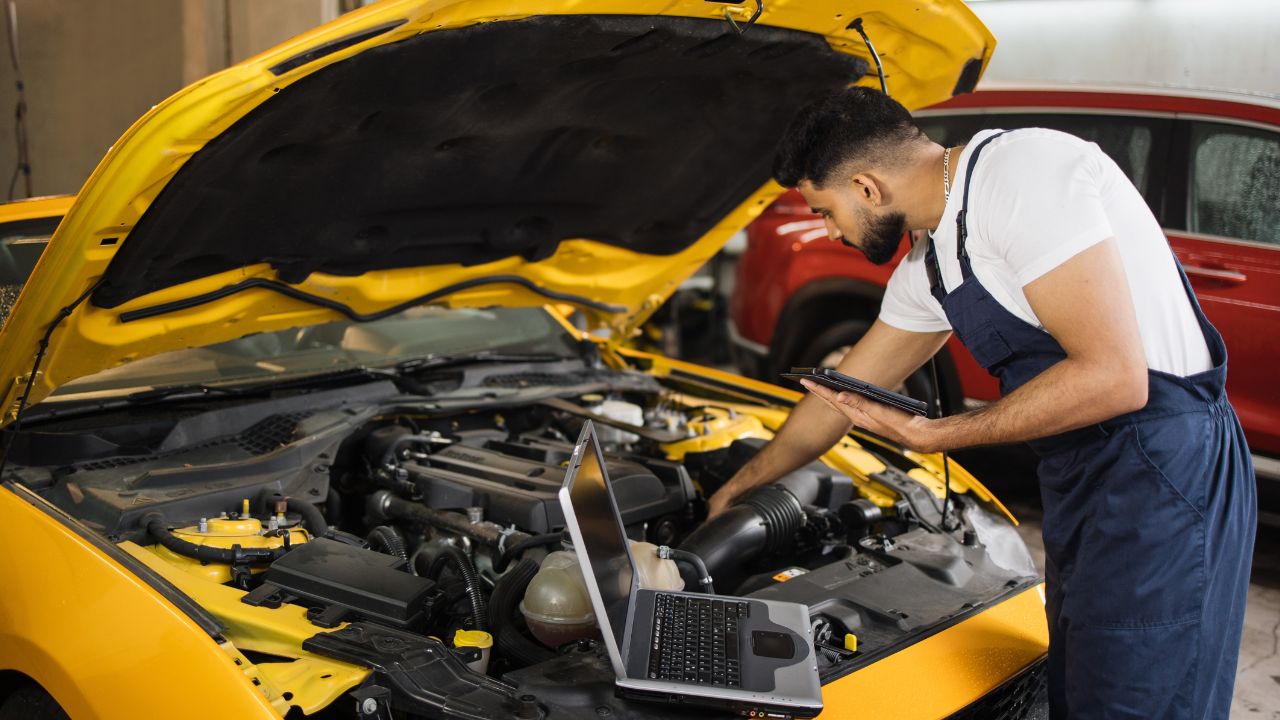
At the second shop, Marcus says the conversation sounded completely different. The mechanic there listened to the noise, checked oil pressure readings, scanned for codes, and inspected for common causes of rattles. The verdict, Marcus says, was closer to “annoying but manageable” than “seconds from disaster.”
Instead of internal engine failure, the second mechanic suspected a heat shield vibration and a worn accessory belt tensioner—issues that can sound dramatic without actually being catastrophic. Marcus says the shop showed him the loose shield and the belt play in person, then quoted a repair cost that was a fraction of what he’d been warned about earlier.
“He literally wiggled the part with his hand and it made the same noise,” Marcus said. “That was the moment I realized how much stress I’d been carrying since that first call.” The second shop also noted that while no one can guarantee an engine’s future, there was no sign it was about to grenade in the next few seconds—or even the next few weeks—based on the checks they performed.
Why Two Shops Can Sound Like Two Different Worlds
Auto experts say situations like this can happen for a few reasons, and not all of them are sinister. Diagnosing noises can be tricky, especially if a problem is intermittent or if a technician doesn’t have much time to reproduce it. Some shops also lean conservative: if they hear a rattle that could, in a worst-case scenario, involve internal engine parts, they may over-warn to protect themselves from liability.
But the phrase “seconds from failure” raises eyebrows because it’s unusually absolute. Engines typically give more than a ticking-clock warning unless there’s severe oil starvation, dangerously low oil pressure, an overheating event, or a truly catastrophic knock. In those cases, there are often supporting clues: warning lights, loud consistent knocking, metal in the oil, major performance changes, or readings that don’t look healthy.
Without those supporting signs, a more typical message might be, “We’re concerned about what we’re hearing, and we recommend further testing,” rather than a countdown timer. That difference in language matters because it affects how a driver makes decisions—especially when the stakes are high and the costs are higher.
What Drivers Can Do When a Shop Drops a “Panic Phrase”
If a shop tells you something urgent and expensive is about to happen, the first move is to ask for specifics in plain language. What exactly did they see or measure? Did they verify low oil pressure with a gauge, find metal flakes, identify a misfire that’s damaging the catalytic converter, or see an overheating issue?
It also helps to ask for evidence you can take with you. Request the inspection report, photos or video (many shops already take them), and any diagnostic readouts. If the claim is “internal engine failure,” ask what tests were done to support that—compression test, leak-down test, oil pressure test, borescope inspection, or oil analysis.
And yes, a second opinion is completely reasonable, especially when the recommendation is an engine rebuild or replacement. If the vehicle truly isn’t safe to drive, towing it for a second opinion is the safer compromise, and it keeps the decision from being rushed by fear. Most reputable shops won’t be offended by this; they’ll understand you’re trying to make an informed choice.
Shops Respond: The Line Between Caution and Pressure
Industry folks often point out that modern cars are complex, and customers want certainty that sometimes isn’t possible. A mechanic may hear a sound that could be benign—or could be the early sign of something major—and feel stuck between under-reacting and over-reacting. Still, the way that uncertainty is communicated matters.
When the message is framed as a near-instant catastrophe, it can feel less like guidance and more like a sales tactic, even if that wasn’t the intent. Clear explanations, documented findings, and options (“monitor it,” “do more tests,” “repair now”) go a long way toward building trust. So does showing the customer what’s wrong, when possible, instead of relying on scary adjectives.
Marcus’ Takeaway: “I’m Not Against Repairs—I’m Against Surprise Doom”
Marcus says he isn’t trying to paint every repair shop with the same brush. He’s owned cars long enough to expect repairs, and he’s fine paying for real work when it’s needed. What rattled him—more than the rattle—was how quickly “a weird noise” became “seconds from failure” without a clear, test-backed explanation.
After the second shop fixed the loose heat shield and replaced the tensioner, Marcus says the noise disappeared. He’s keeping the paperwork from both shops, and he plans to stay on top of maintenance, but he’s also changed how he’ll handle future warnings. “If it’s truly urgent, it should come with evidence,” he said. “Otherwise, I’m getting a second opinion—even if my heart is pounding while I do it.”
For other drivers watching this story, the practical lesson is pretty simple: scary diagnoses should be specific diagnoses. If a shop can show you what they found and how they found it, you can make a decision with your head instead of your adrenal glands. And if they can’t—or won’t—that’s usually your cue to keep asking questions or let another set of hands take a look.
More from Fast Lane Only