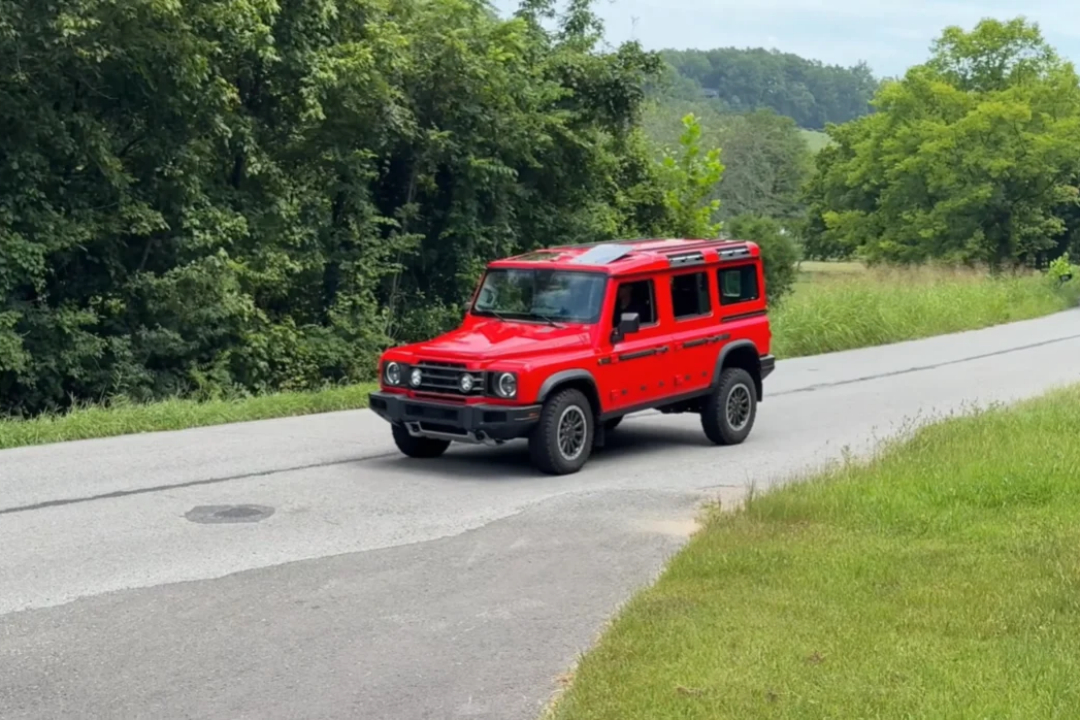
A truck owner says he dropped his vehicle off for a nagging problem, waited two weeks, and then got a call that sounded like a punchline: the dealership couldn’t find anything wrong. No fix. No clear explanation. Just a truck that, according to him, still didn’t feel right.
It’s the kind of story that spreads fast in group chats and neighborhood Facebook pages because it hits a nerve. Most people don’t mind waiting if there’s progress, but waiting a long time for “we don’t know” can feel like paying for a mystery novel you never get to finish.
“It wasn’t doing this yesterday”… except it was
According to the owner, the issue was intermittent—the kind that shows up on a cold morning, disappears at lunchtime, and returns the second you try to demonstrate it to someone else. He described symptoms that were hard to pin down in a single sentence: a brief shudder under light acceleration, a dash warning that came and went, and a sound that “didn’t belong there.”
That “only happens sometimes” detail matters more than people realize. Modern vehicles can store error codes, sure, but plenty of problems don’t trigger a clear code at all, especially if the condition doesn’t last long enough or doesn’t repeat while a technician is watching live data.
Two weeks in the service lane limbo
The owner said he expected a few days, maybe a week at most. Instead, the truck sat at the dealership while he waited for updates that were mostly variations of “we’re still looking into it.” When he finally got the call, he says the explanation was basically that they test drove it, scanned it, and couldn’t replicate the problem.
Dealerships, for their part, often have their own version of this timeline. Backlogs are real, and many service departments are juggling scheduled maintenance, warranty work, and surprise breakdowns all at once. Add in parts delays and limited diagnostic time, and two weeks can happen faster than anybody wants.
Why “no problem found” happens more than you’d think
To drivers, “couldn’t find anything wrong” sounds like “we didn’t believe you.” But to a technician, it can simply mean the evidence didn’t show up in the bay. If a warning light isn’t on, codes are cleared, or the symptom doesn’t appear during test drives, the shop can be stuck guessing—and guessing is risky.
There’s also the uncomfortable reality that some diagnostic paths are expensive and time-consuming. Digging deep can require hours of labor, specialized tools, or tearing down components just to see if something’s loose or failing. Under warranty rules, many dealers have to document a failure clearly before they’re allowed to replace major parts.
The diagnostic gap: what owners experience vs. what shops can prove
The owner said the truck acted up most reliably during a specific scenario: a certain speed range, a certain incline, and usually after the truck sat overnight. That’s great information, but it’s also a recipe for a symptom that might not show up during a short test drive around the block, especially if the tech can’t recreate the exact conditions.
Shops are built to fix what they can confirm. Owners are living with the vehicle day after day, noticing tiny changes in sound, vibration, shifting, or steering. That difference in perspective can turn a real issue into a frustrating “he said, she said” without anyone intending it.
What the dealership might have done (and why it still didn’t help)
In cases like this, most service departments start with the basics: scan for diagnostic trouble codes, check for software updates, inspect obvious wear items, and take a test drive. They may also look for technical service bulletins (TSBs), which are basically “we’ve seen this before” notes from the manufacturer.
If everything comes back clean, the technician’s hands can be tied. Replacing parts “just in case” can create new problems, and it can lead to disputes over who pays. It’s not satisfying, but “no fault found” is sometimes the most accurate answer a shop can give at that moment.
How to protect yourself if your vehicle’s issue is intermittent
Drivers who’ve been through this once tend to show up the next time with receipts, notes, and maybe a little determination. If a symptom is intermittent, documentation is your best friend. A short video of the dash warning, a clip of the noise, or a phone recording of the moment it happens can turn a vague complaint into something actionable.
It also helps to write down patterns: outside temperature, speed, RPM range, whether the engine was cold or warm, and whether the problem shows up under braking, accelerating, or steady cruising. The more you can narrow the conditions, the easier it is for a technician to reproduce it instead of chasing a ghost.
Questions to ask before you pick up the truck
When a shop says they can’t find anything wrong, it’s worth asking for specifics—politely, but clearly. What tests did they perform? How many miles did they drive it, and under what conditions? Did they check for software updates or TSBs related to your symptoms?
You can also ask for a copy of the repair order that shows “no fault found” and what steps were taken. That paper trail matters if the issue returns and you need to establish a history, especially during warranty coverage periods.
Options if the problem comes back the moment you leave
If the symptom returns, many owners have better luck asking for a ride-along diagnostic drive. That’s where you drive with a technician (or the tech drives with you) so you can point out exactly what you’re feeling and when. It’s surprisingly effective, and it turns “I swear it does this” into “there it is.”
Another option is a second opinion from an independent shop that specializes in your make or in the specific system you suspect, like transmissions, drivability diagnostics, or electrical issues. Independent technicians sometimes have more flexibility to spend diagnostic time, even if it’s billed, because they aren’t navigating the same warranty approval process.
Why this story resonates right now
Cars and trucks are more complex than ever, and that’s great—until it isn’t. A single quirky sensor, a flaky ground connection, or software behaving badly can create symptoms that come and go like they’re on a schedule you don’t have access to.
At the same time, service departments are stretched thin, and customers are less patient because life doesn’t pause when your truck’s in the shop. The result is a perfect storm: real issues that are hard to prove, and real delays that are hard to accept.
What happens next for the owner
The owner says he’s planning to keep a closer log of when the issue appears and to capture it on video if possible. He also intends to request a ride-along if he brings it back, so the dealership can see the problem in real time instead of reading about it on a work order.
For now, his truck is back in his driveway—and so is the question that started all of this: if nothing’s wrong, why doesn’t it feel right? It’s a frustrating place to be, but it’s also a reminder that in the modern repair world, the hardest problems aren’t always the biggest ones. Sometimes they’re the ones that refuse to show up on command.
More from Fast Lane Only